Anamorphic Flare
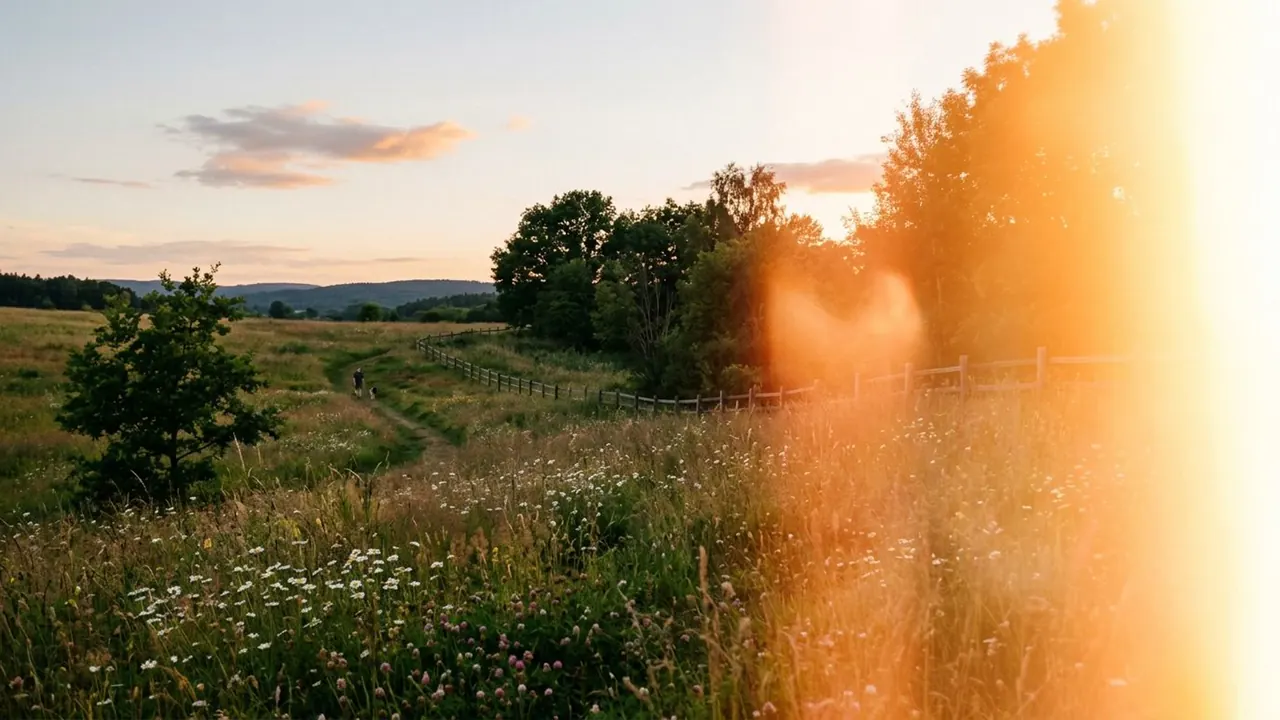
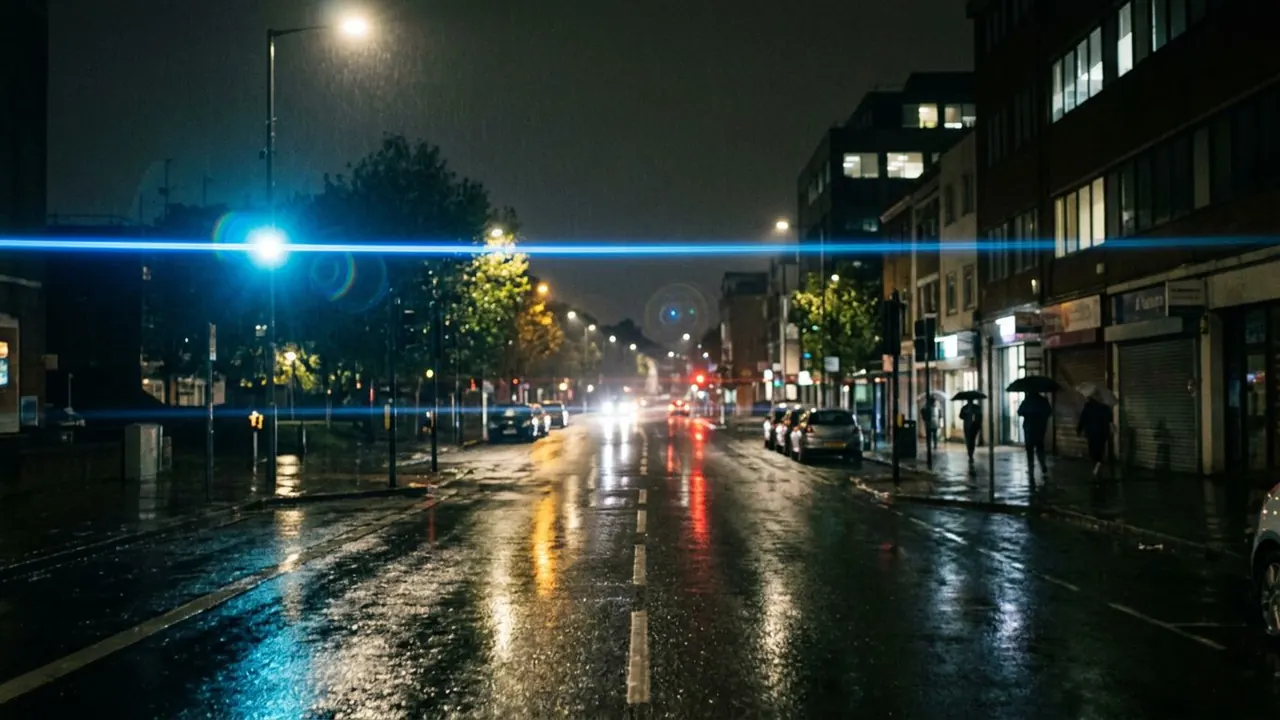
A bright source throws a long horizontal streak across the frame.
Opens a video model with the prompt in it. The price is on the page before you sign in.
What it is for
One bright source throws a long horizontal streak edge to edge. The streak says widescreen before anything in the frame does, which is why it became shorthand for scale.
It is a side effect of a lens built to squeeze a wide picture onto a narrower piece of film. The artefact outlived the reason for it, and now it is asked for on purpose.
How it works
An anamorphic lens carries a cylindrical element that compresses the image horizontally. That element also spreads any stray light along one axis, so a point source smears sideways rather than scattering evenly.
The streak is usually blue, because of the coatings used on many of the classic anamorphic lenses. Some sets flare gold or white instead, and the colour is a property of the glass rather than of the scene.
The same optics give oval bokeh and a horizontal stretch to out of focus highlights. If you ask for the streak, those come with it in real footage, so asking for them together reads as more honest.
When to use it
Use it for night exteriors with practical lights, for anything meant to feel like a wide screen release, and wherever a single strong source sits in or near the frame.
Skip it in a daylight exterior with no point sources. With nothing bright enough to smear, the streak has to be invented, and it shows.
Told apart from its neighbours
Ordinary lens flare is the wider family. It produces ghosts, polygons and veiling glare from spherical glass. Anamorphic flare is the one member that renders as a single long horizontal line.
The test is the shape and the axis. Round artefacts anywhere in frame are ordinary flare. One straight line, horizontal, usually blue, is anamorphic.
On film
Jordan Cronenweth shot Blade Runner (1982) on anamorphic lenses, and the blue streaks that run across the night city are the lens reacting to the practical lights in the set rather than an effect added afterwards.
- Blade Runner (1982)
The prompt
Replace the blanks, keep the rest. Then run it on a video model.
anamorphic flare across <subject>, long horizontal blue streak from a bright source, lens artefact running edge to edge
What goes wrong
The streak arrives with nothing to explain it. Put the bright source in or just outside the frame, because a streak with no cause looks pasted on.
The second failure is a streak that sits dead centre and never moves. Ask for it to track with the source, and give it a colour so the model does not default to white.
Leave out
round flare, no source
Watch for
Put the bright source in or just outside frame. A streak with no cause looks pasted on.
Questions
Shoot it
Pay for the one run. No subscription, and the price is on the model page before you sign in.
Next to it in what light does to the glass