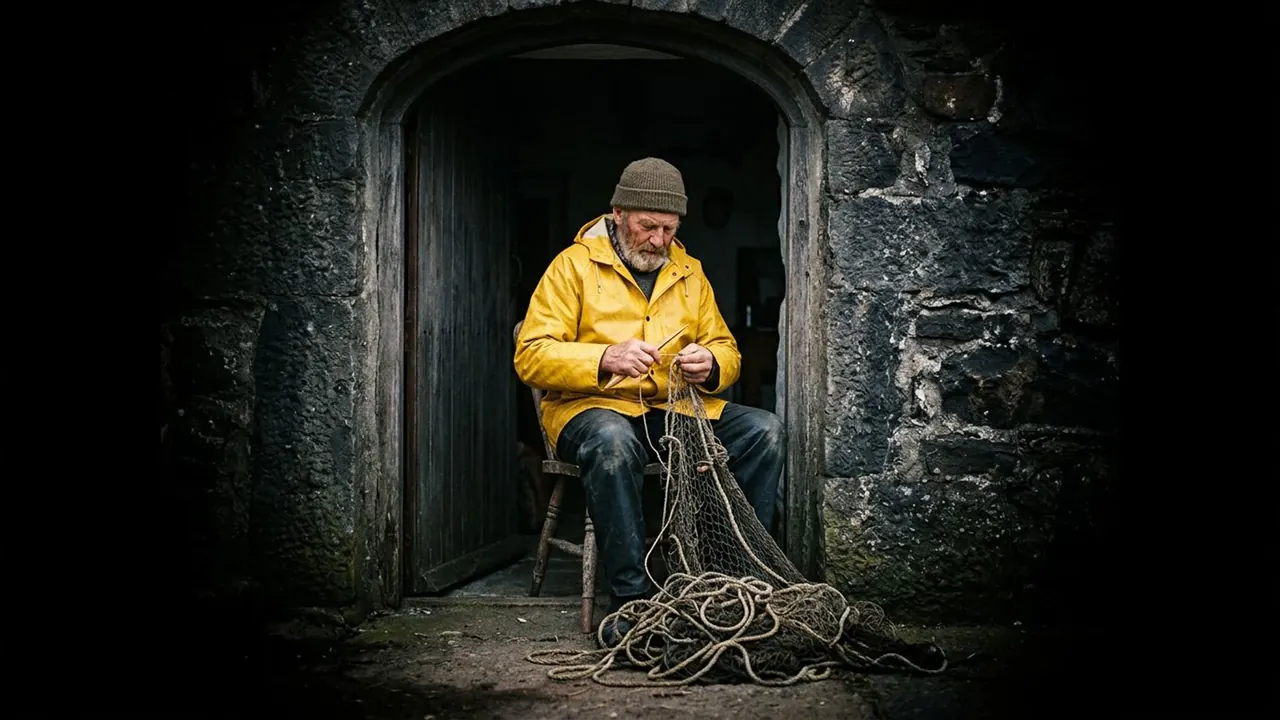
Chromatic Aberration
- lateral chromatic aberration
- longitudinal chromatic aberration
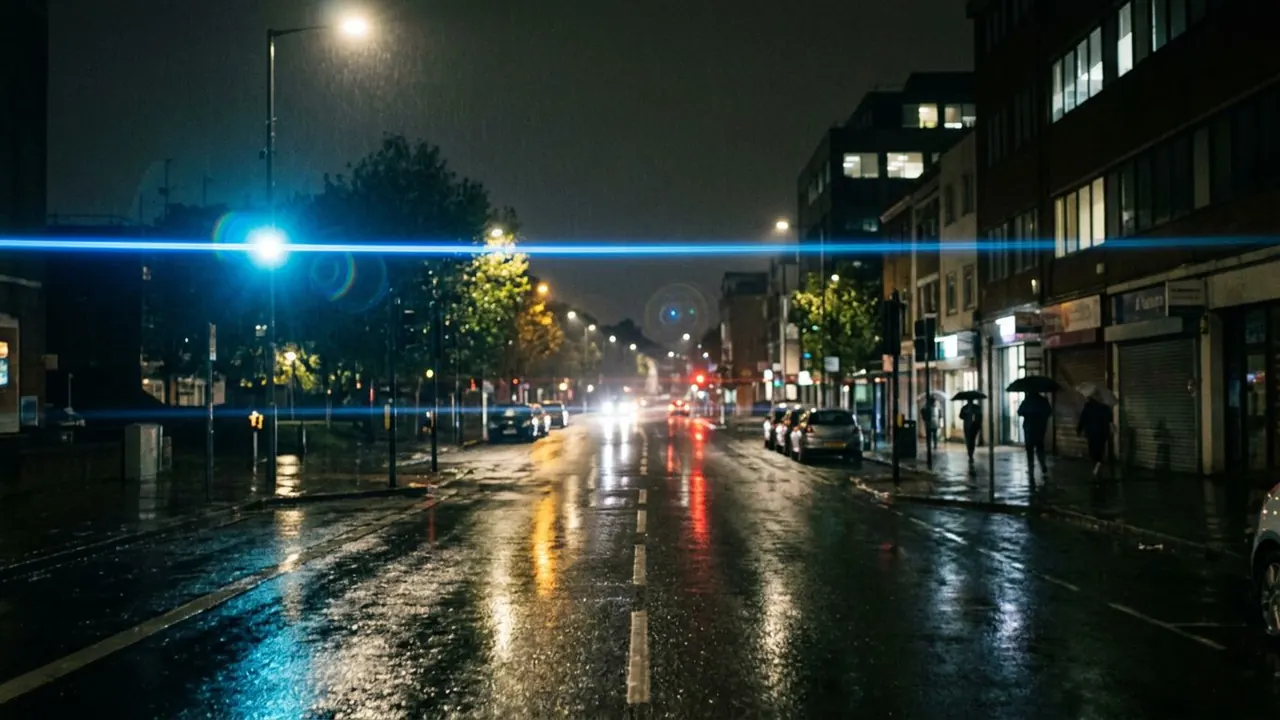
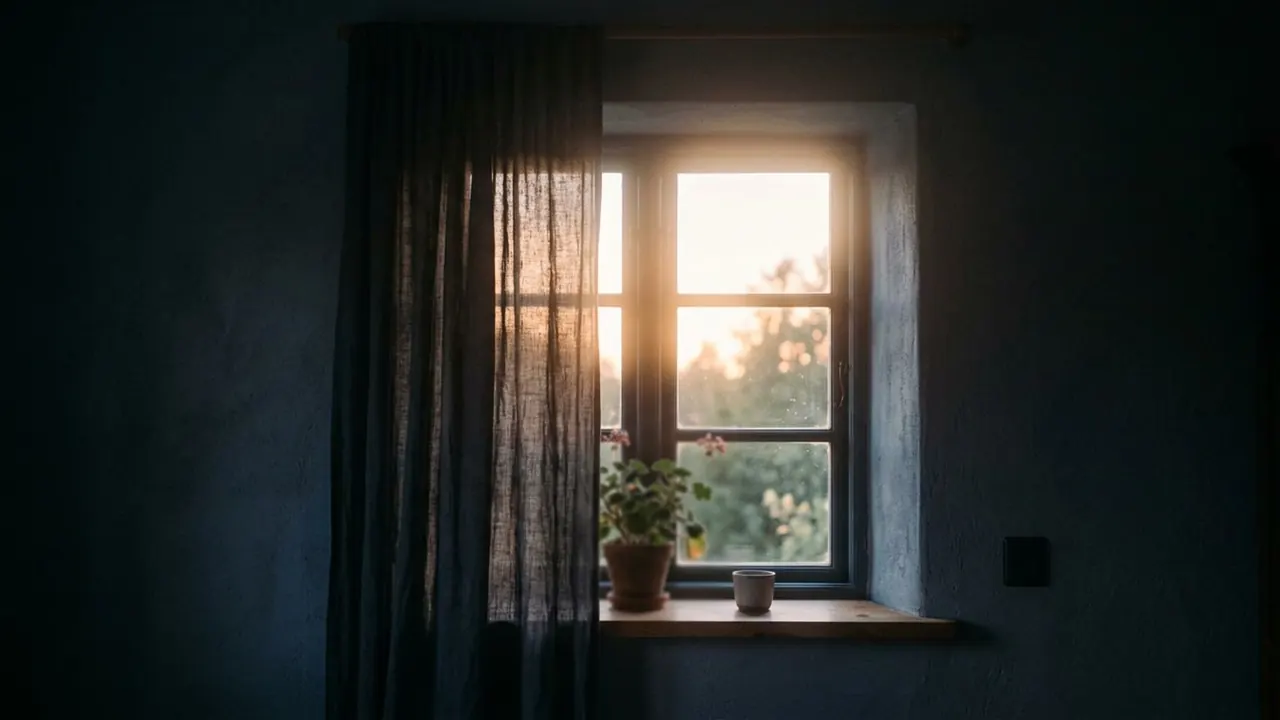
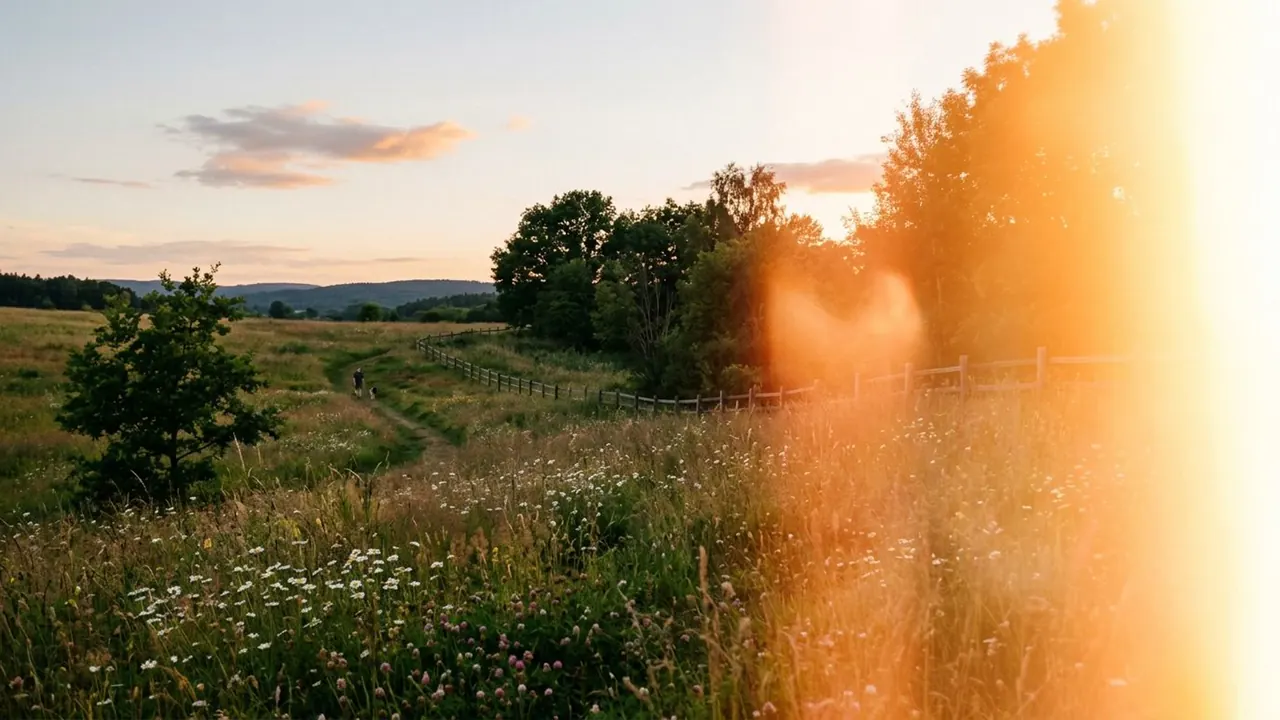
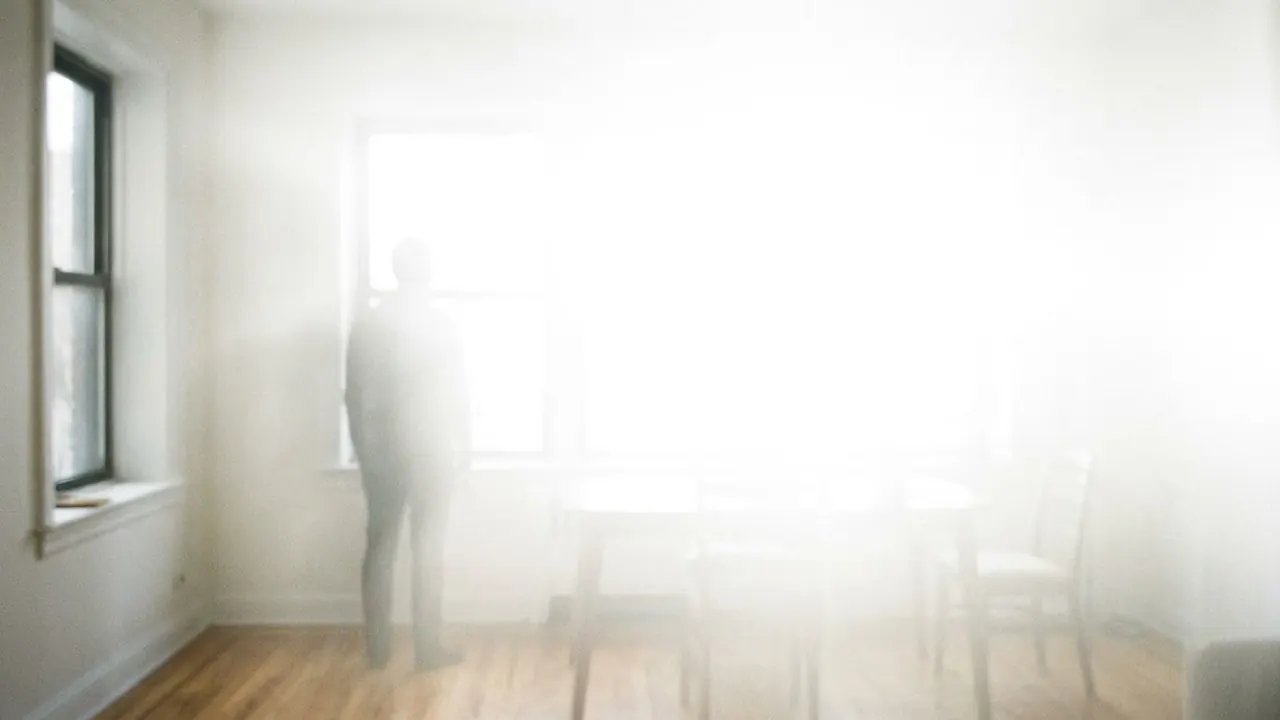
Colour channels separate toward the edges of the frame.
Opens a video model with the prompt in it. The price is on the page before you sign in.
What it is for
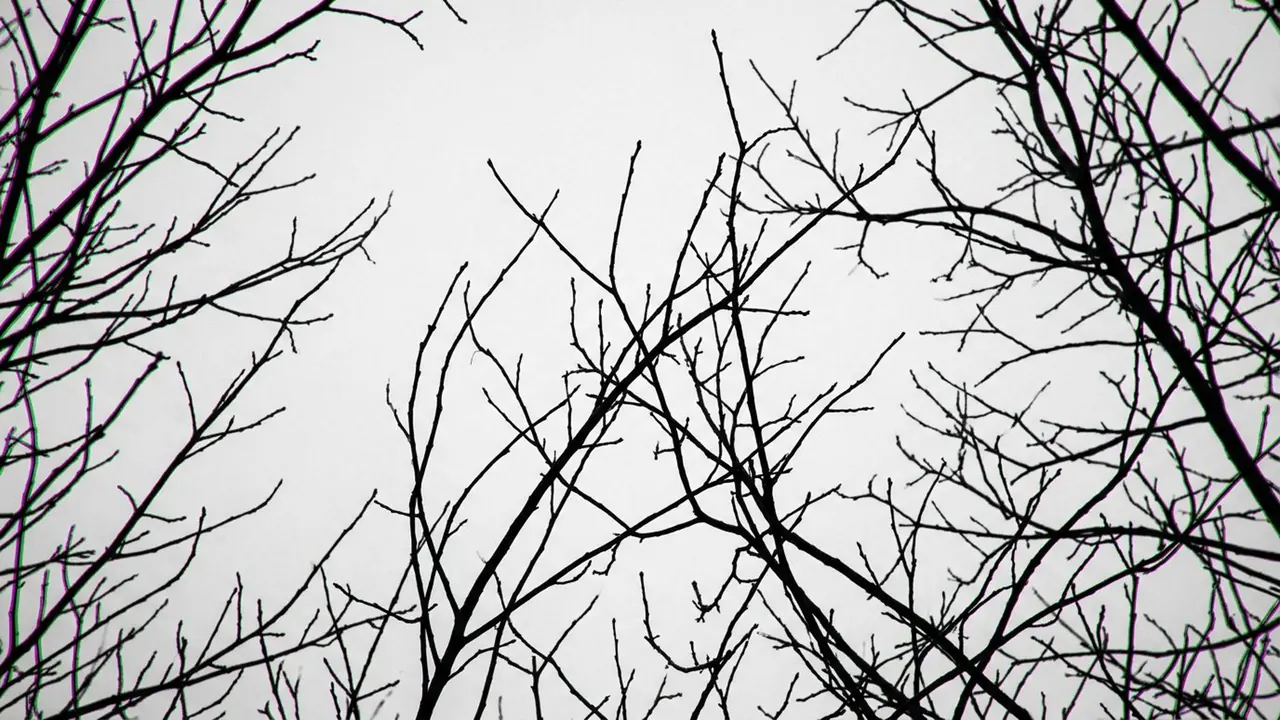
Colour separates along high contrast edges, leaving a thin red or blue fringe where there should be one clean line. It is a lens failing to bring every wavelength to the same place.
Asked for on purpose, it makes an image read as captured through real glass rather than rendered. Small amounts do that work. Large amounts read as a filter.
How it works
Lateral aberration spreads the colours sideways, and it grows with distance from the optical axis. The centre of the frame is clean and the corners carry the fringing, which is the pattern the entry describes.
Longitudinal aberration puts different colours at different focus distances, so highlights in front of the focal plane fringe one colour and highlights behind it fringe another. This one shows up in the centre as well.
Cheap and fast glass shows more of both. Stopping down reduces the longitudinal kind and does almost nothing for the lateral kind, which is why corner fringing survives on stopped down shots.
When to use it
Use it in small amounts to take the polish off a digital image, and in larger amounts when the footage should feel shot on something cheap or improvised.
Avoid it on text, on fine detail and on anything that has to be inspected. Fringing destroys edges, and edges are what those shots depend on.
Told apart from its neighbours
Lens flare is scattered light forming its own shapes in the frame, and it needs a bright source. Chromatic aberration needs only a high contrast edge, and it adds no new shapes at all.
The test is where it lives. Flare sits anywhere on the axis from the source. Aberration lives strictly on edges, and the lateral kind grows toward the corners.
The prompt
Replace the blanks, keep the rest. Then run it on a video model.
chromatic aberration on <subject>, red and blue fringing along high contrast edges, worst toward the frame corners
What goes wrong
The fringing comes back spread evenly across the whole frame, which looks like a filter. Say it grows toward the corners and that the centre stays clean.
The second failure is fringing on flat areas with no edge to fringe. Point it at the high contrast edges specifically, and name them.
Leave out
clean edges, centre only
Watch for
It grows toward the corners. Even fringing across the frame looks like a filter.
Questions
Shoot it
Pay for the one run. No subscription, and the price is on the model page before you sign in.
Next to it in what light does to the glass