Morphing
- Geometric image transformation
One form flows into a completely different form.
Opens a video model with the prompt in it. The price is on the page before you sign in.

What it is for
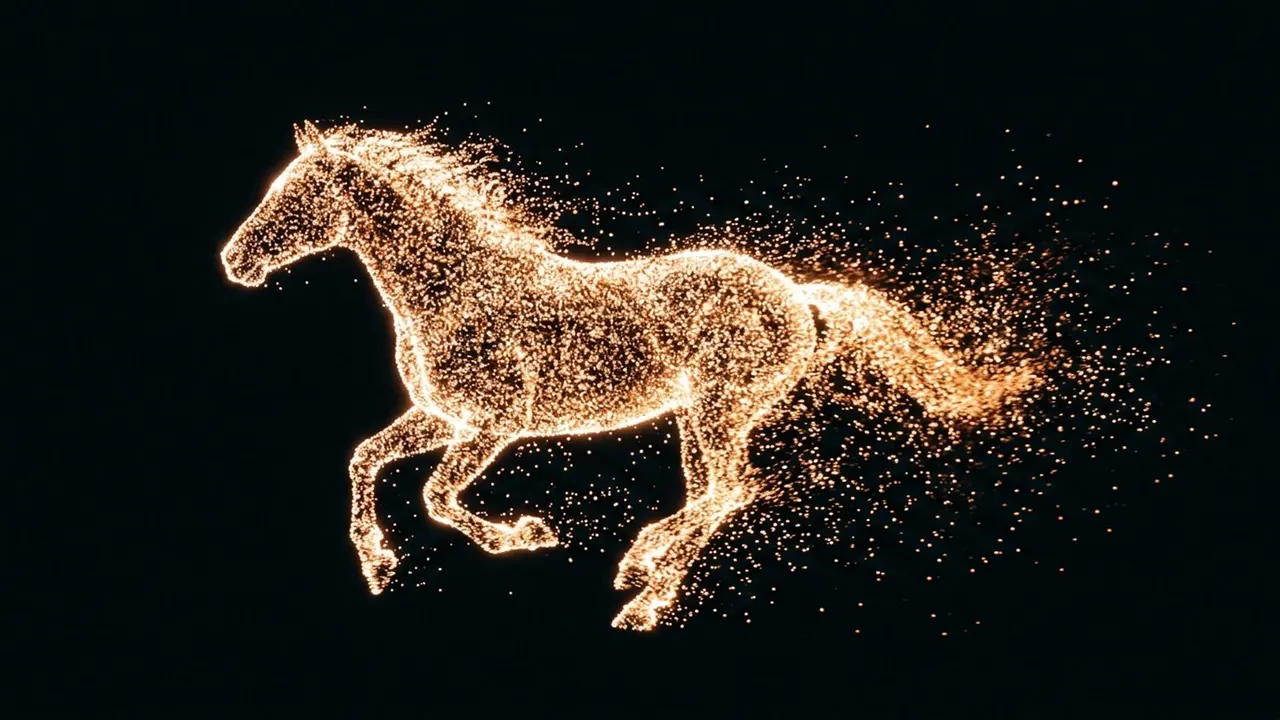
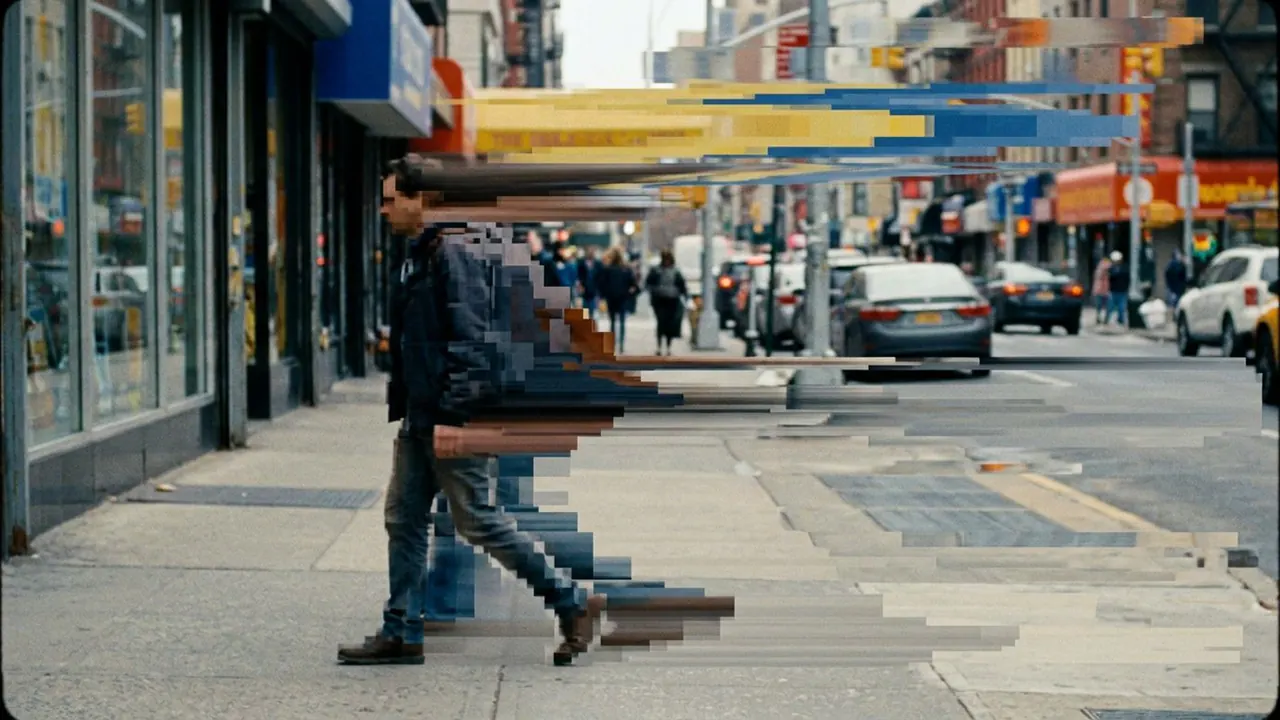
One form flows into a different form with no cut. A wolf becomes a woman, a car becomes a shoe, and the audience watches the change happen instead of being told it did.
The absence of a cut is the claim. A cut leaves room for a swap, and a continuous change leaves none, so the transformation reads as something the world did rather than something the edit did.
How it works
Points on the first shape are paired with points on the second, and both images warp toward the middle while the pixels cross-fade between them. The warp is what stops it looking like a dissolve.
Mass has to be conserved through the change. Material moves from where it was to where it is going, so an arm shortens into a wing rather than fading out while a wing fades in.
Slow moments at each end and speed through the middle. A morph that runs at one rate throughout reads as mechanical, because a real change of state has a moment where it commits.
When to use it
Use it for shapeshifting, for a passage of time across one face, and for a graphic idea where two things are being argued to be the same thing.
Skip it when the two forms have nothing in common. With no shared structure to pair up, the middle of the morph is a shapeless smear.
Told apart from its neighbours
A dissolve fades one image down while the other comes up, and both keep their own shape the whole way. A morph bends the first shape into the second, so the middle of the transition is a form that belongs to neither.
The test is the halfway frame. Two ghosts of two shapes is a dissolve. One coherent shape that is somewhere between them is a morph.
On film
Willow (1988) carries a woman through a sequence of animal forms in one continuous change, which is the effect that put digital morphing in a feature for the first time.
- Willow (1988)
The prompt
Replace the blanks, keep the rest. Then run it on a video model.
<subject A> morphing into <subject B>, form flowing continuously between the two, no cut, mass conserved through the change
What goes wrong
A cross fade comes back, with both forms visible at once in the middle. Say no cut and no dissolve, and say the form flows continuously between the two.
The second failure is a pop, exactly as the note warns. Say the mass is conserved, so material travels from the old shape into the new one rather than appearing and disappearing.
Leave out
cut, dissolve
Watch for
Say the mass is conserved. Otherwise the transition pops rather than flows.
Questions
Shoot it
Pay for the one run. No subscription, and the price is on the model page before you sign in.
Next to it in one thing becomes another