Light Flash
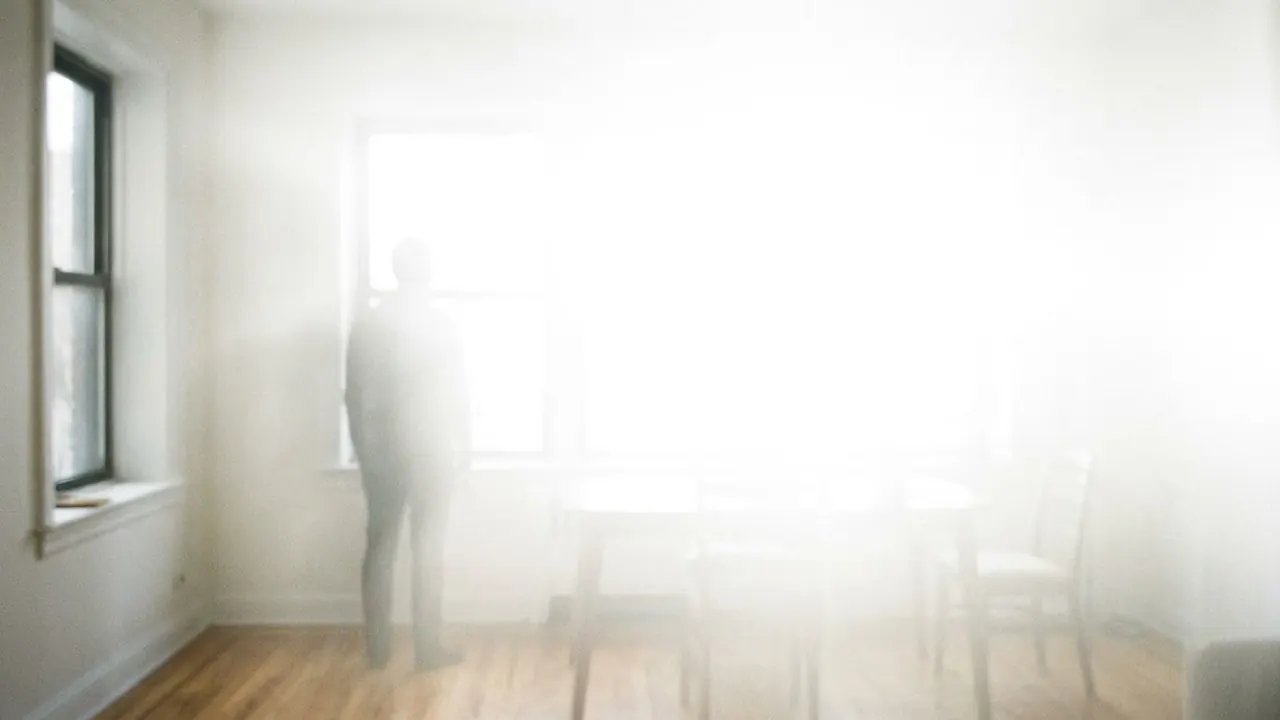
A sudden burst of light overwhelms the frame.
Opens a video model with the prompt in it. The price is on the page before you sign in.
What it is for
A burst of light overwhelms the frame for an instant. Detail disappears, then comes back, and the audience feels the interruption before they identify it.
It works as punctuation. A flash can mark an impact, a memory arriving, a camera firing or a cut you would rather the audience did not see cleanly.
How it works
Exposure is pushed past the top of the range for a small number of frames. Highlights clip to white first, then the mid tones follow, and the picture flattens out as it goes.
The recovery is what sells it. Real exposure comes back through the mid tones as the light falls, so the frame returns in stages rather than switching back on.
Duration matters. A flash of two or three frames reads as an event. Anything much longer reads as a badly exposed shot, which is the difference the entry note is pointing at.
A rolling shutter complicates it. The sensor reads out line by line, so a flash shorter than one readout lights only part of the frame and leaves a bright band across it. Global shutters and film do not do this.
When to use it
Use it on impacts, on gunfire and lightning, on a photographer working in frame, and to hide a join between two pieces of footage.
Leave it out of anything that has to be watched comfortably. Repeated flashes are hard to look at, and some viewers cannot watch them at all.
Told apart from its neighbours
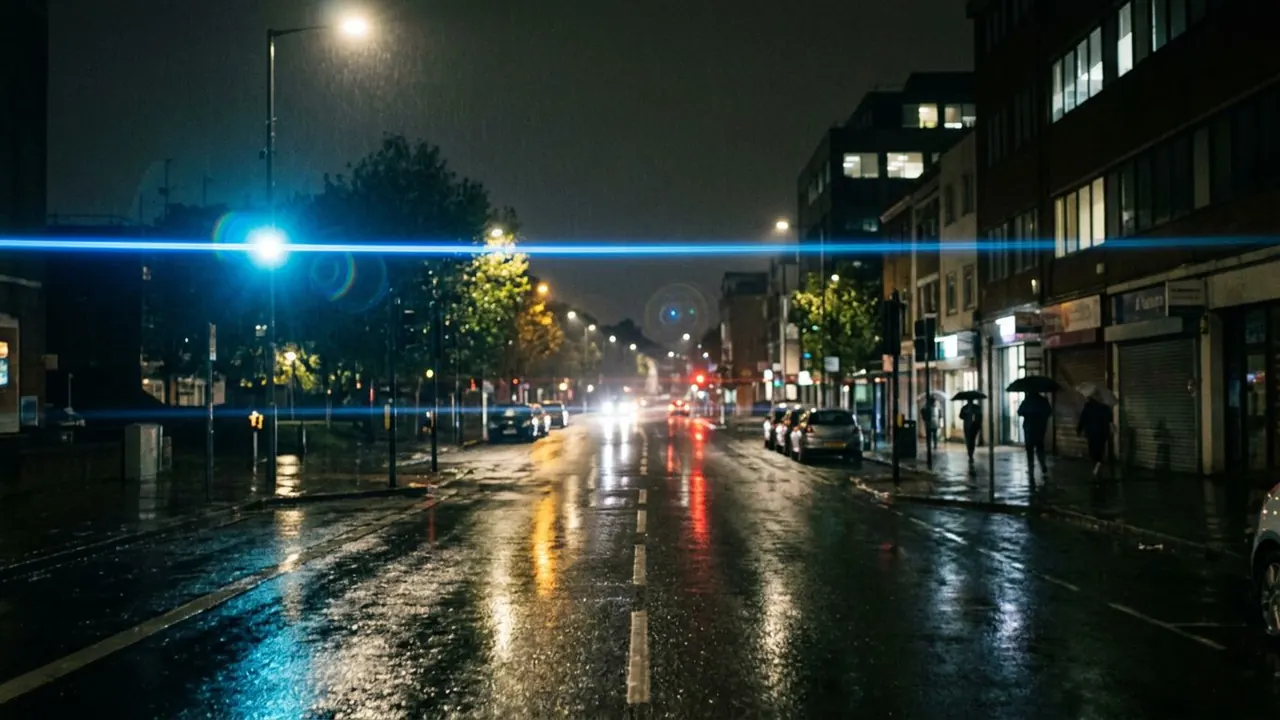
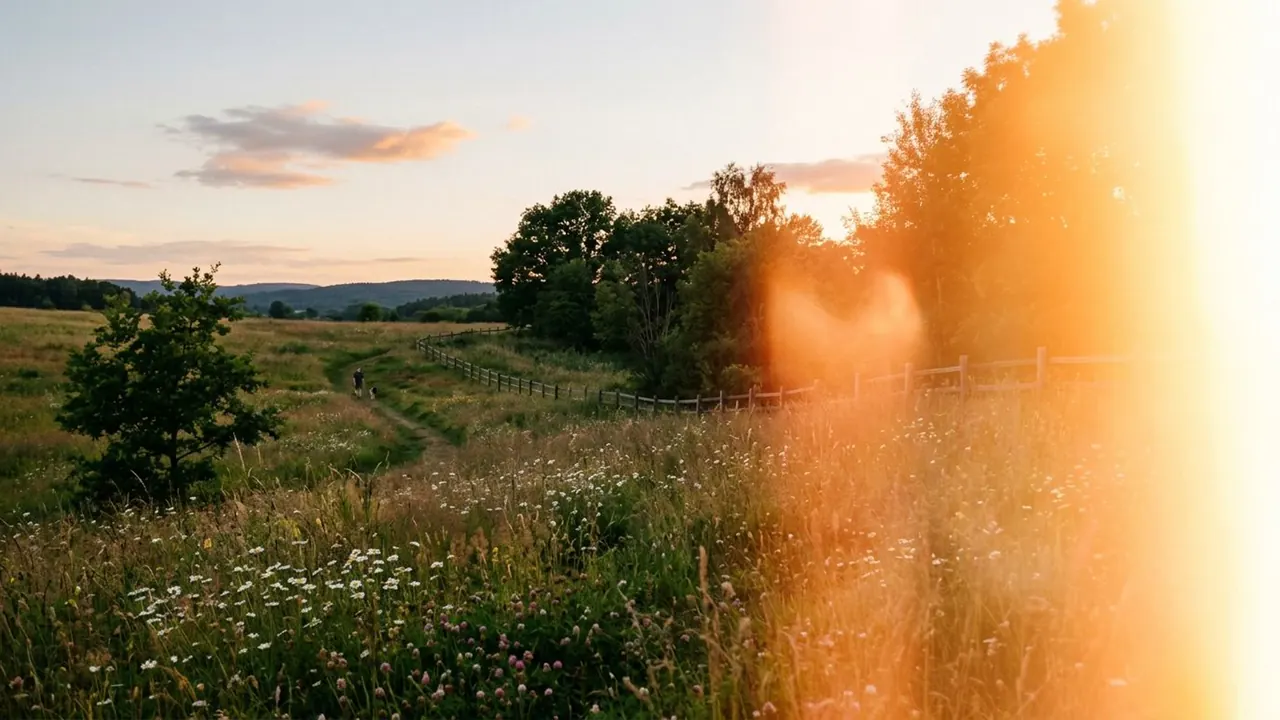
Lens flare is an artefact of the glass, and it leaves shapes and streaks while the exposure of the scene stays broadly correct. A light flash changes the exposure itself, so the whole frame blows out together.
The test is whether the picture survives. In a flare you can still read the scene around the artefact. In a flash there is nothing left to read for a moment.
The prompt
Replace the blanks, keep the rest. Then run it on a video model.
sudden bright flash across <subject>, exposure blowing out for an instant, detail lost then returning, hard falloff after
What goes wrong
The frame blows out and stays blown out. Say the exposure recovers, and say how quickly, because a flash with no return is an overexposed shot.
The other failure is a slow fade up and down, which reads as a dissolve. Ask for a hard falloff after the burst rather than a gradual one.
Leave out
constant exposure, slow fade
Watch for
Say it recovers. A flash with no return is just an overexposed shot.
Questions
Shoot it
Pay for the one run. No subscription, and the price is on the model page before you sign in.
Next to it in what light does to the glass