Photogrammetry
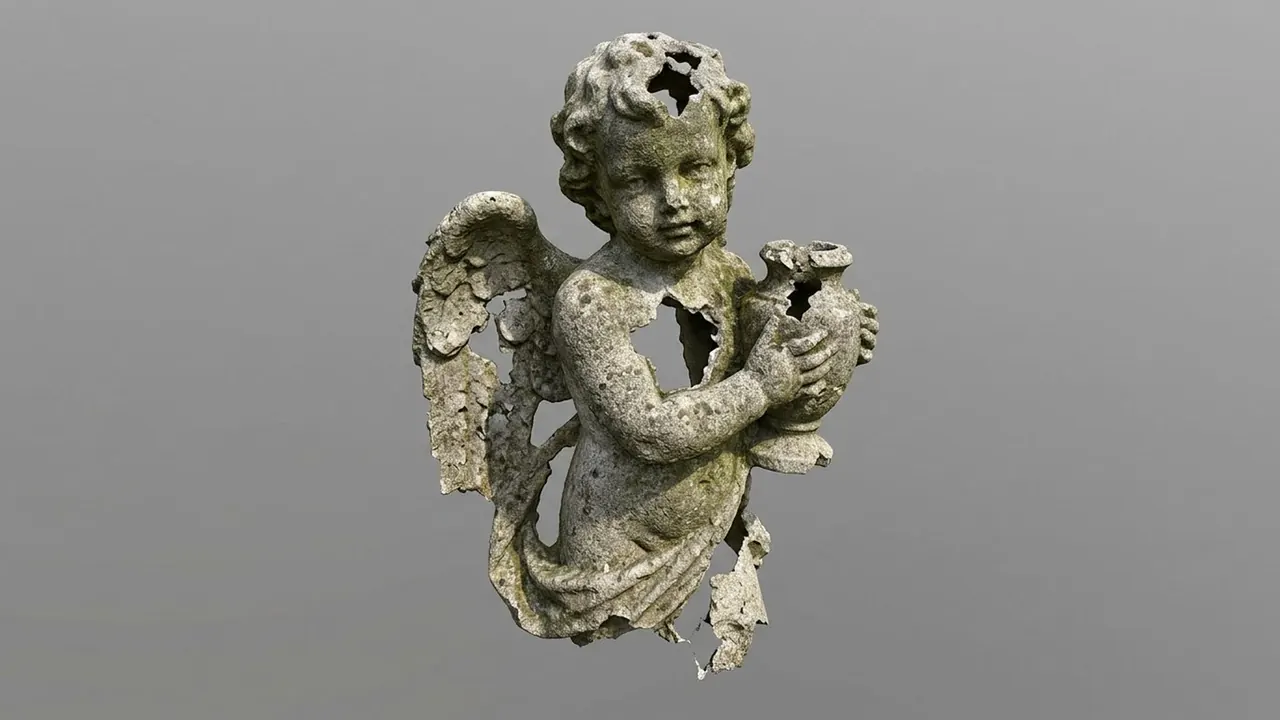
The scene looks scanned and rebuilt, with holes where data was missing.
Opens a video model with the prompt in it. The price is on the page before you sign in.
What it is for
The scene looks measured rather than photographed. Surfaces are reconstructed from many stills, and the reconstruction carries its own failures: stretched texture, missing patches, fragments floating where nothing was seen.
Those failures are the look. A perfect scan is indistinguishable from ordinary computer graphics, and the errors are what tell the audience that something real was captured and then rebuilt.
How it works
Many overlapping photographs are matched against each other by their features, which gives the position of each camera and a cloud of points in space. The cloud becomes a mesh, and the photographs are projected back onto it as texture.
Anything no camera saw has no data. Undersides, the inside of a doorway and anything behind an object come back as holes, or as texture stretched across a gap in long smeared triangles.
Moving and shiny things break it completely. Water, glass, leaves in wind and a person who shifted between frames all produce noise, floating fragments and surfaces that bulge where the solver could not agree.
When to use it
Use it when the point is that something has been captured and reconstructed: a memory, a crime scene, a simulation, a place that no longer exists.
Leave it out when the environment has to feel present and solid. A scan reads as a record of a place rather than as the place itself.
Told apart from its neighbours
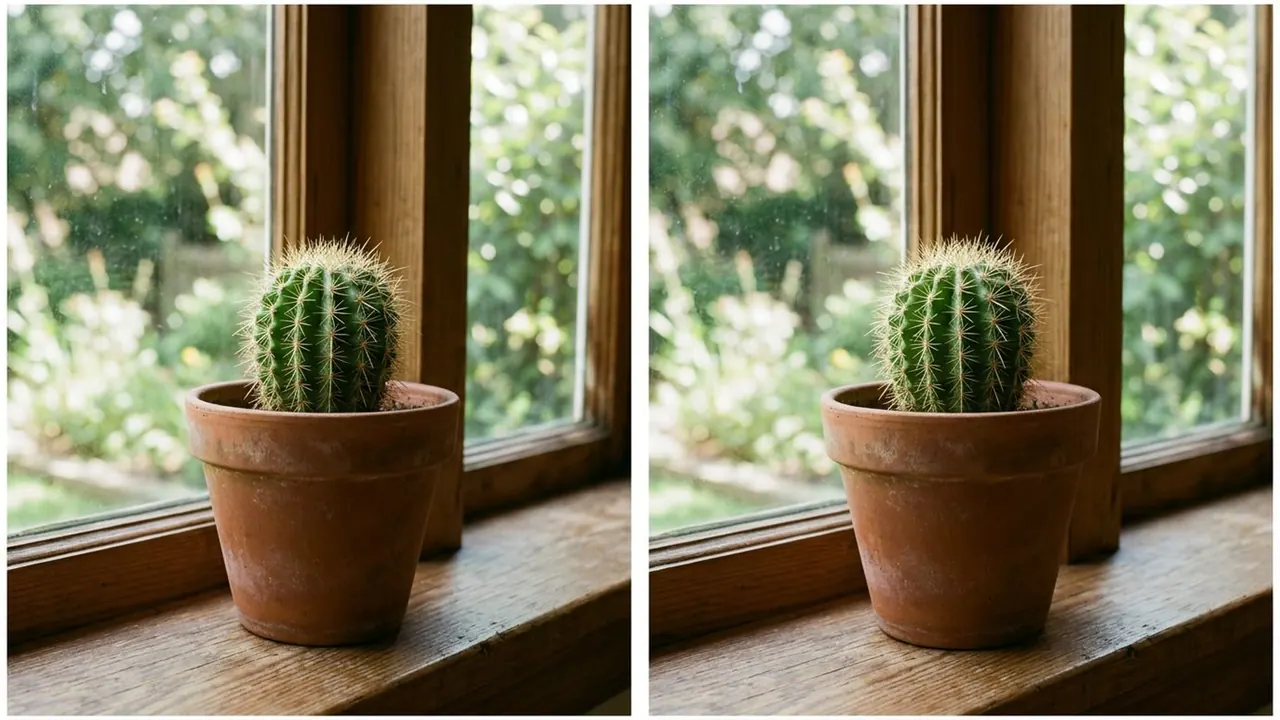
A diorama look makes a real scene appear to be a small model, usually through a very shallow band of focus and heightened colour. The geometry is untouched and the picture stays photographic.
Photogrammetry alters the geometry itself and leaves holes in it. The test is whether the surfaces are intact. A diorama has clean surfaces at a strange scale, and a scan has broken surfaces at the right scale.
The prompt
Replace the blanks, keep the rest. Then run it on a video model.
photogrammetry scan of <subject>, reconstructed geometry, stretched texture over gaps, missing patches, floating fragments at the edges
What goes wrong
The model returns clean computer graphics with no errors in them. Keep the errors, because a perfect reconstruction just looks like 3D. Name the gaps, the stretched texture and the floating fragments.
The second failure is a scan with no lighting baked in. Real photogrammetry carries the light from the day it was captured, including shadows painted onto the surfaces, so ask for the shadows to be part of the texture.
Leave out
clean model, complete surface
Watch for
Keep the errors. A perfect reconstruction just looks like 3D.
Questions
Shoot it
Pay for the one run. No subscription, and the price is on the model page before you sign in.
Next to it in seeing what the eye cannot