Double Exposure
- Cloning
- Split matte
- Superimposition
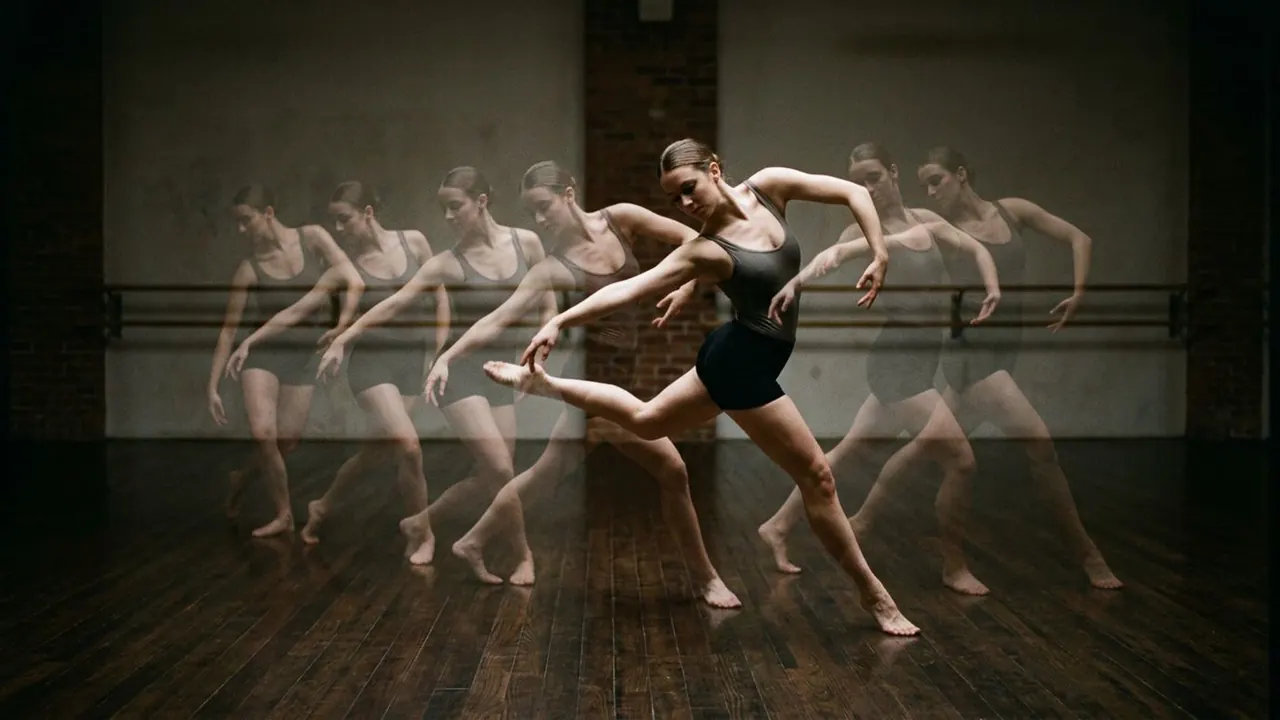
Two images occupy the same frame and show through each other.
Opens a video model with the prompt in it. The price is on the page before you sign in.
What it is for
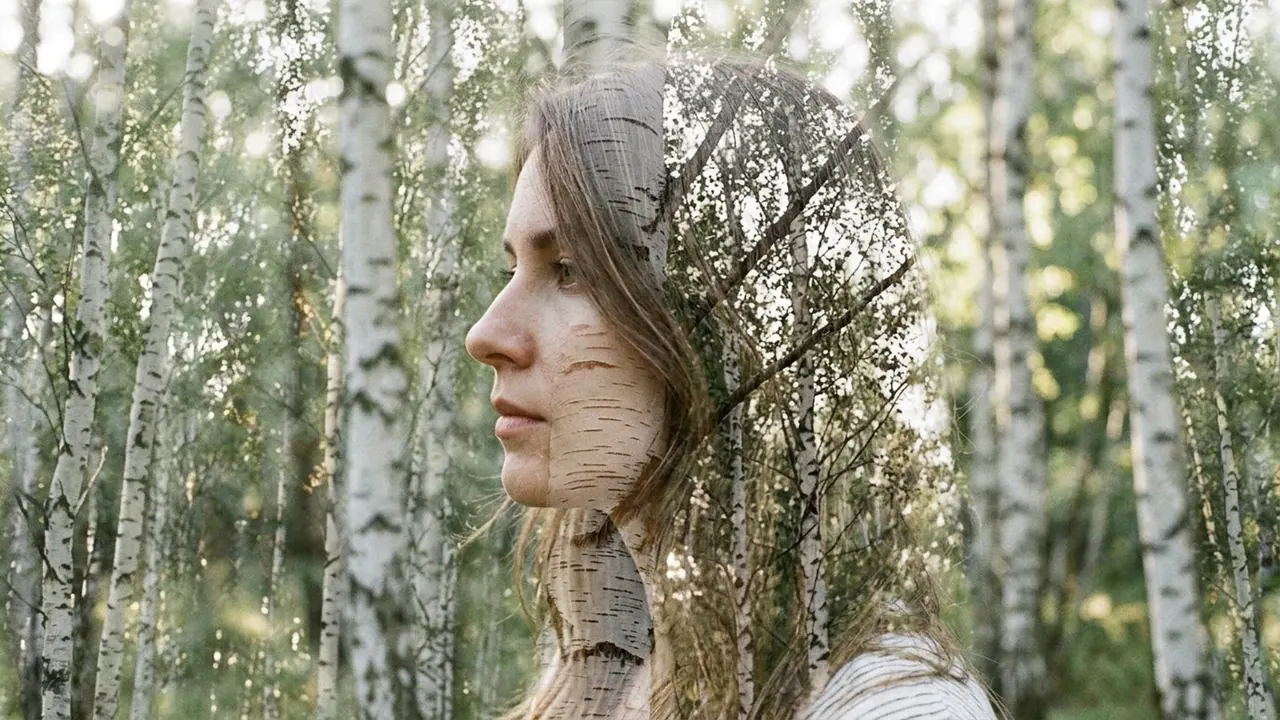
Two pictures share one frame and each one shows through the other. A face and a coastline, a runner and the road behind them, both present at once with neither winning.
The overlap reads as a mind rather than a place. Somebody is thinking about the other image, or carrying it, and the frame says so without a line of dialogue.
How it works
On film the effect came from exposing the same strip of negative twice. The second pass adds light to what the first pass left dark, so the picture builds up in the shadows and blows out where both exposures are bright.
That is the whole rule, and it still governs a generated version. Give one image dark areas for the other to sit in. A face lit against black takes a landscape well, because the landscape lands in the black and leaves the lit cheek alone.
Colour helps the eye separate the layers. Two images in different colour ranges read as two images. Two images in the same grey read as one muddy one.
When to use it
Use it for memory, for a place somebody cannot leave behind, and for title cards where a face and a setting have to arrive together.
Leave it alone when the audience has to read detail in either image. Both halves lose contrast, so an overlap is the wrong place to put a face somebody has to recognise or text they have to read.
Told apart from its neighbours
A dissolve is the same overlap in motion, held for a second while one shot replaces another. A double exposure holds both images for the length of the shot and never resolves to one.
The test is what happens next. If the frame is heading toward a single image, that is a dissolve. If both images are still there at the cut, it is a double exposure.
On film
The Parent Trap (1961) put Hayley Mills opposite herself in the same frame, one of the best known technical jobs of its day. Adaptation (2002) does the same for Nicolas Cage as two brothers, with the camera moving and the two performances holding their eyelines across the join.
- The Parent Trap (1961)
- Adaptation (2002)
- The Shining (1980)
The prompt
Replace the blanks, keep the rest. Then run it on a video model.
double exposure of <subject A> and <subject B>, both images overlapping in one frame, one showing through the other
What goes wrong
The model returns one image with a faint ghost of the other, or two pictures side by side. Say both images overlap in the same frame and that one shows through the other.
The second failure is mud. If both layers are mid grey everywhere, neither reads. Give one layer its darks, as the note says, and name which one is the bright one.
Leave out
single image, split screen
Watch for
Let one image be dark where the other is bright. That is what makes both readable.
Questions
Shoot it
Pay for the one run. No subscription, and the price is on the model page before you sign in.
Next to it in two images in one frame