Lens Flare
- veiling flare
- ghost flare
- anamorphic streak
- rainbow flare
A bright light hits the glass and throws artefacts across the frame.
Opens a video model with the prompt in it. The price is on the page before you sign in.

What it is for
A bright source hits the front element and light scatters inside the lens instead of forming an image. The artefacts it leaves are evidence that a real camera was pointed at a real light.
That evidence is why the effect survived from a defect into a style. A frame with flare in it reads as photographed, and a clean frame reads as made.
How it works
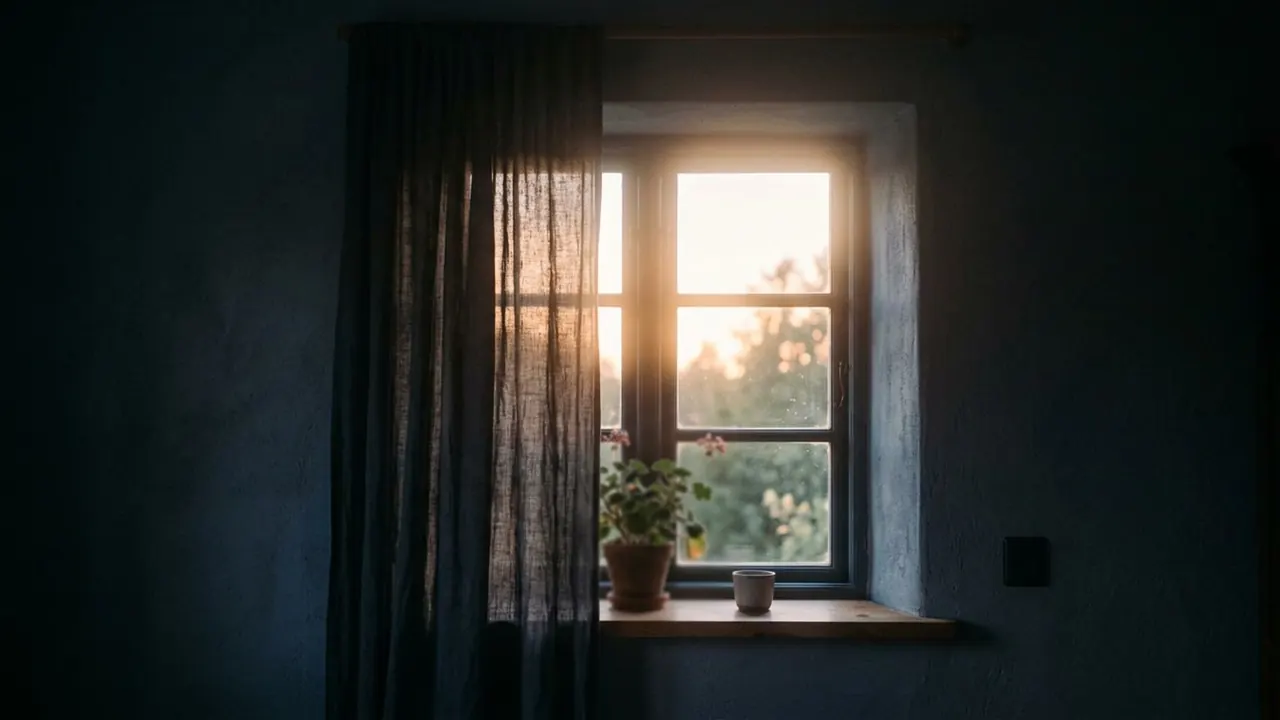
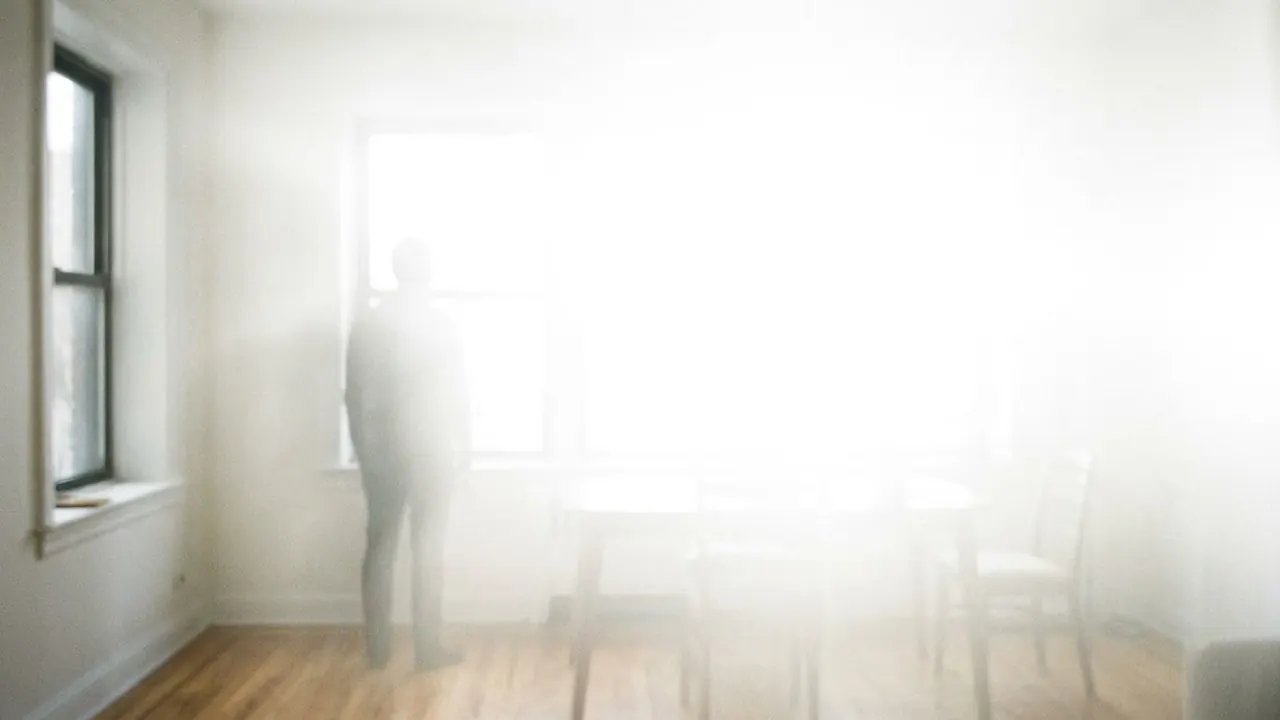
Two things happen at once. Ghosts are reflections between the glass elements, and they appear as a row of shapes on the line running from the source through the centre of the frame. Veiling glare is scattered light spread across the whole image, and it lifts the blacks toward grey.
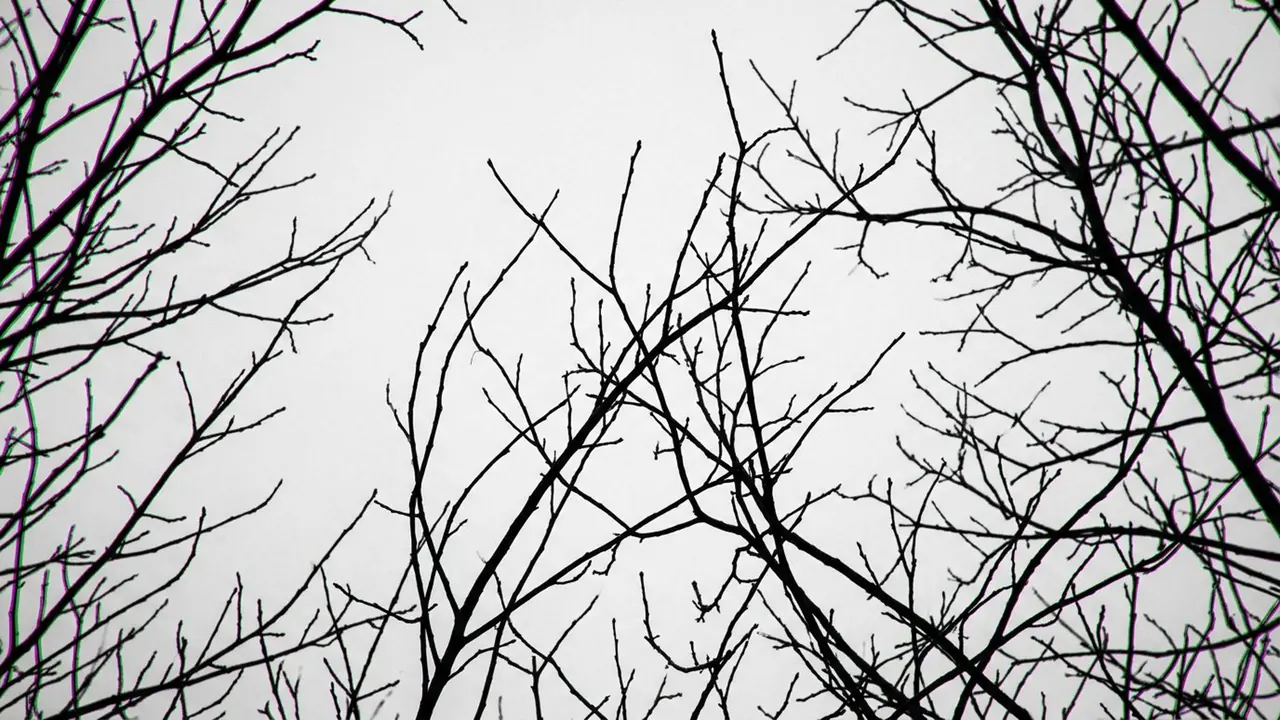
Coatings decide how much of it you get. Modern multi coated lenses suppress most flare, and older or uncoated glass throws a lot. Taking the hood off gives you more of both.
The ghosts move as the geometry moves. Pan the camera and they travel across the frame in the opposite direction to the source, which is the detail that separates a real flare from a graphic laid over the shot.
When to use it
Use it when a light source is part of the scene: sun through a window, headlights, a practical lamp in frame. It also helps sell a handheld or documentary feel.
Leave it out when the shot has to stay readable. Veiling glare eats contrast, so a flare across a face costs you the expression.
Told apart from its neighbours
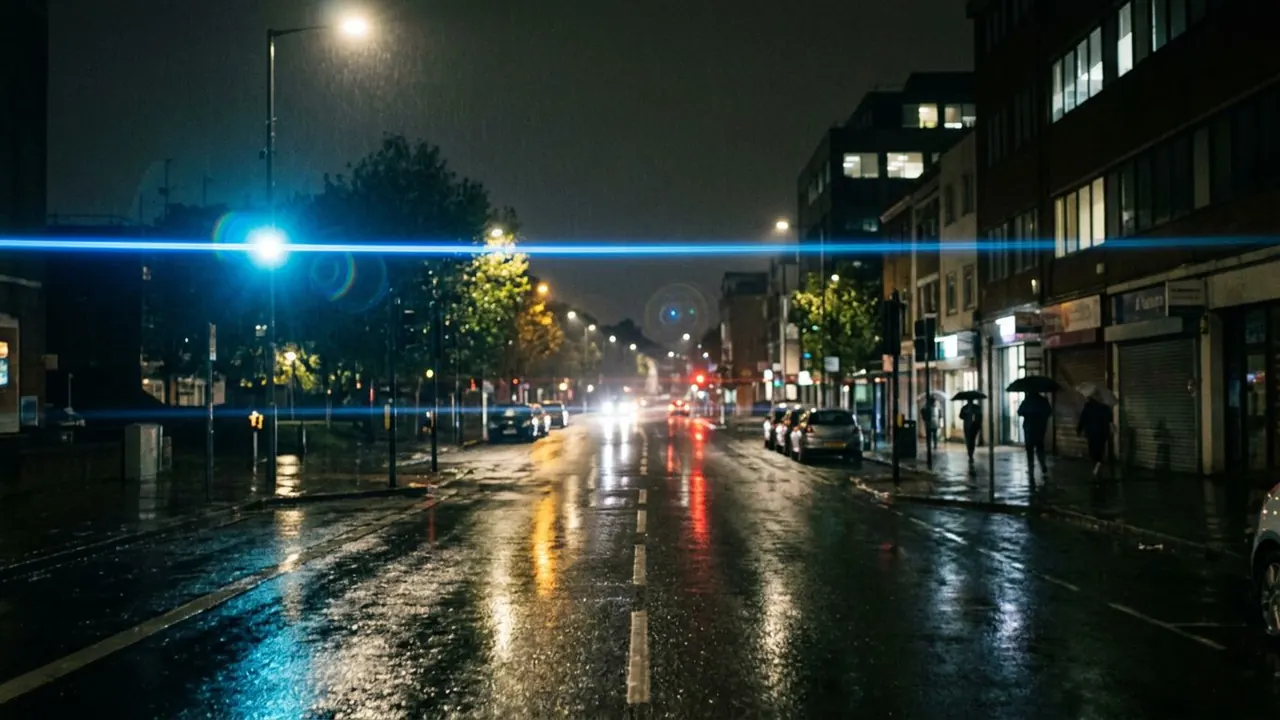
An anamorphic flare is one particular kind of flare, produced by the oval front element of an anamorphic lens. It renders as a single long horizontal streak rather than as a row of ghosts.
The test is the shape. Round or polygonal artefacts marching across the frame are ordinary flare. A blue line running edge to edge is anamorphic.
On film
Douglas Trumbull and Vilmos Zsigmond used flare through Close Encounters of the Third Kind (1977) so that the lights approaching the camera behave like something the lens is struggling to contain. J.J. Abrams pushed the same idea to its limit on Star Trek (2009), where flares cross almost every interior, and he later said publicly that he had overdone it.
- Close Encounters of the Third Kind (1977)
- Star Trek (2009)
The prompt
Replace the blanks, keep the rest. Then run it on a video model.
lens flare across <subject>, bright source just in frame, flare elements tracking across the glass, veiling glare lifting the shadows
What goes wrong
The flare arrives fixed to the frame, sitting in the same place while the camera moves. Ask for the flare to track as the camera or the light moves, because a fixed flare looks stuck on.
The second failure is a flare with no cause. Put the bright source in frame or just outside it, and say where it is.
Leave out
no source, flat contrast
Watch for
The flare must track as the camera or the light moves. A fixed flare looks stuck on.
Questions
Shoot it
Pay for the one run. No subscription, and the price is on the model page before you sign in.
Next to it in what light does to the glass