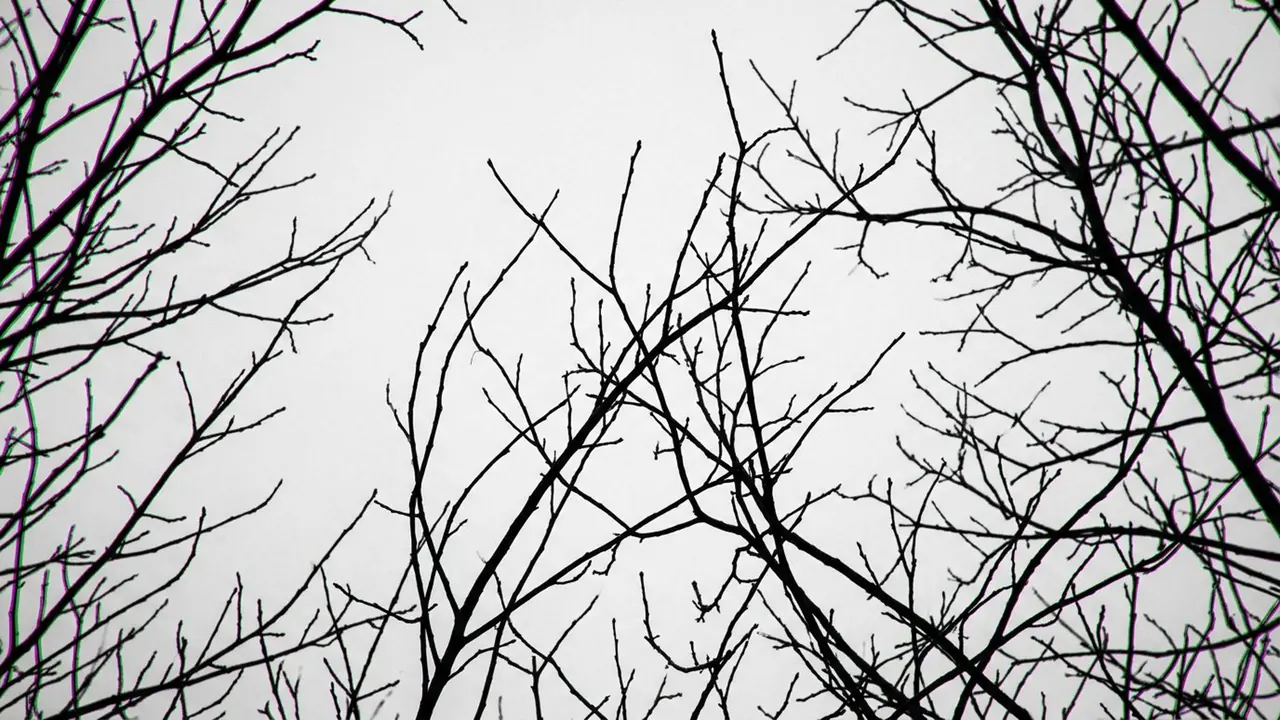
Vignette
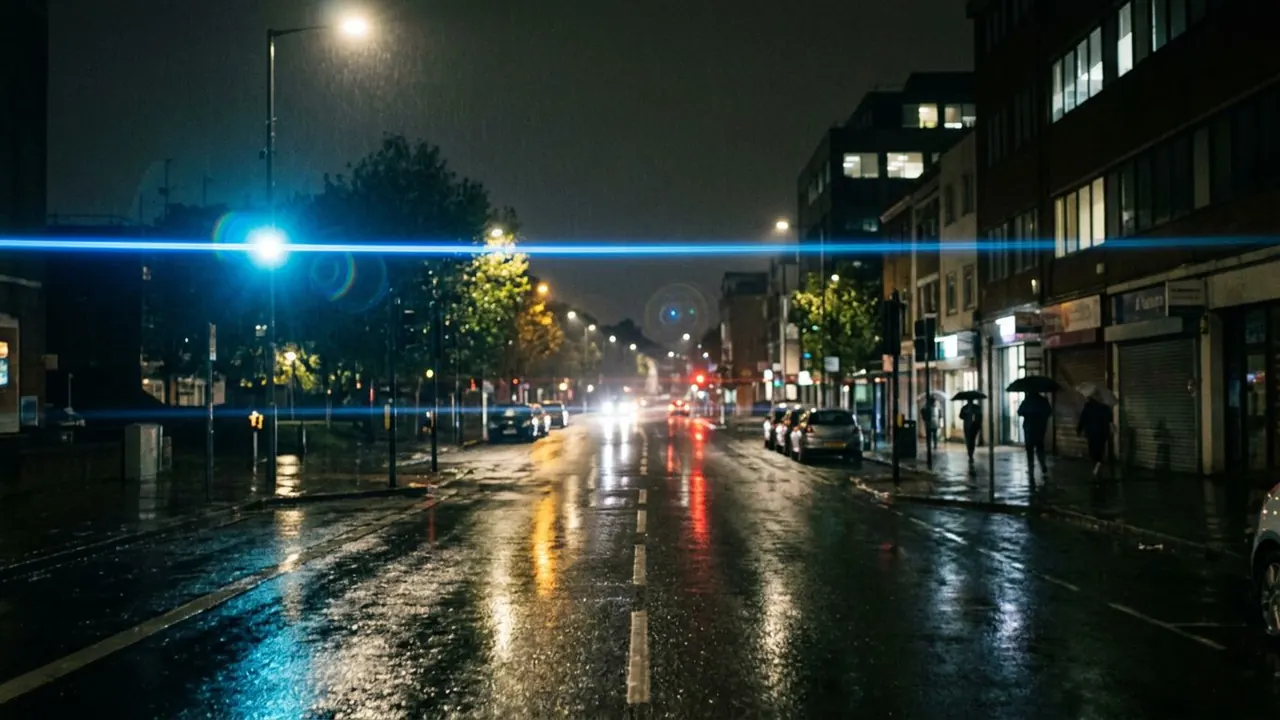
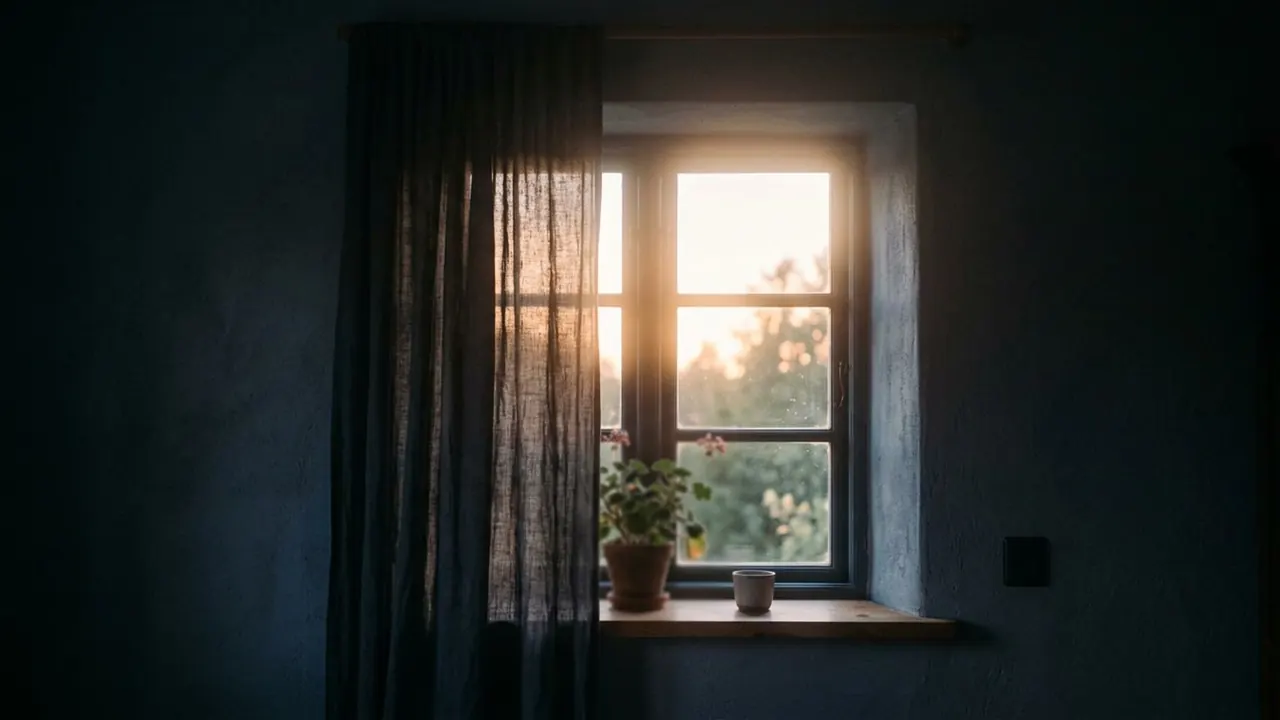
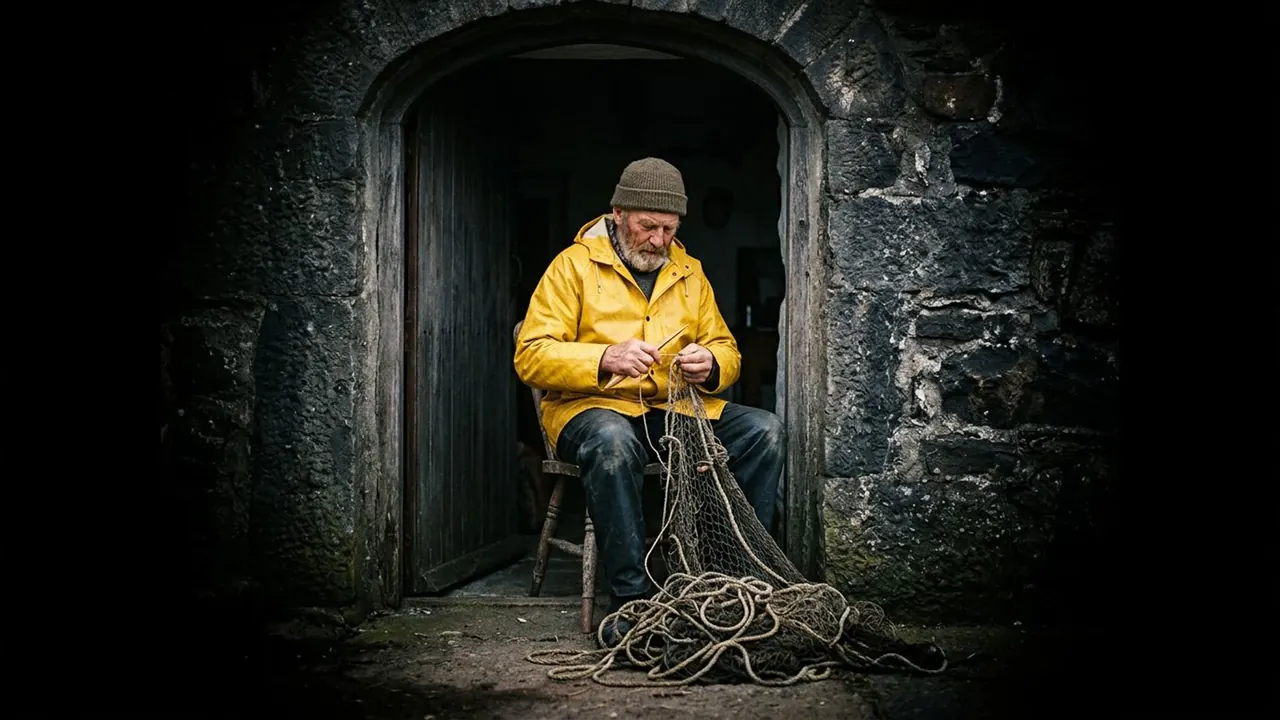
The frame darkens toward its corners.
Opens a video model with the prompt in it. The price is on the page before you sign in.
What it is for
The corners fall darker than the centre, so the eye is held where the picture is brightest. It is the quietest way to compose a frame after it is shot.
It also carries age. Older and faster glass vignettes more, so the darkening reads as an older camera even when nothing else in the shot does.
How it works
Natural falloff is optical. Light reaching the corner of the frame arrives at an angle and travels further, and the result follows a steep curve, so the corners darken well before the sides do.
Mechanical vignetting is something physically in the way: a hood built for a longer lens, a stack of filters, a matte box set too close. That kind has a harder edge and can clip the corners outright.
Wide lenses and wide apertures show more of it. Stopping down reduces natural falloff, which is why a vignette asked for at f/16 has to be added rather than captured.
When to use it
Use it to hold attention in the centre of a busy frame, to age footage, and to seat a subject that would otherwise float on an even background.
Skip it when the corners carry information. A vignette buries whatever is out there, which is a problem in a wide shot that the audience is meant to read across.
Told apart from its neighbours
Cameo lighting produces a lit subject against a black surround by controlling the light itself. The background goes dark across the whole frame, including the middle of each edge.
The test is the sides of the frame. A vignette leaves the middle of each edge brighter than the corners, because the falloff is radial. Cameo lighting has no such pattern, since the darkness comes from an absence of light rather than from the lens.
The prompt
Replace the blanks, keep the rest. Then run it on a video model.
<subject> with a vignette, corners falling darker, attention held to the centre, gradual falloff
What goes wrong
The result comes back with a hard circular edge, which is a mask. Keep the falloff gradual, and say it fades in over a wide band rather than stopping at a line.
The other failure is a vignette so heavy the corners go to pure black. Give it a strength, such as one stop down at the corners, so the model has a target.
Leave out
even exposure, hard mask
Watch for
Keep the falloff gradual. A hard edge is a mask, not a vignette.
Questions
Shoot it
Pay for the one run. No subscription, and the price is on the model page before you sign in.
Next to it in what light does to the glass