Duplication
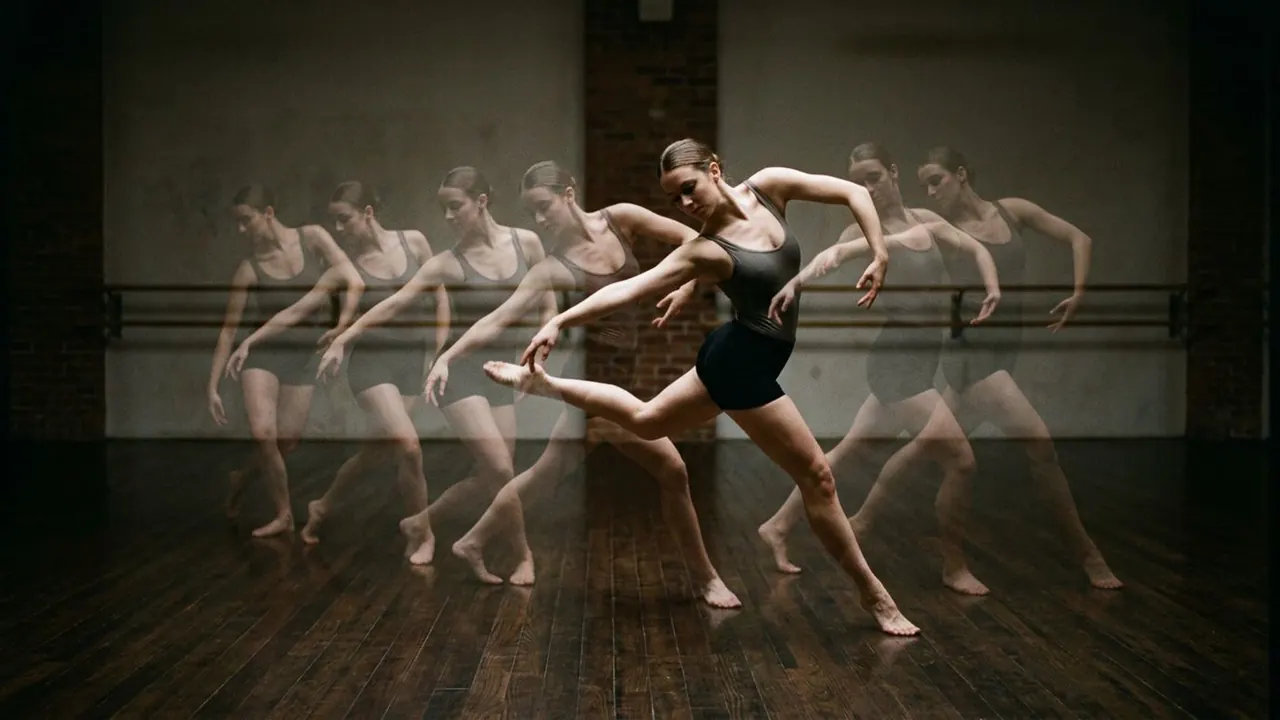
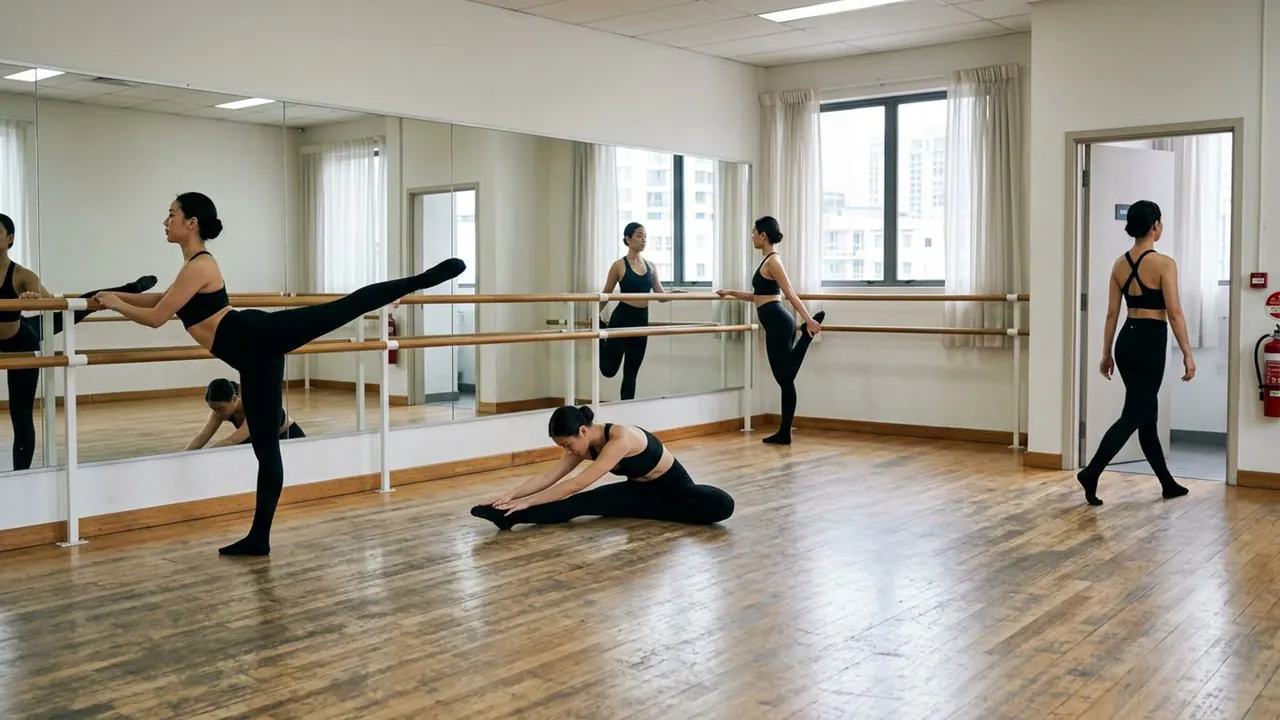
The same person appears more than once in one frame.
Opens a video model with the prompt in it. The price is on the page before you sign in.
What it is for
The same person stands in frame twice. Twins, a double, a self that argues with itself, and the audience reads it as one performer doing two jobs.
It is a different claim from a trick with light. Duplication asks to be believed as a solid fact of the scene, which is why the seam matters more than the idea.
How it works
Two passes of the same shot with a locked camera, then one image cut into the other along a line that hides in the set. Motion control repeats the move exactly so the camera can travel and the two passes still line up.
Light is what gives it away. Both copies have to sit under the same key from the same angle, with the same shadow direction and the same fall-off. A half stop of difference between the two halves reads as a composite before anyone can say why.
Contact between the copies is the hard part. A handshake or a shove crosses the seam, so those moments are staged with a double whose face never shows.
When to use it
Use it for twins, for a character meeting themselves, and for anything where two versions of a person have to occupy real space at once.
Skip it when the two copies never interact. A cut between two singles does the same work with none of the matching problems.
Told apart from its neighbours
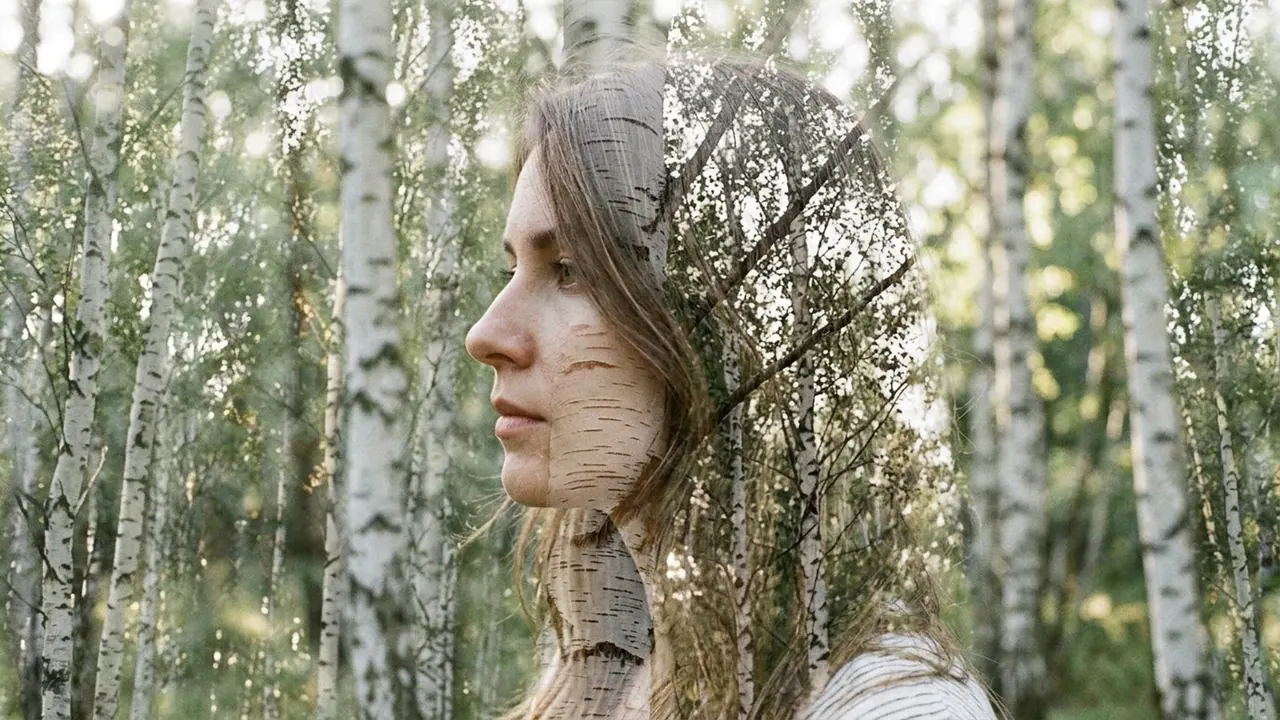
A double exposure lets both images show through each other. In a duplication each copy is solid, and one occludes the other where they overlap.
The test is transparency. If you can see the wall through either figure, it is a double exposure.
On film
Dead Ringers (1988) puts Jeremy Irons opposite himself through a whole film, with motion control letting the camera move while both passes hold. The Social Network (2010) does it with face replacement so that one actor plays both Winklevoss twins in the same rowing boat.
The prompt
Replace the blanks, keep the rest. Then run it on a video model.
<subject> appearing twice in the same frame, two copies in one shot, matched lighting on both, no seam between them
What goes wrong
Two figures come back that do not look like the same person. Describe the person once, in detail, and say both copies are identical in face, build and clothing.
The other failure is mismatched light, exactly as the note warns. Name the key and its direction so both copies inherit it, and say the shadows fall the same way on each.
Leave out
single figure, split screen
Watch for
Match the lighting on every copy. A mismatch gives the composite away.
Questions
Shoot it
Pay for the one run. No subscription, and the price is on the model page before you sign in.
Next to it in two images in one frame