Wigglegram
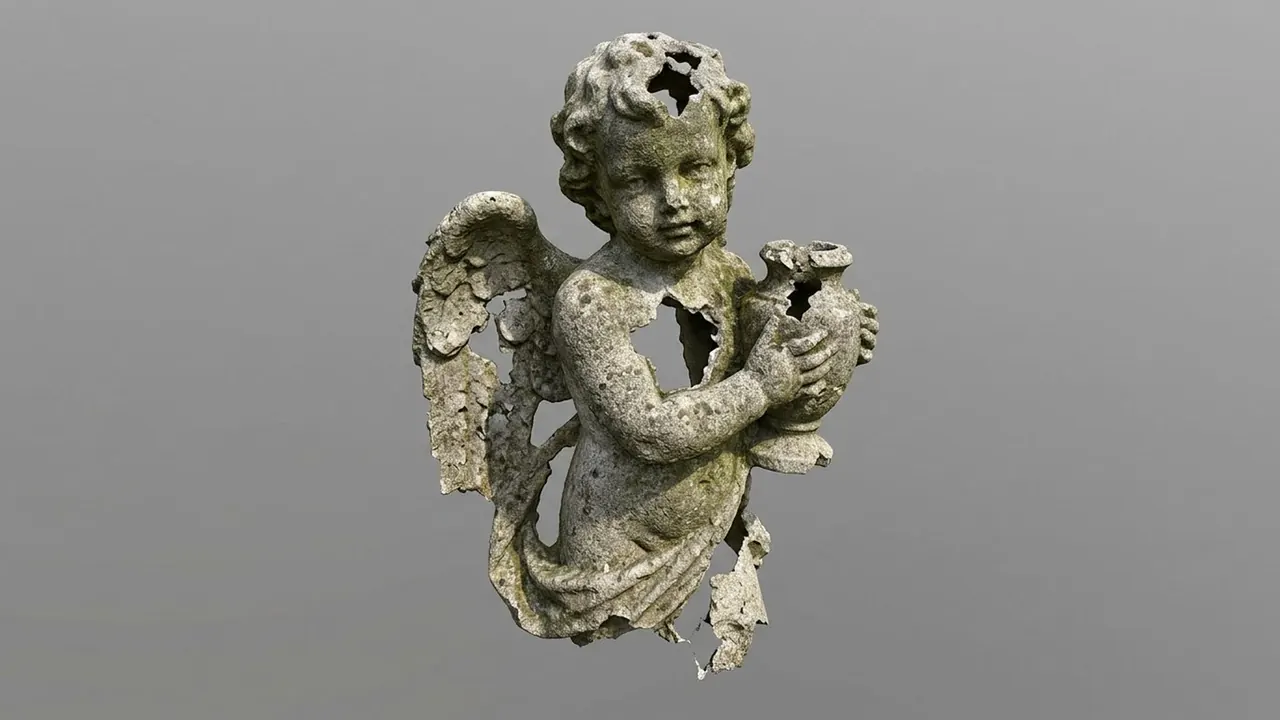
Two slightly offset views alternate, so the image appears to have depth.
Opens a video model with the prompt in it. The price is on the page before you sign in.
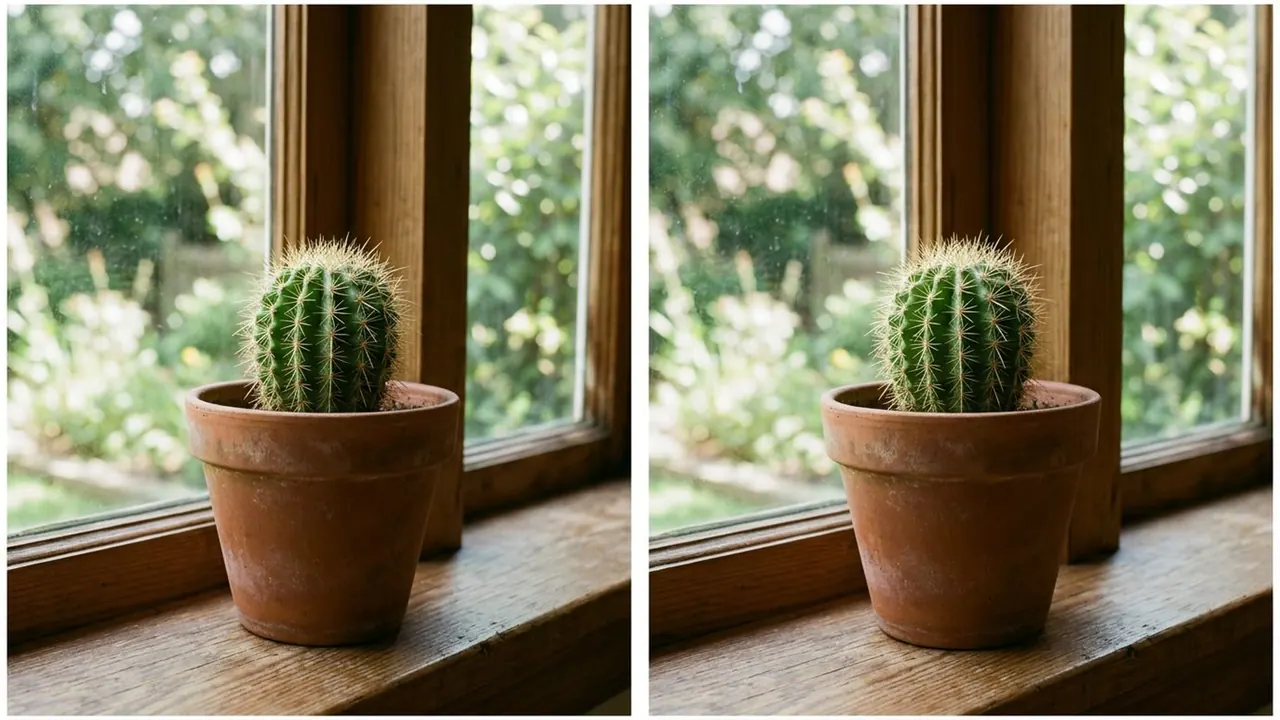
What it is for
Two slightly different views of the same moment alternate, and the brain reads the shift as depth. The picture appears to have volume on a flat screen, with no glasses and no headset.
The effect is unstable on purpose. It never quite settles, which is why it reads as a memory or a fragment rather than as a clean recording.
How it works
The images are captured from two or more positions a few centimetres apart, at the same instant. Cameras built for it carried several lenses in a row, and modern versions use a lens array or two phones fired together.
Playback alternates between the views. Near objects move a long way between frames and far objects barely move at all, and that difference in parallax is the entire source of the depth.
The pivot has to sit on the subject. Whatever stays still between the two views reads as the plane the viewer is standing at, so aligning them on the subject keeps it stable while the world moves around it.
When to use it
Use it for portraits, for objects on a table, and for anything meant to feel like a captured moment being turned over. It suits short loops.
Skip it for action. The alternation fights real movement, and a subject that moves on its own turns the shift into a stutter.
Told apart from its neighbours
Parallax is the underlying fact that near things move more than far things when the viewpoint changes, and it appears in any camera move. A dolly shot has parallax and is not a wigglegram.
A wigglegram is one narrow use of that fact: two fixed viewpoints alternating rather than a camera travelling. The test is whether the viewpoint moves continuously or jumps between two positions.
The prompt
Replace the blanks, keep the rest. Then run it on a video model.
<subject> shot from two slightly offset positions alternating, parallax between near and far, depth from the shift, subject nearly still
What goes wrong
The offset comes back too large, so the result reads as a camera move rather than as depth. Keep it small, a few centimetres of separation and no more.
The second failure is a subject that moves between the views. Say the subject is nearly still, so the only change between frames is the viewpoint.
Leave out
single viewpoint, camera movement
Watch for
Keep the offset small. A large one reads as a camera move instead of depth.
Questions
Shoot it
Pay for the one run. No subscription, and the price is on the model page before you sign in.
Next to it in seeing what the eye cannot