Echo Print
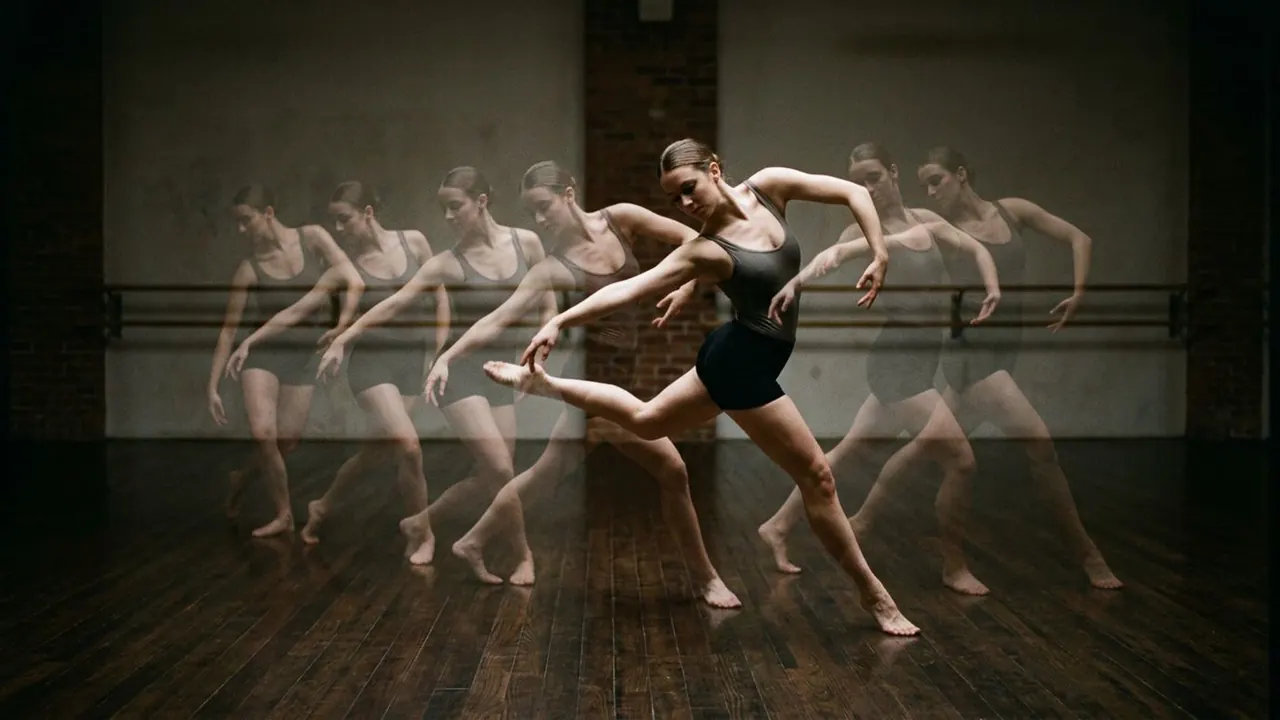
Moving figures leave repeated trailing copies behind them.
Opens a video model with the prompt in it. The price is on the page before you sign in.
What it is for
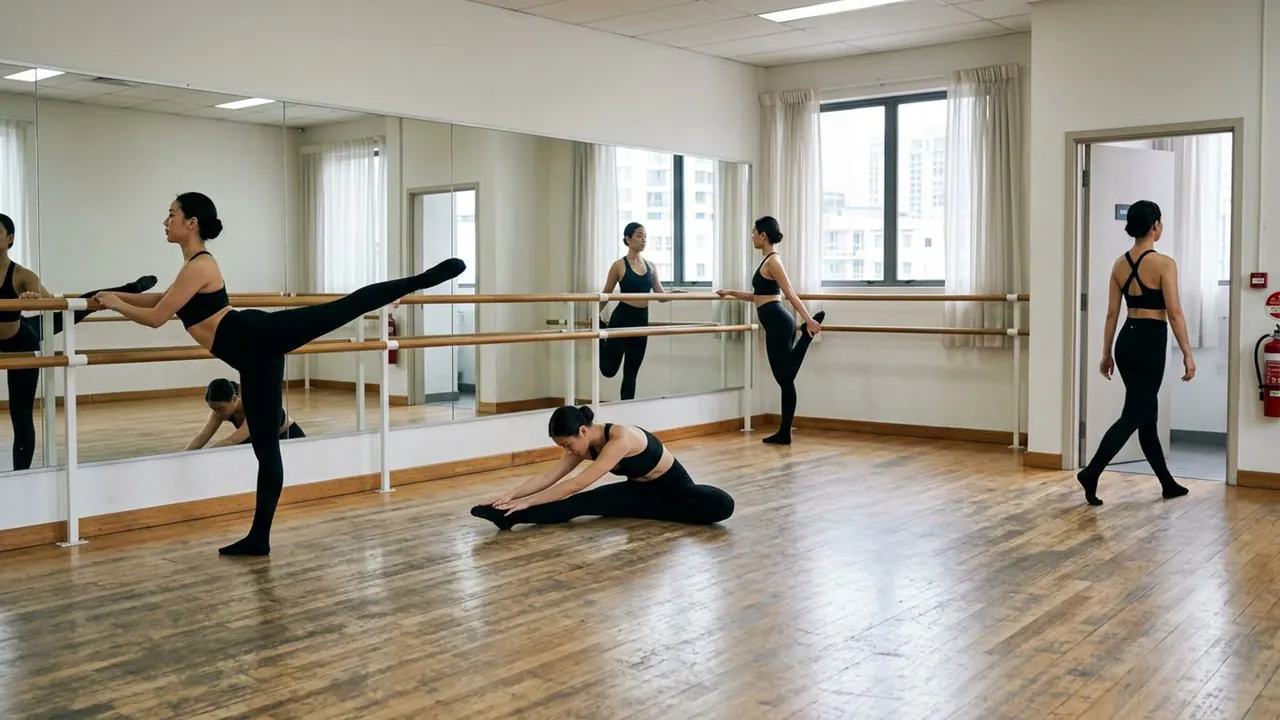
A moving figure leaves copies of itself behind, each one fainter than the one in front. The frame holds the last second of movement all at once.
It makes speed visible in a still way. The audience sees where the arm came from, so the gesture reads as a path rather than a position.
How it works
Several frames from the recent past are laid over the current frame at falling opacity. The oldest copy is the faintest, and the gap between copies is set by how many frames back the trail reaches.
The fall-off is what makes it read as motion. Equal opacity gives a row of figures. A steep fade gives a trail with a clear head and a clear tail, so the eye knows which copy is now.
It needs a dark or plain background. Every copy adds brightness, so a busy background turns the trail into noise within three or four steps.
When to use it
Use it for dance, for a punch, for anything where the shape of a movement matters more than its end point.
Leave it out of dialogue and slow action. With little movement the copies stack in the same place and the frame just looks soft.
Told apart from its neighbours
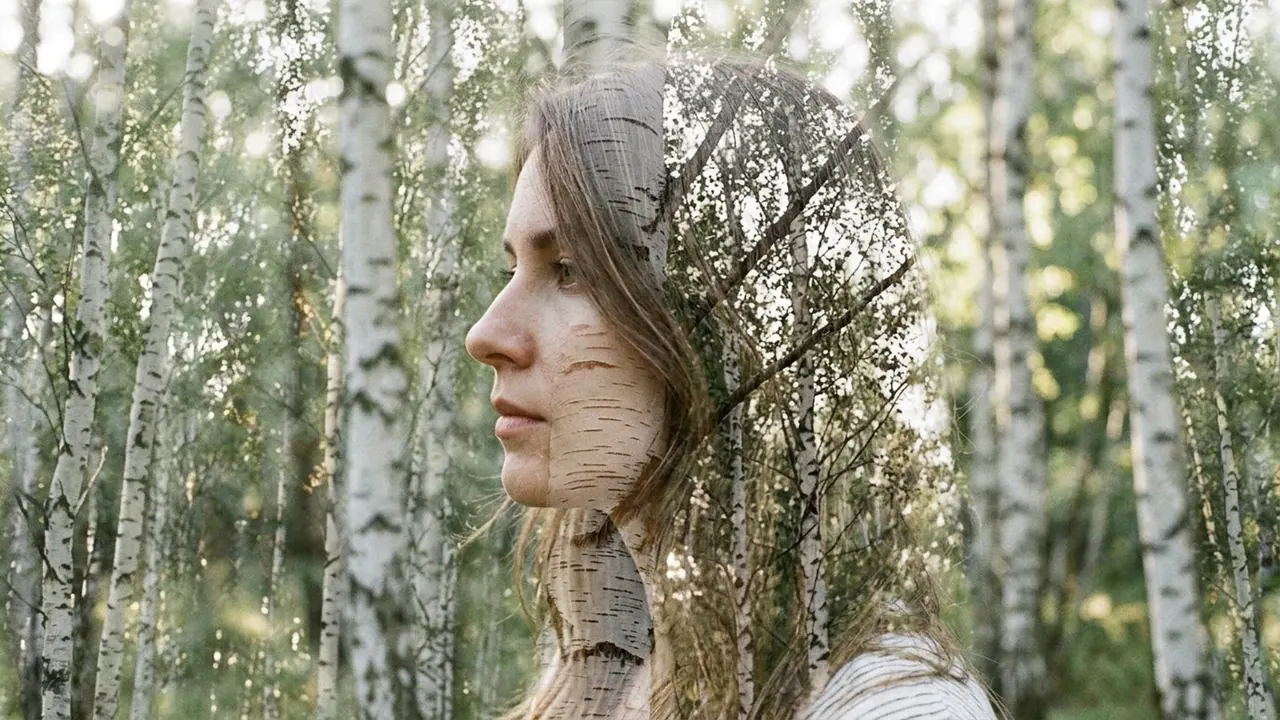
A double exposure holds two different images at once, both of them static in the layer they occupy. An echo print holds one subject at several moments of the same movement.
The test is time. Two subjects from two places is a double exposure. One subject from several instants is an echo print.
The prompt
Replace the blanks, keep the rest. Then run it on a video model.
<subject> moving with repeated echo copies trailing behind, each copy fainter than the last, motion leaving a visible history
What goes wrong
The copies arrive at the same strength, which reads as duplication rather than movement. Fade the trail, as the note says, and state that each copy is fainter than the last.
The second failure is a still subject with a blur on it. Name the movement and its direction so the trail has something to record.
Leave out
clean motion, single figure
Watch for
Fade the trail. Equal copies read as duplication rather than motion.
Questions
Shoot it
Pay for the one run. No subscription, and the price is on the model page before you sign in.
Next to it in two images in one frame