Halation
- Soft filtration
- Highlight bloom
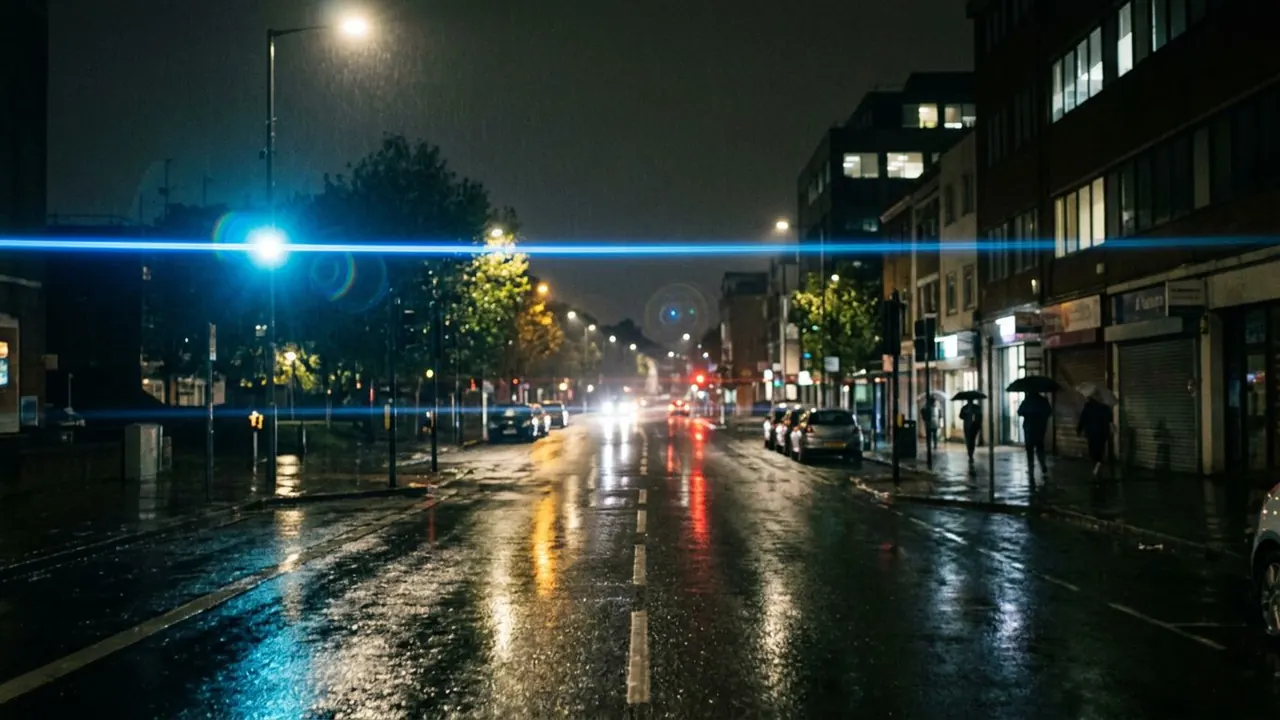
Bright areas bleed a soft glow into what surrounds them.
Opens a video model with the prompt in it. The price is on the page before you sign in.
What it is for
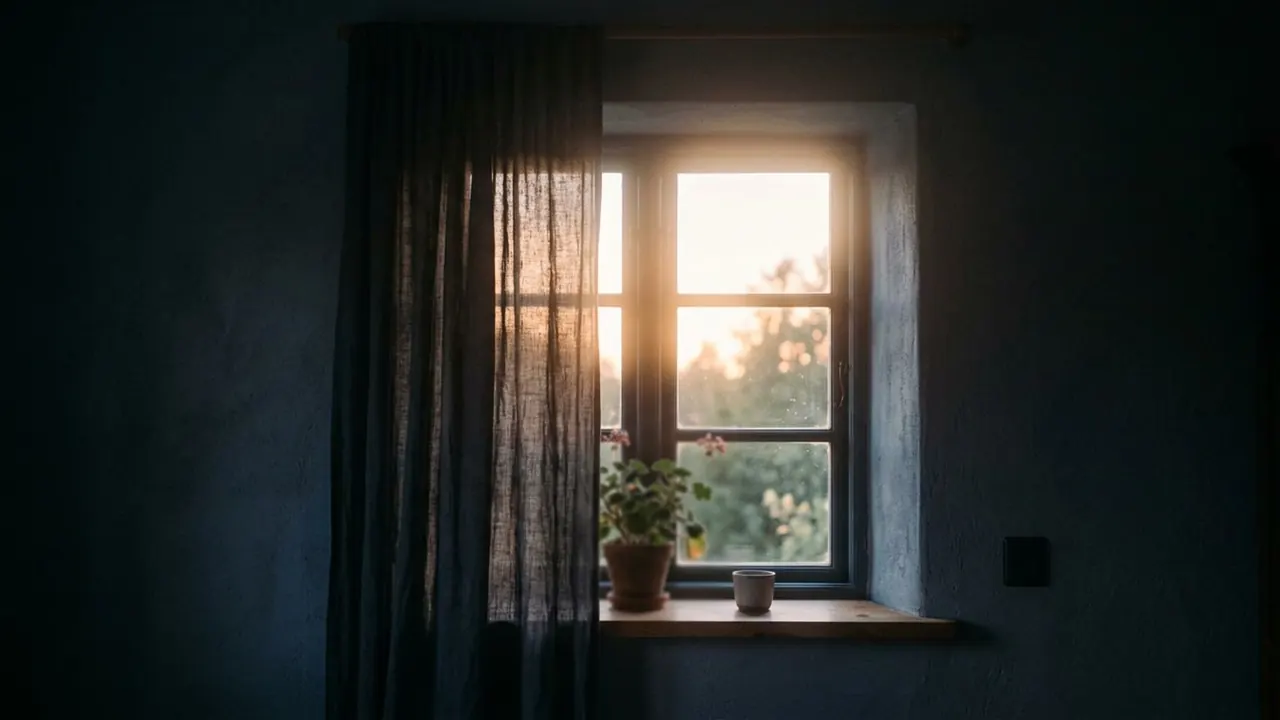
Bright areas bleed past their own edges into a soft glow. Highlights stop being clean shapes and start behaving like light in a room, which is most of what makes film stock look warm.
The glow is strongest where the contrast is highest, so a window, a candle or a street lamp picks up a halo while the rest of the frame stays as it was.
How it works
Light passes through the emulsion, reflects off the back of the film base, and exposes the emulsion a second time around the bright spot. The result is a ring of glow that the lens never put there.
Most stocks carry an anti halation backing to stop exactly this. Removing it is what gives some rephotographed tungsten stocks their heavy red halos, and it is why the glow so often reads as warm.
Digital sensors do not do this on their own. Halation in a digital pipeline is added in the grade, and it is applied to the highlights only, keyed above a brightness threshold.
When to use it
Use it when there are practical lights in frame: candles, windows, bulbs, headlights. It also softens a digital image that reads too clean.
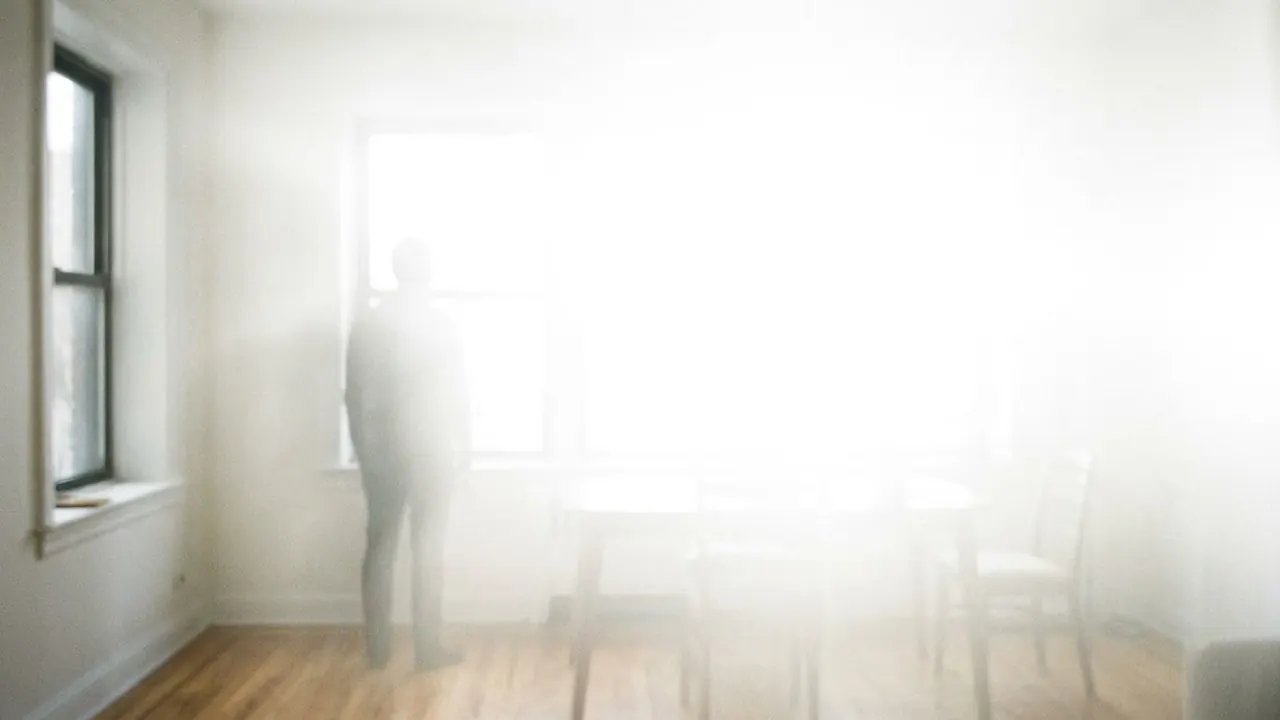
Skip it in a flat lit scene. With no strong highlight there is nothing to bloom, and the effect turns into a general haze over everything.
Told apart from its neighbours
Lens flare happens in the glass, before the image is formed, and it throws ghosts and streaks across the whole frame. Halation happens in the film itself, after the image lands, and it only affects the area immediately around a highlight.
The test is where the artefact sits. Flare travels across the frame in a line from the source. Halation stays wrapped tightly around the bright thing that caused it.
On film
Stanley Kubrick shot the candlelit interiors of Barry Lyndon (1975) on Zeiss lenses fast enough to expose by the candles themselves, and each flame carries a soft halo that spreads into the room around it.
- Barry Lyndon (1975)
The prompt
Replace the blanks, keep the rest. Then run it on a video model.
halation around the highlights on <subject>, bright areas blooming into a soft red-warm glow, light bleeding past its edges
What goes wrong
The whole frame comes back hazy, which is fog rather than halation. Say the glow is confined to the bright areas and that the shadows stay clean.
The other failure is a shot with no highlight at all. It needs a bright source in frame, so name one before you ask for the bloom.
Leave out
hard highlight edges, clean contrast
Watch for
It needs a bright source in frame. Without a highlight there is nothing to bloom.
Questions
Shoot it
Pay for the one run. No subscription, and the price is on the model page before you sign in.
Next to it in what light does to the glass