Symmetry
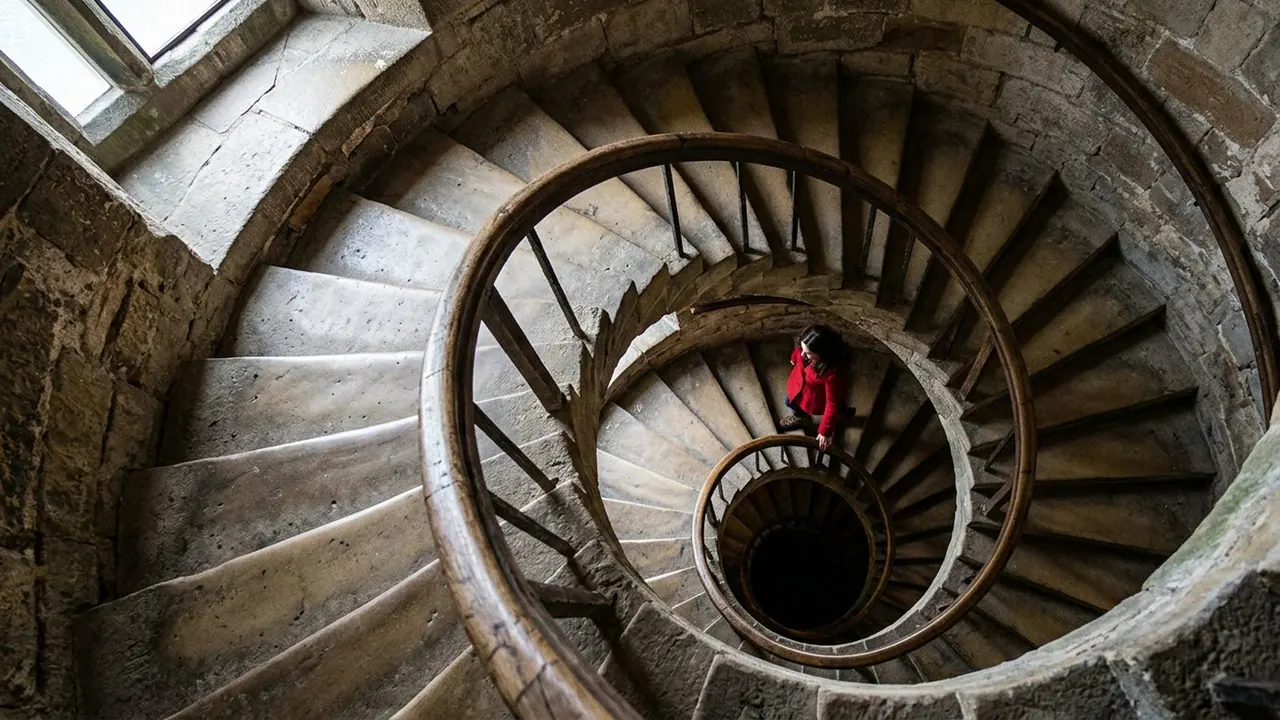
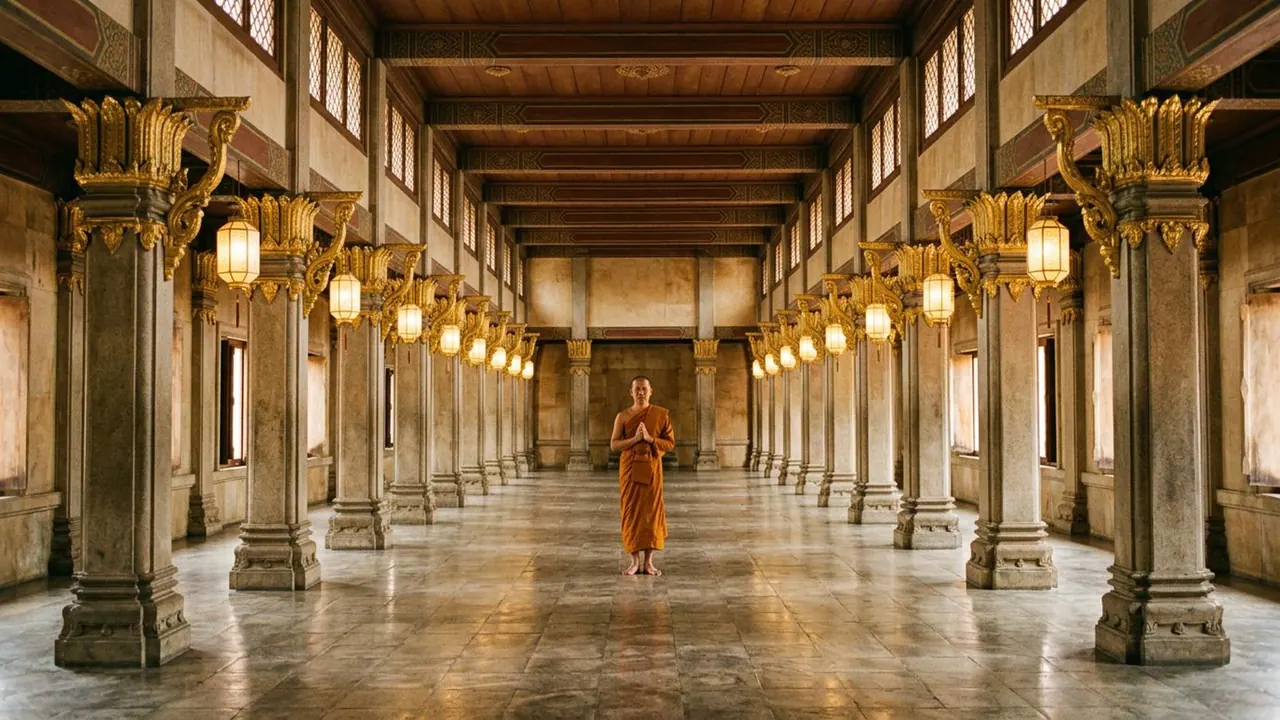
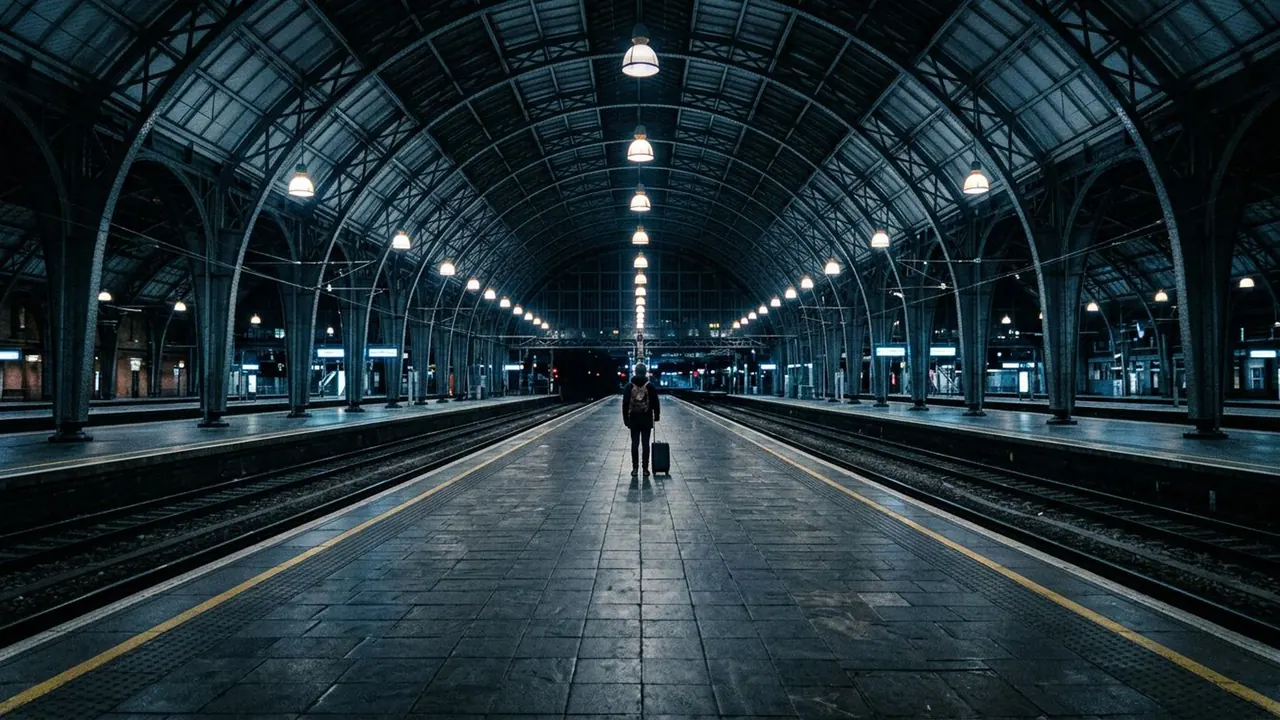
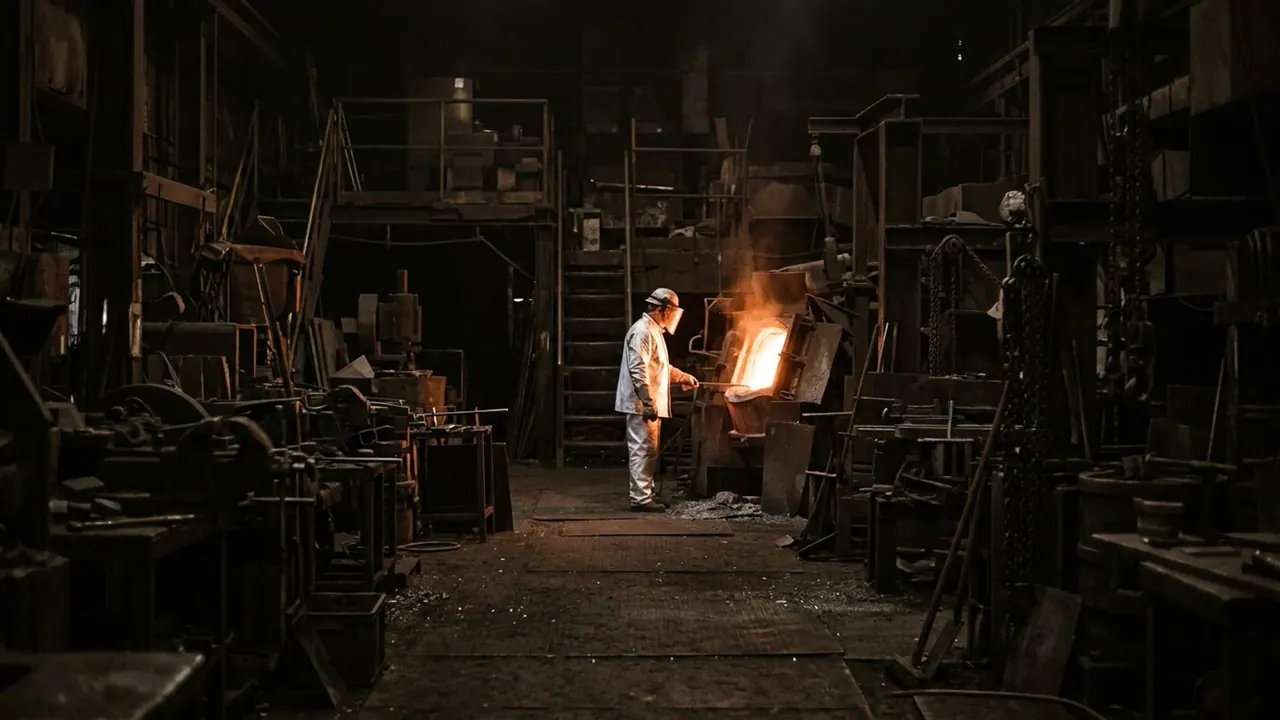
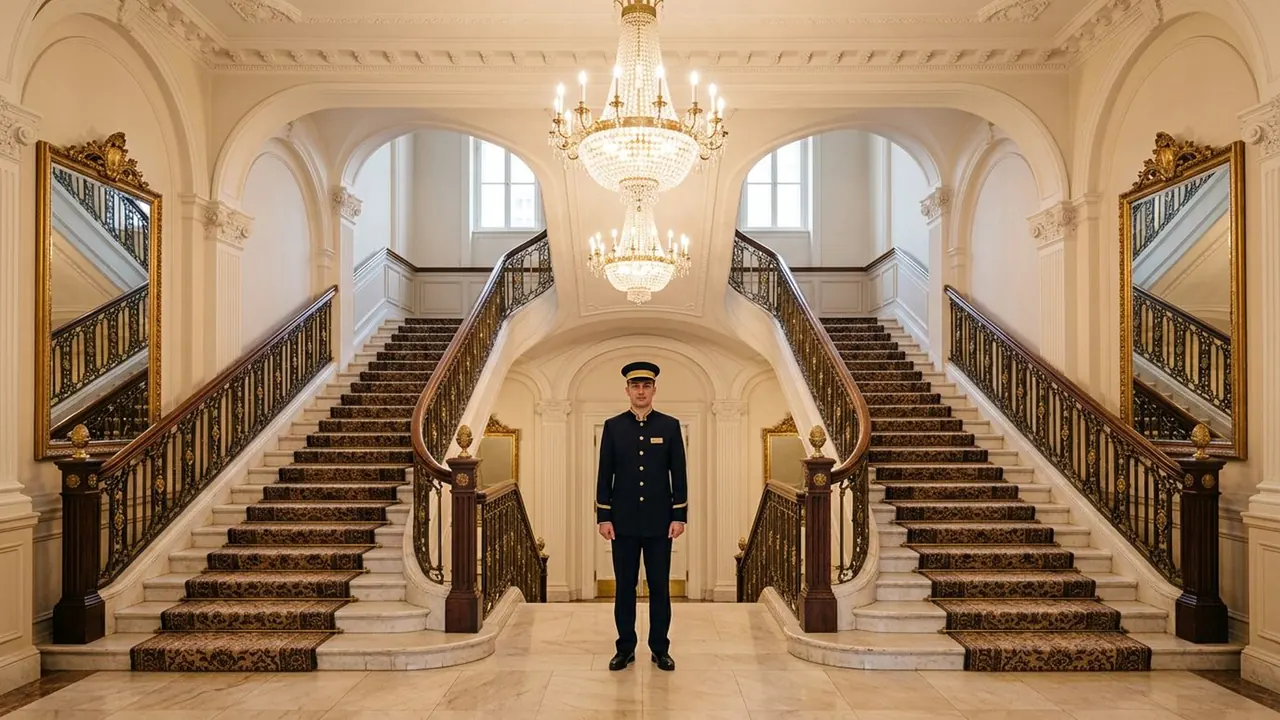
Both halves of the frame mirror each other.
Opens a video model with the prompt in it. The price is on the page before you sign in.
What it is for
Both halves of the frame answer each other, and the result feels ordered to the point of being artificial. Nature is rarely symmetrical, so a symmetrical frame reads as designed.
That artificiality is the tool. Symmetry suits institutions, rituals and anywhere a person is dwarfed by a system, because the frame itself looks like a rule being followed.
How it works
The camera sits on the axis of whatever is symmetrical and squares up to it. A corridor, a facade, a table, a pair of windows. The lens has to be level and centred or the two halves stop matching.
The background carries it. Any imbalance behind breaks the frame, so a lamp on one side and nothing on the other is enough to undo the whole shot.
Perfect symmetry is dull, so most symmetrical frames break once. One person off the axis, one open door, one lit window in a dark grid. That break becomes the subject.
When to use it
Use it for formal spaces, for order imposed on people, and for a frame that should feel still even when something moves inside it.
Avoid it in a naturalistic scene shot handheld. Symmetry needs a locked camera, and a frame that drifts a degree off axis looks careless rather than composed.
Told apart from its neighbours
Centred composition is about the subject sitting on the middle line. Symmetry is about the two halves of the whole frame matching. You can centre a subject in an asymmetrical room, and the shot will look like a misfire.
Repetition fills a frame with the same element over and over without mirroring it. Symmetry needs a mirror line, and repetition does not.
On film
Wes Anderson holds the two halves of the frame in balance through The Grand Budapest Hotel (2014), squaring the camera to painted sets built for that one axis. The style works because the whole production is designed around the centre line rather than composed to it afterwards.
- The Grand Budapest Hotel (2014)
The prompt
Replace the blanks, keep the rest. Then run it on a video model.
symmetrical composition with <subject> at the centre line, left and right halves mirroring, balanced architecture behind
What goes wrong
The subject centres and the room behind does not. Describe the symmetrical background as well as the subject, and say the camera is square and level.
The second failure is a frame that is almost symmetrical. Ask for the halves to mirror, and if you want the composition broken, name the one thing that breaks it.
Leave out
asymmetry, off centre
Watch for
The background carries the symmetry. Any imbalance behind breaks the whole frame.
Questions
Shoot it
Pay for the one run. No subscription, and the price is on the model page before you sign in.
Next to it in where the subject sits