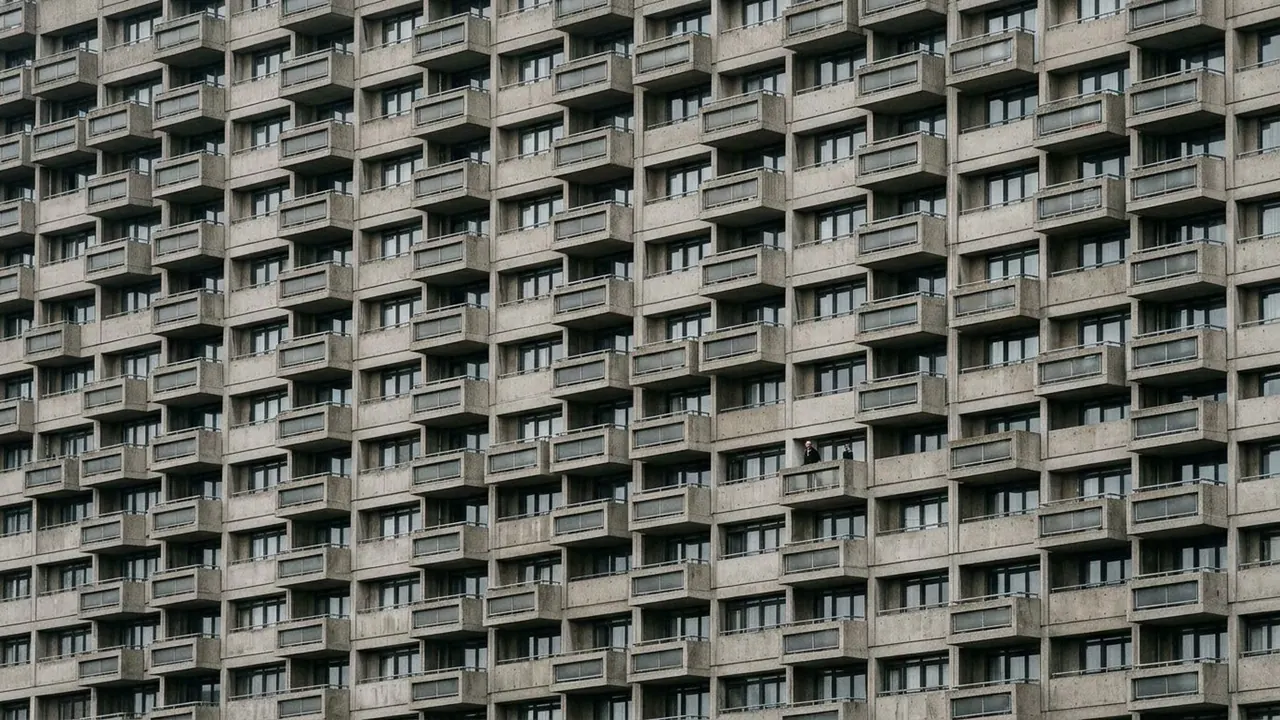
One-Point Perspective
- Central vanishing point
- Axial composition
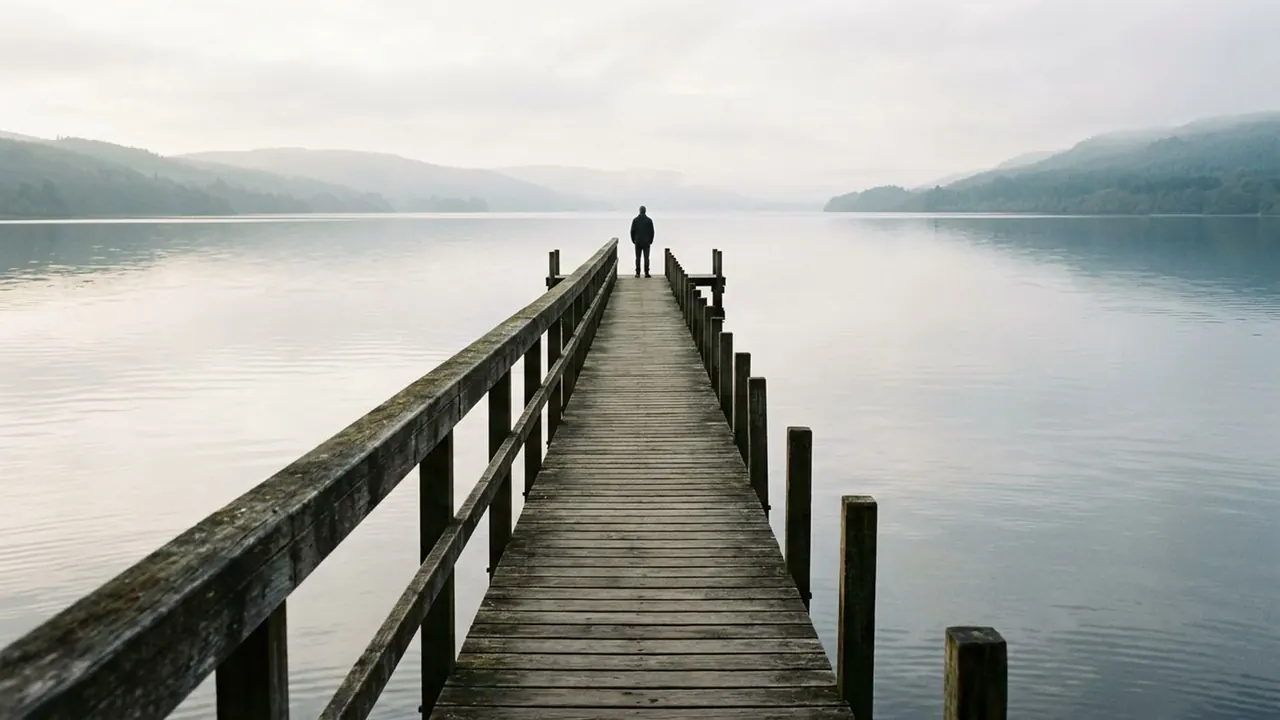
Every line runs to a single point in the middle of the frame.
Opens a video model with the prompt in it. The price is on the page before you sign in.
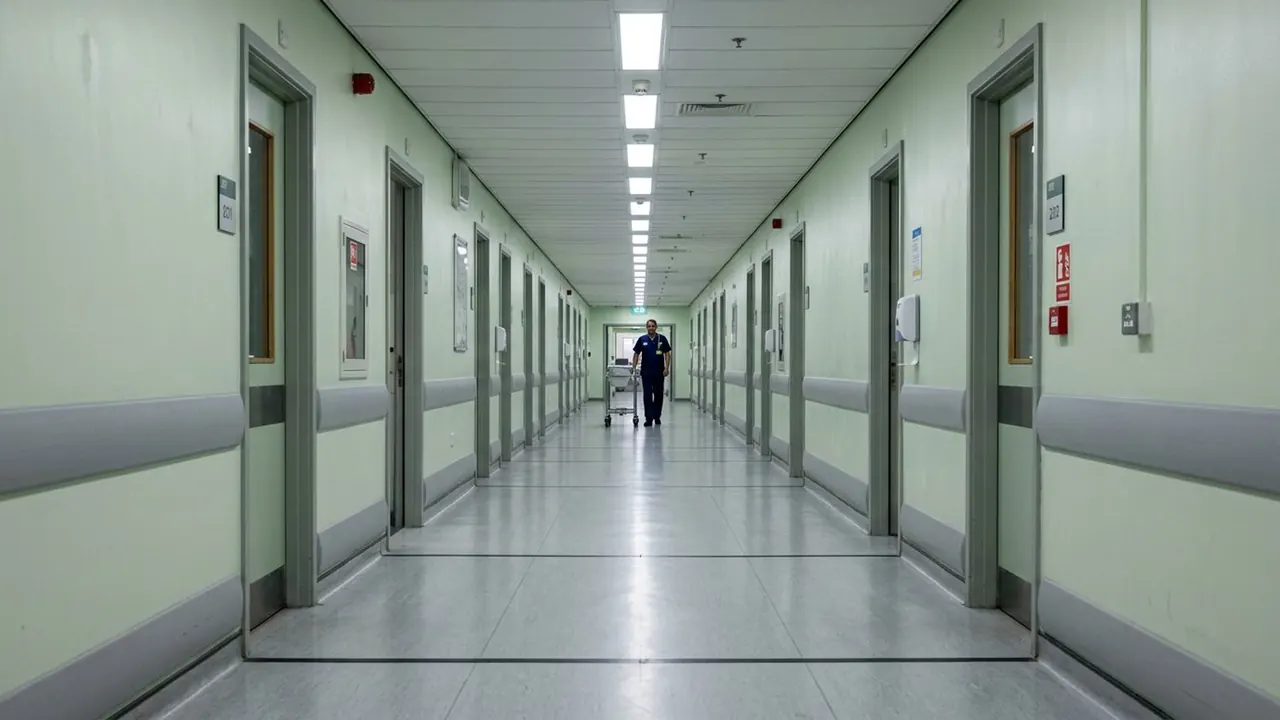
What it is for
Every parallel line in the scene runs to one point, so the frame reads as a tunnel with the audience at the mouth of it. The geometry is doing the pointing, and it is very hard to look anywhere else.
It also feels controlled to the point of being oppressive. Real spaces rarely line up this precisely, so a frame that does looks arranged by somebody.
How it works
The camera sits on the centre line of the space and squares up to the far wall. Walls, ceiling, floor and any repeated fittings then converge on a single point behind the subject.
It needs a corridor or a similar space. A room with no depth gives the lines nowhere to run, so the effect needs length: a hallway, a tunnel, a colonnade, a road between buildings.
A wide lens strengthens the convergence and a long lens flattens it. Around 18mm to 28mm the walls rush away, and the same corridor at 85mm barely tapers.
When to use it
Use it for an approach, a reveal at the end of a space, or a character held inside architecture that is bigger than they are.
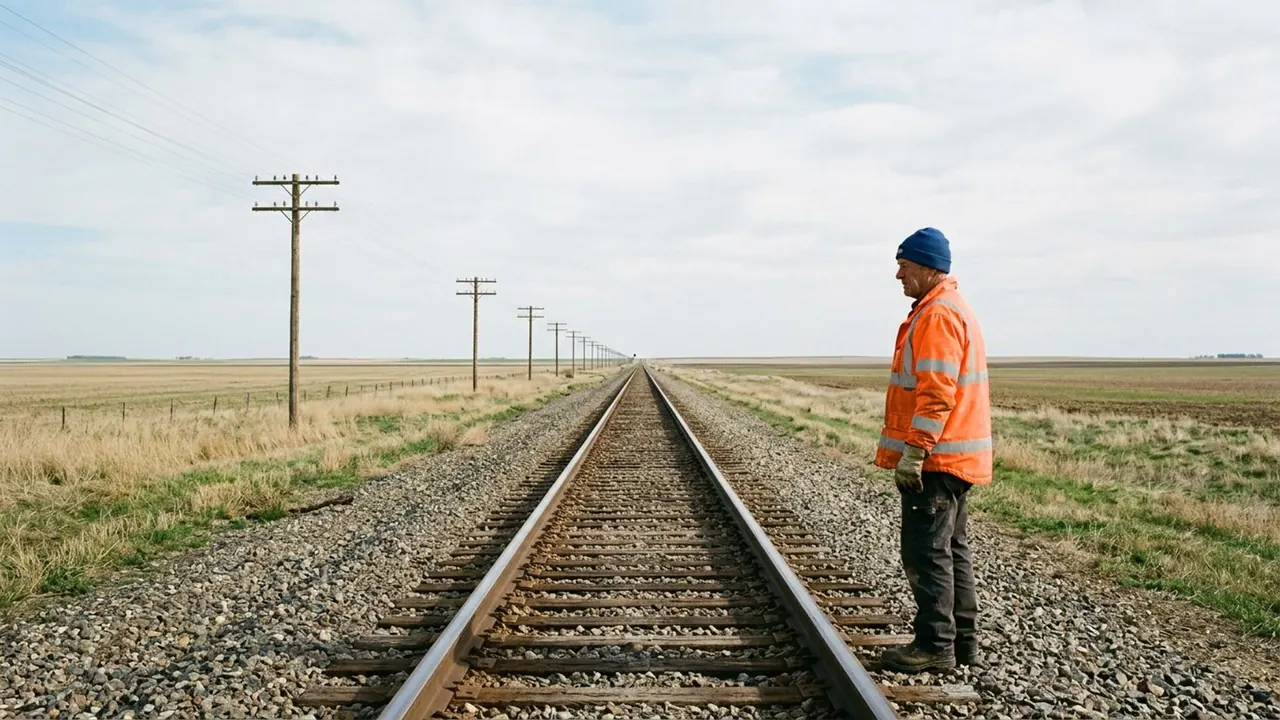
Outdoors in open country there is nothing to converge. Without parallel edges there is nothing to converge, and the request returns an ordinary centred wide shot.
Told apart from its neighbours
Centred composition puts the subject on the middle line and asks nothing of the walls. One point perspective requires the architecture to converge as well.
A vanishing point is the point itself and can sit anywhere in the frame, including off to one side. One point perspective puts it in the middle and lines the whole scene up on it.
On film
Stanley Kubrick shoots the Overlook corridors in The Shining (1980) straight down the middle, with the walls and the carpet pattern running to a point behind the boy on the tricycle. The camera holds that axis as it travels, so the vanishing point stays put while everything else moves.
- The Shining (1980)
- The Grand Budapest Hotel (2014)
The prompt
Replace the blanks, keep the rest. Then run it on a video model.
one point perspective down <space> toward <subject>, all lines converging on a single central point, symmetrical walls
What goes wrong
The model returns an angled view of the same corridor, which reads as an ordinary interior. Say the camera is square to the far wall and on the centre line.
The second failure is convergence that lands off centre. Say all lines meet at a single point in the middle of the frame, and put the subject at or near that point.
Leave out
angled view, off centre
Watch for
It needs a corridor or a similar space. In an open room there is nothing to converge.
Questions
Shoot it
Pay for the one run. No subscription, and the price is on the model page before you sign in.
Next to it in lines that steer the eye