Asymmetry
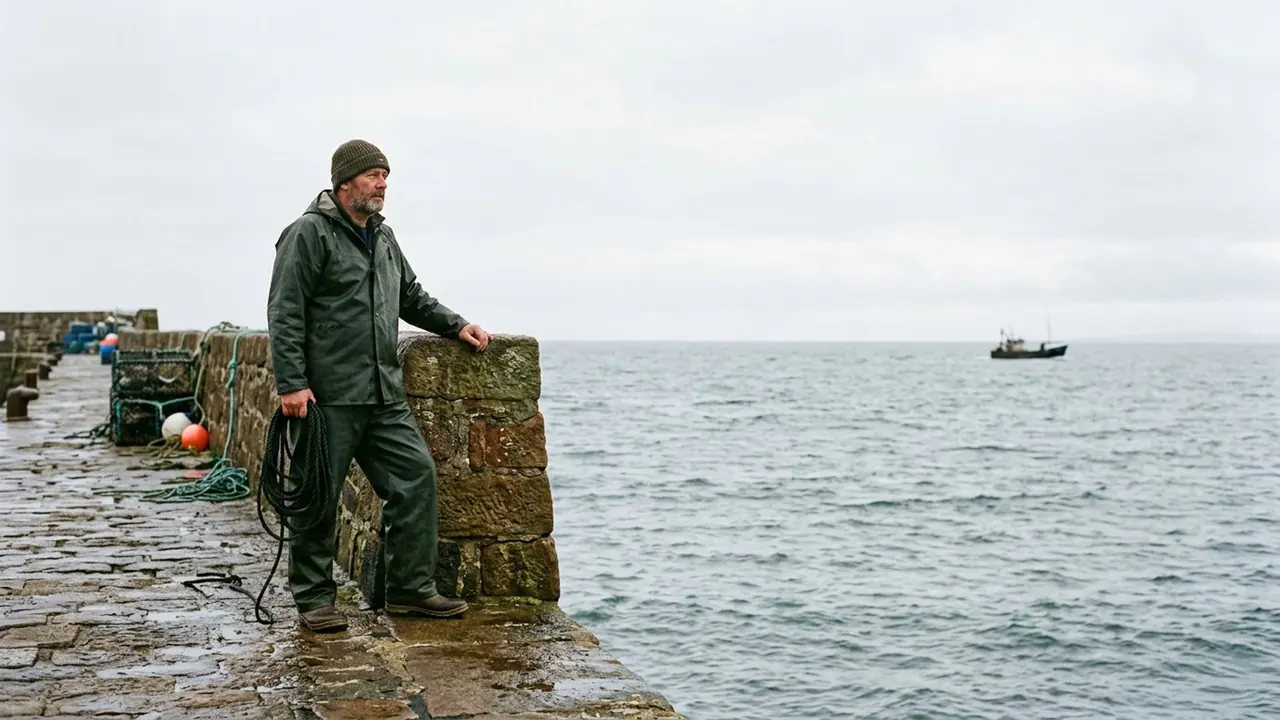
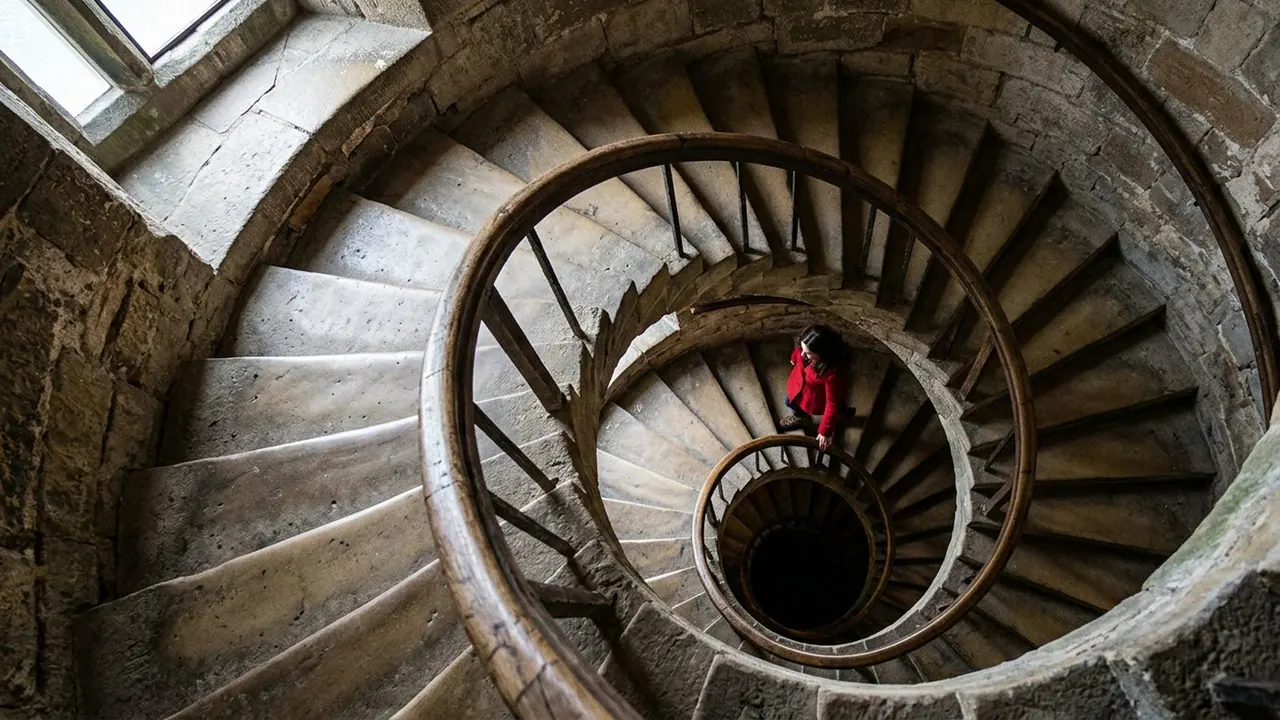
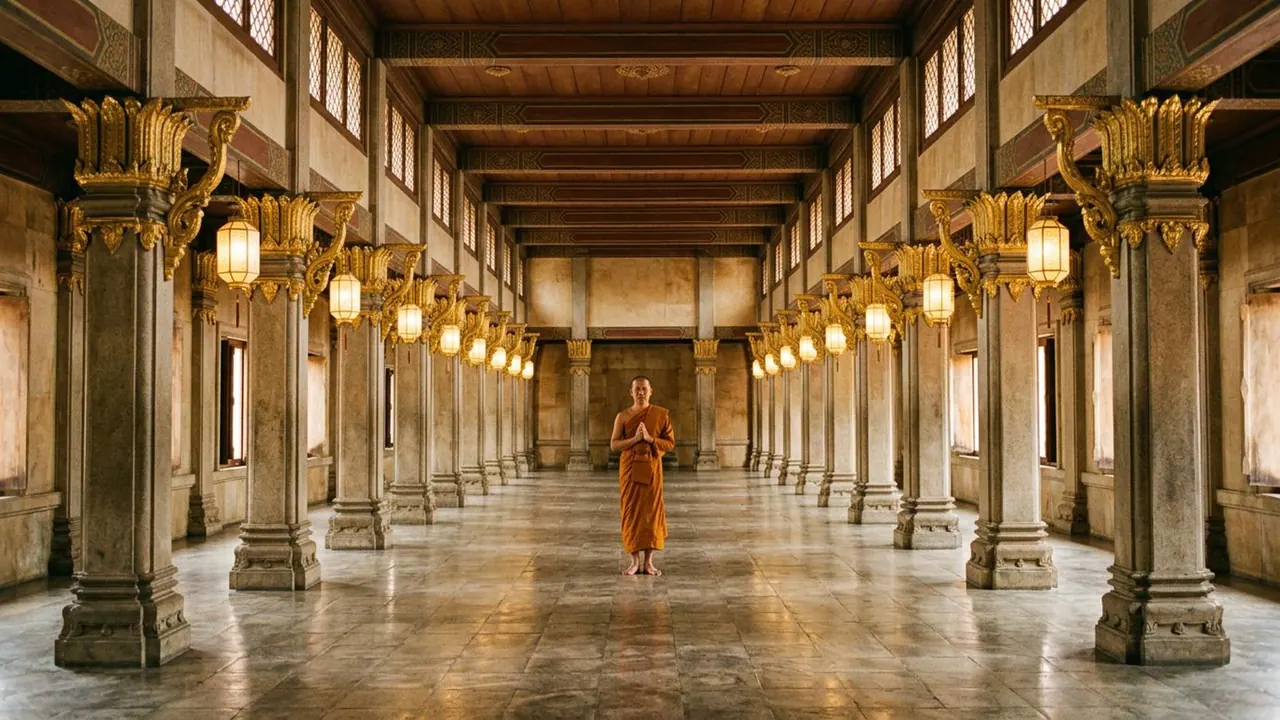
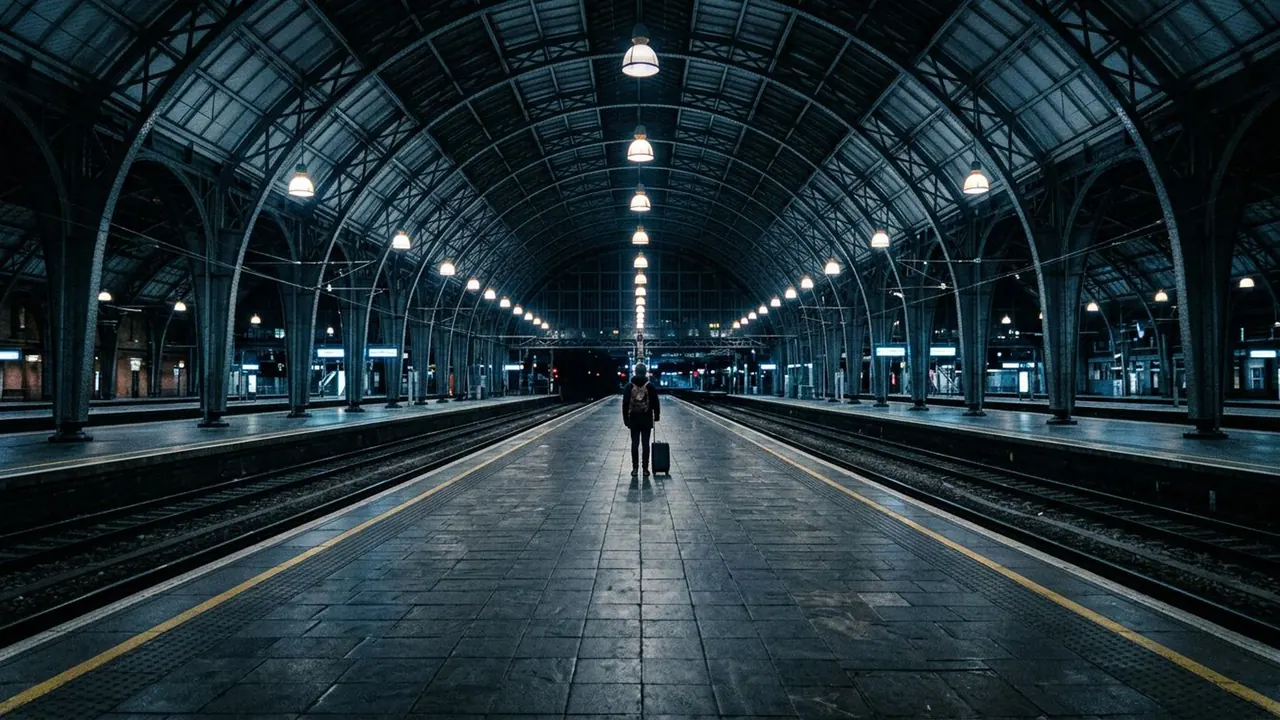
The weight sits off to one side and the frame stays unbalanced on purpose.
Opens a video model with the prompt in it. The price is on the page before you sign in.
What it is for
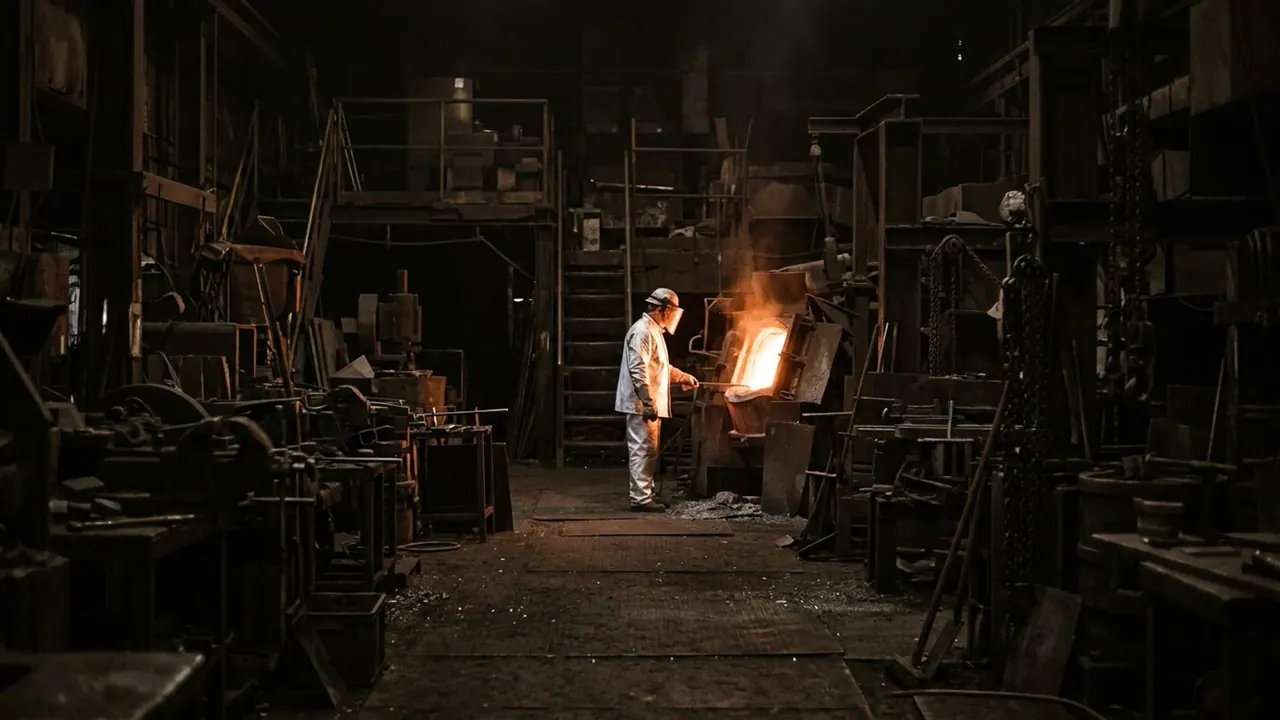
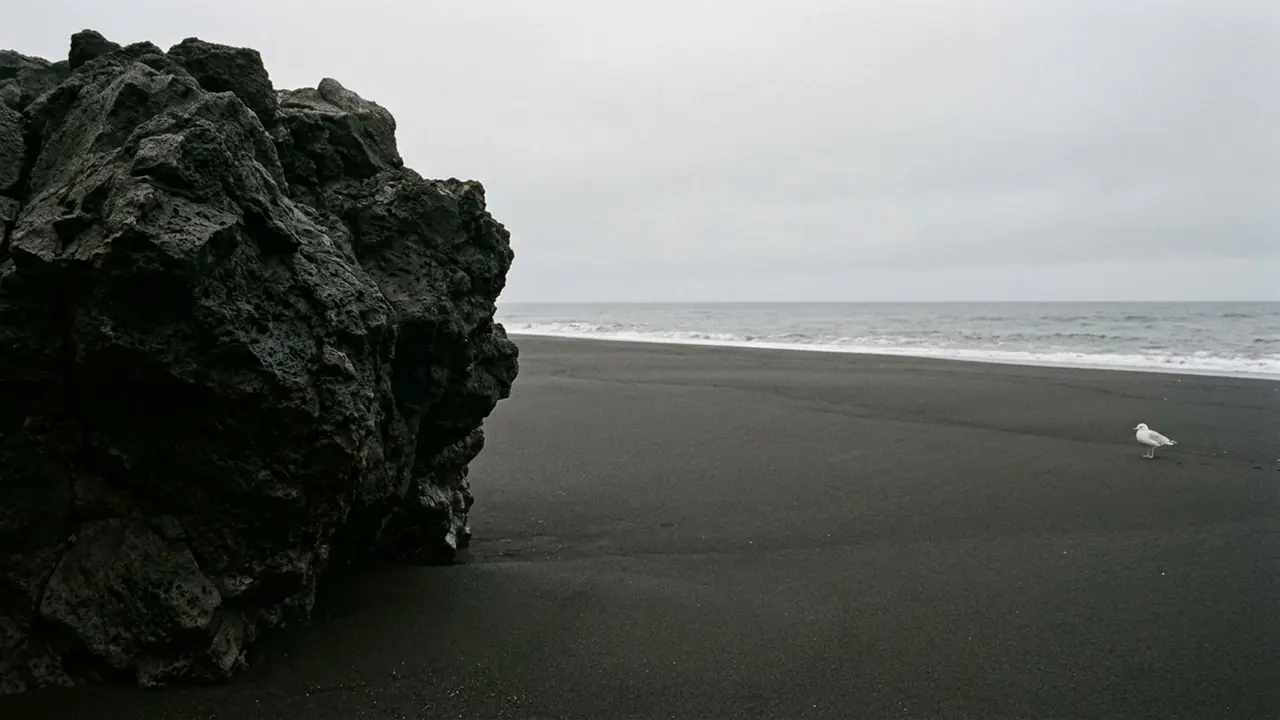
The weight sits on one side and nothing answers it, so the frame never settles. The eye keeps checking the empty half for something that is not coming.
That unease is the point. Asymmetry suits a scene that is unresolved, a character who is off balance, or a moment before something arrives.
How it works
Push the subject well past a third, close to one edge, and leave the other side genuinely empty. The further the subject goes, the harder the frame pulls.
The empty side has to stay empty. Filling it restores the balance you wanted to break, so a lamp, a doorway or a second figure over there undoes the shot.
Tone helps. A dark mass on one side and a bright open field on the other reads as unbalanced even when the shapes are the same size, because brightness carries weight.
When to use it
Use it when a character is isolated, when something is missing from a scene, or on the shot before an entrance, where the empty side is a space waiting to be filled.
Do not use it as a default. A run of unbalanced frames stops registering as tension and starts reading as sloppy framing.
Told apart from its neighbours
The rule of thirds also moves the subject off centre, and it does so to balance the frame against the open side. Asymmetry moves the subject further and refuses to balance it.
Short siding is the tighter case, where the subject is crowded against the edge they face. Asymmetry is about weight anywhere in the frame, and short siding is specifically about the direction a person looks or moves.
The prompt
Replace the blanks, keep the rest. Then run it on a video model.
asymmetric composition with <subject> pushed to one side, weight deliberately unbalanced, opposite side left open
What goes wrong
The model recentres the subject or drops them onto a third, because both look more correct. Say pushed hard to one side, close to the edge, and name how much of the frame the empty side takes.
The second failure is a helpful object appearing in the open half. State that the other side stays empty.
Leave out
centered, symmetrical
Watch for
Leave the open side genuinely empty. Filling it restores the balance you wanted to break.
Questions
Shoot it
Pay for the one run. No subscription, and the price is on the model page before you sign in.
Next to it in where the subject sits