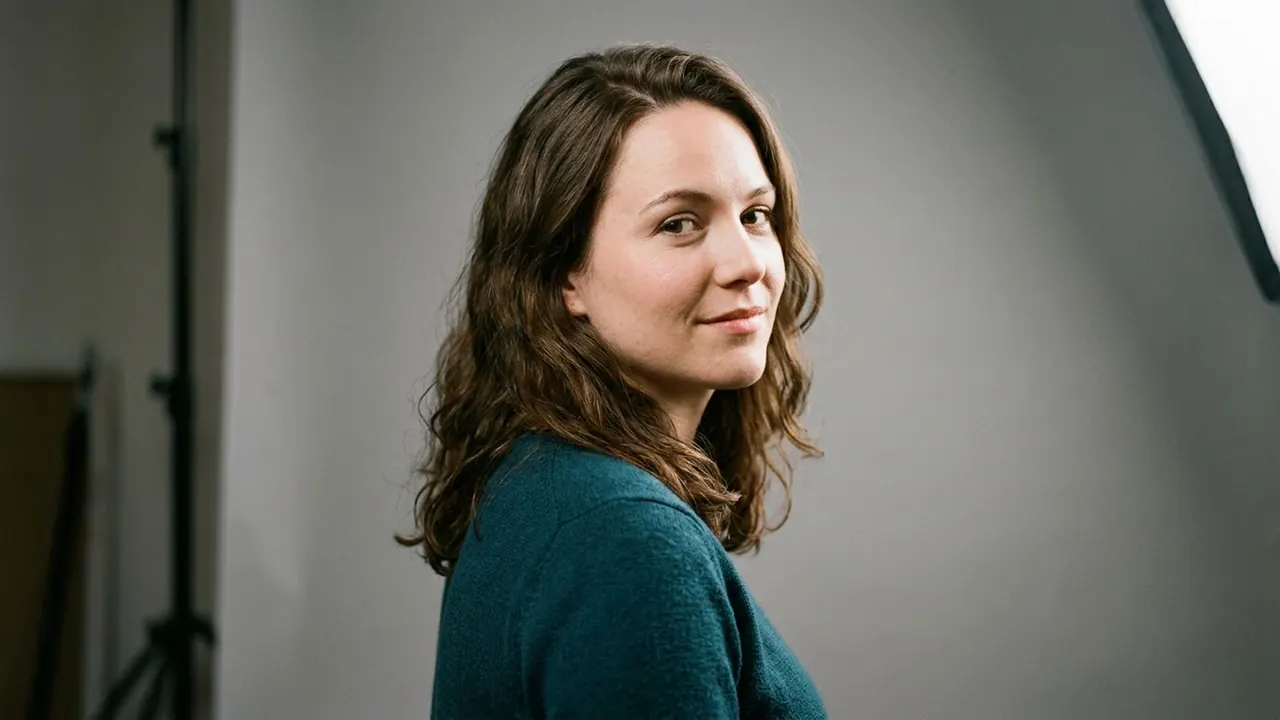
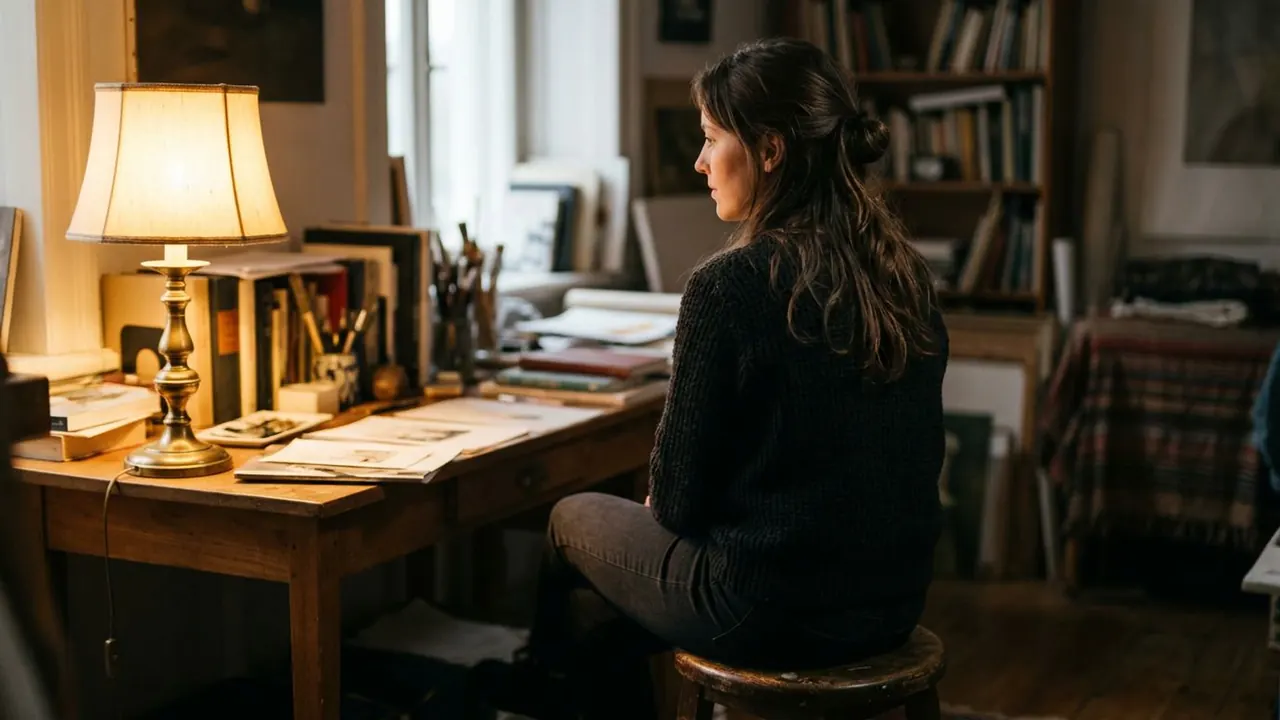
Underlighting
- uplighting
The light comes from below and the shadows fall upward.
Opens a video model with the prompt in it. The price is on the page before you sign in.
What it is for
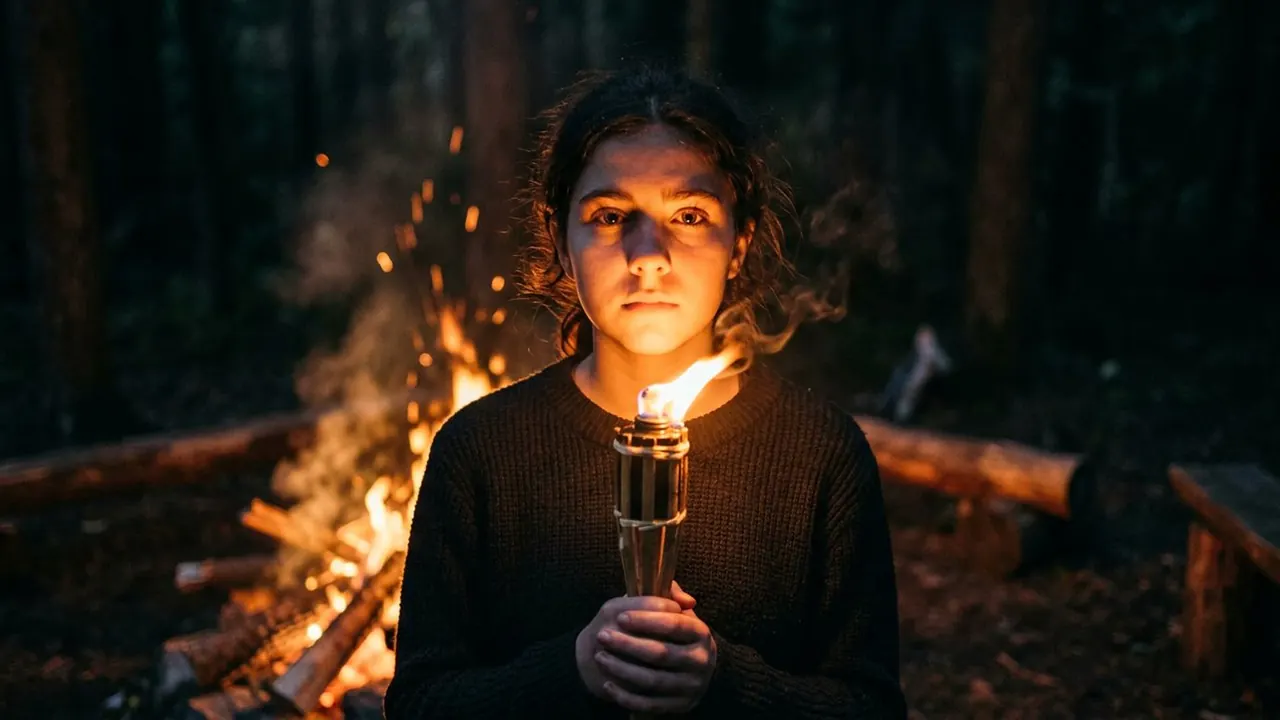
Light from below reverses every shadow a face normally has. The brow casts upward, the nose casts up the forehead, and the jaw lights from underneath. The result looks wrong before anyone works out why.
The reason it unsettles is that it almost never happens. Sun, sky, ceilings and lamps all come from above, so a face lit from below has no natural explanation and the audience reads it as staged or sinister.
How it works
Put the source at chest height or lower, aimed up at the face. The lower it goes the stronger the effect, and a source on the floor gives the most extreme version.
Keep it hard. A soft underlight loses the inverted shadow edges that make the pattern legible, and what you get instead is an oddly lit face nobody can name.
A motivated source in frame makes it usable in drama. A campfire, a torch, a phone screen or footlights all explain the angle, which lets the pattern work without reading as a horror cue.
When to use it
Use it for horror, for a story told around a fire, and for the moment a character turns out to be something other than what they seemed.
Avoid it anywhere the tone is warm or straightforward. The angle overrides the rest of the scene, so a friendly conversation lit from below stops being friendly.
Told apart from its neighbours
Top light comes from directly above and drops the eye sockets into shadow. Underlighting comes from below and does the reverse, lighting the sockets and throwing shadow up onto the forehead.
Follow the nose shadow. Running down toward the lip is top light. Running up toward the hairline is underlighting.
The prompt
Replace the blanks, keep the rest. Then run it on a video model.
<subject> lit from below, shadows thrown upward across the face, features reversed, unnatural and unsettling
What goes wrong
Models raise the source back toward eye level, because that is what a portrait usually wants. Say the light comes from below chest height and that shadows fall upward.
The second failure is a soft, gentle version that reads as nothing in particular. Ask for a hard source and name the inverted shadows across the brow.
Leave out
top light, front light
Watch for
It reads as wrong because it never happens naturally. That is the point.
Questions
Shoot it
Pay for the one run. No subscription, and the price is on the model page before you sign in.
Next to it in light on a face