Split Lighting
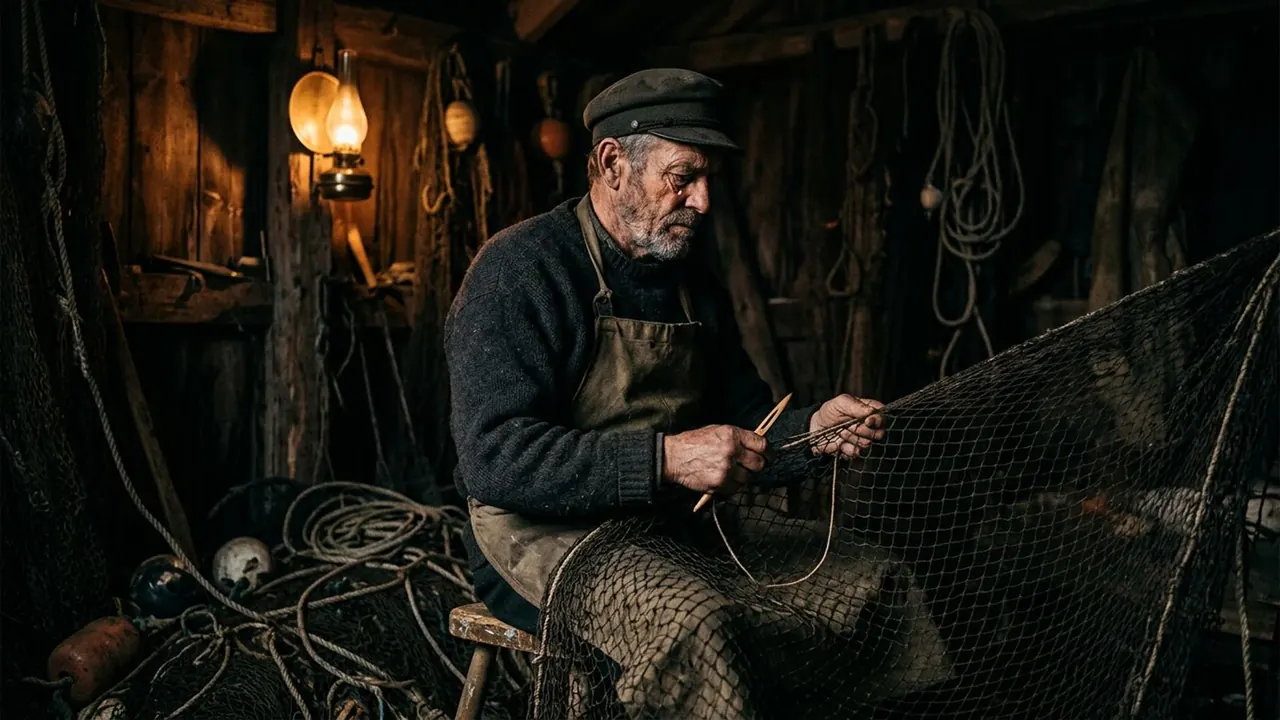
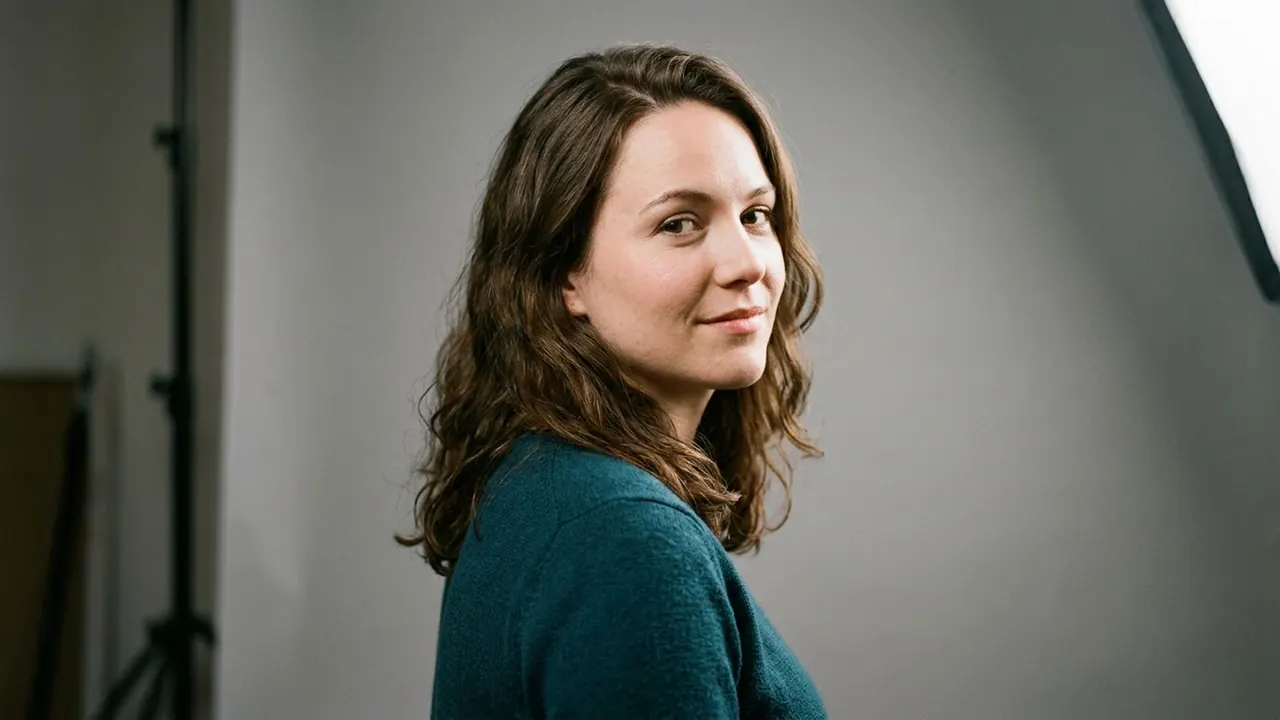
One half of the face is lit and the other is fully dark.
Opens a video model with the prompt in it. The price is on the page before you sign in.

What it is for
Half a face lit and half gone to black is the most direct statement lighting can make about a person. The audience reads division, concealment and two sides at once, without a line of dialogue.
It also removes information on purpose. Only one eye is available, so everything the performance does has to survive on half a face.
How it works
The key goes at ninety degrees to the lens, directly to one side of the subject and at about eye level. The bridge of the nose becomes the divide, and the far half of the face receives nothing.
No fill. That is the whole discipline of the pattern. Any lift on the dark side softens the division and turns the shot into ordinary side lighting.
One choice is worth making deliberately: whether the far eye keeps a catchlight. A tiny source near the lens preserves it and keeps the character present. Leaving it out makes the dark half read as absence.
When to use it
Use it for interrogation, confession, and characters whose motives are in question. It suits a single strong beat rather than a whole scene.
Avoid it across a long dialogue sequence. The pattern is loud, and holding it for several minutes turns it into a style the audience stops reading.
Told apart from its neighbours
Rembrandt lighting comes from the key pulled forward and up, so the shadow side keeps a lit triangle on the cheek. Split lighting gives the shadow side nothing at all.
Look for that triangle. Any lit patch on the dark cheek means Rembrandt. A clean vertical division down the middle of the face means split.
On film
Vittorio Storaro keeps Kurtz half in darkness through the last act of Apocalypse Now (1979), so a head emerges from black with one lit side and the other reading as nothing. The pattern does most of the work of making the character unreadable.
- Apocalypse Now (1979)
The prompt
Replace the blanks, keep the rest. Then run it on a video model.
split lighting on <subject>, light exactly to one side, one half of the face lit and the other completely dark, hard division down the centre
What goes wrong
Models add fill by default and the dark half comes back as grey. Say the unlit half is completely dark, with no fill at all.
The other failure is a soft gradient across the face instead of a division. Ask for the light exactly to one side and name a hard division down the centre.
Leave out
fill light, wrap
Watch for
The dark half stays dark. Any fill and it becomes ordinary side lighting.
Questions
Shoot it
Pay for the one run. No subscription, and the price is on the model page before you sign in.
Next to it in light on a face