Silhouette
- Shape-led composition
- Ombre chinoise
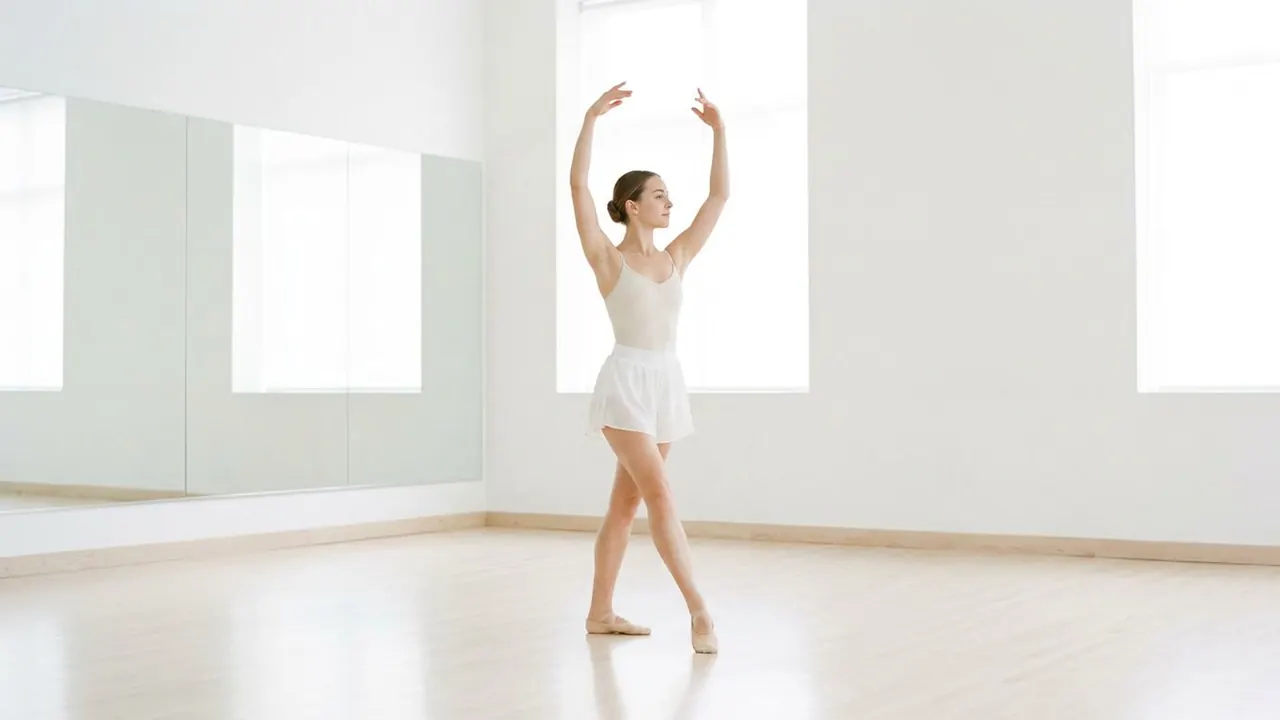
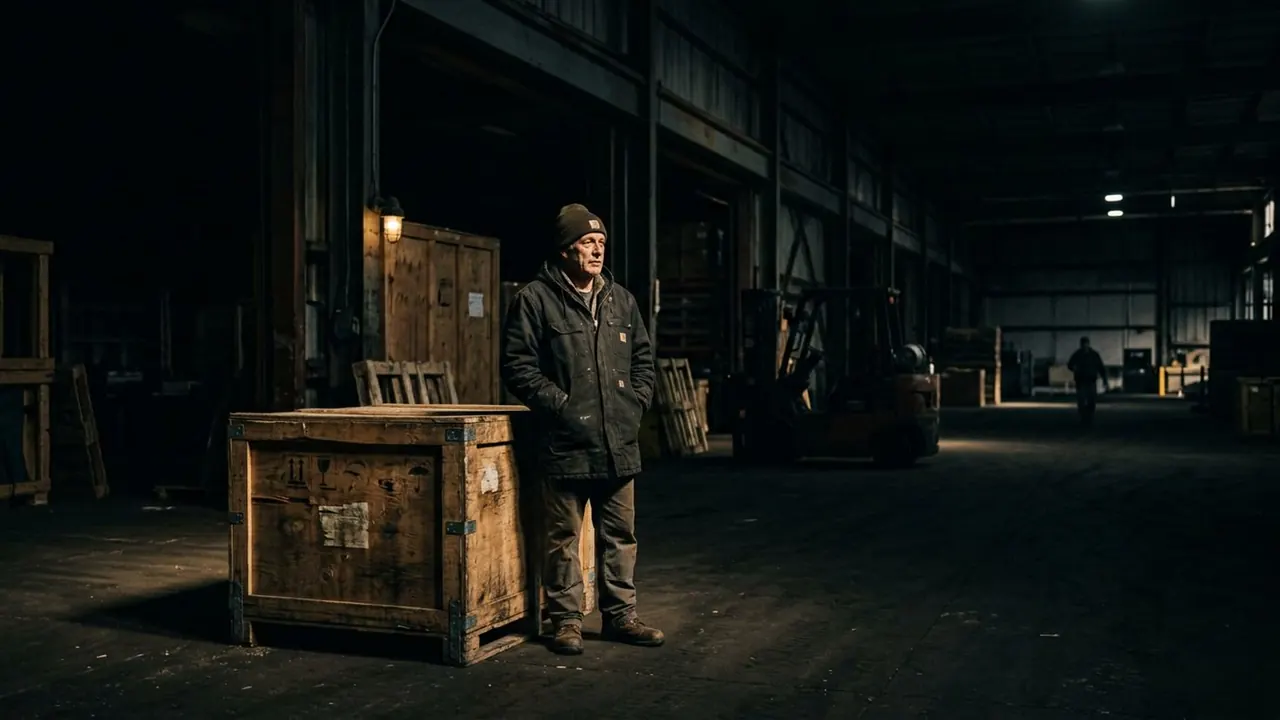
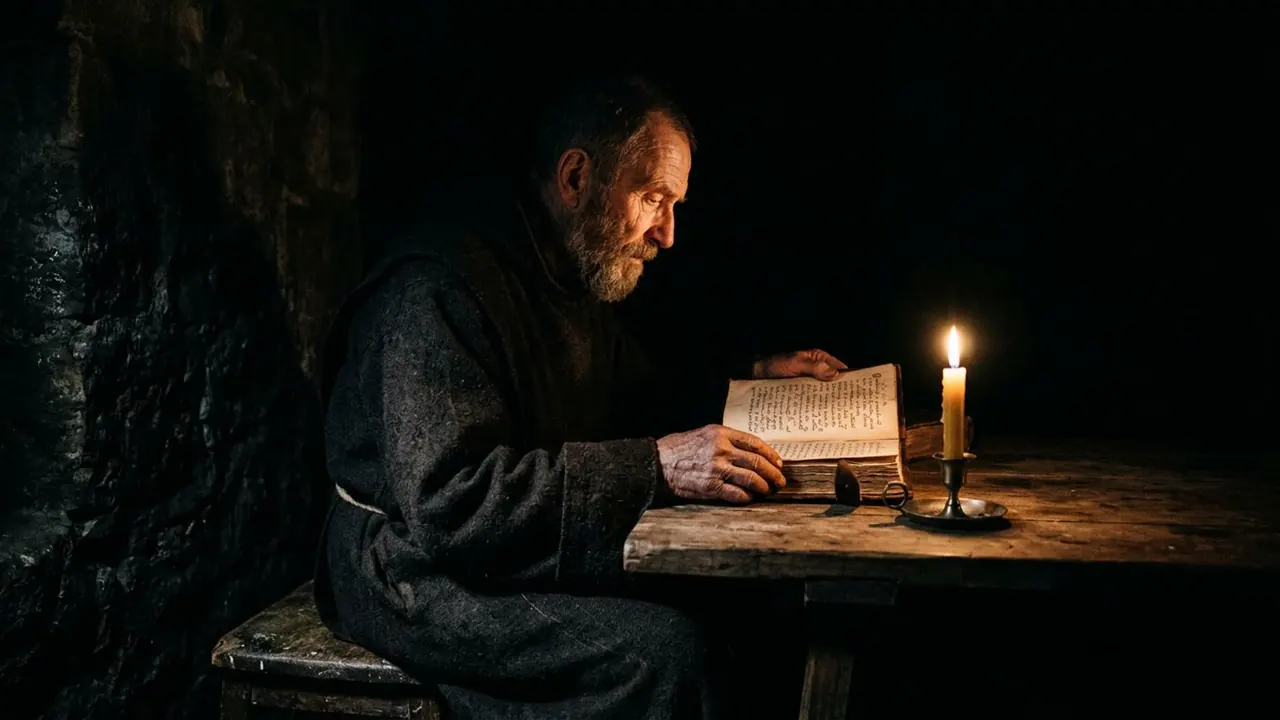
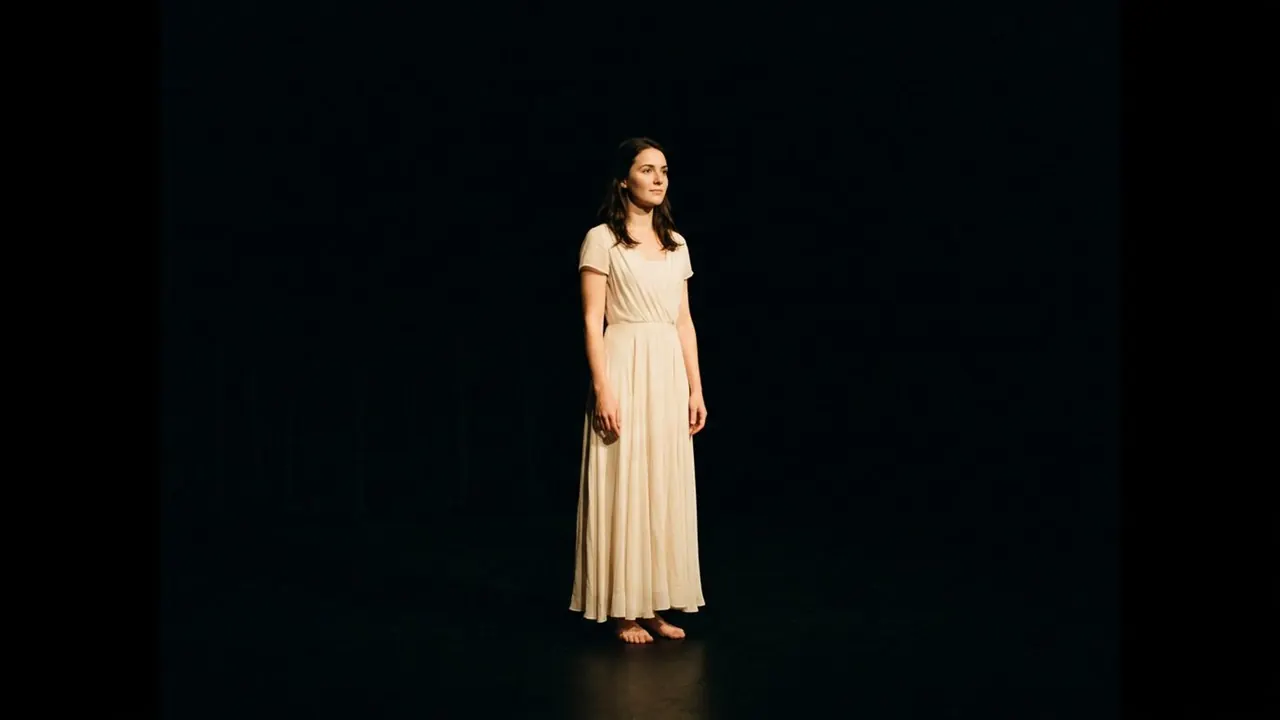
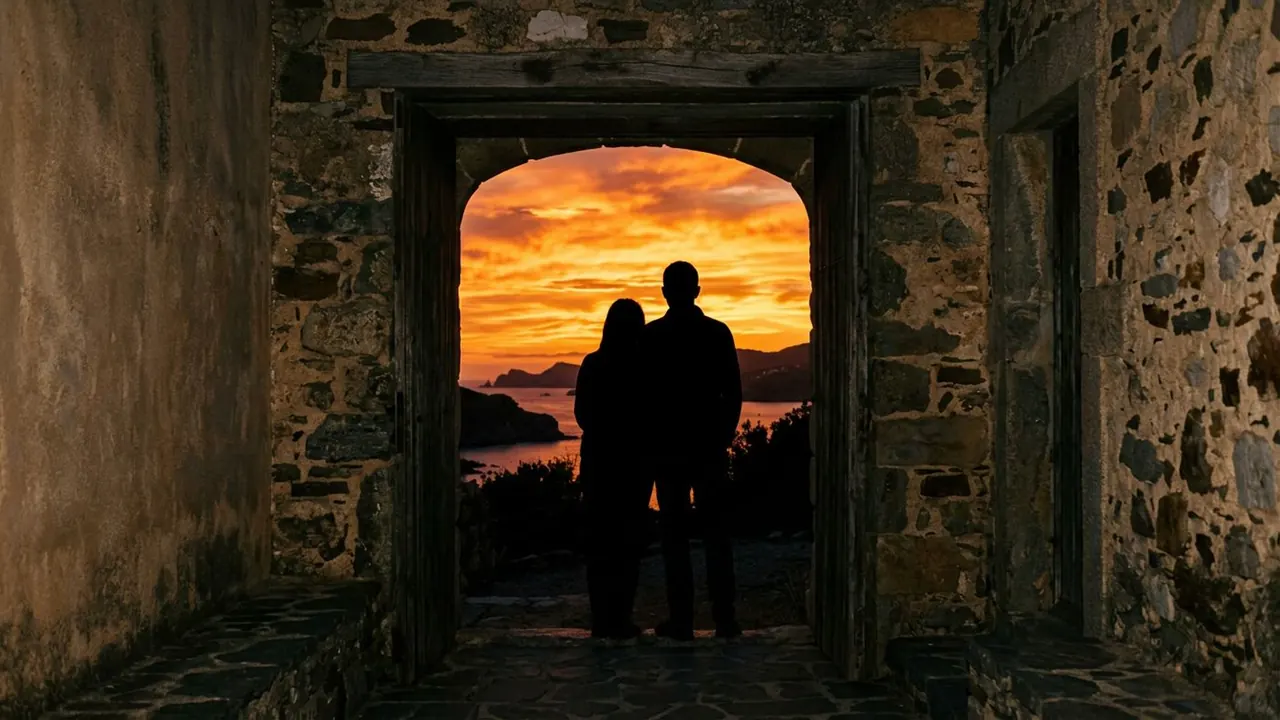
The subject reads as a black shape against a bright background.
Opens a video model with the prompt in it. The price is on the page before you sign in.
What it is for
The subject becomes a shape. Identity, expression and detail all go, and what is left is an outline the audience reads instantly.
That loss is useful. A silhouette hides who somebody is, or reduces a familiar figure to a gesture, and it survives being small on a screen better than any lit frame.
How it works
Expose for the background and let the subject fall. A bright sky, a window, a wall of fog or a screen behind the subject gives you the level to expose for, and the front of the subject takes no light at all.
The outline has to carry the whole shot, so blocking becomes the composition. Arms are held away from the body, heads turn to profile, and two figures are separated rather than overlapped.
A profile reads better than a front view, because a nose and a chin are recognisable and a flat face is not.
When to use it
Use it on an entrance, on a reveal you want to delay, and on any image that has to work as a poster. It is also the cheapest way to hide a face.
Skip it when the performance matters. There is no performance in a silhouette beyond the pose.
Told apart from its neighbours
A rim light comes from behind as well, and it draws a bright edge around a subject who still has front detail. A silhouette keeps the backlight and takes the front detail away.
The test is the face. If you can see anything of it, the shot is backlit or rim lit. A silhouette shows nothing inside the outline.
On film
Steven Spielberg puts the bicycle across the face of the moon in E.T. the Extra-Terrestrial (1982), and the image works because the shape alone carries it. John Ford frames the doorway shots in The Searchers (1956) so the interior stays dark and the figure in the opening reads mostly as a shape against the desert outside.
- E.T. the Extra-Terrestrial (1982)
- The Searchers (1956)
The prompt
Replace the blanks, keep the rest. Then run it on a video model.
<subject> in silhouette against a bright background, figure completely dark, no detail in the shape, clean readable outline
What goes wrong
Limbs merge into the torso and the subject turns into a blob. Ask for a clean readable outline with arms held clear of the body, and say the figure is in profile.
The second failure is a partly lit face. Ban fill light and any front source, and say the subject is completely dark with no detail inside the shape.
Leave out
face detail, fill light
Watch for
The outline has to be readable alone. Any overlap turns it to a blob.
Questions
Shoot it
Pay for the one run. No subscription, and the price is on the model page before you sign in.
Next to it in how much light, and how hard