Backlight
- hair light when on hair
- Volumetric shafts
- Light beams in haze
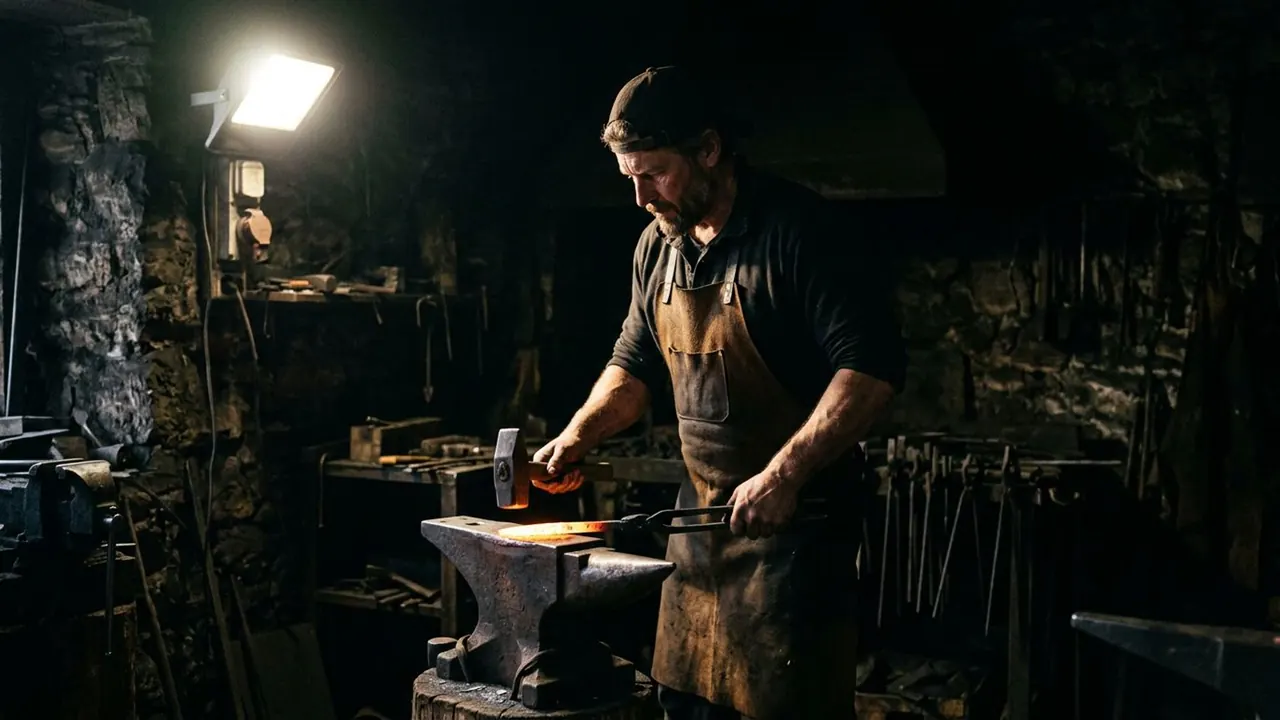
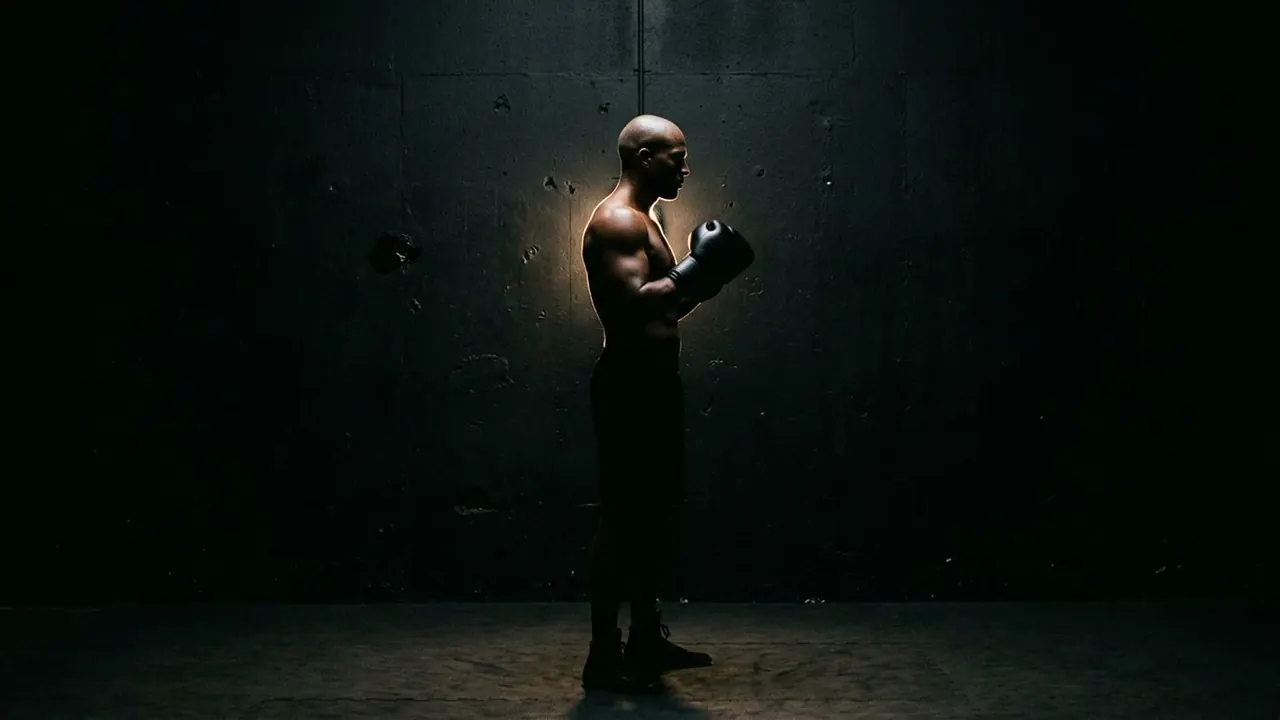
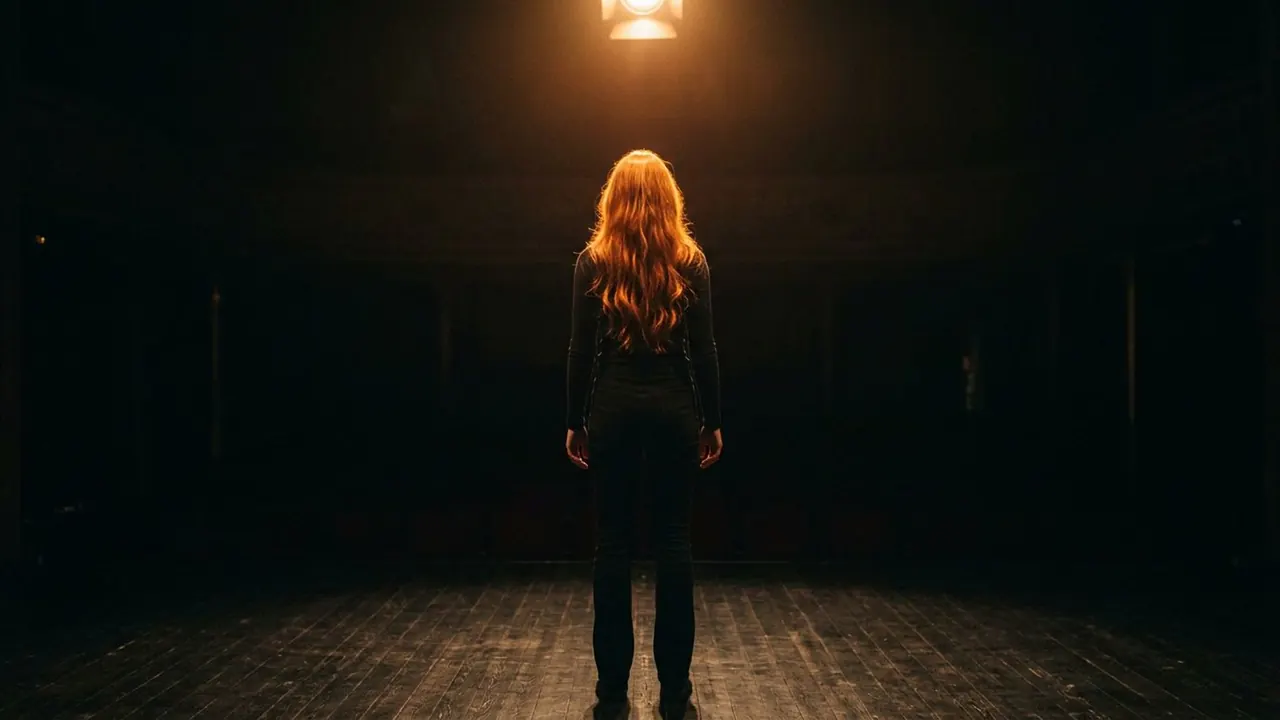
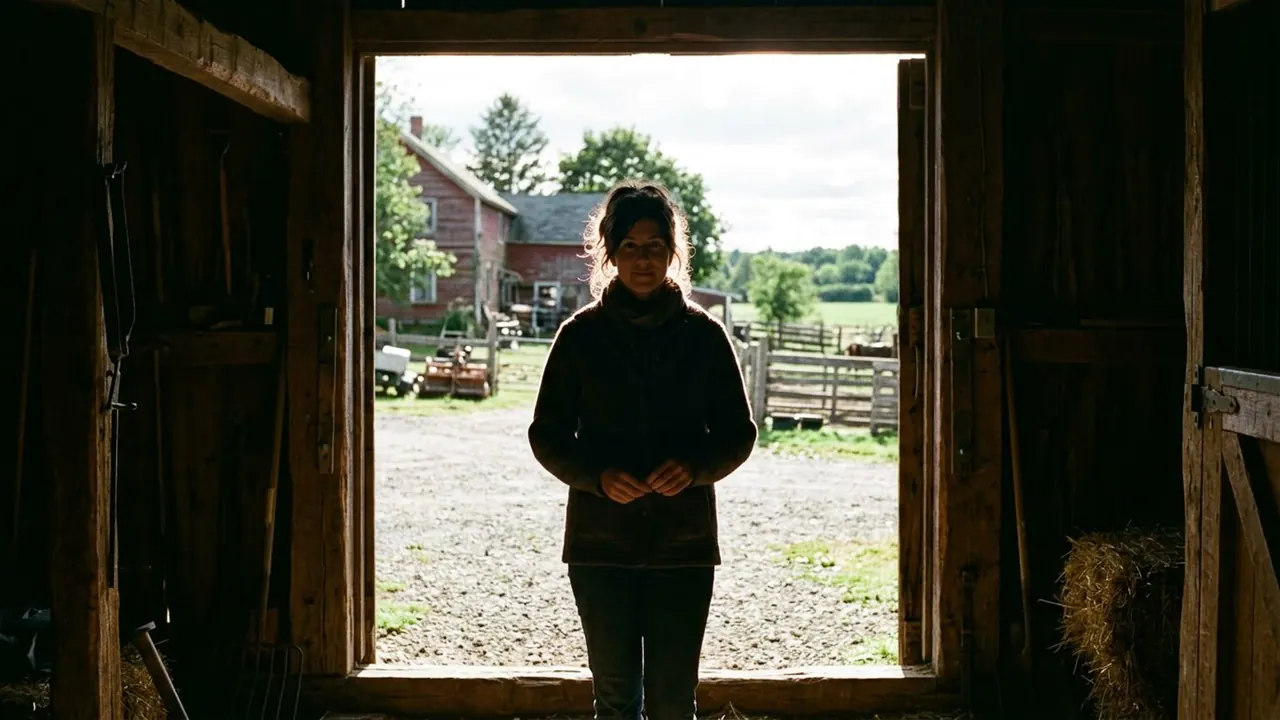
The light sits behind the subject and draws an edge around them.
Opens a video model with the prompt in it. The price is on the page before you sign in.
What it is for
A light behind the subject draws a bright edge along the head and shoulders, which lifts a figure off whatever is behind it. Without that edge a dark coat against a dark wall is one shape.
It also carries atmosphere. Backlight is the only position that lets the camera see the air itself, so smoke, rain, dust and breath all appear when the source is behind them.
How it works
The unit goes behind the subject and usually above, aimed back toward the lens and flagged so it does not flare the glass. What the audience sees is the light skimming the edges of hair, shoulders and jaw.
The size of the edge depends on how far round the light sits. Directly behind gives a thin outline all the way round. Moved up and off to one side it becomes a wider band across one shoulder and the top of the head.
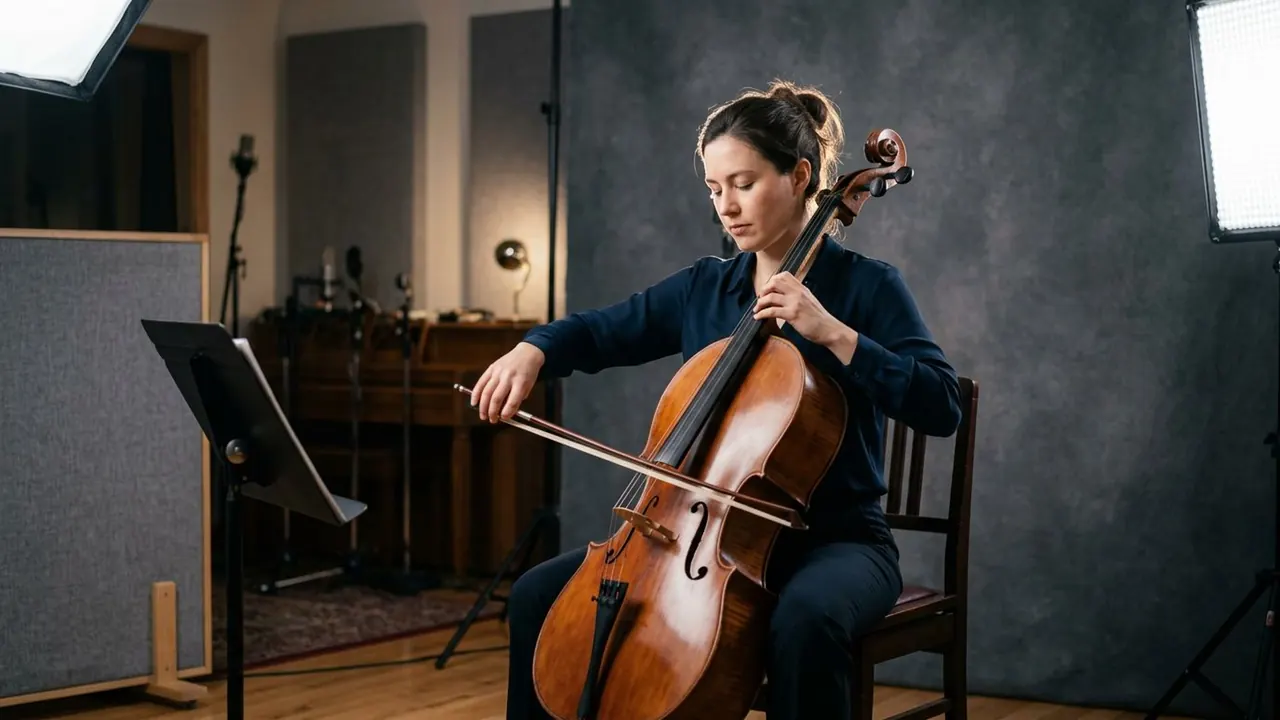
The important decision is the front. Backlight on its own gives a silhouette, because nothing is lighting the face. Add a key or a fill from the front and you keep the edge while the features stay readable.
When to use it
Use it whenever the subject and the background are close in tone, and use it in haze or rain when the air is part of the picture.
Avoid it when the scene is meant to feel plain and unlit. A bright rim reads as design, so it works against handheld documentary looks and flat daylight interiors.
Told apart from its neighbours
Rim light is backlight placed dead behind at about the subject's height, so the outline closes all the way around the silhouette in a thin line. Backlight is the wider family and often sits higher, which gives a broader band rather than a line.
The test is the shape of the bright area. A thin unbroken outline is a rim. A band across the top of the head and one shoulder is ordinary backlight.
On film
Jordan Cronenweth pushes hard sources through haze in Blade Runner (1982), so shafts of light read in the air and figures carry a hard edge against the dark. The Exorcist (1973) uses the same idea outdoors for the arrival at the house, where a street lamp behind the priest turns him into a shape with a lit rim and fog around it.
- Blade Runner (1982)
- The Exorcist (1973)
The prompt
Replace the blanks, keep the rest. Then run it on a video model.
<subject> lit from behind, bright rim around the head and shoulders, front falling into shadow
What goes wrong
The usual return is a fully lit face with a faint glow behind it, because the model treats the front as the important part. Say the light is behind the subject and name what happens at the front, whether that is shadow or a silhouette.
The second failure is a rim with no air. If you want the beam itself to show, ask for haze, smoke or rain in the same sentence, because a clean room gives you nothing to light.
Leave out
front light, flat fill
Watch for
Decide whether the face is exposed. Backlight alone gives you a silhouette.
Questions
Shoot it
Pay for the one run. No subscription, and the price is on the model page before you sign in.
Next to it in the standard setup