Fill Light
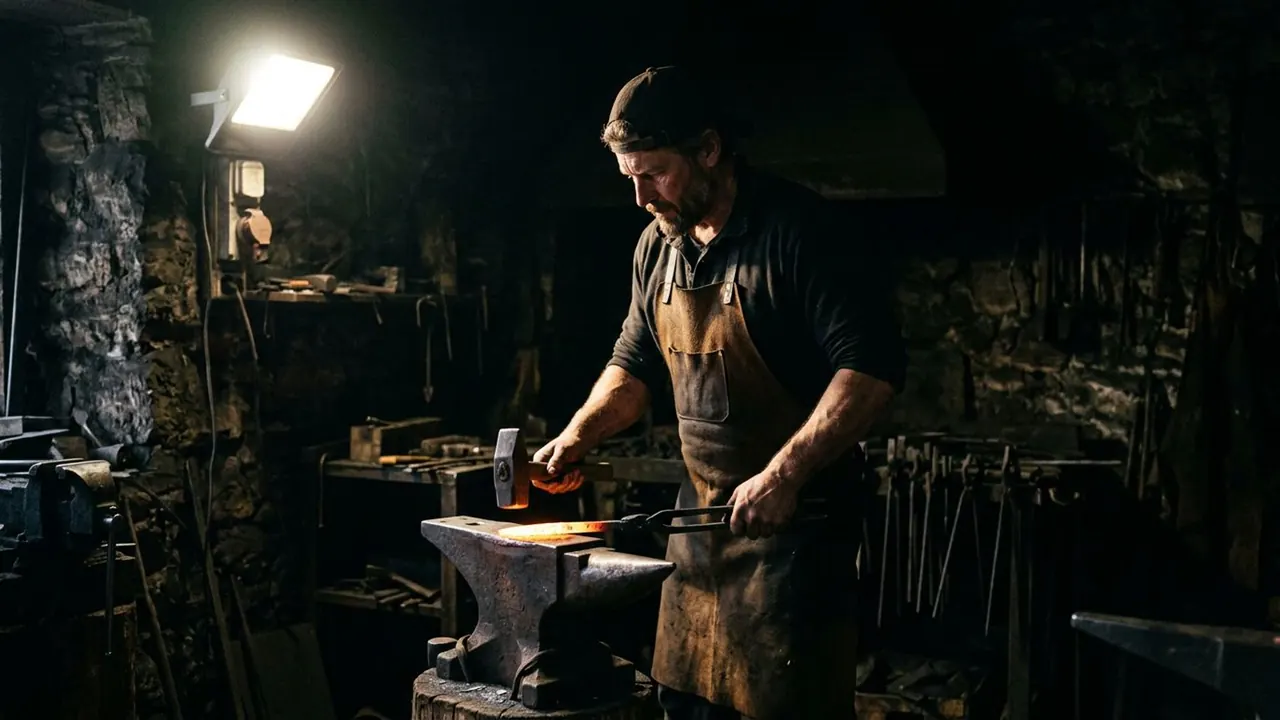
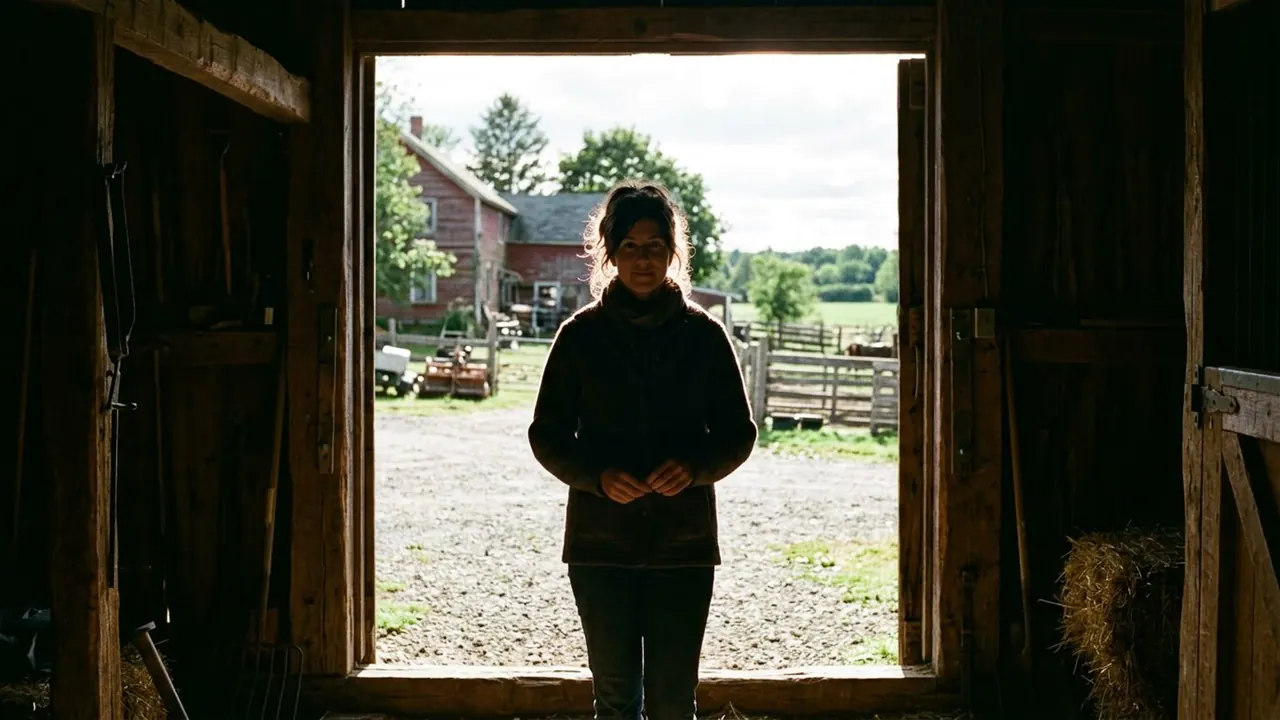
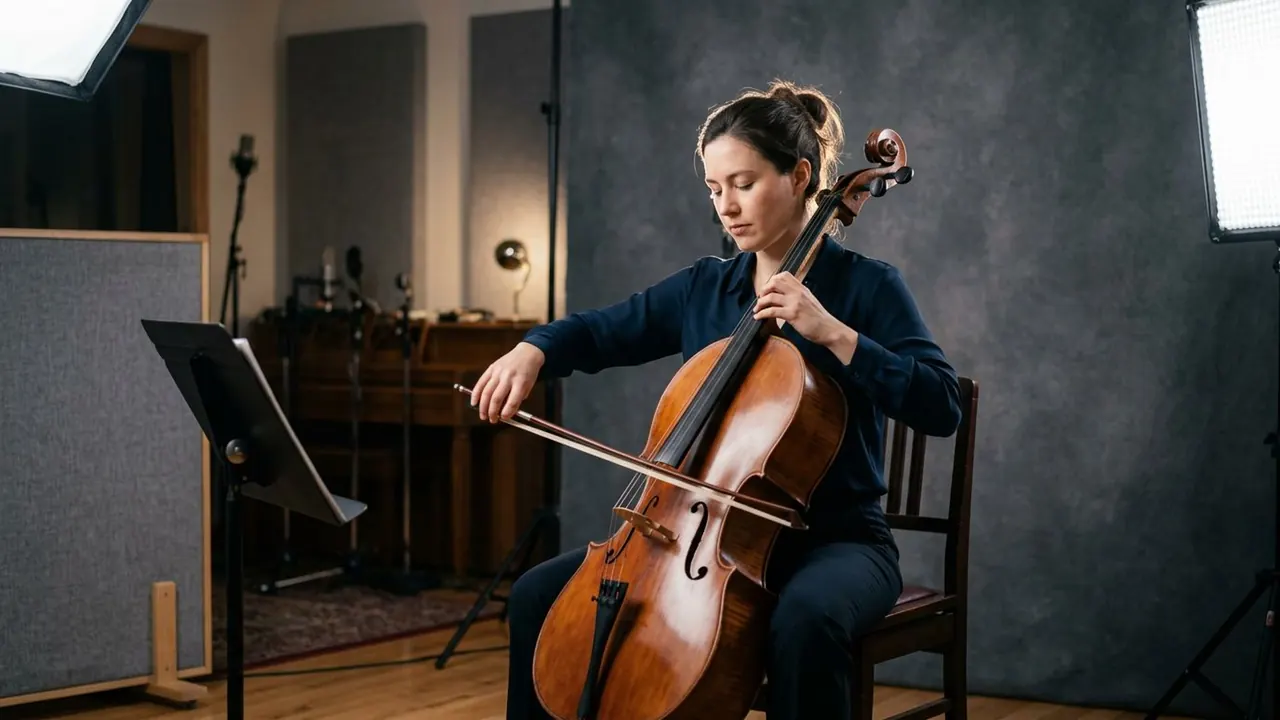
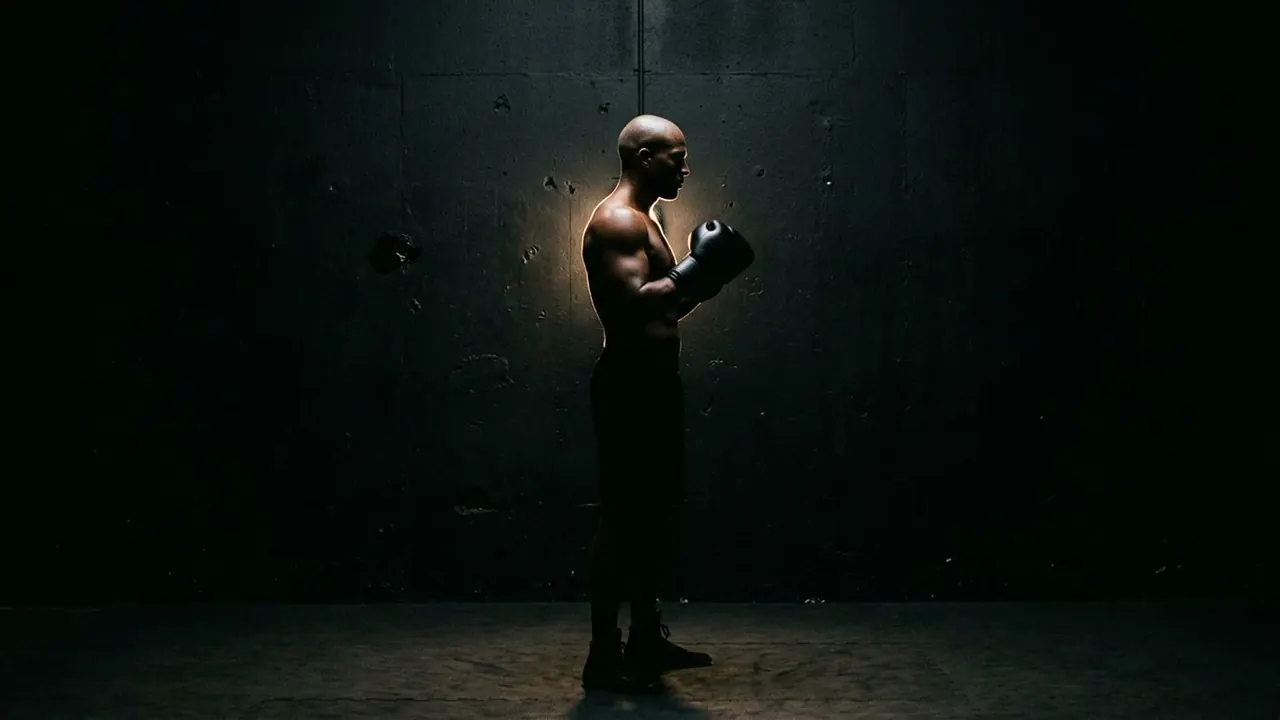
A soft second light lifts the shadow side without killing it.
Opens a video model with the prompt in it. The price is on the page before you sign in.

What it is for
Fill decides how much of the shadow side an audience can see. That one ratio is most of what people mean when they call a scene harsh or gentle, and it changes nothing about where the light comes from.
It also keeps detail alive in the dark half. A face with no fill loses the far eye completely, which is a real choice and often the wrong one for a scene that still has to be read.
How it works
The fill sits on the opposite side of the lens from the key, usually close to the camera, and it is soft. A bounce card, a large diffused unit, or light thrown back off a white wall all do the job.
What matters is the ratio between the two. A fill near key brightness gives the flat friendly look used in comedy and daytime television. A fill two or three stops down leaves a clear dark side, which is the standard dramatic setting. Take it further and the shadow goes to black.
Fill never makes a shadow of its own. If you can see a second shadow edge crossing the nose, the fill is too hard or too far off axis, and it has started working as a second key.
When to use it
Use fill whenever a scene is lit hard and still has to stay readable. It is the control that lets you keep a strong key direction without losing half the performance to black.
Leave it out for night exteriors, interrogations, and any look built on a shadow side that goes to nothing. Adding fill there removes the thing you were after.
Told apart from its neighbours
Bounce light is a way of making light. Fill is a job a light does. Most fill is bounced, so the two names land on the same unit constantly. Ask what it is for: a light that exists to lift the key's shadow is fill, however it was made.
The other test is brightness. A fill is dimmer than the key by definition. A bounced source used as the main light is a key with a soft edge.
The prompt
Replace the blanks, keep the rest. Then run it on a video model.
<subject> with soft fill on the shadow side, shadow lifted but still reading as shadow, controlled contrast
What goes wrong
Models flatten the whole picture the moment fill is mentioned. Say how much lift you want in plain words: shadow lifted but still clearly reading as shadow.
The other failure is a second shadow beside the nose, which means the fill has become a key. Ask for it soft, dim, and close to the lens.
Leave out
no fill, flat even light
Watch for
Say how much lift. Too much fill flattens the face completely.
Questions
Shoot it
Pay for the one run. No subscription, and the price is on the model page before you sign in.
Next to it in the standard setup