Key Light
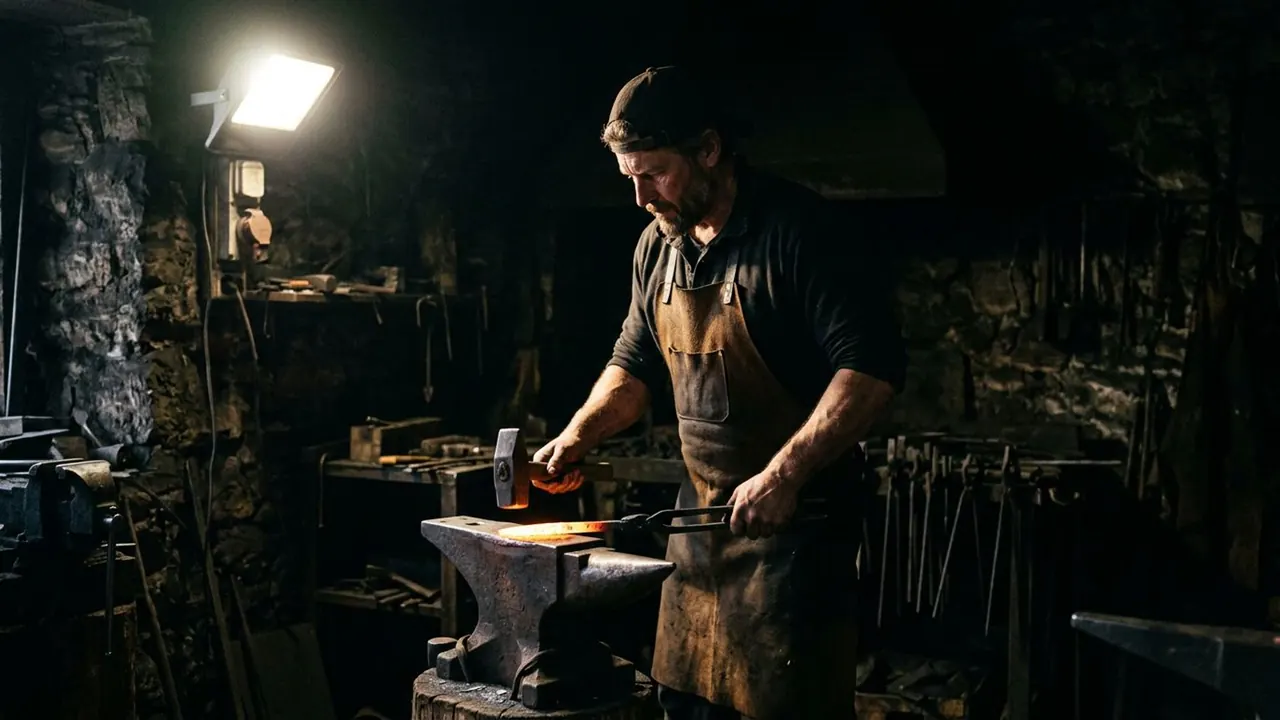
One main light does most of the work and sets the shape.
Opens a video model with the prompt in it. The price is on the page before you sign in.
What it is for
The key is the light the eye reads first. It decides where the shadow falls, how hard the edge of that shadow is, and therefore what the subject looks like. Everything else on a set is placed against it.
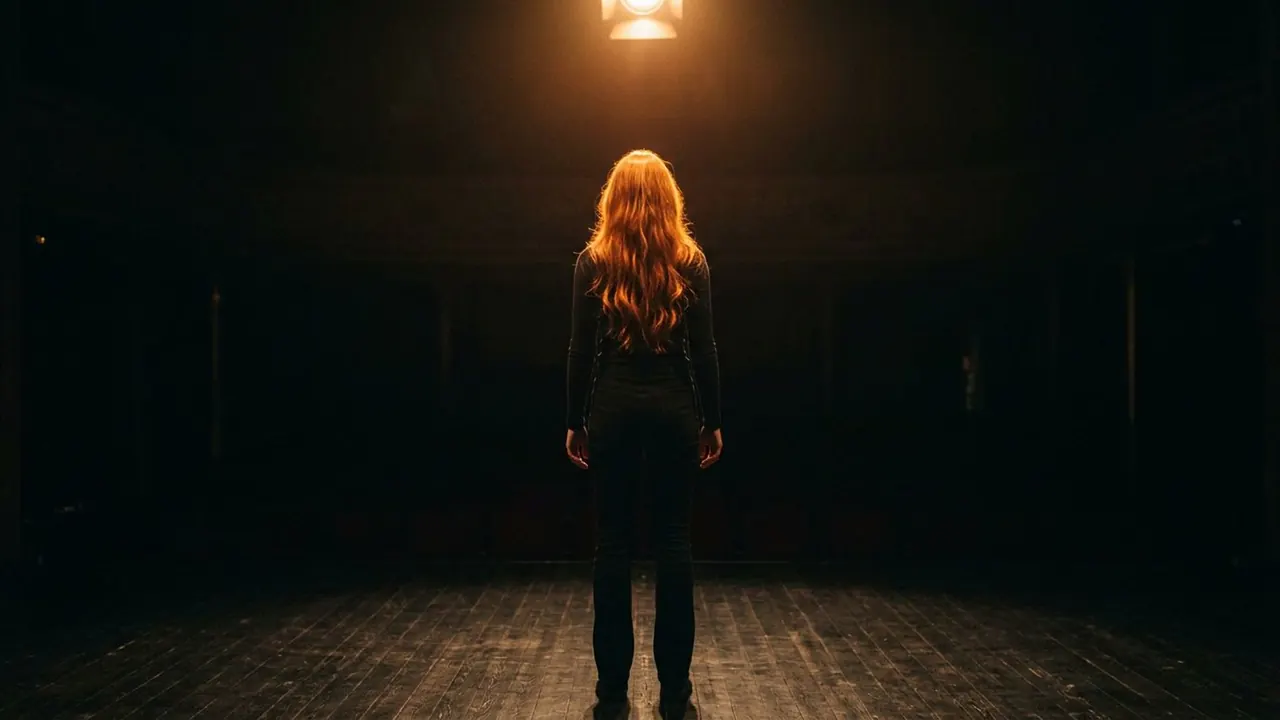
One dominant light also makes a picture legible. A face lit from one place has a lit side and a shadow side, and that difference is what gives a flat image the look of something solid.
How it works
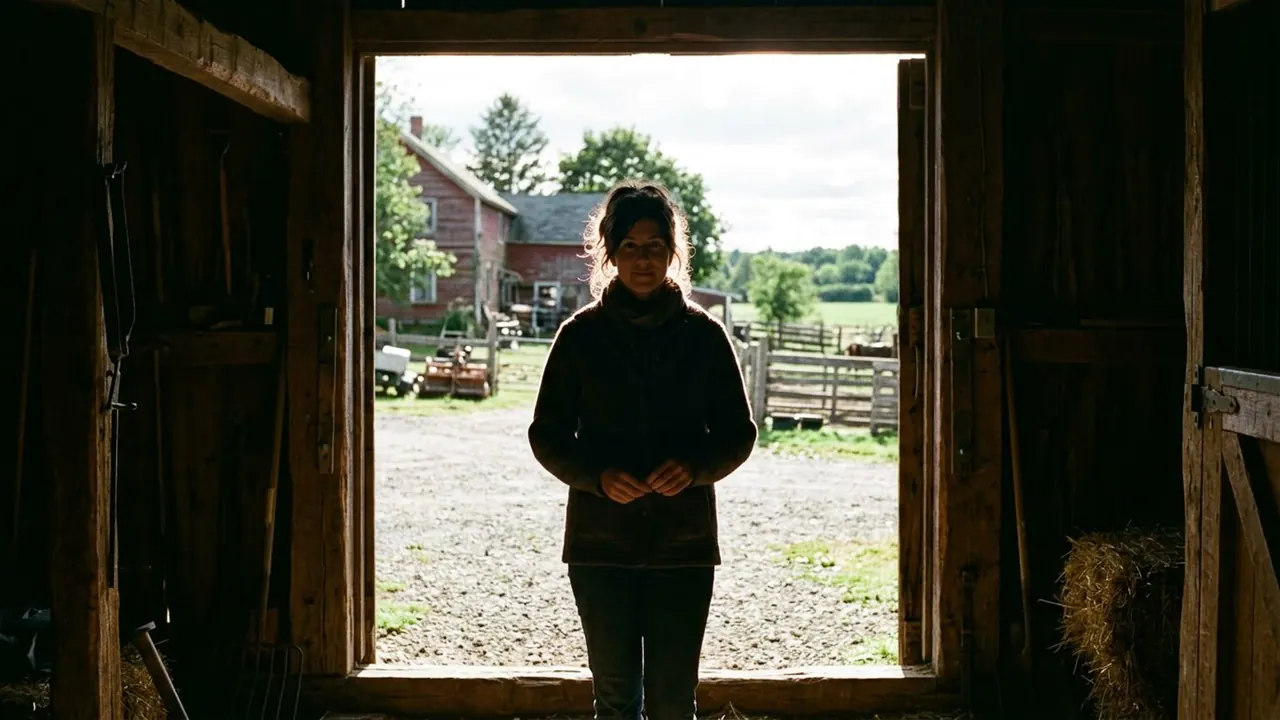
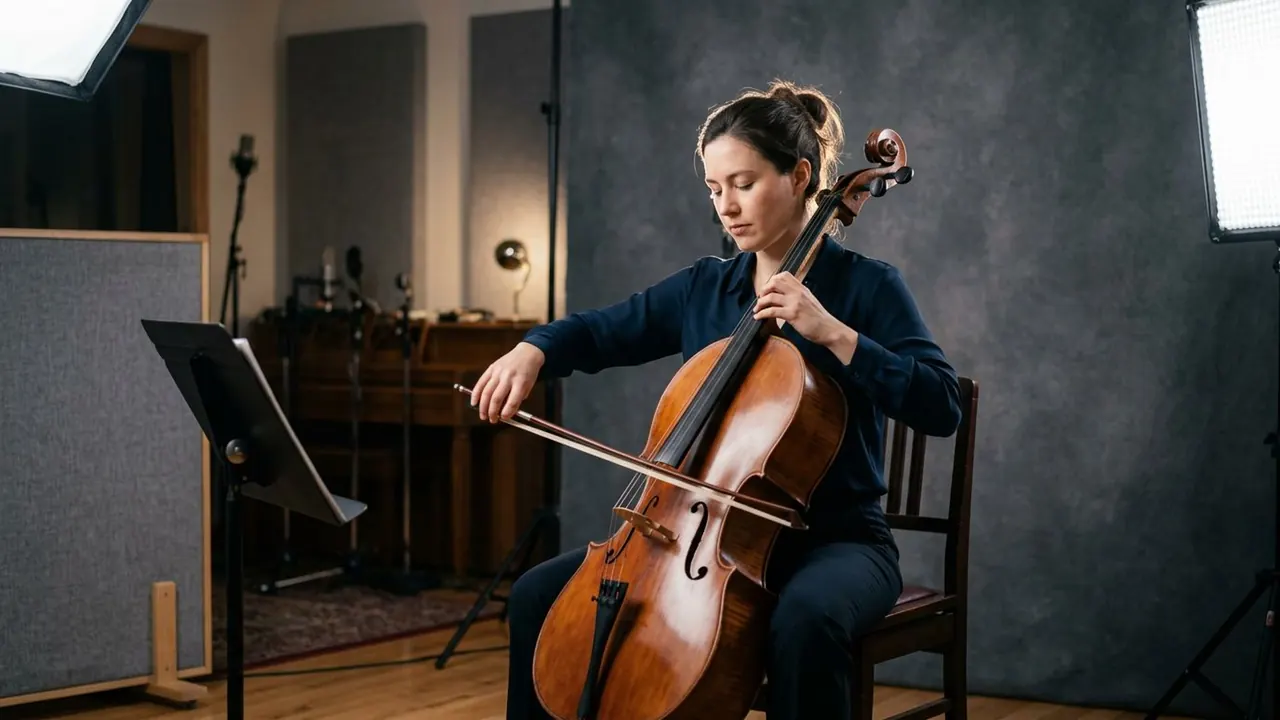
The key is the brightest source on the subject and it comes from one direction. Forty five degrees off the lens and a little above eye level is the usual starting place, because it puts shadow under the brow and beside the nose while leaving the eyes open.
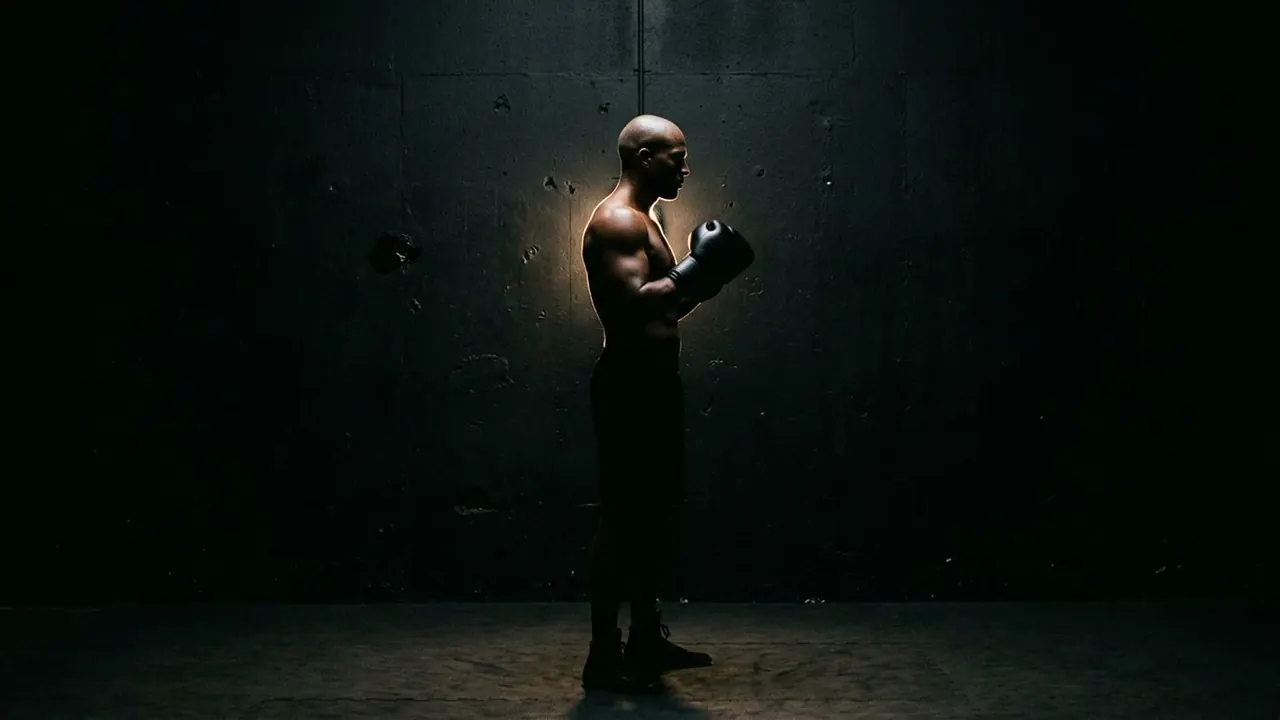
Size decides the shadow edge. A large source close to the subject gives a soft edge that rolls off across the cheek. A small source far away gives a hard edge with a visible line. Both are keys, and the choice is separate from the direction.
Moving the key changes the genre faster than any other single decision. Dropped below the chin it unsettles. Pushed round to the side it splits the face in half. Brought back to the lens it flattens everything out.
When to use it
Name a key whenever the lighting has to have a shape. Any frame with a face in it improves when you say where the main light comes from, because the alternative is the model deciding, and it decides flat.
Skip it when the look is deliberately sourceless, such as heavy overcast or a room full of fog where nothing has a direction. Naming a key there argues with the description you have already given.
Told apart from its neighbours
A fill light is the second source. It lands on the shadow side and lifts it, and it is always dimmer than the key. The test is which side of the face a light is working on: the key makes the shadow, and the fill opens it up.
When two sources are the same brightness, neither one is a key and the face goes flat. Say that a single source is clearly the main one.
The prompt
Replace the blanks, keep the rest. Then run it on a video model.
<subject> with a single key light from <direction>, main source shaping the face, shadow falling away from it
What goes wrong
The common return is even light from the front with no shadow anywhere. Give the direction in words, such as key from camera left and slightly above, and say the far side falls into shadow.
The second failure is two competing keys, one each side, which reads as a stage rather than a room. Ask for one main source and let the other side go dark.
Leave out
multiple keys, flat light
Watch for
Name the direction. That one choice decides most of the look.
Questions
Shoot it
Pay for the one run. No subscription, and the price is on the model page before you sign in.
Next to it in the standard setup