Practical Lighting
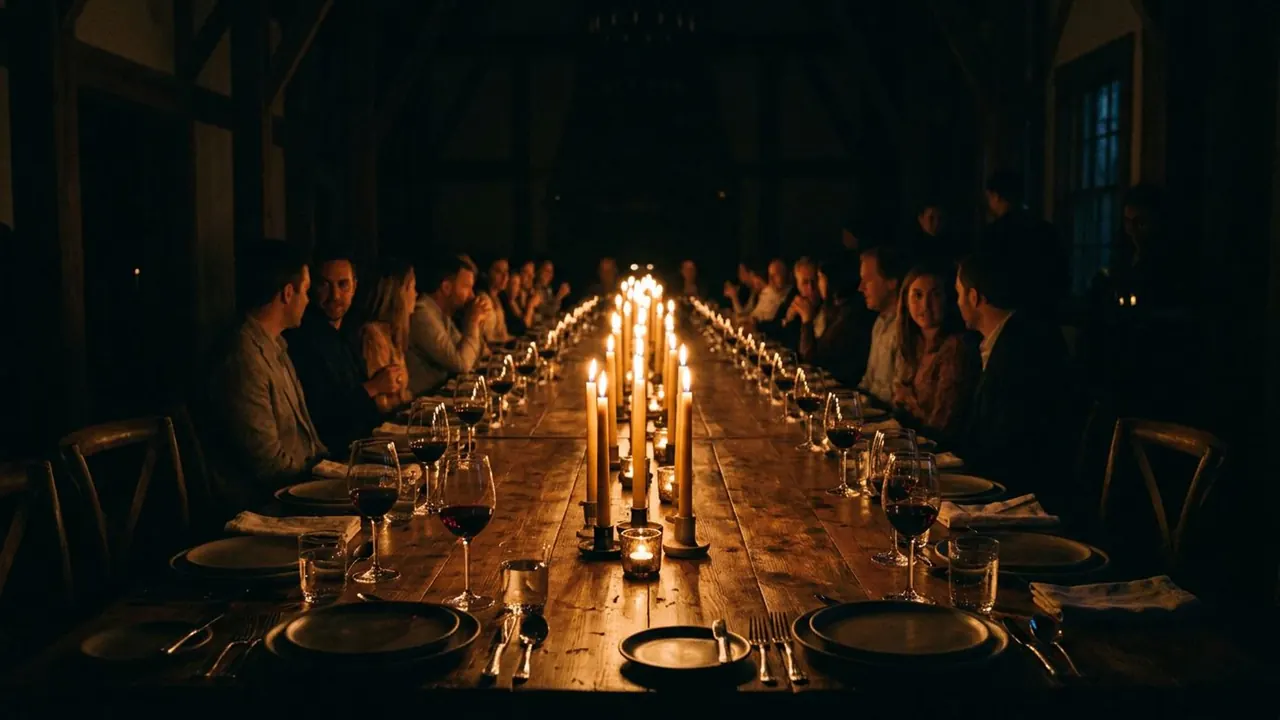
Lamps that appear in the shot do the lighting.
Opens a video model with the prompt in it. The price is on the page before you sign in.
What it is for
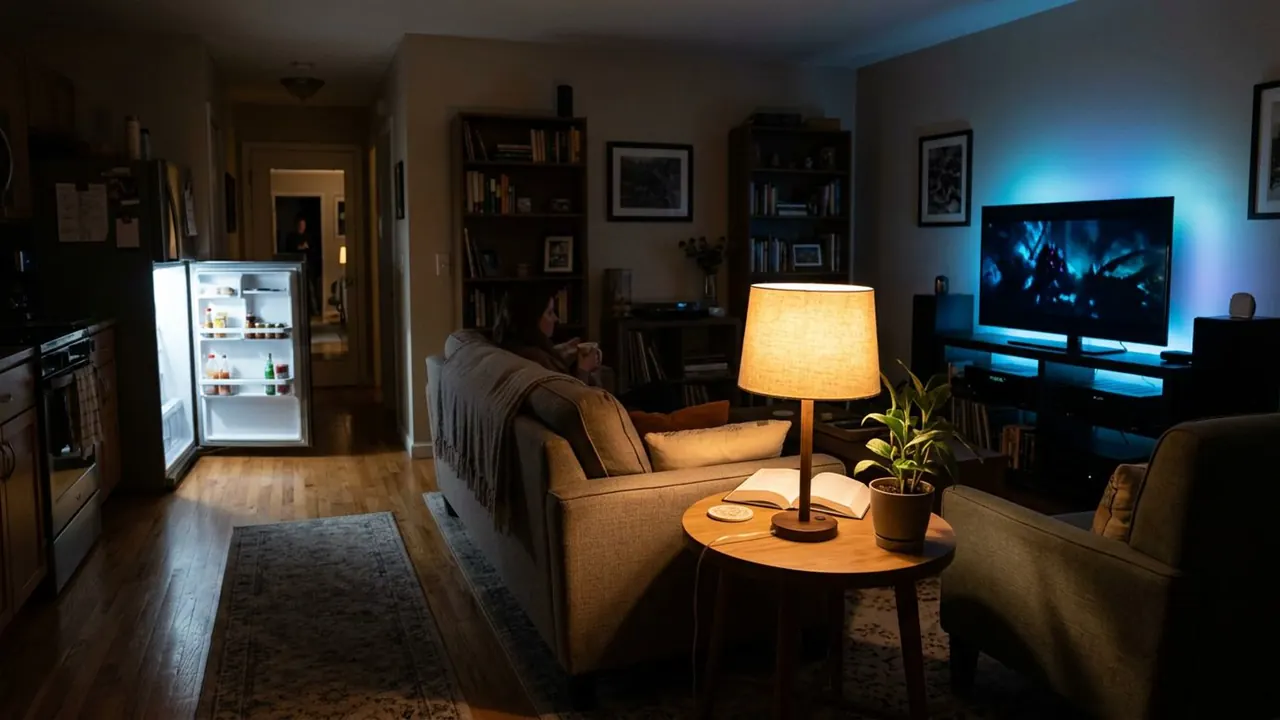
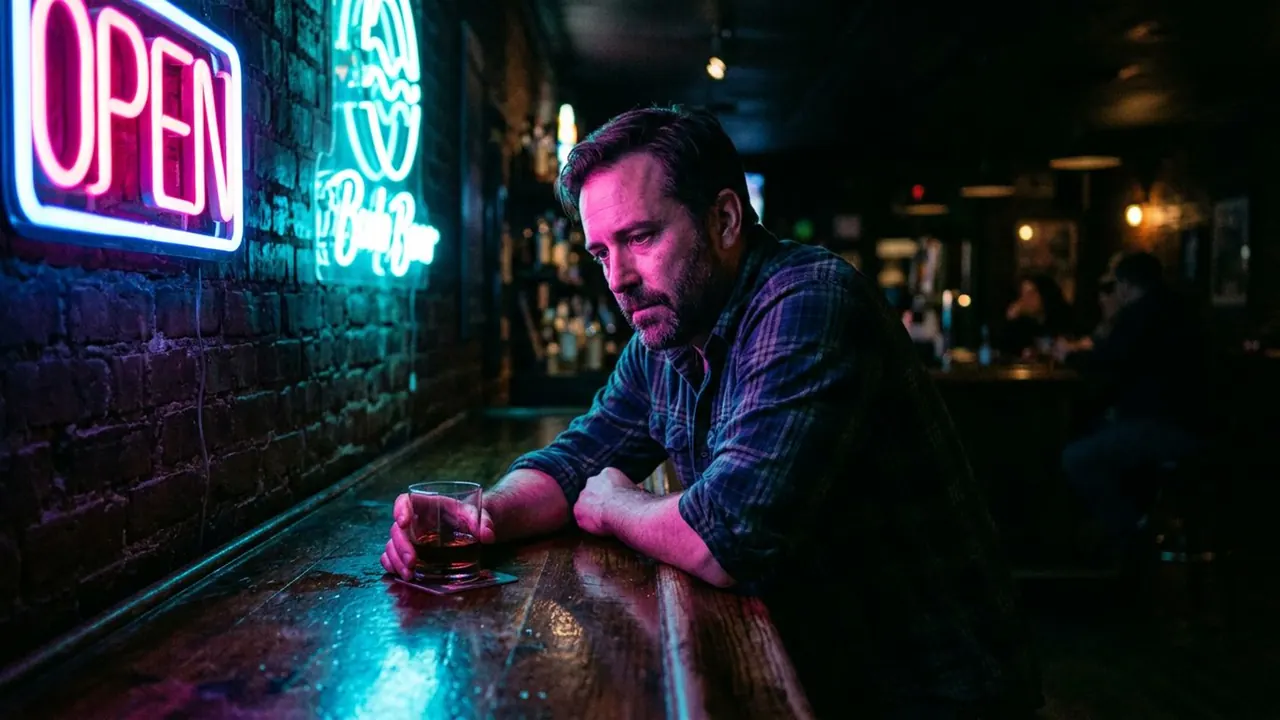
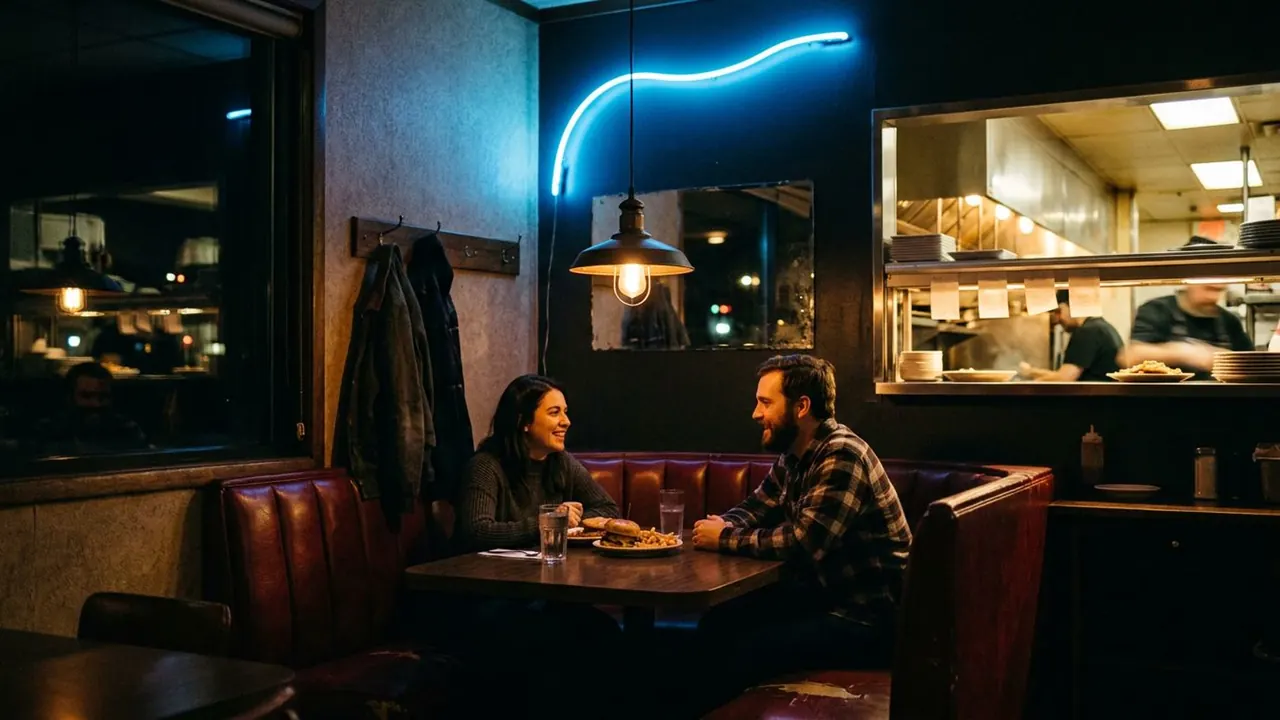
The lamps you can see are the ones doing the work. A table lamp, a strip light, a candle, a television, and the room lights itself in front of the audience.
Seeing the source makes the image hard to argue with. It also gives a set depth for free, because a lit lamp in the background is a bright point at a known distance.
How it works
Practicals are usually too dim to expose for, so they get rebuilt. Higher wattage bulbs, a dimmer to hold them just under clipping, and shades lined or painted to control where the light goes.
Falloff around each lamp is steep, so an actor moves through pools rather than across an even wash. Blocking becomes a lighting decision, and where somebody stops is where they are lit.
Bulbs usually sit warm, around 2700K, and a scene lit by them reads amber against any daylight coming in a window. Keeping that difference rather than correcting it is what makes the room look real.
When to use it
Use it for domestic interiors, bars, offices at night, and any scene where the audience should feel they are in a real room.
Avoid it when faces have to read consistently across a lot of coverage. Pools of light are unforgiving when an actor does not hit the same mark twice.
Told apart from its neighbours
Motivated lighting only needs the light to look as though it comes from something in the scene. Practical lighting needs the visible lamp to be the actual source.
The test is whether removing the lamp changes the exposure. If it does, the lamp is practical. If it does not, the scene is motivated by it.
The prompt
Replace the blanks, keep the rest. Then run it on a video model.
<subject> lit by the lamps visible in the room, sources in frame, falloff away from each lamp, warm pools of light
What goes wrong
The lamps appear as props and the lighting comes from somewhere else. Say the lamps in frame are the sources, and ask for visible falloff away from each one.
The second failure is an evenly lit room with a lamp sitting in the corner. Ask for warm pools of light with dark space between them, and ban hidden sources.
Leave out
hidden sources, studio lighting
Watch for
Show the lamps. The visible source is the whole idea.
Questions
Shoot it
Pay for the one run. No subscription, and the price is on the model page before you sign in.
Next to it in where the light comes from