Available Light
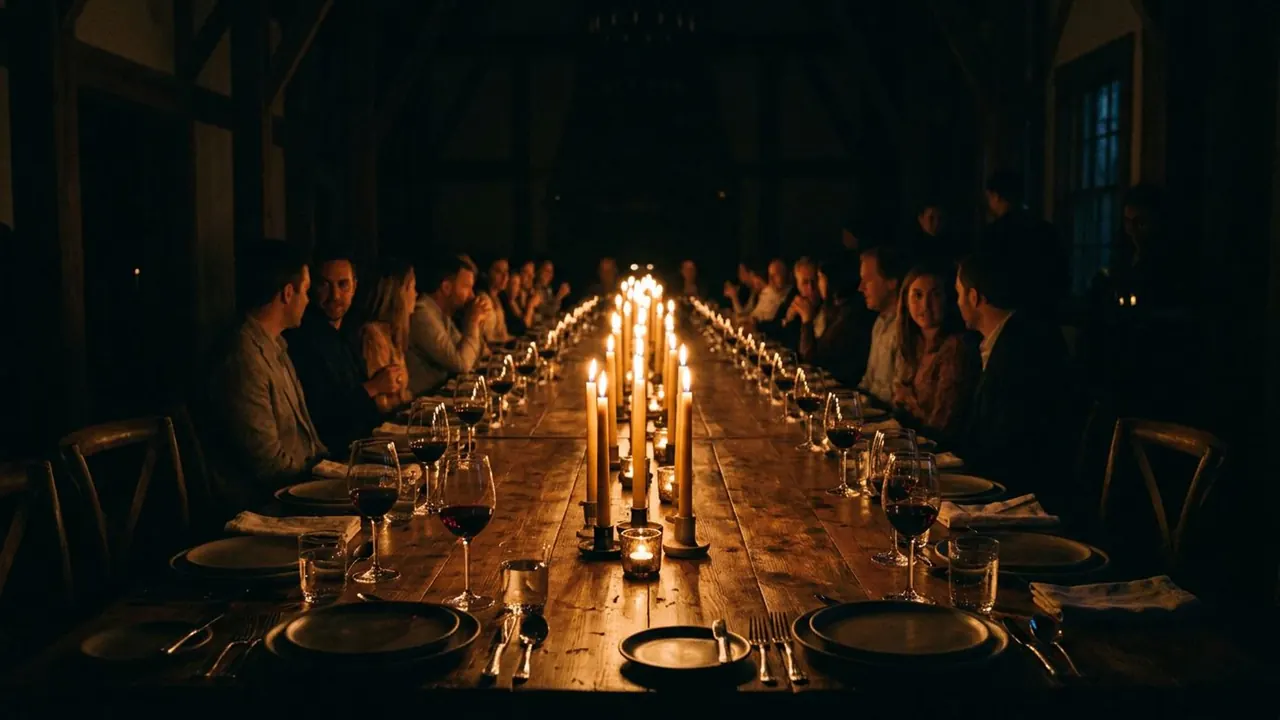
Only the light already in the place is used.
Opens a video model with the prompt in it. The price is on the page before you sign in.
What it is for
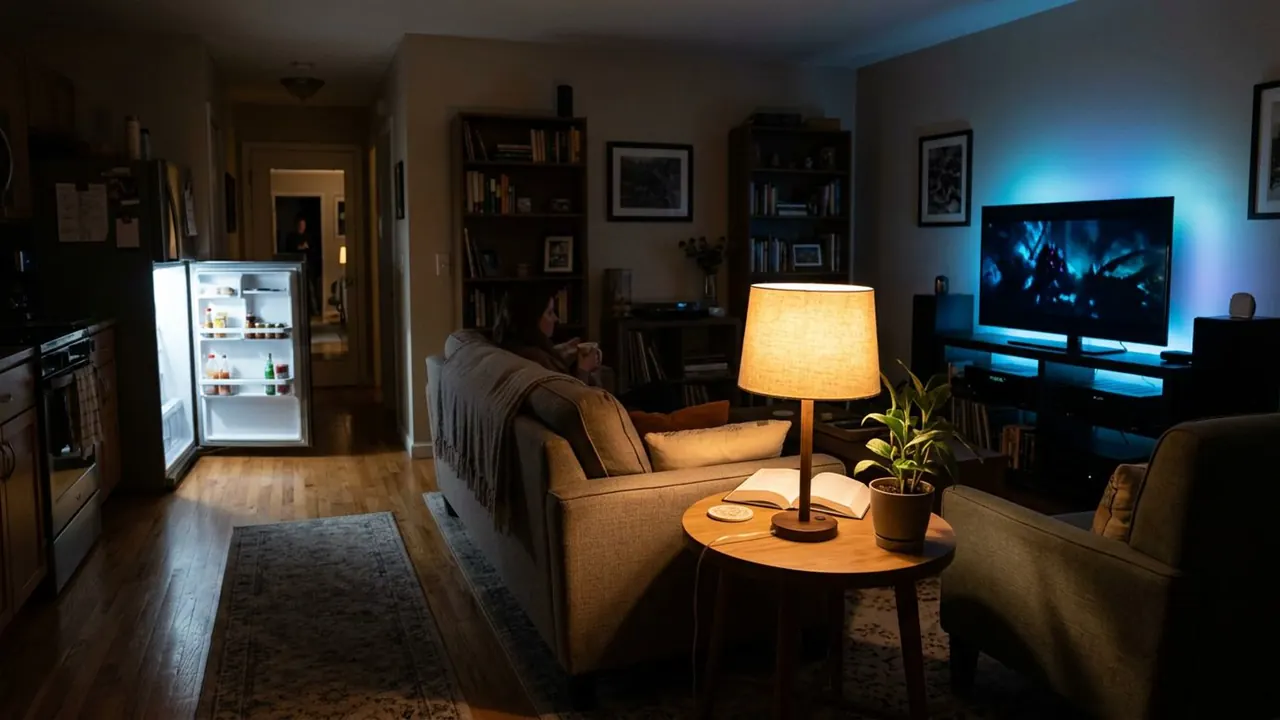
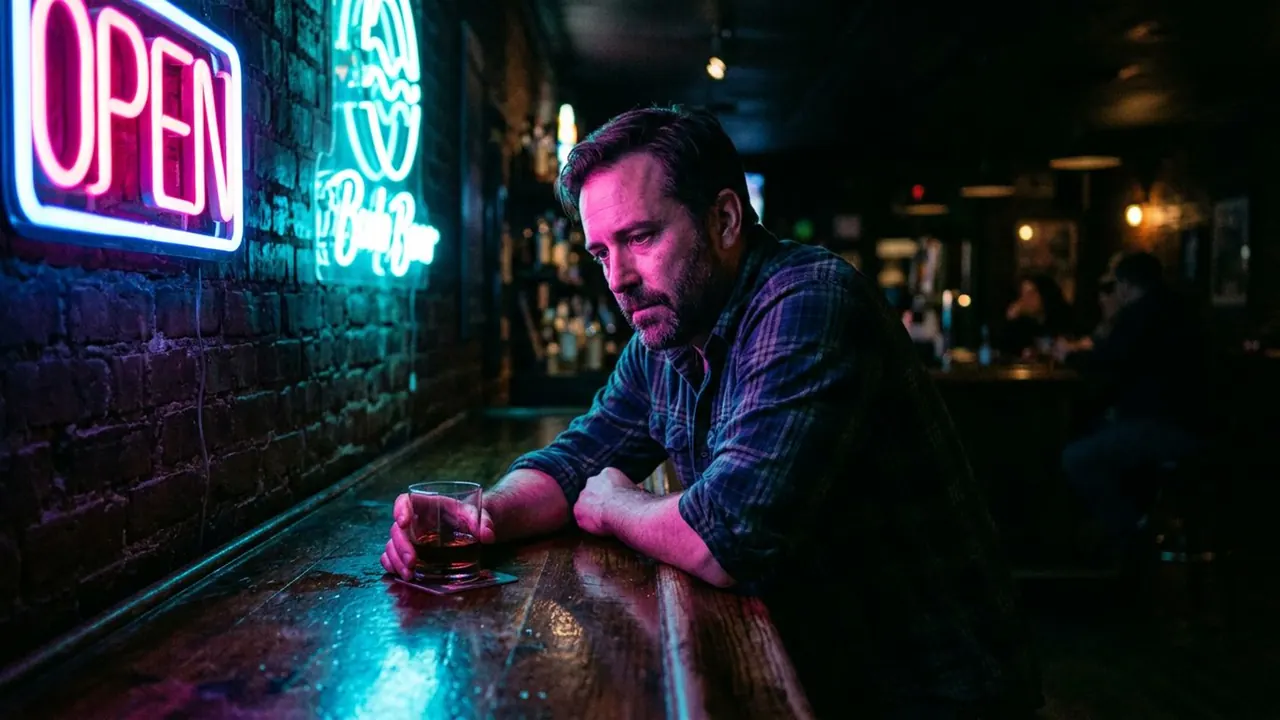
Nothing is added. Whatever the place already has is what the scene gets, and the unevenness that comes with it is the whole reason to work this way.
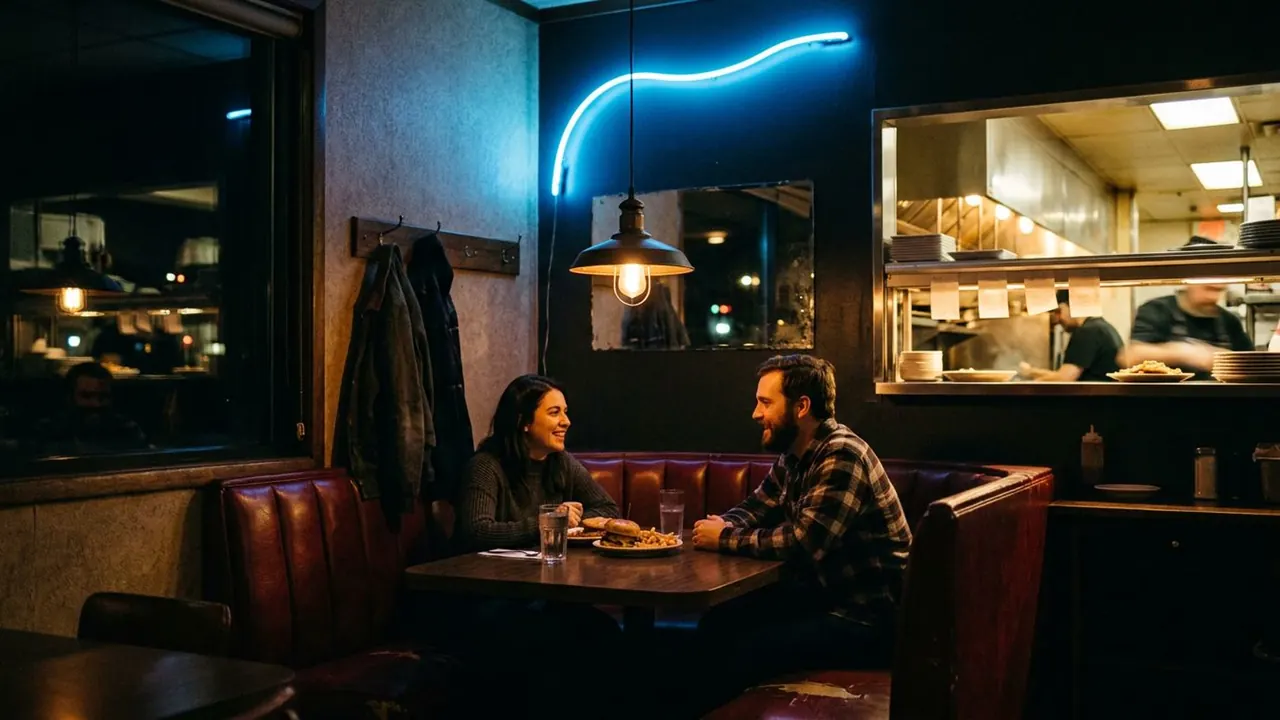
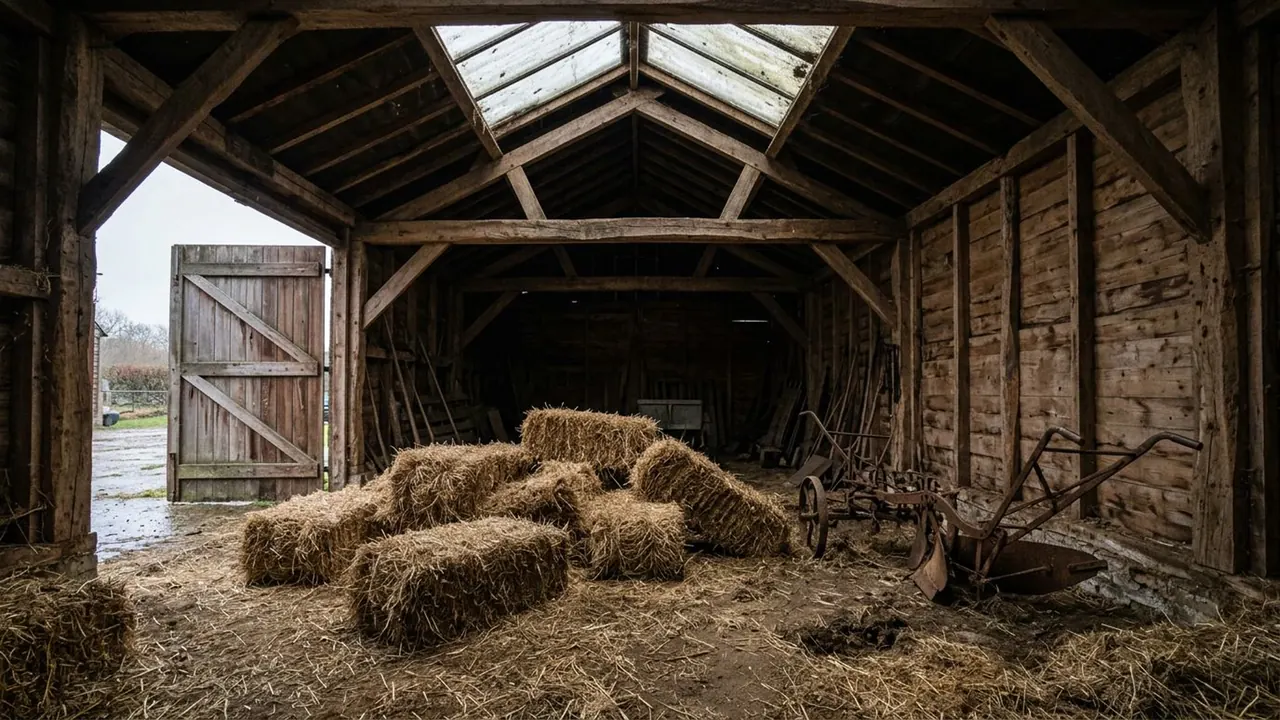
It also buys speed and access. A crew with no units can shoot in a working street, a small flat or a moving car, and the footage carries the honesty of a place that was not prepared.
How it works
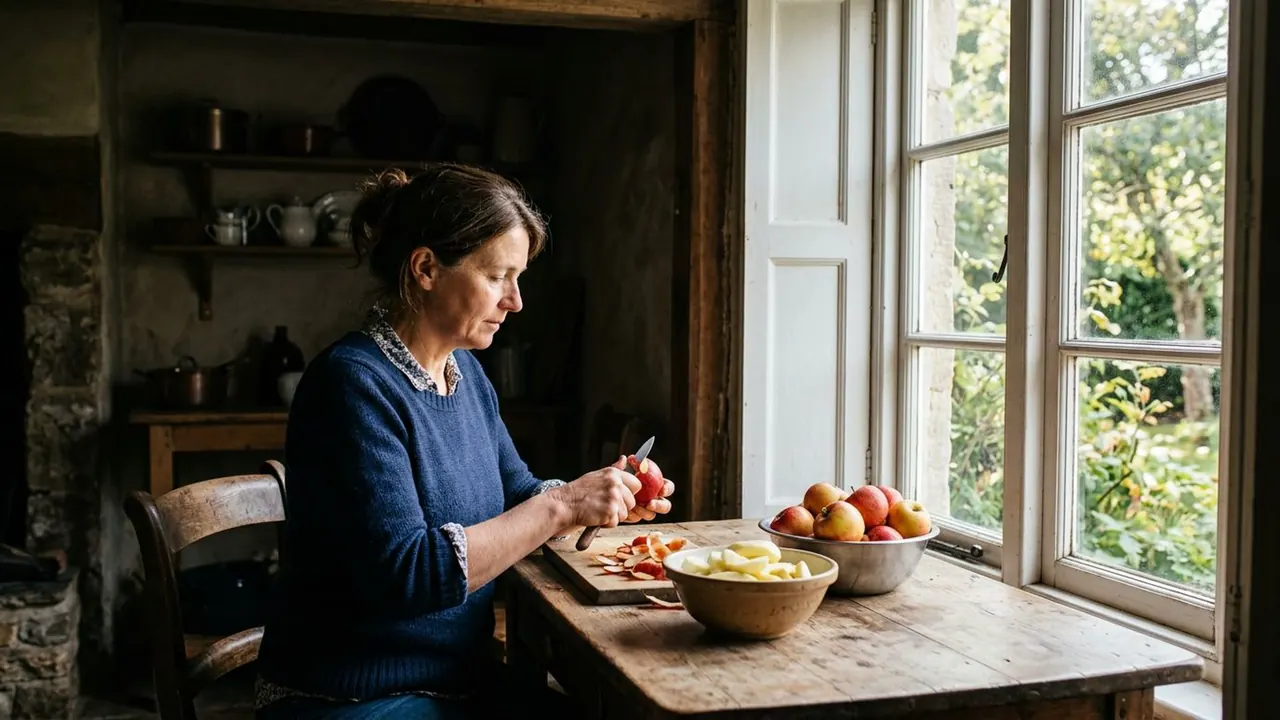
Exposure is set by finding where the light already is and putting the actor there. A window, a doorway, a shop front. Blocking does the job that lighting would otherwise do.
Fast glass and a high ISO carry the rest. Historically this meant pushing film stock, and the grain that came back became part of the look rather than a compromise.
Falloff stays uneven, and a face gains and loses two or three stops as somebody crosses a room. Leaving that alone is what separates the look from a lit scene.
When to use it
Use it for documentary, for realism, and for any scene that has to look caught rather than staged. It is also the right answer when the location cannot take lights.
Skip it when a face has to be read at a specific moment. Available light does not care where your actor is standing when the important line arrives.
Told apart from its neighbours
Naturalistic ambient is a look: soft, general, no obvious source, and usually built with units to seem unbuilt. Available light is a method, and the result can be as harsh as the room happens to be.
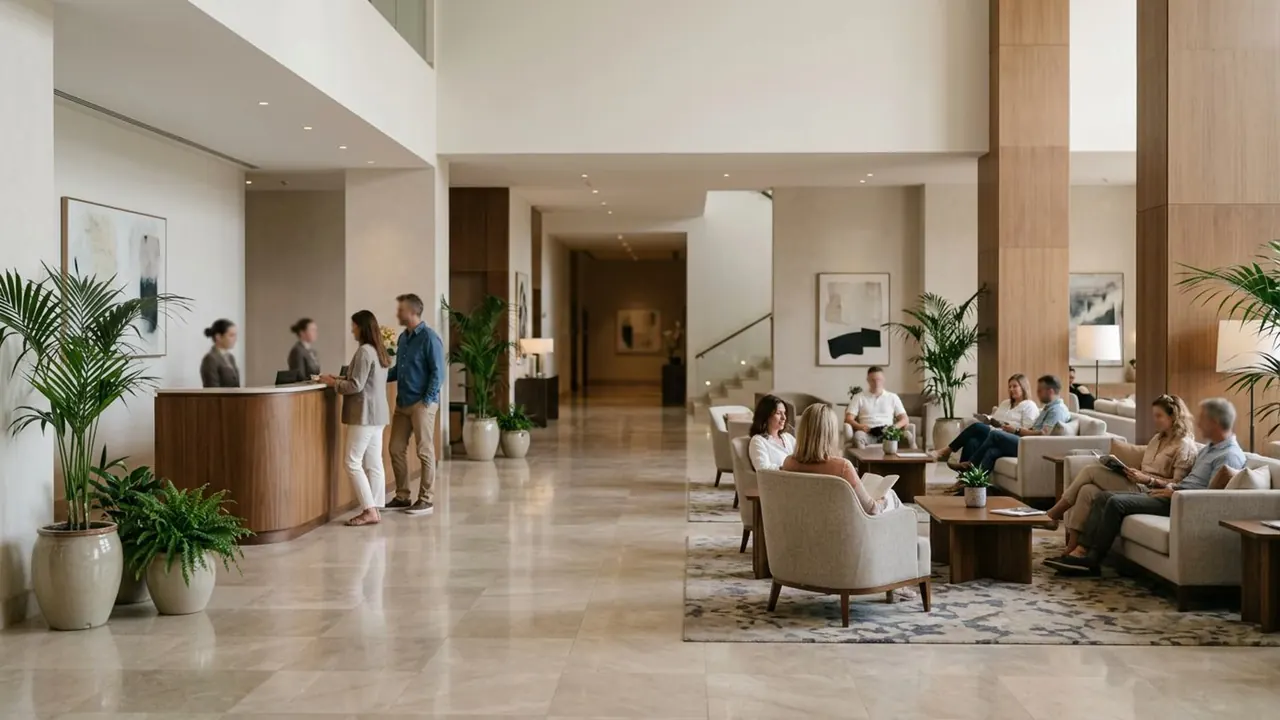
So an available-light scene is often uneven and contrasty, while a naturalistic ambient scene is smooth by design. If the light is suspiciously even, somebody added it.
On film
Raoul Coutard shot much of Breathless (1960) with no lighting units, using the light in Paris streets and flats and pushing the film stock to reach an exposure. The look that came back changed what a feature was allowed to look like.
- Breathless (1960)
The prompt
Replace the blanks, keep the rest. Then run it on a video model.
<subject> lit only by the light already in the room, no added sources, uneven natural falloff, real exposure
What goes wrong
The result arrives evenly lit, because even light is what a model treats as correct. Say the falloff is uneven and that no sources were added.
The second failure is a clean, polished image. Ask for real exposure with the highlights running hot and the corners falling dark, and name the one source the room actually has.
Leave out
studio lighting, added fill
Watch for
Say the falloff is uneven. Even light is the tell that a lamp was added.
Questions
Shoot it
Pay for the one run. No subscription, and the price is on the model page before you sign in.
Next to it in where the light comes from