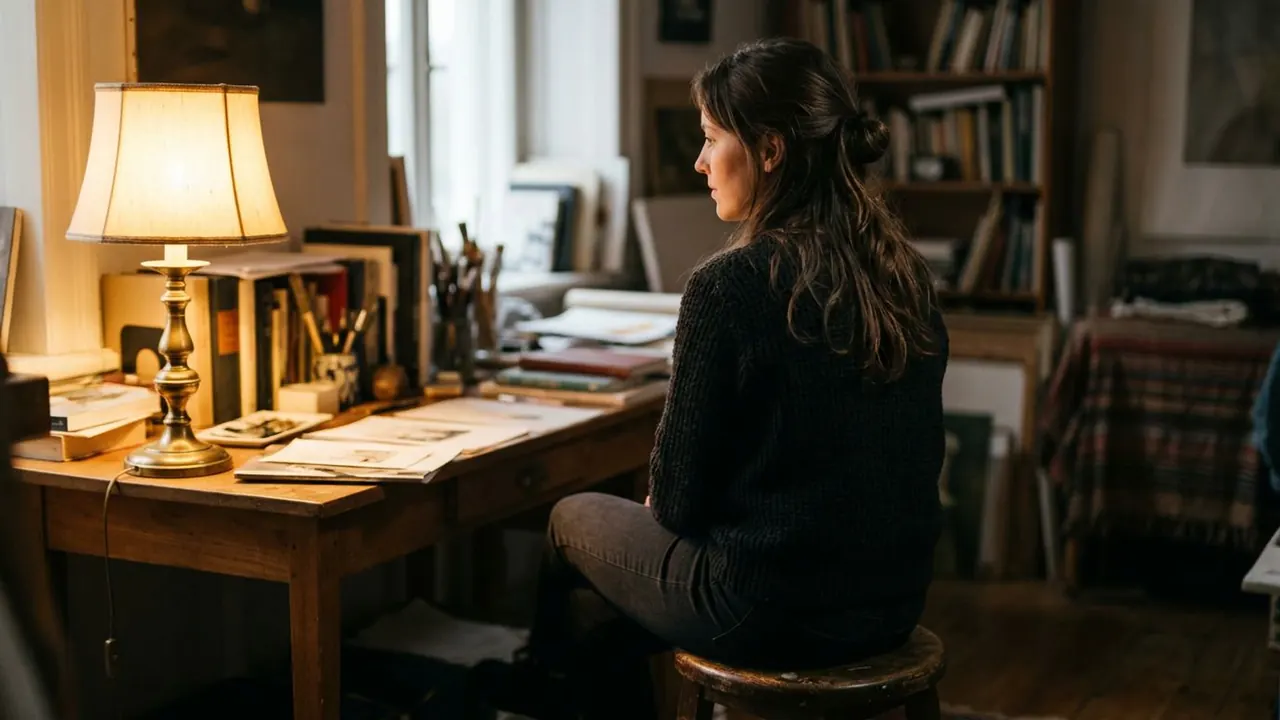
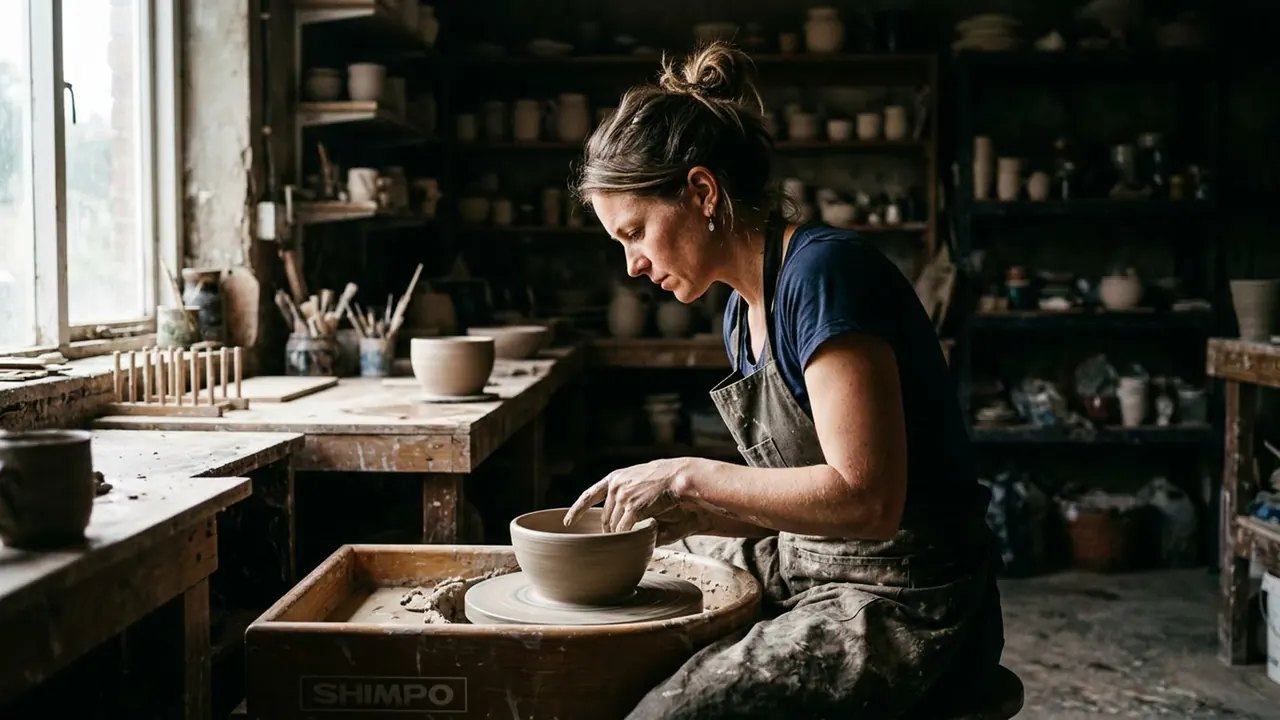
Broad Lighting
The key falls on the side of the face turned toward the camera.
Opens a video model with the prompt in it. The price is on the page before you sign in.
What it is for
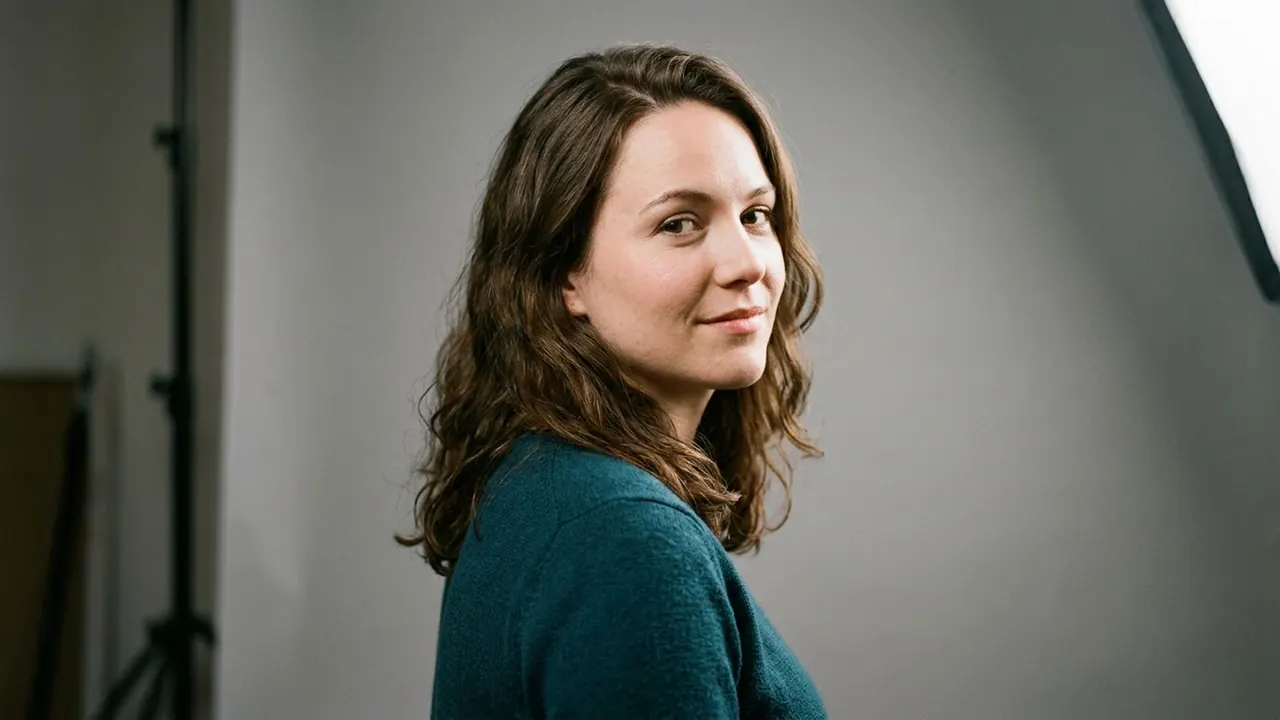
Lighting the side of the face that is turned toward the camera puts the larger visible area in light and the smaller one in shadow. The face reads wider and fuller than it is.
It is a shaping tool with a specific use. A narrow face, a thin subject or anyone who needs to look more present on camera gains something real from it.
How it works
Turn the subject's head slightly away from the lens, then put the key on the side you can still see most of. The near cheek takes the light and the shadow goes to the small far side.
The shadow ends up doing very little, because the part of the face it covers is mostly turned away from the camera. That is why the picture reads open and bright even with a strong key angle.
The pattern comes from the relationship between three things: where the subject looks, where the camera is, and where the key is. Move any one of them and broad can become short without the lamp moving at all.
When to use it
Use it on narrow faces, on subjects who should look healthy and approachable, and in commercial work where a face should feel open.
Skip it on a round or full face, where it adds width you did not want, and skip it for character work that benefits from a face looking drawn.
Told apart from its neighbours
Short lighting is the same setup with the key on the other side, so the light falls on the part of the face turned away from camera and the near side goes to shadow. That narrows the face.
The test is which cheek is lit. The cheek nearest the lens is broad. The cheek furthest from the lens is short.
The prompt
Replace the blanks, keep the rest. Then run it on a video model.
broad lighting on <subject>, key on the side of the face turned to camera, shadow on the far side, face reading wider
What goes wrong
Models often produce a straight frontal portrait with no turn in the head, which removes the distinction entirely. Say the head is turned slightly away and name which cheek takes the light.
The second failure is the wrong side, because broad and short look similar in a description. State it plainly: the key falls on the side of the face turned toward the camera.
Leave out
short lighting, flat light
Watch for
It widens a face. Use short lighting when you want the opposite.
Questions
Shoot it
Pay for the one run. No subscription, and the price is on the model page before you sign in.
Next to it in light on a face