Hard Light
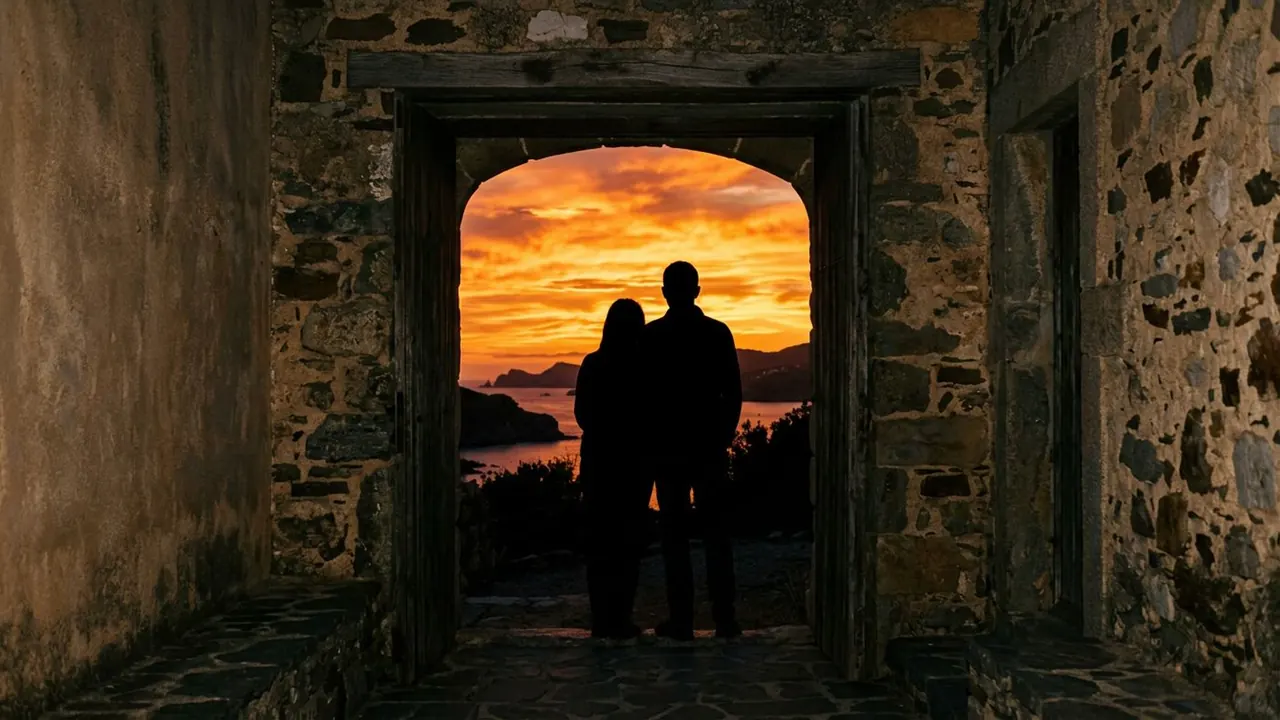
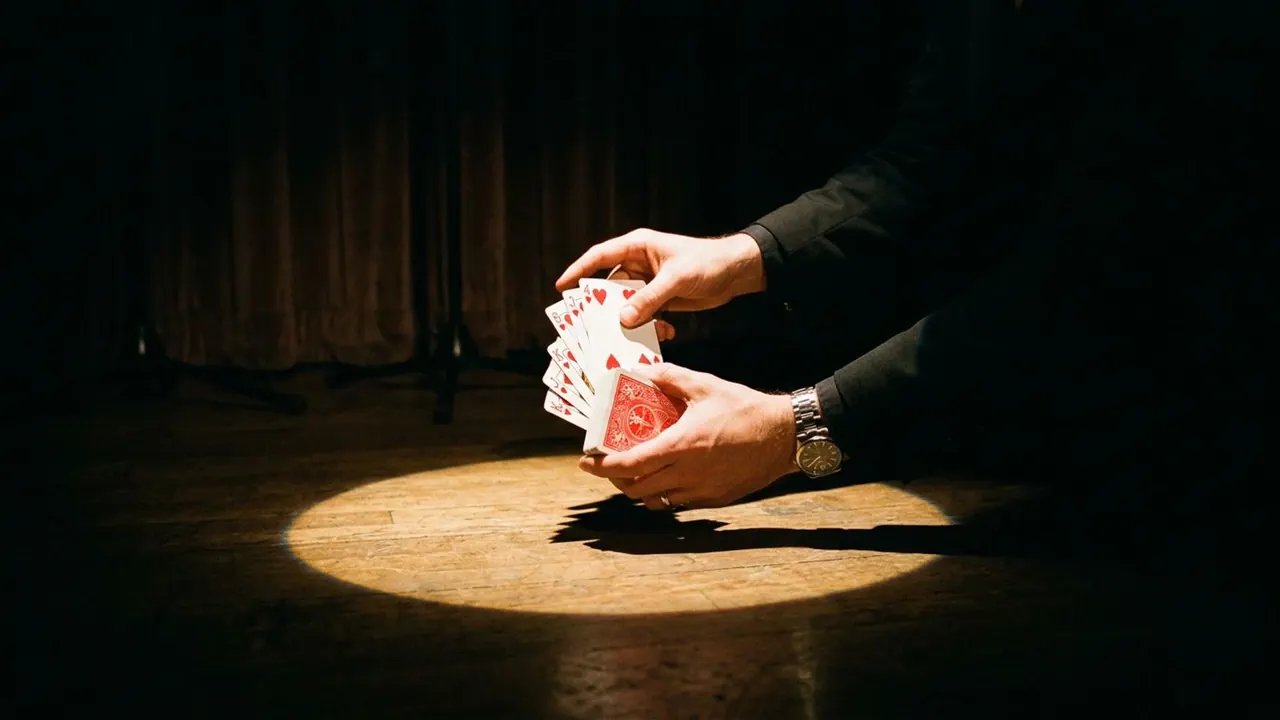
A small source cuts sharp shadow edges.
Opens a video model with the prompt in it. The price is on the page before you sign in.
What it is for
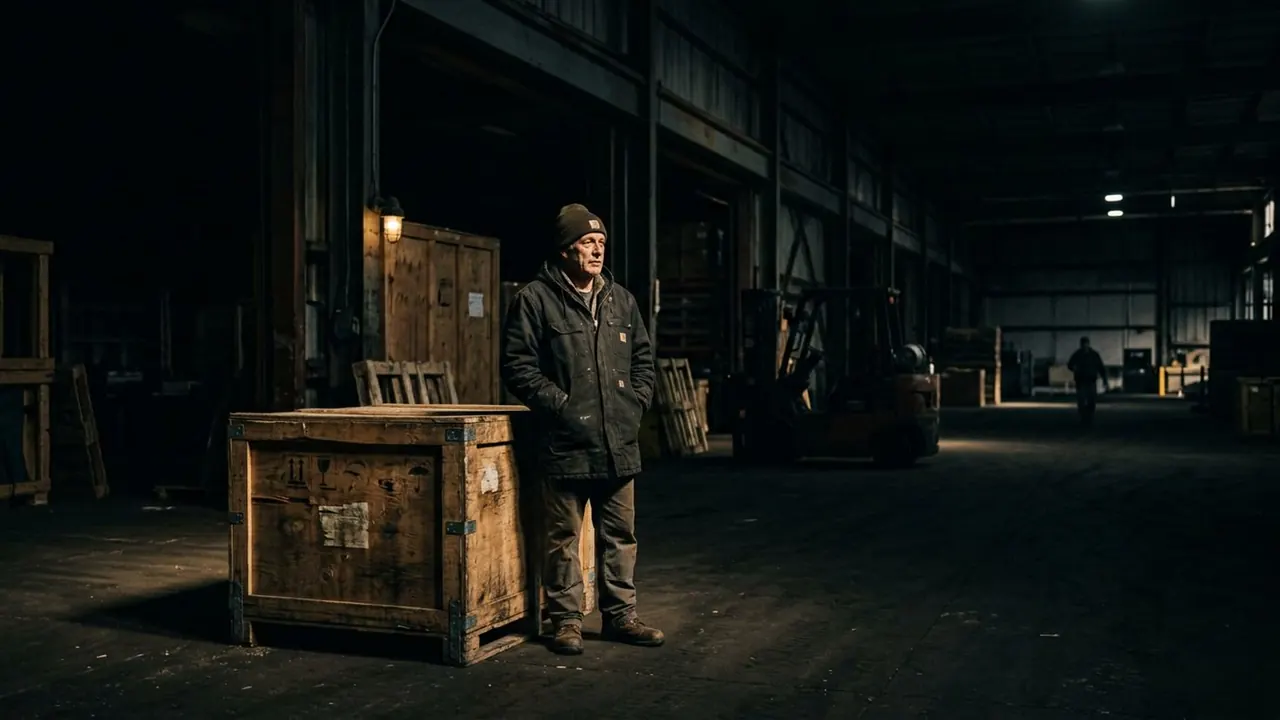
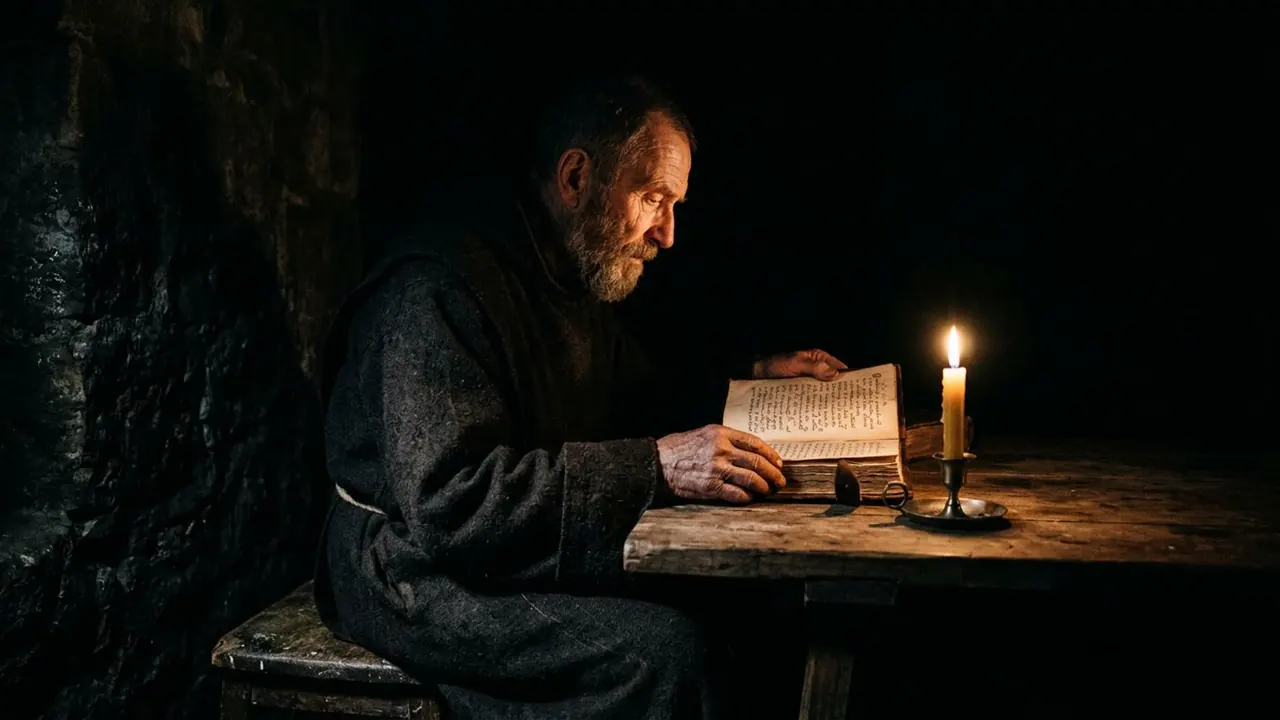
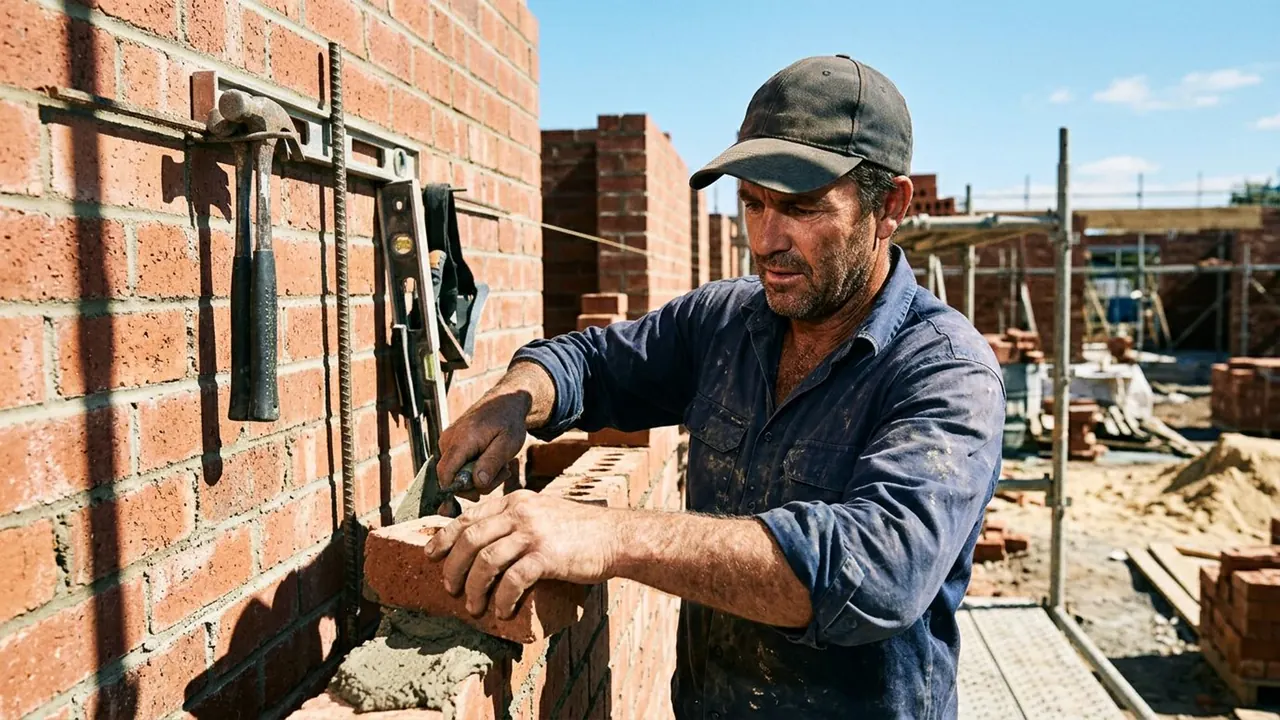
A small source draws a sharp line between lit and unlit, and everything with a surface gains texture. Skin shows pores and lines, fabric shows weave, and a wall shows every dent in the plaster.
Hard light also reads as honest or hostile depending on the scene, because it is the light of the sun at midday and of a bare bulb in a room with nothing in it.
How it works
What makes light hard is the apparent size of the source from where the subject stands. The sun is enormous and still hard, because at that distance it covers about half a degree of sky.
Moving a source further away makes it smaller in angle and harder in effect. Taking the diffusion off a lamp does the same thing, and so does swapping a large panel for a fresnel.
Shadow placement gets critical, because a hard shadow is an object in the frame. A nose shadow that reaches the lip looks like a mistake, so the source is set by watching the shadow rather than the face.
When to use it
Use it when texture is the subject, for midday exteriors, for a harsh interior, and for any face that should look worn rather than smoothed.
Skip it on a beauty or a product shot where the surface should read clean. Hard light finds every flaw in both.
Told apart from its neighbours
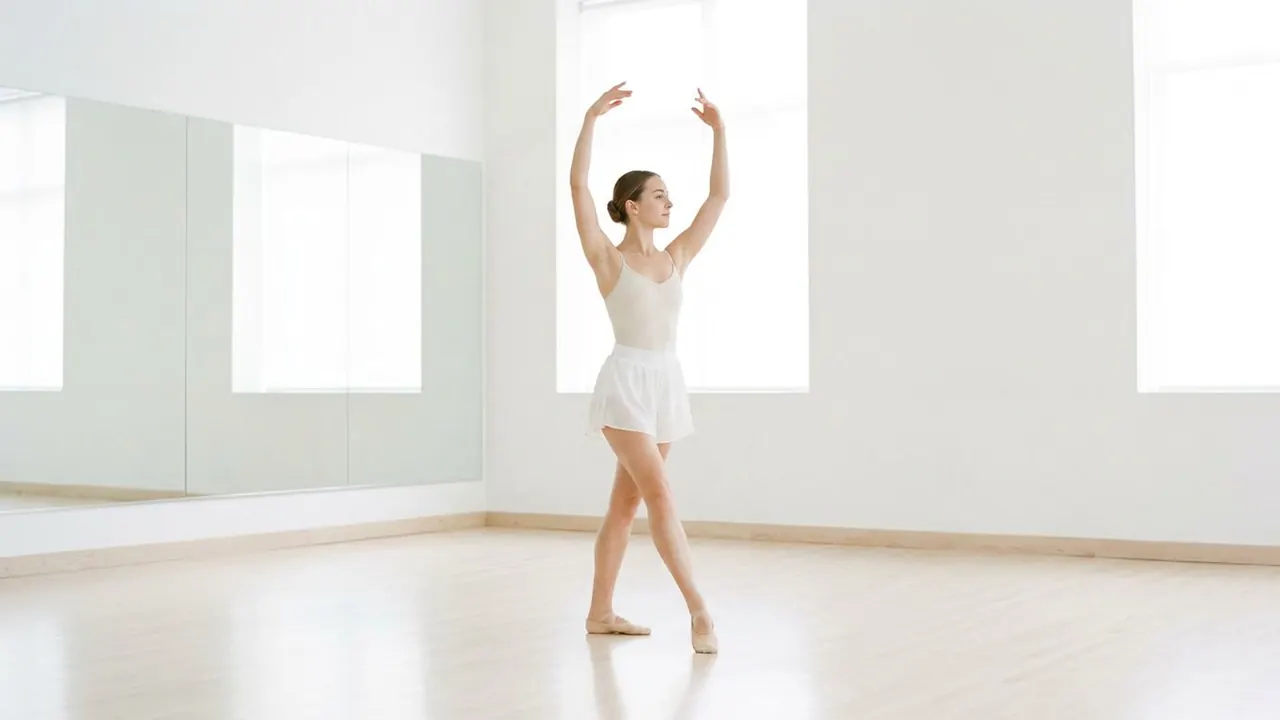
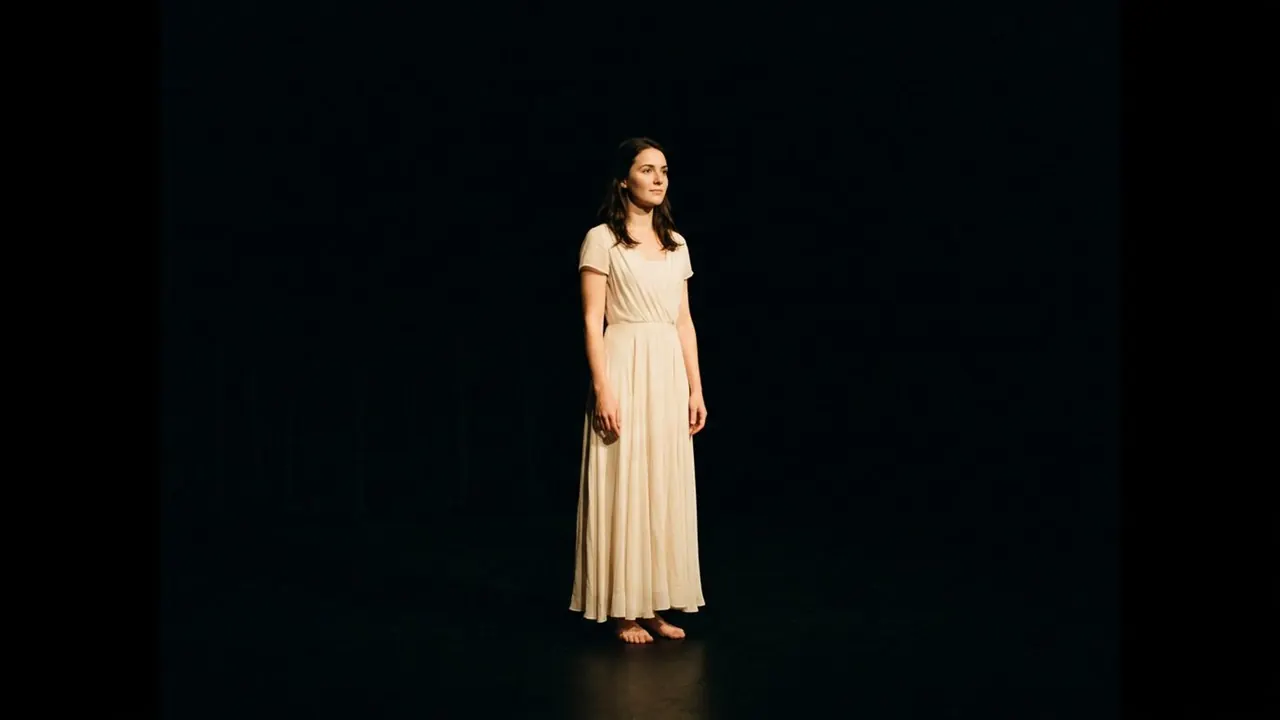
Soft light comes from a large apparent source and gives a gradual shadow edge that wraps around the form. Hard light comes from a small one and gives an edge you could trace.
Judge the shadow, never the brightness. A dim bare bulb is hard. A huge bounced source at full output is soft.
The prompt
Replace the blanks, keep the rest. Then run it on a video model.
hard light on <subject>, small direct source, sharp shadow edges, high contrast, texture raised on the skin
What goes wrong
The model smooths the skin and softens the shadow, because most training images are flattering. Say the shadow edges are sharp and that skin texture is raised.
The second failure is contrast without a real shadow. Ask for a small direct source and name the shadow it casts, such as a nose shadow on the cheek or a hand shadow on the wall.
Leave out
soft light, diffusion
Watch for
Hard light shows every texture. Say so when the texture is the point.
Questions
Shoot it
Pay for the one run. No subscription, and the price is on the model page before you sign in.
Next to it in how much light, and how hard