Short Lighting
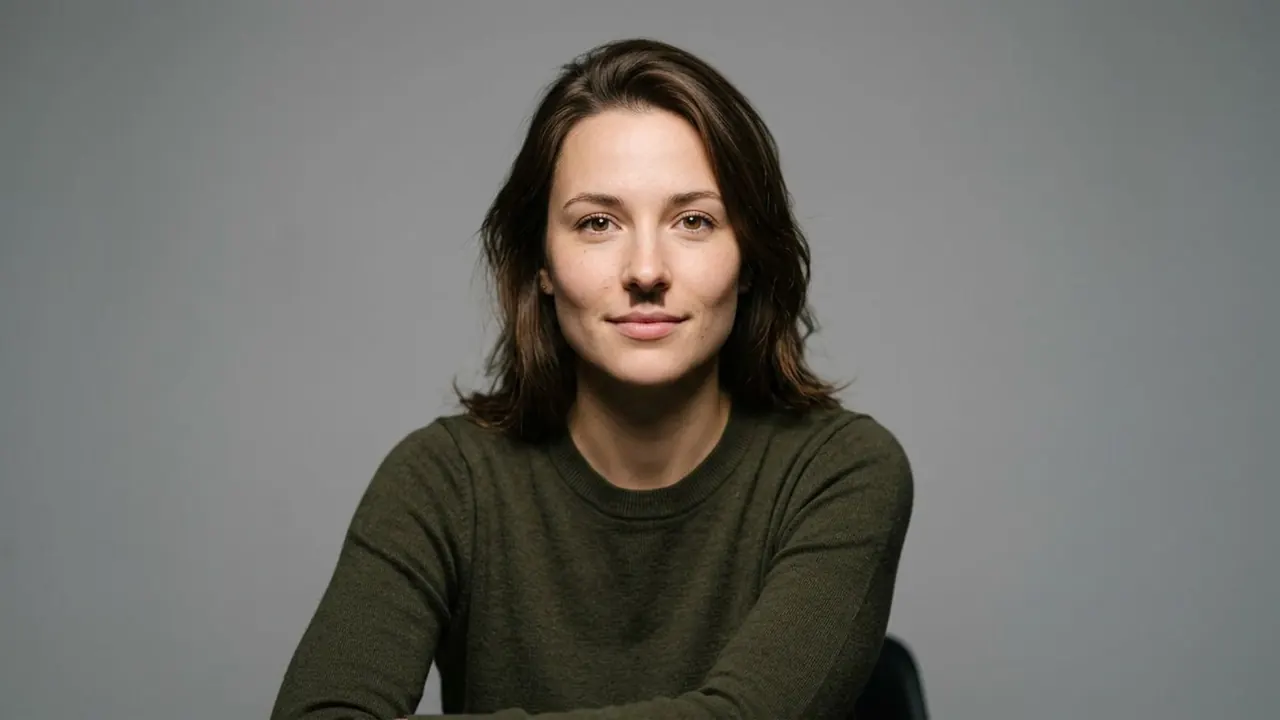
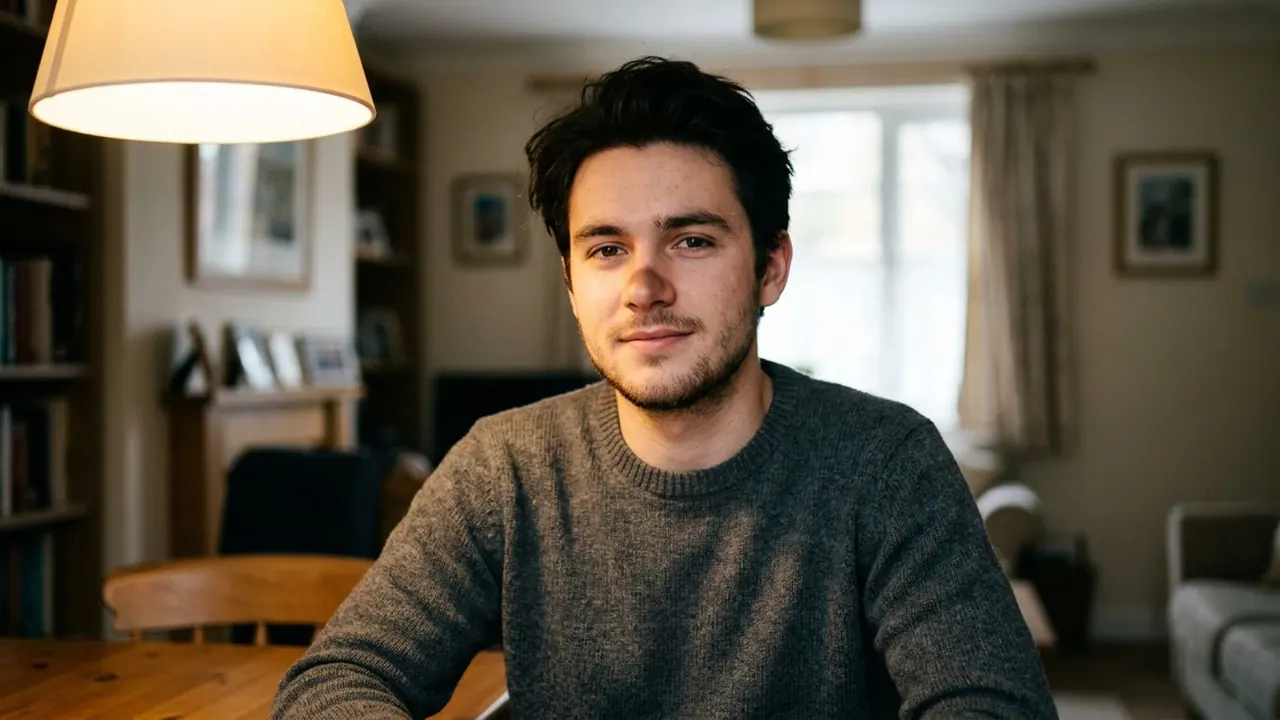
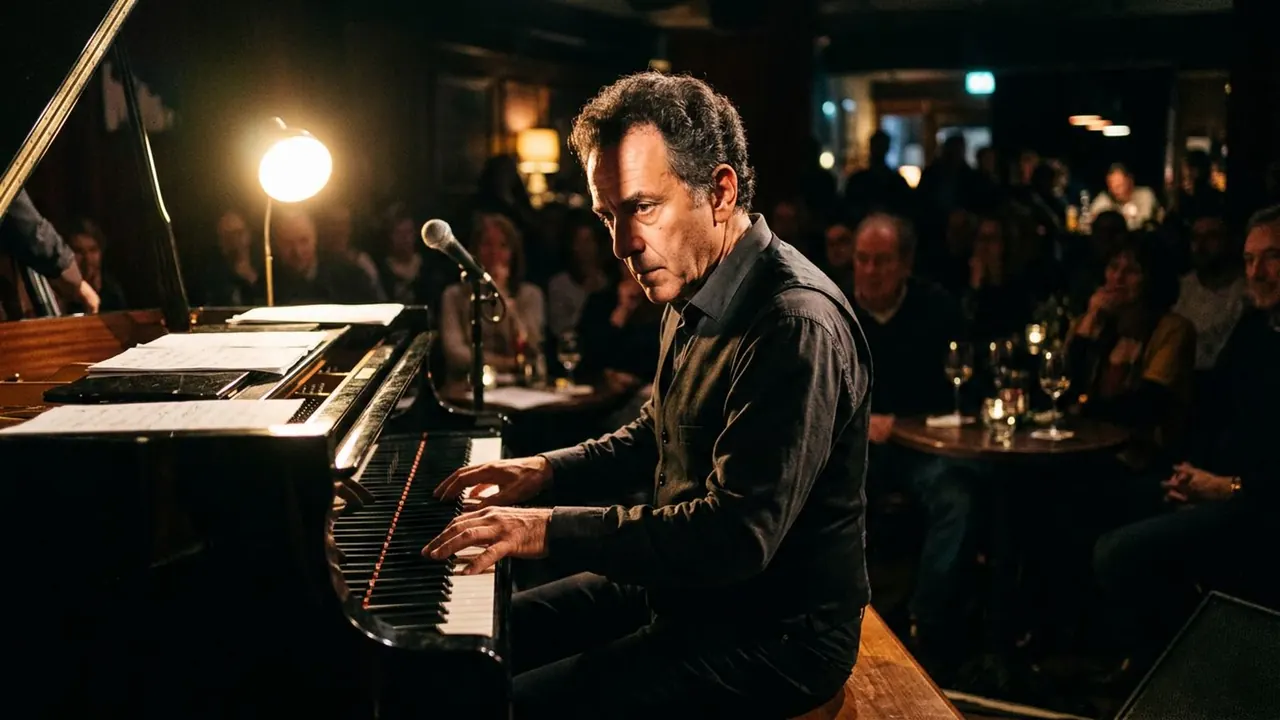
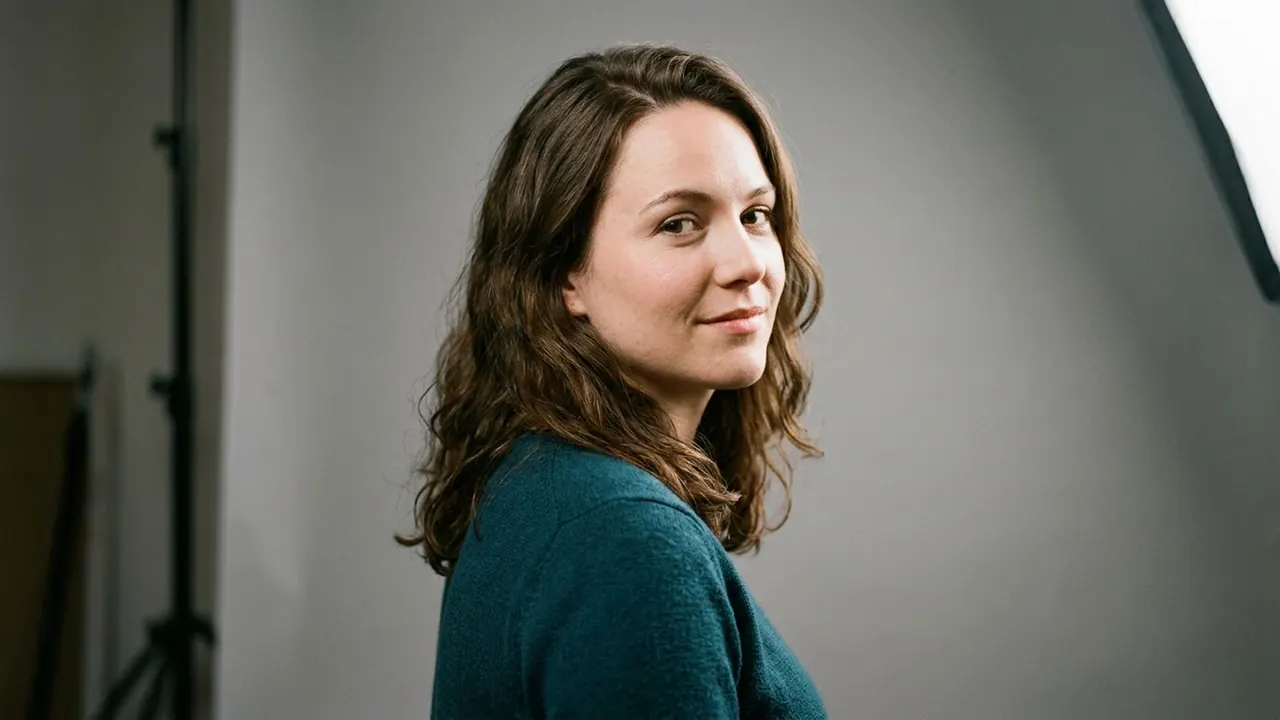
The key falls on the side of the face turned away from the camera.
Opens a video model with the prompt in it. The price is on the page before you sign in.
What it is for
Lighting the side of the face turned away from the camera leaves the larger visible area in shadow. The face reads narrower, and the shadow does most of the modelling.
It is the more dramatic of the two. Because the near cheek falls dark, the frame carries a real shadow even in an otherwise ordinary portrait.
How it works
Turn the subject's head slightly away from the lens, then put the key on the far side, the one the camera sees less of. The visible near cheek goes to shadow and the lit area is the smaller sliver beyond the nose.
Fill controls how far it goes. A little fill on the near side keeps the features readable and the face still narrows. No fill and the portrait moves toward a low key look with most of the face dark.
Nothing about the lamp distinguishes this from broad lighting. The pattern is set by the geometry of head, camera and key together.
When to use it
Use it to slim a face, to add shadow to a plain setup, and for portraits that should feel private rather than open.
Skip it on a narrow face, where it takes away width that was not there to lose, and skip it in bright commercial work that needs the subject to look welcoming.
Told apart from its neighbours
Broad lighting is the same arrangement with the key on the other side, lighting the cheek nearest the lens and widening the face.
Ask which cheek is bright. Far cheek is short. Near cheek is broad.
The prompt
Replace the blanks, keep the rest. Then run it on a video model.
short lighting on <subject>, key on the side of the face turned away from camera, near side in shadow, face reading narrower
What goes wrong
The model returns a frontal portrait with no head turn, and the pattern disappears. Say the head turns slightly away and the key sits on the far side.
The other failure is a near side so dark the face stops reading. Add a line about a small amount of fill on the near cheek unless you want a low key result.
Leave out
broad lighting, flat light
Watch for
It narrows a face. Use broad lighting when you want the opposite.
Questions
Shoot it
Pay for the one run. No subscription, and the price is on the model page before you sign in.
Next to it in light on a face