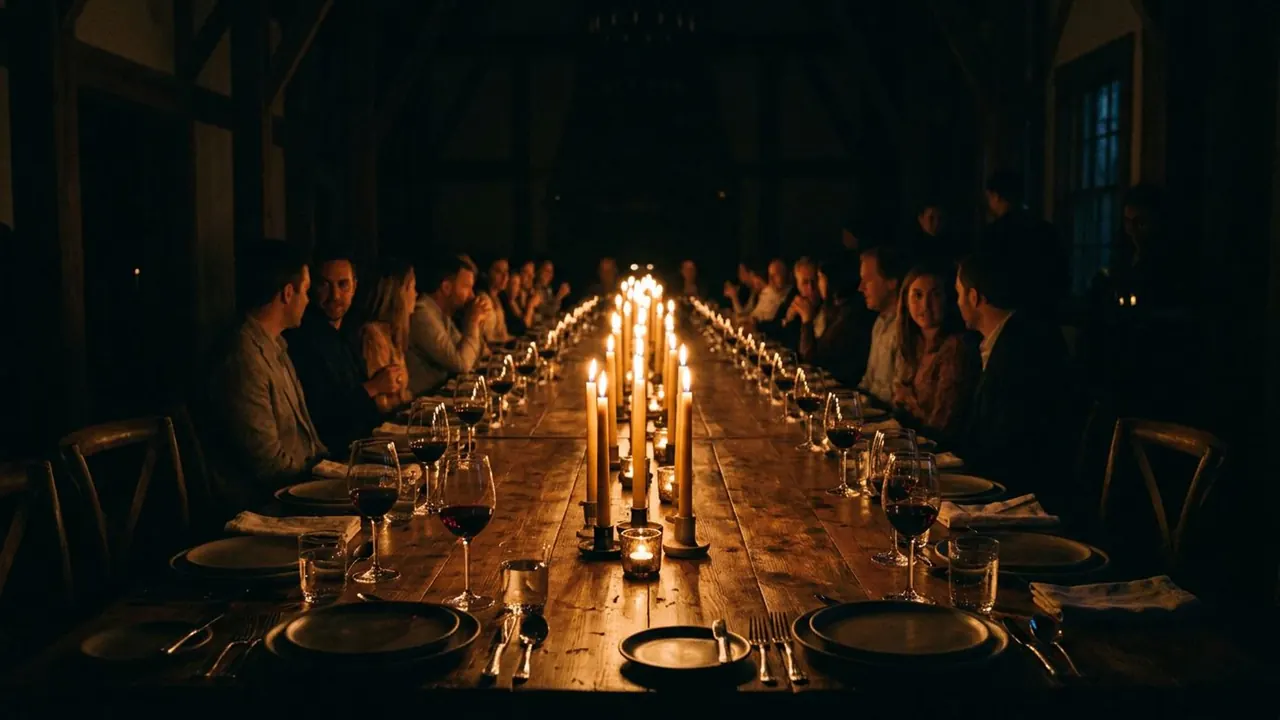
Gobo Lighting
- cucoloris
A cut pattern in front of the light throws a shape onto the scene.
Opens a video model with the prompt in it. The price is on the page before you sign in.
What it is for
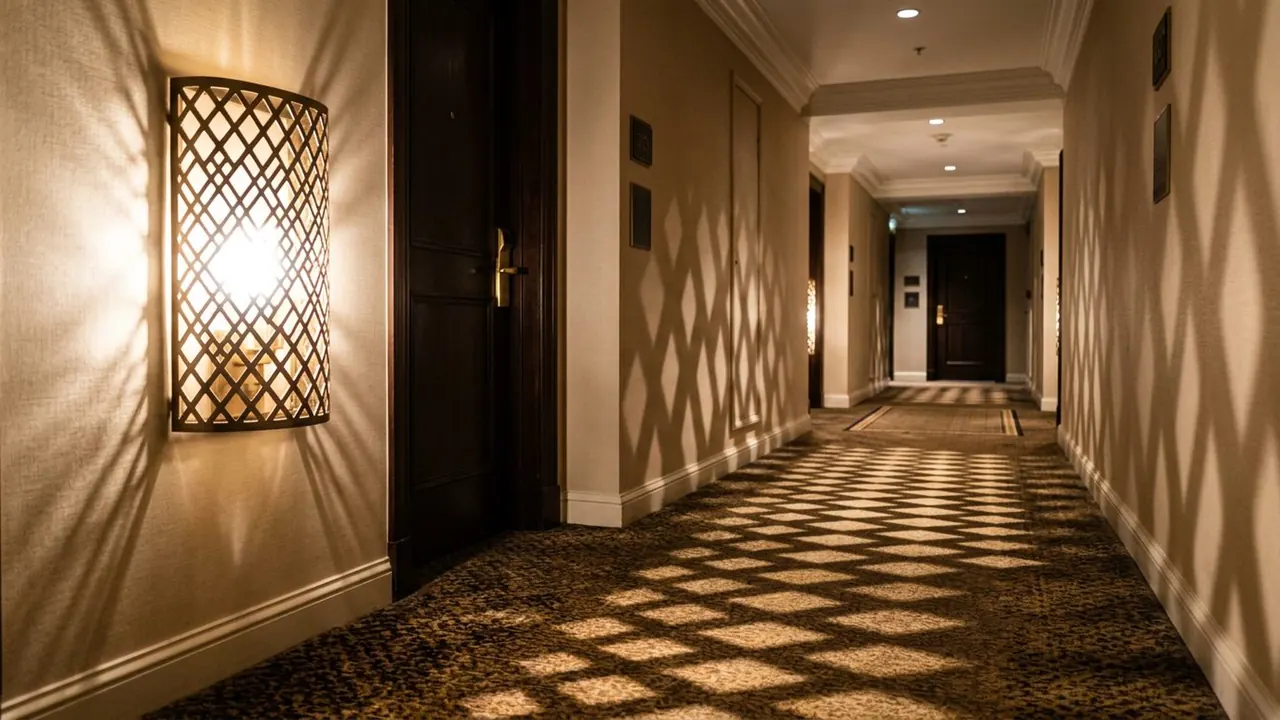
A shape cut into a card sits in front of the light, and the light arrives carrying that shape. A wall stops being a wall and becomes a pattern, and a face picks up bars, leaves or a window frame.
It is the cheapest way to make an empty set interesting. A blank corner with a slatted shadow across it reads as a specific place at a specific hour.
How it works
The cut sits between the source and the subject, and the edge quality depends on where. Close to the light the pattern goes soft. Close to the subject it goes sharp.
A hard small source is needed, because a large soft one wraps around the cutter and fills the pattern in. This is why gobo work and soft light do not go together.
The shadow pattern gains meaning as it crosses a face. Bars across the eyes say one thing and a window frame across the body says another, so the placement is a performance decision.
When to use it
Use it on flat sets that need texture, on night interiors, and on any character who should look contained.
Skip it when the pattern has no source in the world. A slat shadow with no blind anywhere reads as a lighting rig rather than as a room.
Told apart from its neighbours
Dappled light comes through something irregular, usually foliage, and the patches move and sit soft edged. Gobo light comes through a deliberate cut and holds a regular, usually hard edged pattern.
Ask whether the pattern repeats and whether it holds still. Regular and still is a gobo. Irregular and drifting is dapple.
On film
John Seitz throws venetian blind shadows across the walls and the faces in Double Indemnity (1944), and the slat pattern became the signature gobo of film noir. Later thrillers use it as shorthand for a character in a trap.
- Double Indemnity (1944)
The prompt
Replace the blanks, keep the rest. Then run it on a video model.
patterned shadow across <subject> from <shape>, hard edged pattern thrown onto the wall and the face
What goes wrong
Asking for a patterned shadow without naming the pattern gives you something generic. Say which cutter it is, because blinds, leaves and a window grid read nothing alike.
The second failure is a soft pattern that barely registers. Ask for a hard edged shadow and a small direct source, and ban even light.
Leave out
even light, soft shadow
Watch for
Name the pattern. Blinds, leaves and a window grid read very differently.
Questions
Shoot it
Pay for the one run. No subscription, and the price is on the model page before you sign in.
Next to it in where the light comes from