Low-Key Lighting
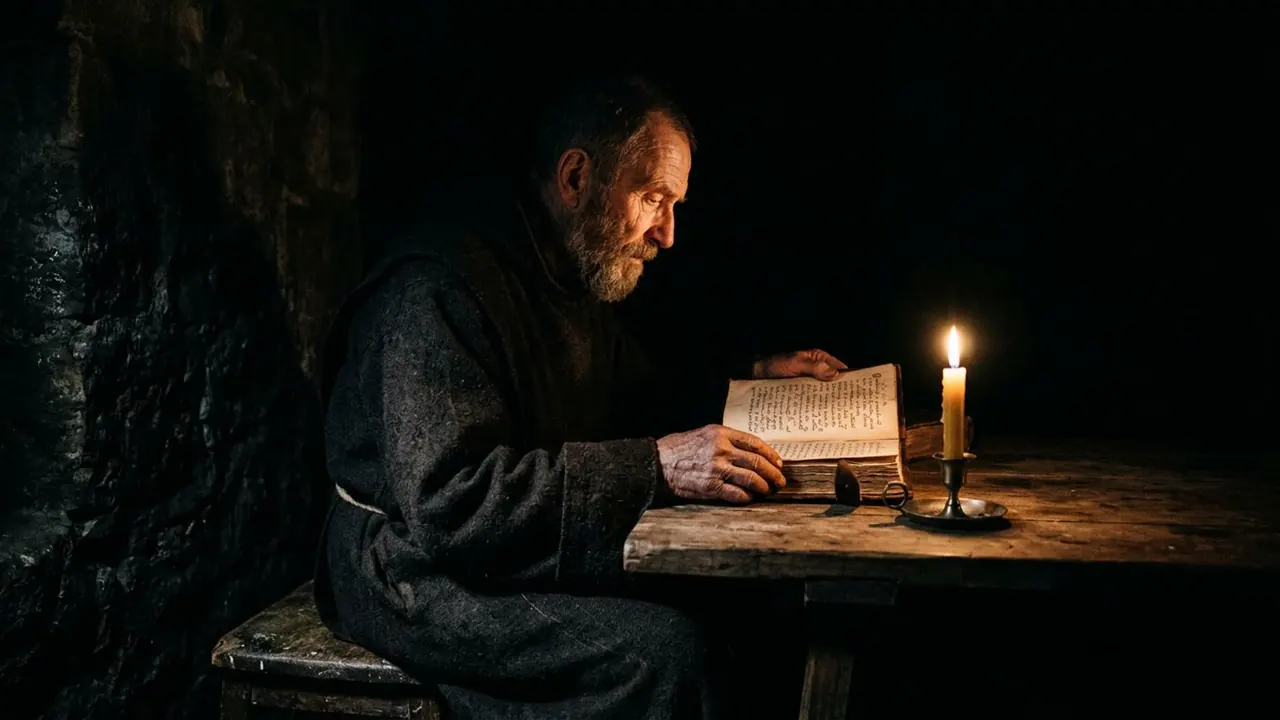
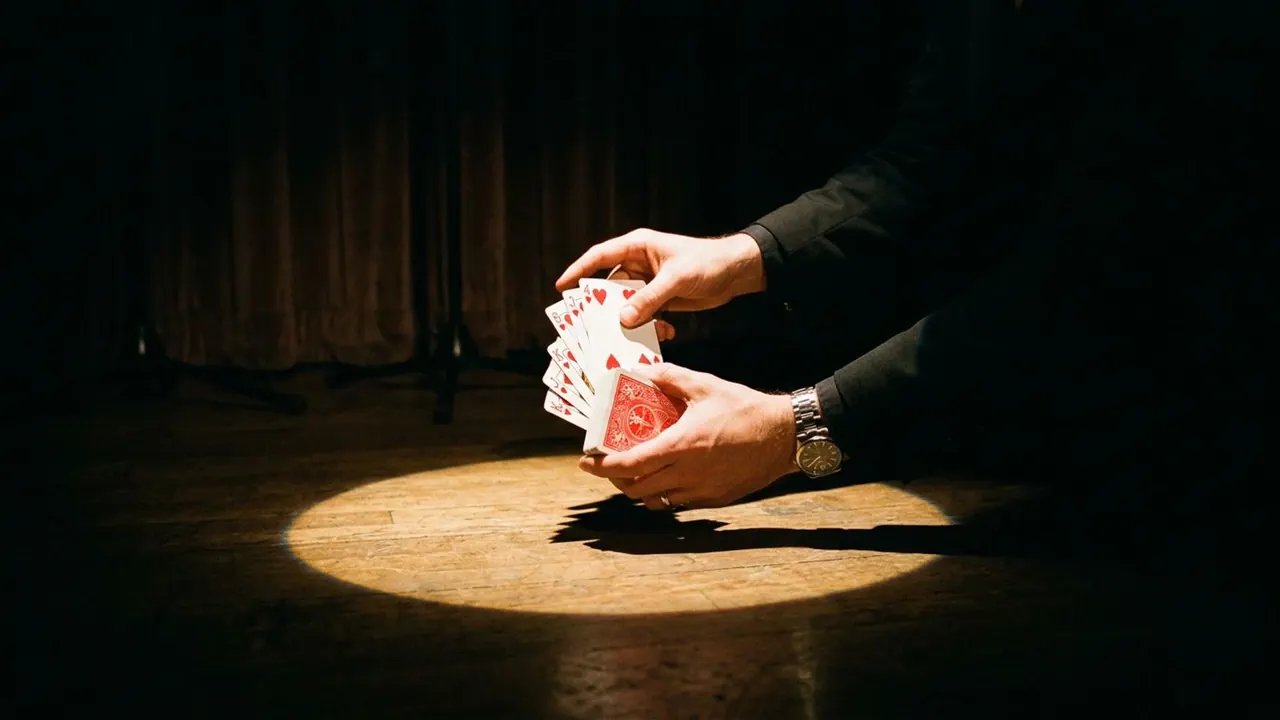
Most of the frame is dark and only a little is lit.
Opens a video model with the prompt in it. The price is on the page before you sign in.
What it is for
Low key gives most of the frame to darkness and lights only what the scene needs seen. The audience gets less than usual, and they lean in for it.
Darkness also hides what a production cannot afford. Anything unlit does not have to be built, dressed or explained, which is why the look runs through thriller and horror at every budget.
How it works
The key sits well above the fill, often eight to one or wider, so the shadow side of a face goes to black rather than to grey. Plenty of low-key setups carry no fill at all and use a small bounce only to keep an eye alive.
The background stays unlit, or takes just enough separation that the subject does not merge into it. A small hard source keeps the run from light to dark short, which is what makes the darkness read as a decision.
Exposure is set for the lit area and the rest is allowed to fall. Lifting those shadows in the grade afterwards undoes the scheme, so the choice gets made with the light rather than after it.
When to use it
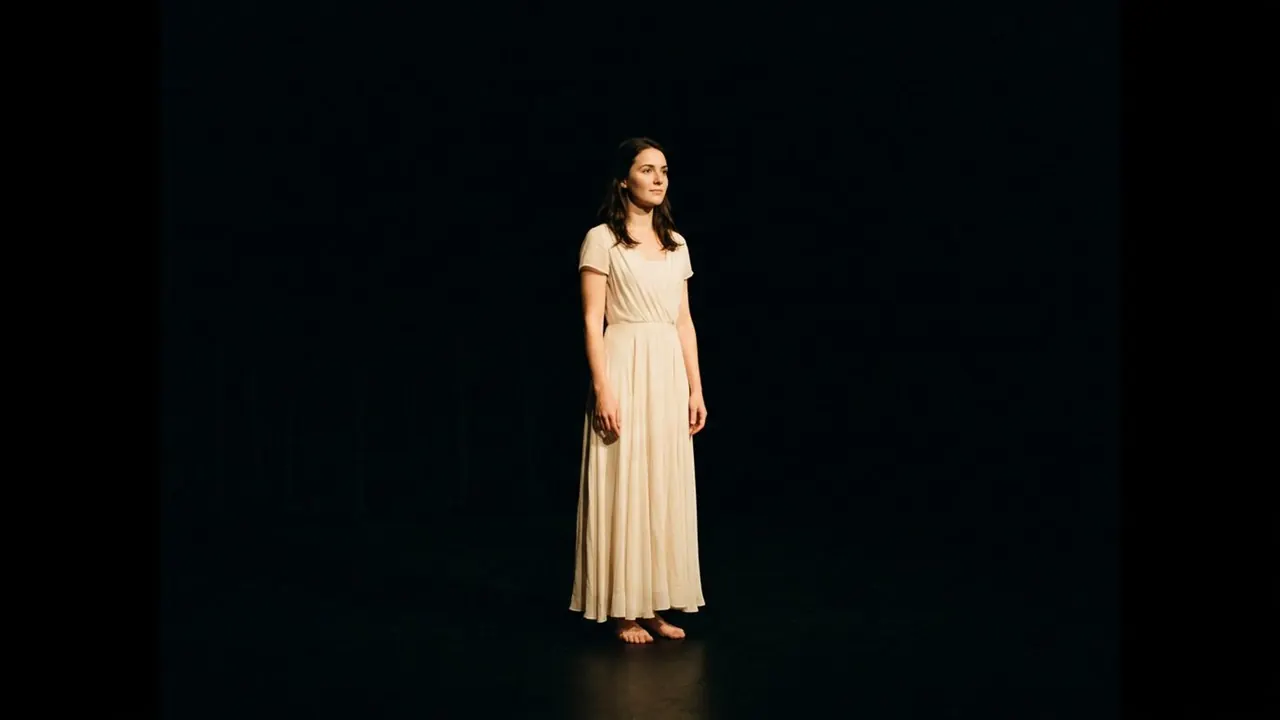
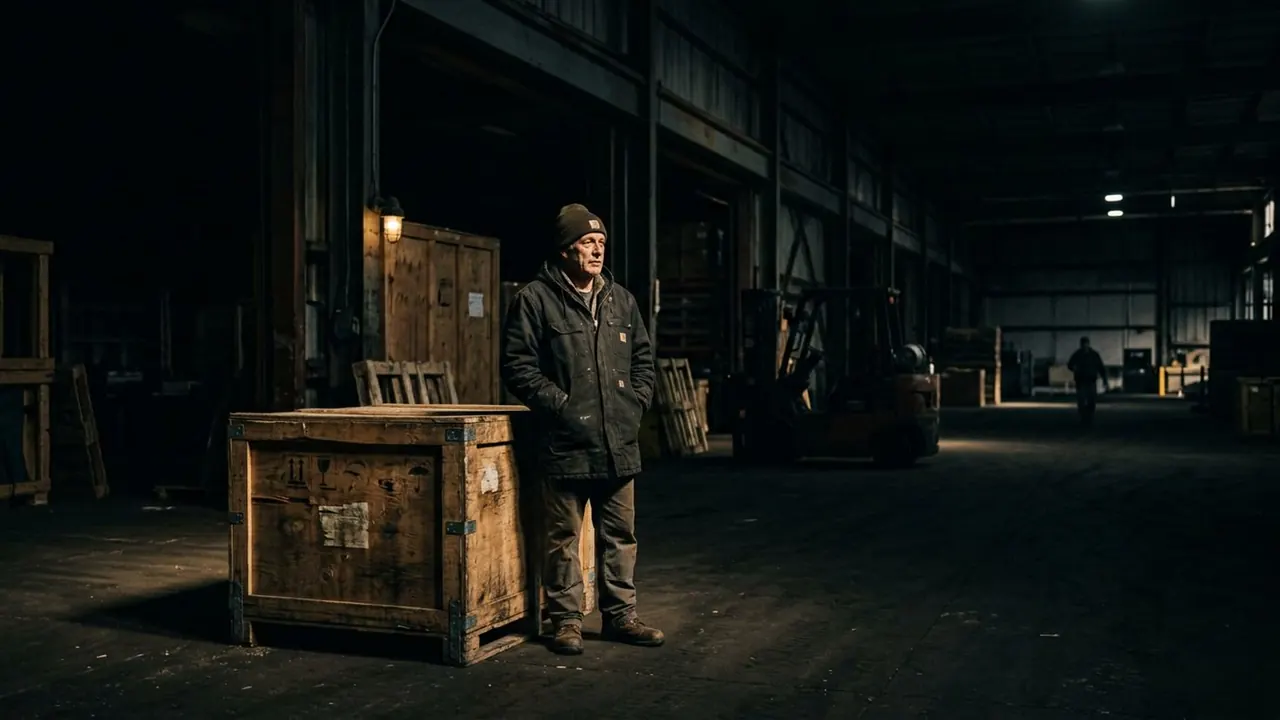
Use it for threat, for secrecy, for interrogation and for night. It also works on one face in a large space, where the dark says how much room there is without showing any of it.
Skip it when the audience still needs the geography. A low-key wide of a room nobody has seen leaves them lost rather than tense.
Told apart from its neighbours
Chiaroscuro is a low-key scheme taken further. It removes the midtones as well, so the frame runs from lit to black with almost nothing in between, and the light sculpts the form instead of just revealing it.
Plain low key can still carry a soft gradient across a face. If a readable midtone band sits between the highlight and the shadow, you are in low key rather than chiaroscuro.
On film
Ridley Scott keeps most of the Nostromo dark in Alien (1979), with small pools of light and long stretches of corridor the camera never lights. The film shows the creature rarely, and the lighting is what lets that restraint hold for two hours.
- Alien (1979)
The prompt
Replace the blanks, keep the rest. Then run it on a video model.
low key lighting on <subject>, most of the frame in darkness, small area lit, deep black shadow, high contrast
What goes wrong
The background arrives lit and the contrast collapses. Say the background stays dark, and ban fill light and any bright wall behind the subject.
The other result is a dim frame rather than a dark one. Low key holds a bright, correctly exposed lit area next to real black, so ask for a small area lit at full exposure.
Leave out
fill light, bright background
Watch for
Say the background stays dark. A lit background undoes the whole scheme.
Questions
Shoot it
Pay for the one run. No subscription, and the price is on the model page before you sign in.
Next to it in how much light, and how hard