Top Light
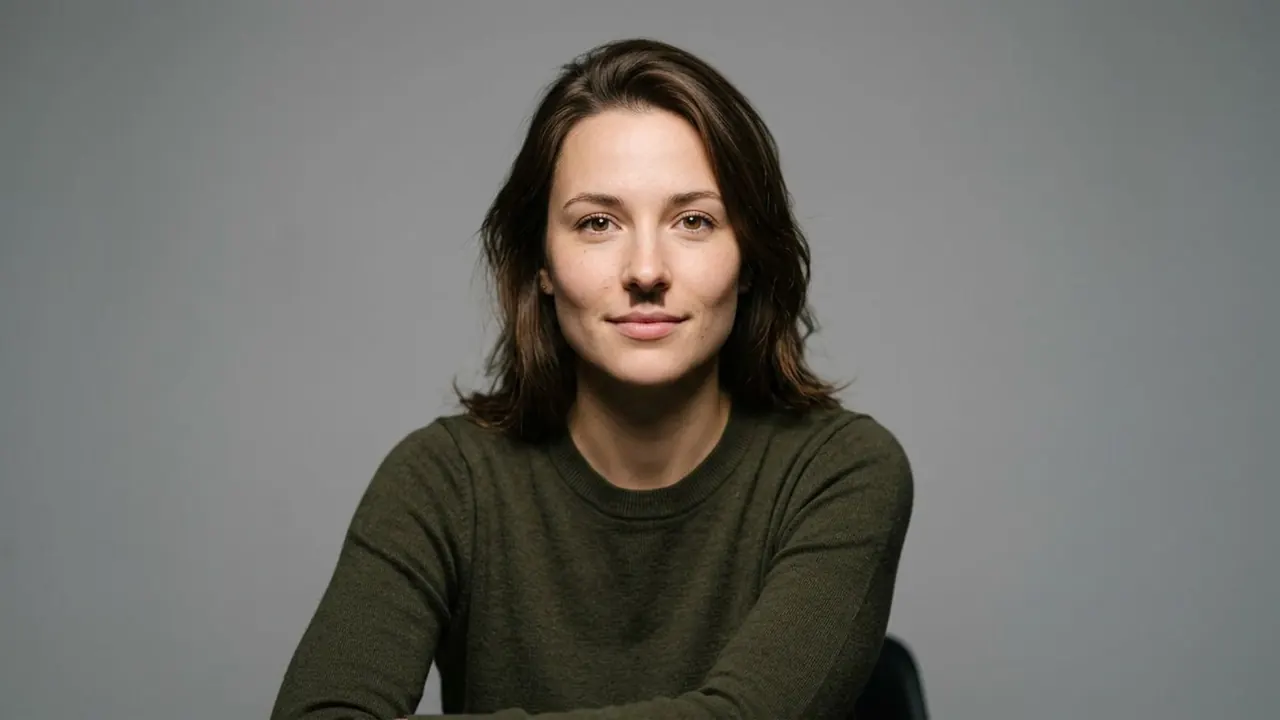
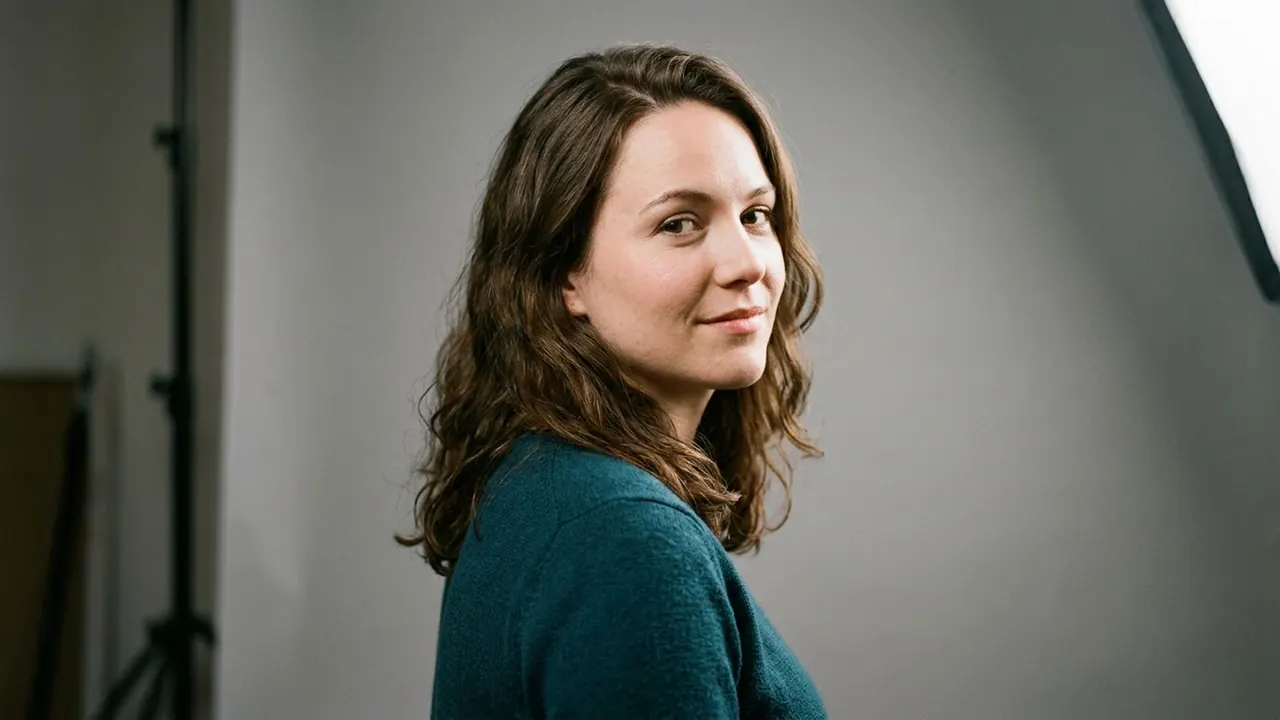
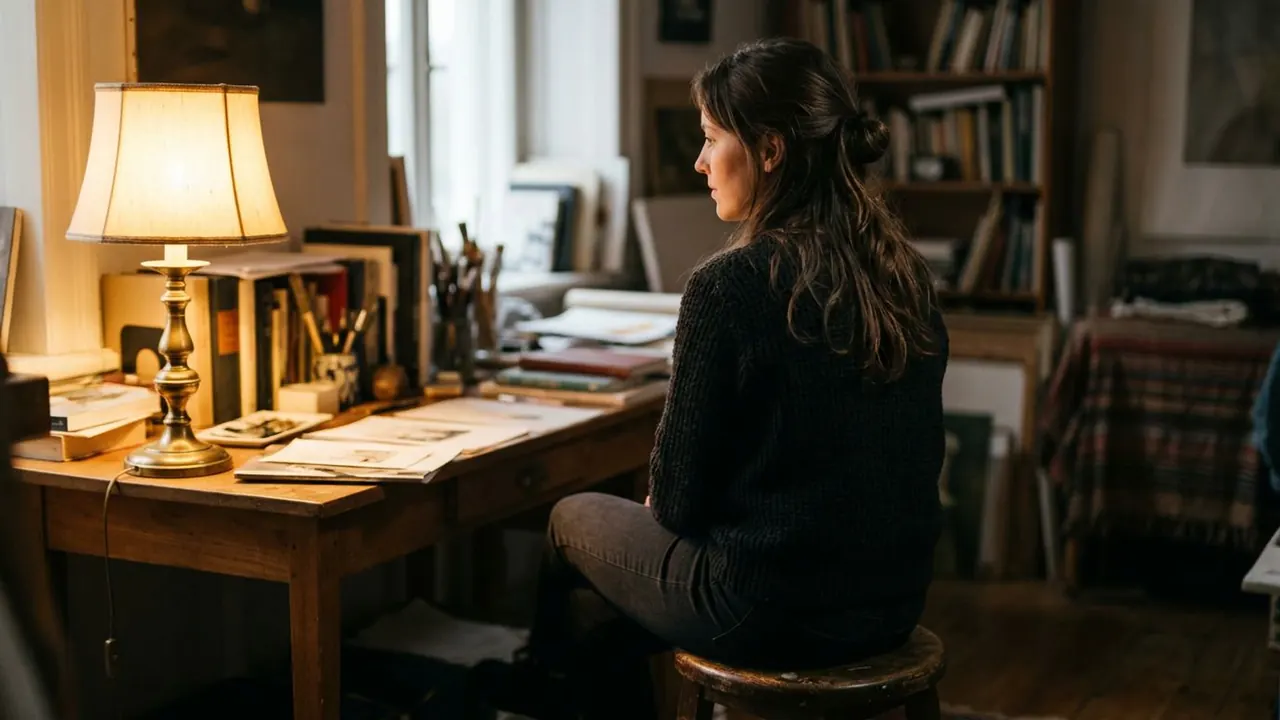
The light comes from straight above and the eyes fall into shadow.
Opens a video model with the prompt in it. The price is on the page before you sign in.
What it is for
Light from straight overhead fills the eye sockets with shadow. The forehead, the nose and the cheekbones go bright, the eyes go dark, and the audience loses the one thing they use to read a person.
That withheld information is the effect. A character whose eyes cannot be seen becomes hard to trust, which is why the pattern turns up on figures who are dangerous or unknowable.
How it works
The source goes directly above the subject, aimed straight down. Shadows fall vertically, so the brow casts into the sockets, the nose casts onto the lip, and the chin casts onto the neck.
Hardness controls how brutal it is. A hard overhead source gives black sockets and sharp edges. A large soft overhead source gives the same geometry with gentler falloff, which is the practical lighting of most offices and supermarkets.
Adding anything near the lens undoes it. Even a small eye light puts a catchlight back and gives the eyes to the audience, which is the opposite of the point.
When to use it
Use it for characters who should be unreadable, for a figure behind a desk, and for institutional interiors where overhead light is the honest answer anyway.
Skip it for sympathetic close-ups and for anything that depends on what the eyes do. The pattern hides exactly that.
Told apart from its neighbours
Butterfly lighting also comes from above, but it sits in front of the subject and tilts down, so the eyes stay lit and a small shadow sits under the nose. Top light is directly overhead, and the sockets go dark.
Look at the eyes. Visible with a catchlight is butterfly. Lost in shadow is top light.
On film
Gordon Willis lit Marlon Brando from overhead through The Godfather (1972), so the Don's eyes sit in shadow while the rest of the face reads normally. The audience spends the picture unable to see what the character is thinking.
- The Godfather (1972)
The prompt
Replace the blanks, keep the rest. Then run it on a video model.
top light on <subject>, source directly overhead, eye sockets in shadow, bright forehead and nose, cheeks falling dark
What goes wrong
Models add an eye light without being asked, because faces with dark eyes look like errors to them. Say the eye sockets stay in shadow and no fill reaches them.
The second failure is a light placed in front and above rather than straight up, which gives you butterfly lighting. Say directly overhead.
Leave out
front light, eye light
Watch for
The dark eyes are the effect. Adding an eye light removes it.
Questions
Shoot it
Pay for the one run. No subscription, and the price is on the model page before you sign in.
Next to it in light on a face