Cross Lighting
Two sources hit from opposite sides and leave a dark line down the middle.
Opens a video model with the prompt in it. The price is on the page before you sign in.
What it is for
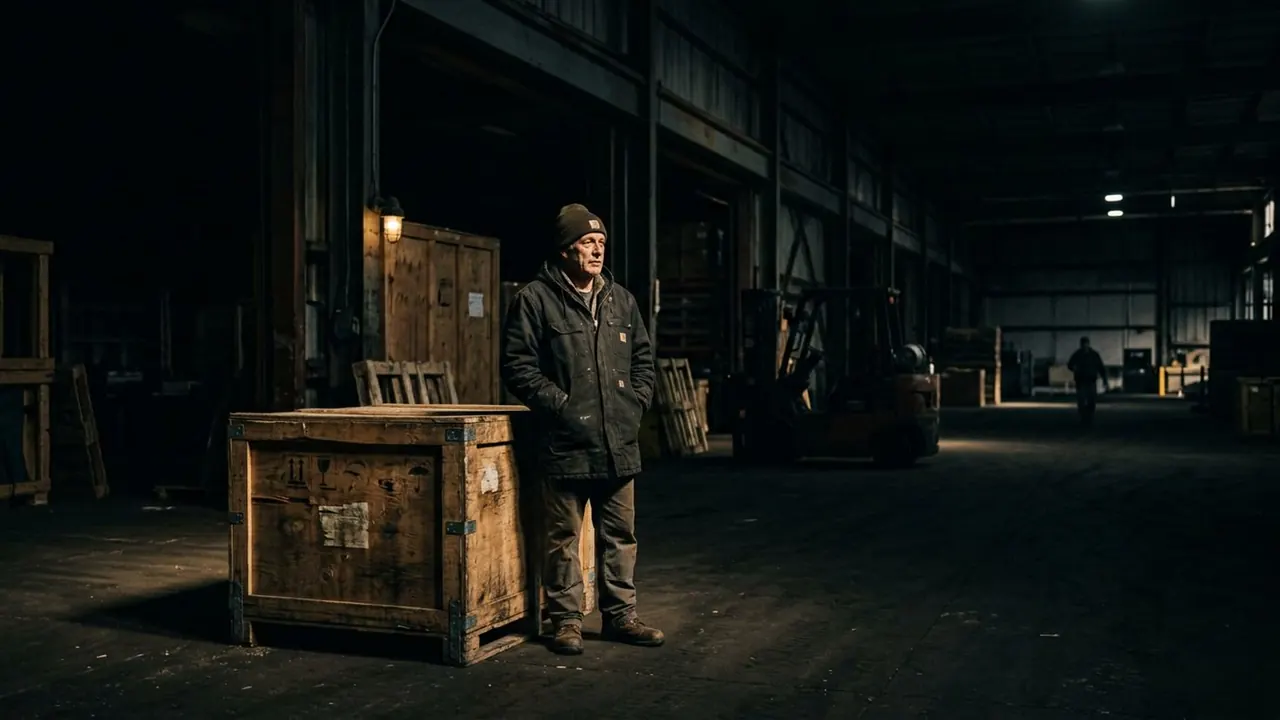
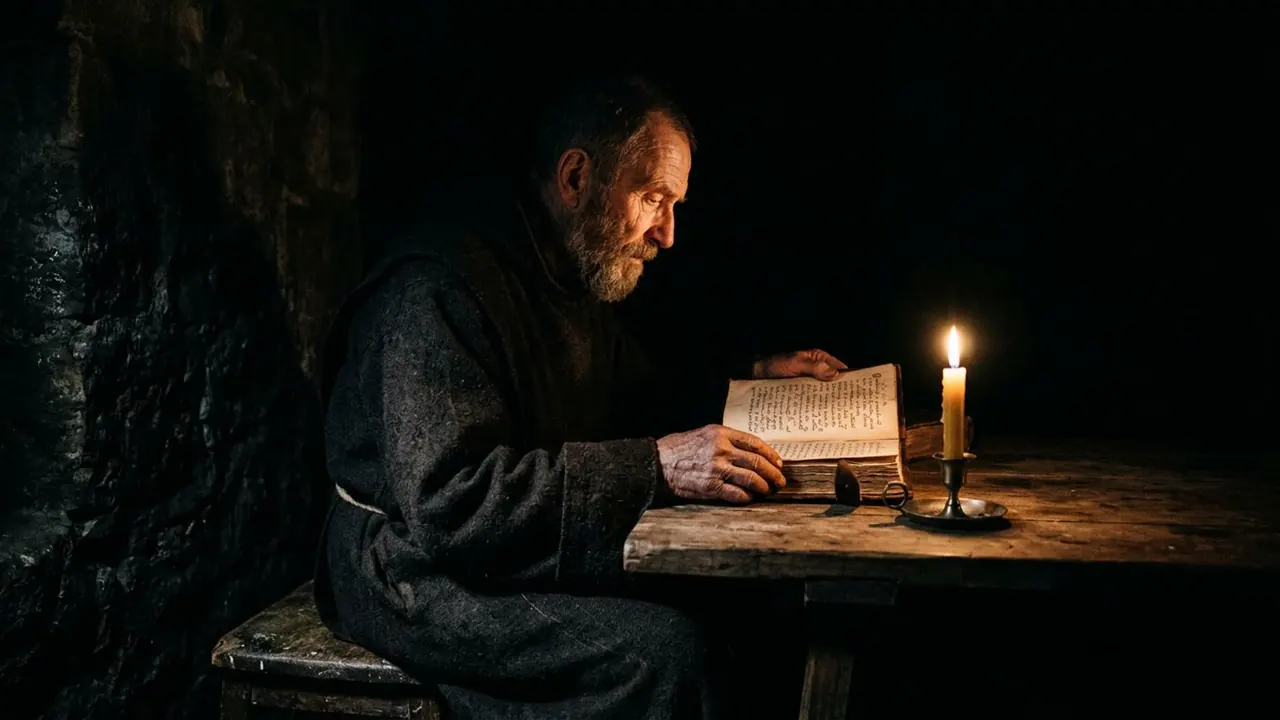
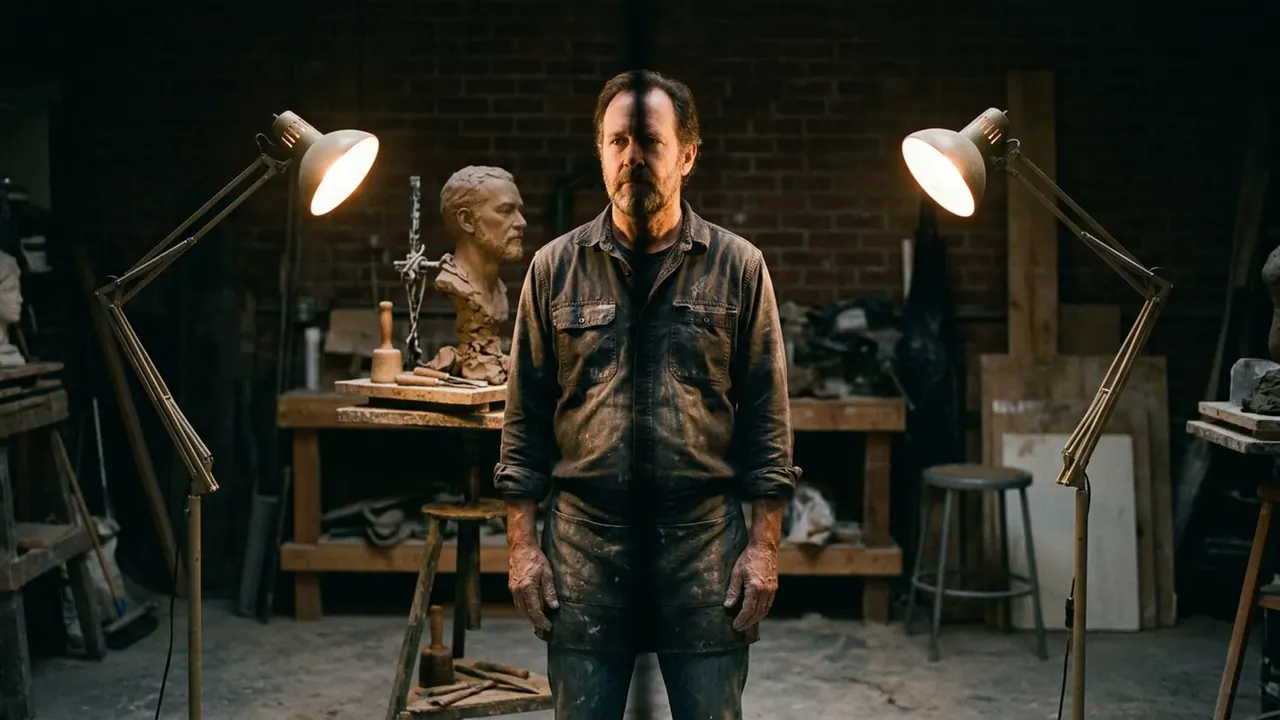
Two sources come in from opposite sides and leave the middle dark. The face gets two lit edges and a shadow down the centre, which splits a person in a way a single key never does.
The split reads as division. It suits a character who is in two minds, and it suits two people who are about to disagree.
How it works
Place the sources at roughly 90 degrees to the lens on each side, or further back toward three quarters rear. The further back they go, the narrower the lit edges and the wider the dark band.
Keep the two sides close in level unless you want one to win. Equal levels give a symmetrical split, and a stop of difference tips the face toward one side while keeping the centre dark.
Nothing fills the front. A bounce card under the chin or a soft source near the lens closes the gap and the whole scheme collapses into ordinary side light.
When to use it
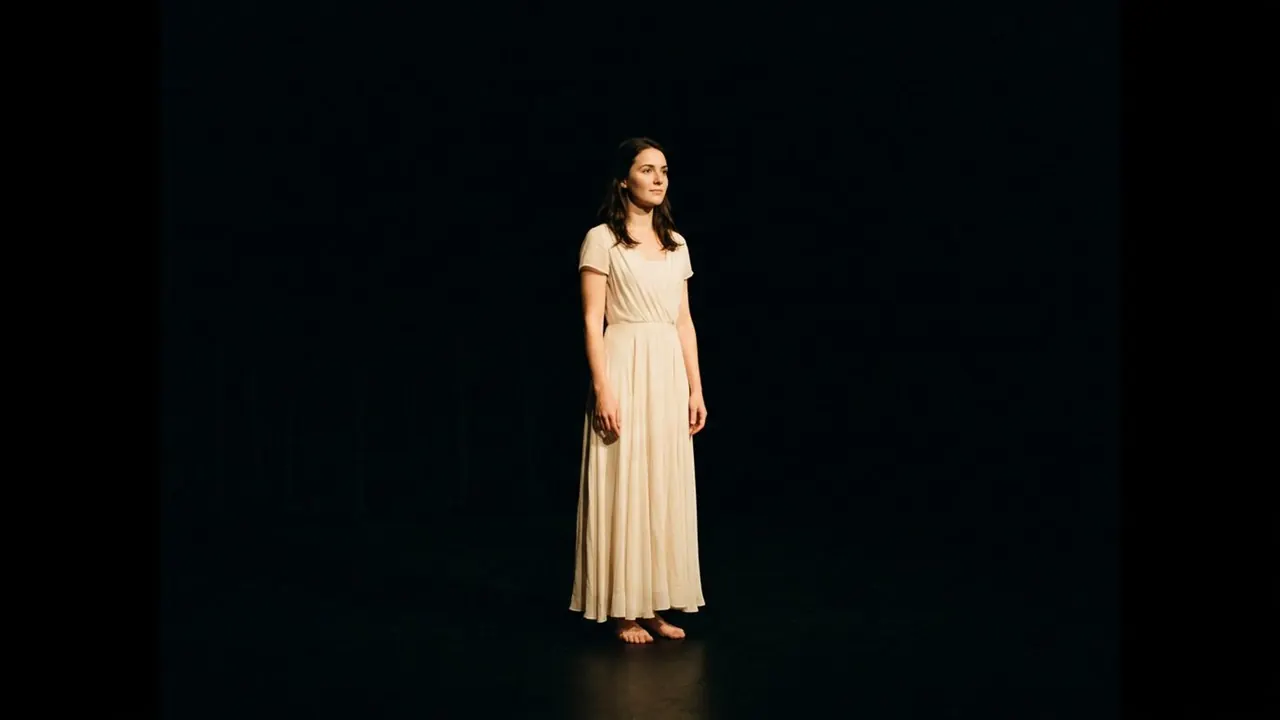
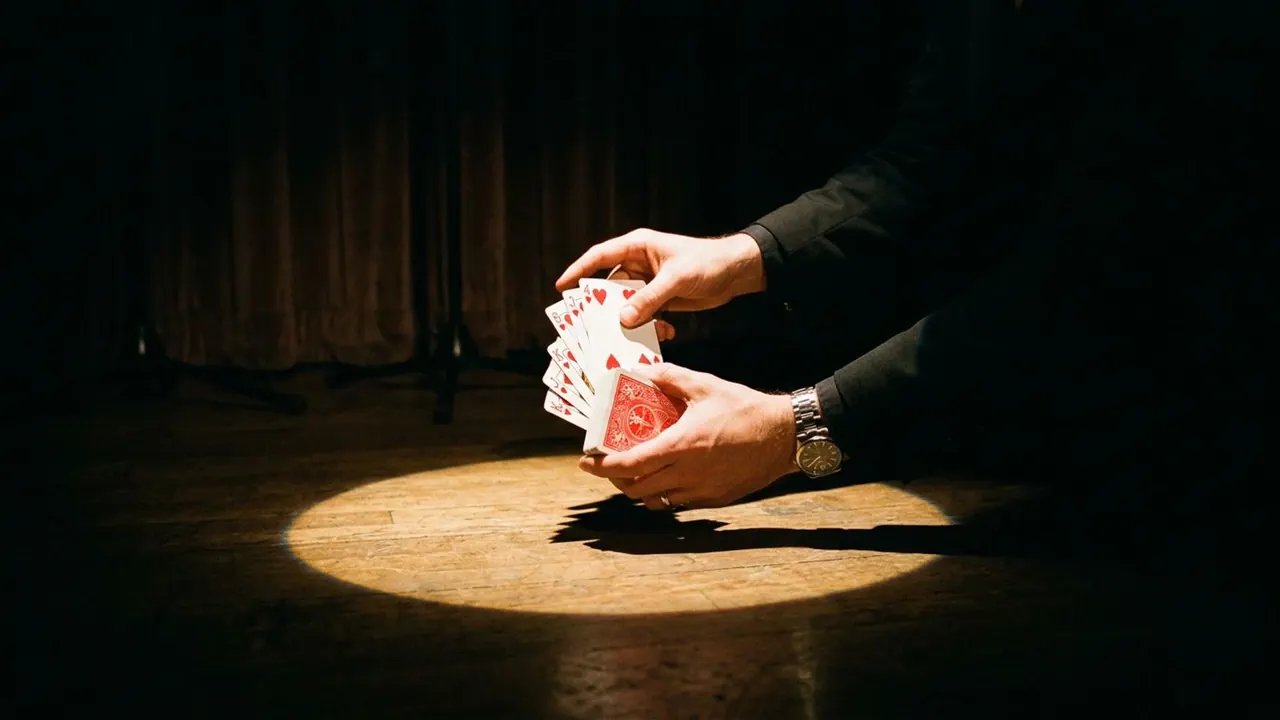
Use it on a confrontation, on a character caught between two choices, and on musicians and performers, where it holds a figure against a dark stage.
Skip it for dialogue coverage you have to cut. The scheme is strong enough that it fights a conventional reverse, and matching it across an eyeline takes work.
Told apart from its neighbours
Side lighting uses one source from one side, so one half of the face is lit and the other half falls to shadow. Cross lighting uses two and puts the shadow between them instead.
Count the lit edges. One lit side is side lighting. Two lit edges with a dark centre is cross lighting.
The prompt
Replace the blanks, keep the rest. Then run it on a video model.
cross lighting on <subject>, sources from both sides, dark division down the centre of the face, edges lit
What goes wrong
The two sources fill each other in and the centre lights up. Say the middle of the face stays dark, and ban front light and any single source.
The second failure is one source that gets ignored. Name both sides explicitly, such as a source from camera left and another from camera right, and say the edges are lit while the centre is not.
Leave out
front light, single source
Watch for
Say the centre stays dark. Otherwise the two lights just fill each other in.
Questions
Shoot it
Pay for the one run. No subscription, and the price is on the model page before you sign in.
Next to it in how much light, and how hard