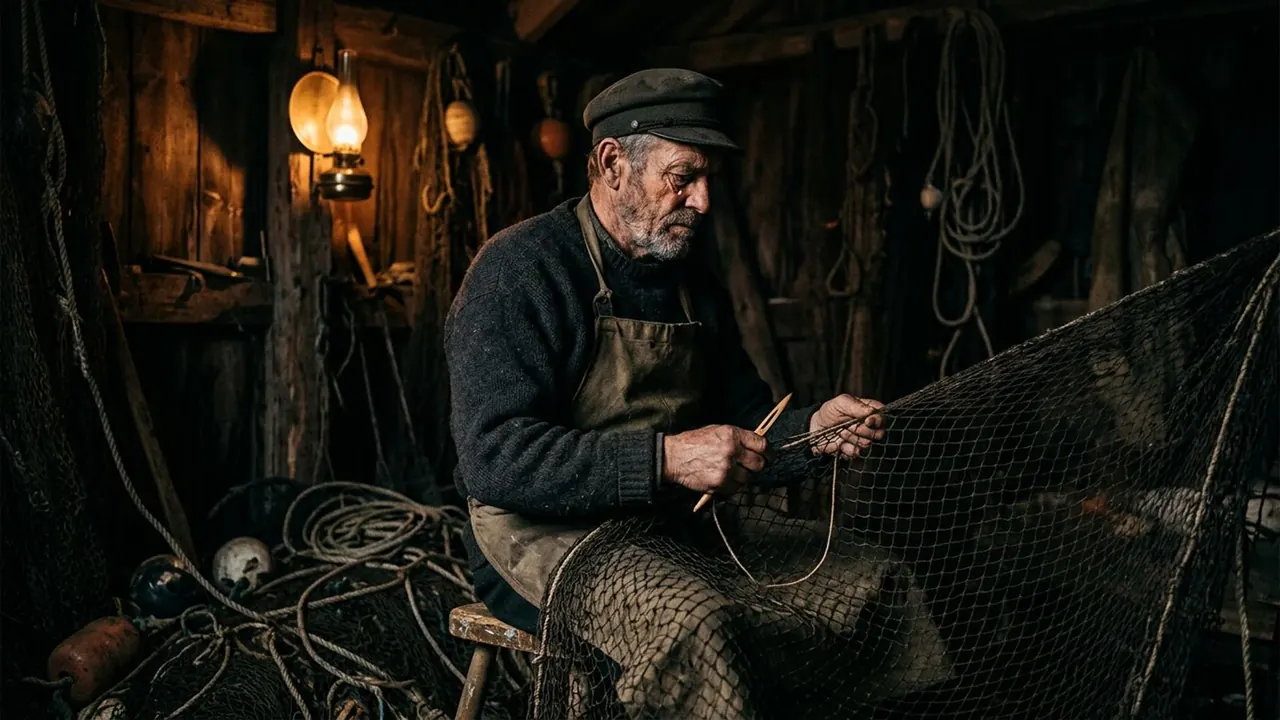
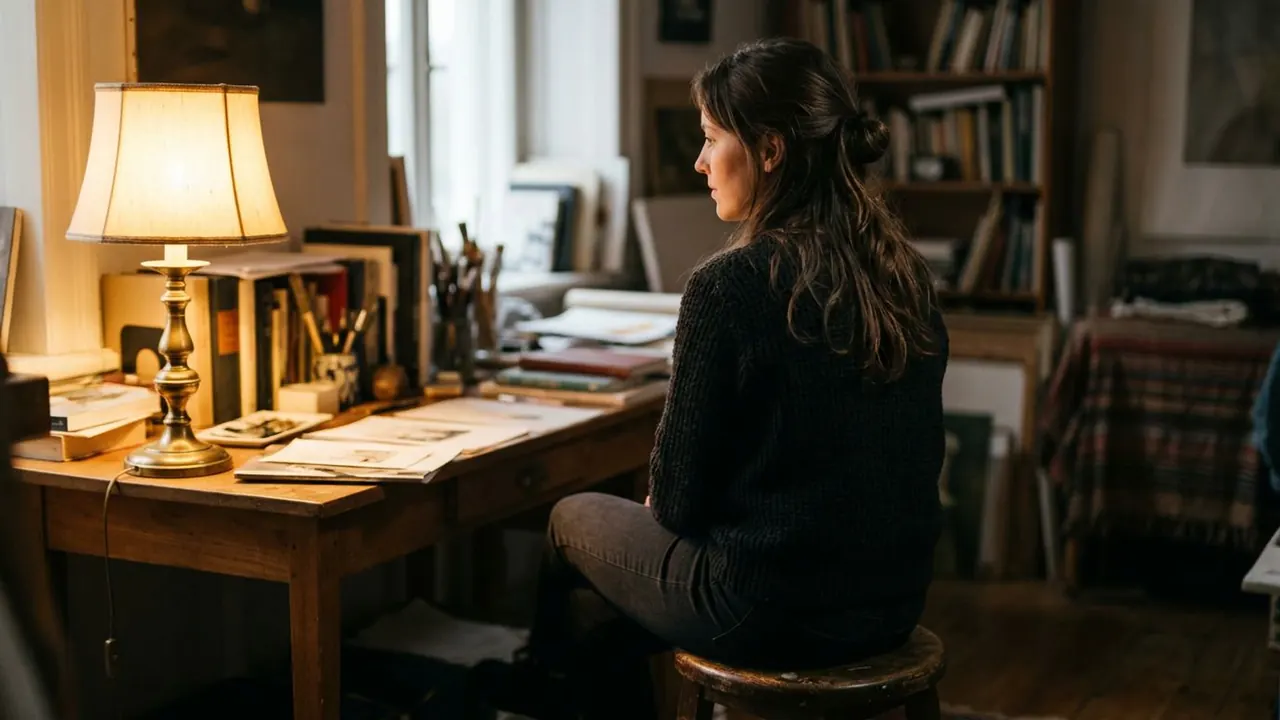
Side Lighting
The light comes from directly beside, so half the face is lit.
Opens a video model with the prompt in it. The price is on the page before you sign in.

What it is for
Light coming from directly beside a subject rakes across every surface it meets, so texture stands up. Skin, stubble, fabric and brick all show their grain at this angle and at no other.
It divides the frame as well. One half bright, one half falling away, which gives an ordinary shot tension without any change to the staging.
How it works
The source goes at roughly ninety degrees to the lens, level with the subject. The lit half takes the full key and the far half receives whatever bounce the room gives back.
How dark the shadow half goes is the whole decision. A bounce card opposite keeps detail and the shot reads as dramatic daylight. Nothing opposite and the shadow drops toward black.
Because the light crosses the surface rather than hitting it head on, every bump throws its own small shadow. That is why this angle is used to show texture and avoided when skin should look smooth.
When to use it
Use it to raise texture, for character portraits, for scenes lit by a window at the side of a room, and for shots that need contrast without a colour change.
Avoid it on faces that should look soft. Side light finds every line, which is the opposite of what beauty work wants.
Told apart from its neighbours
Split lighting is the extreme version of the same position, with no fill at all, so the far half goes completely black and the face divides down the nose. Side lighting keeps some detail in the shadow half.
Look at the dark side. Detail still visible is side lighting. Nothing at all is split.
The prompt
Replace the blanks, keep the rest. Then run it on a video model.
side lighting on <subject>, source directly to one side, half the face lit and half in shadow, texture raised across the middle
What goes wrong
Models soften the whole thing and the texture disappears. Ask for a hard source directly to one side and say the light rakes across the surface.
The second failure is a shadow half that goes fully black, which has taken you into split lighting. Say how much detail survives on the shadow side.
Leave out
front light, flat fill
Watch for
Decide how dark the shadow half goes. Fully dark makes it split lighting.
Questions
Shoot it
Pay for the one run. No subscription, and the price is on the model page before you sign in.
Next to it in light on a face