Bounce Light
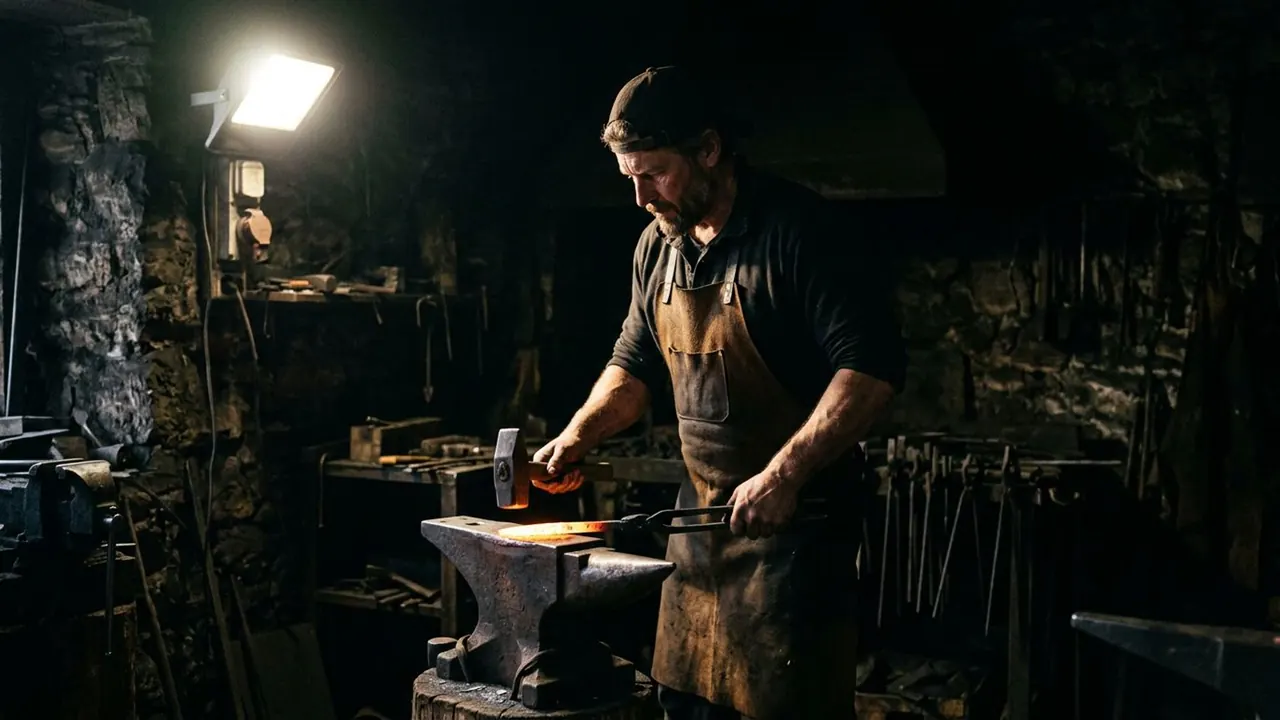
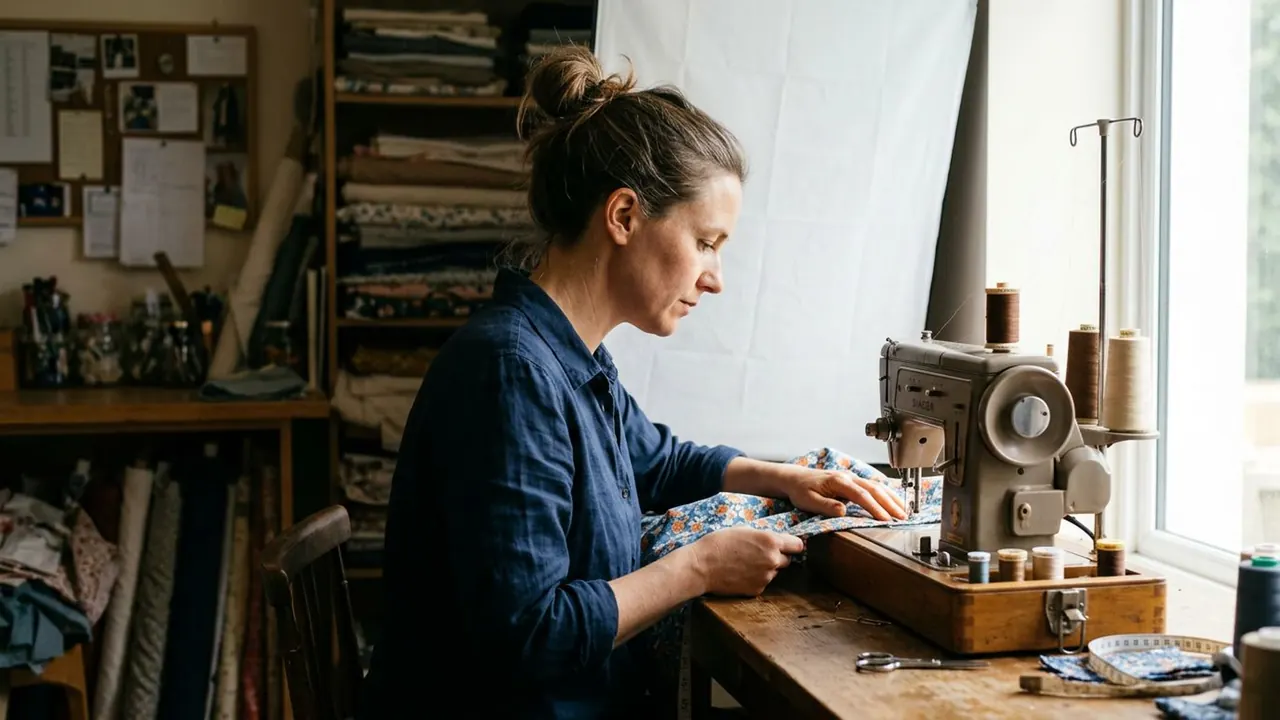
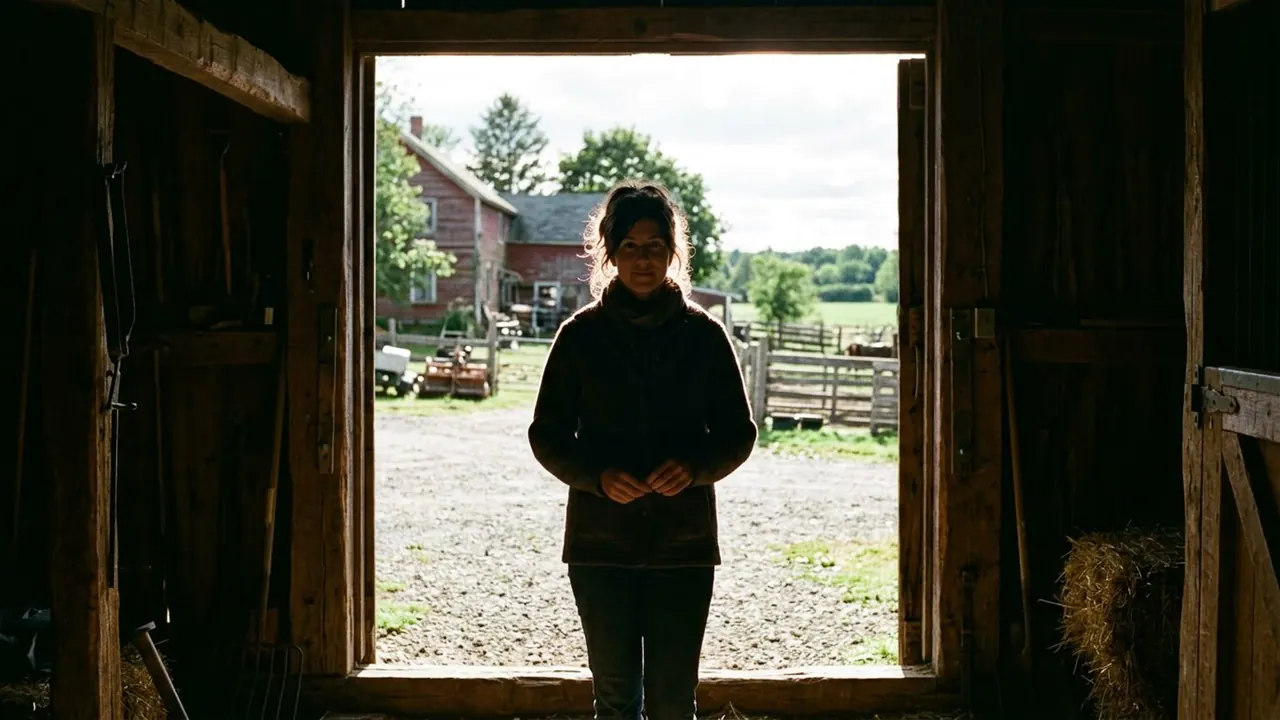
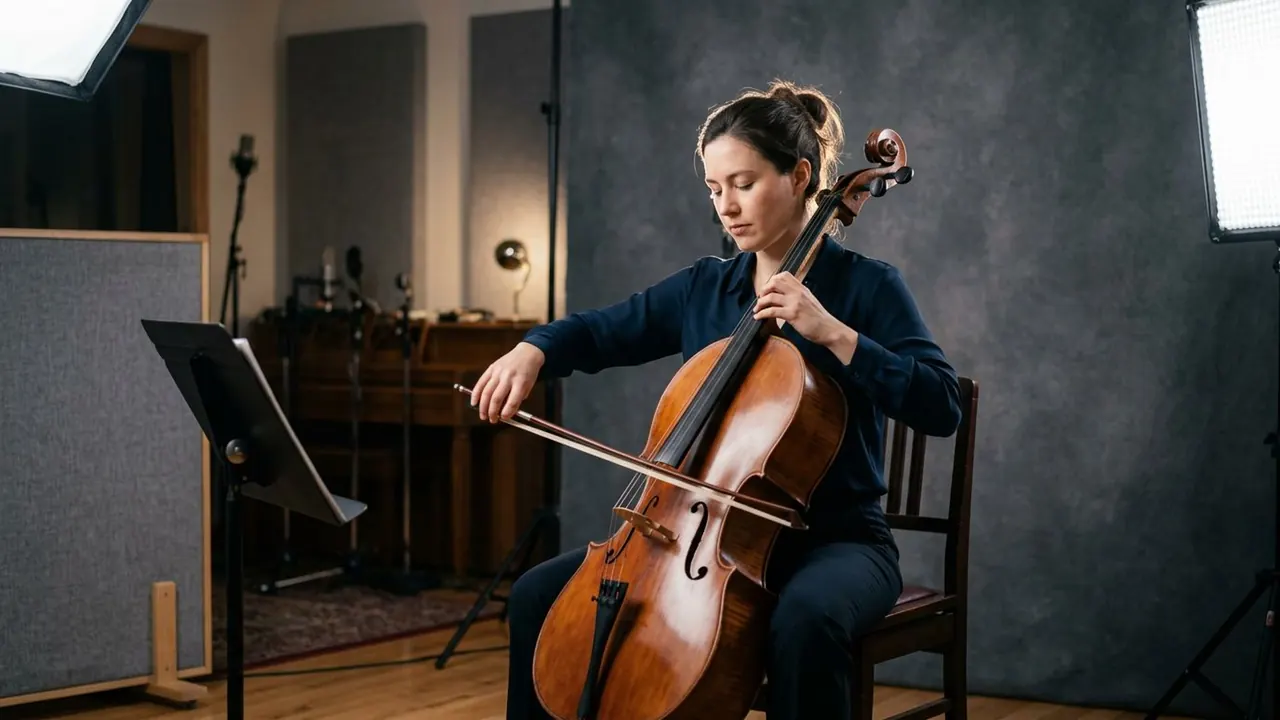
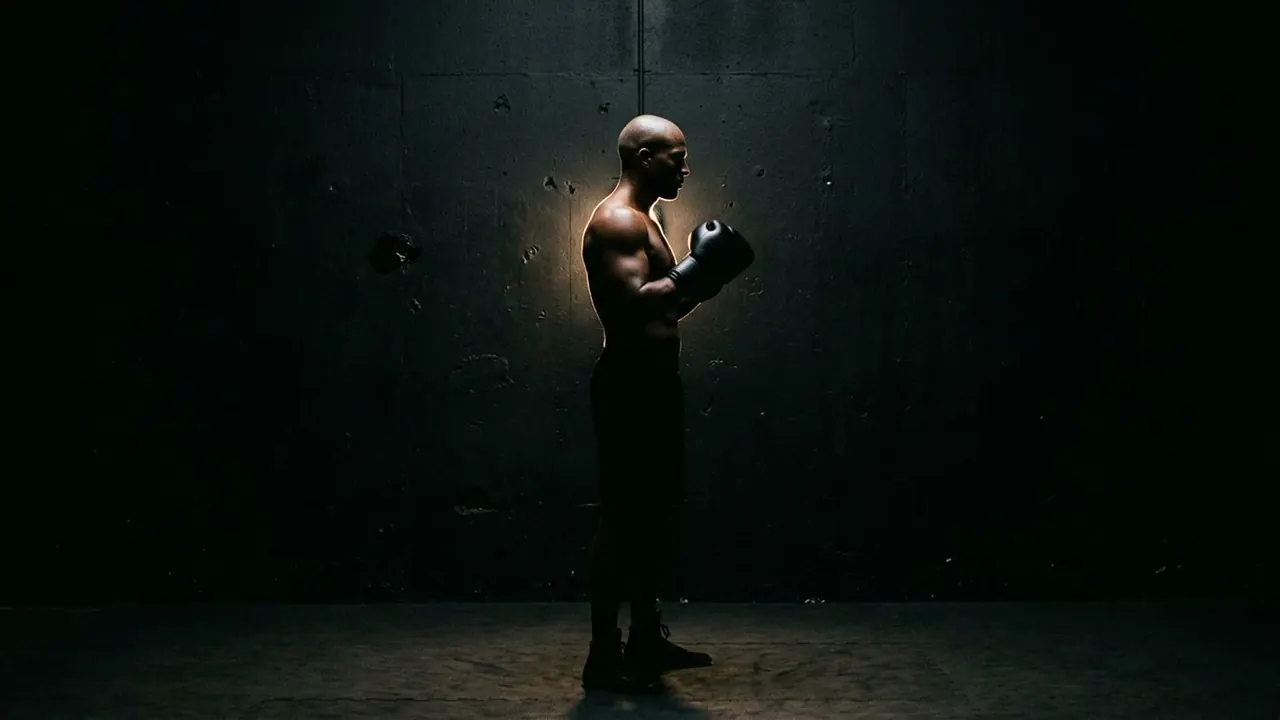
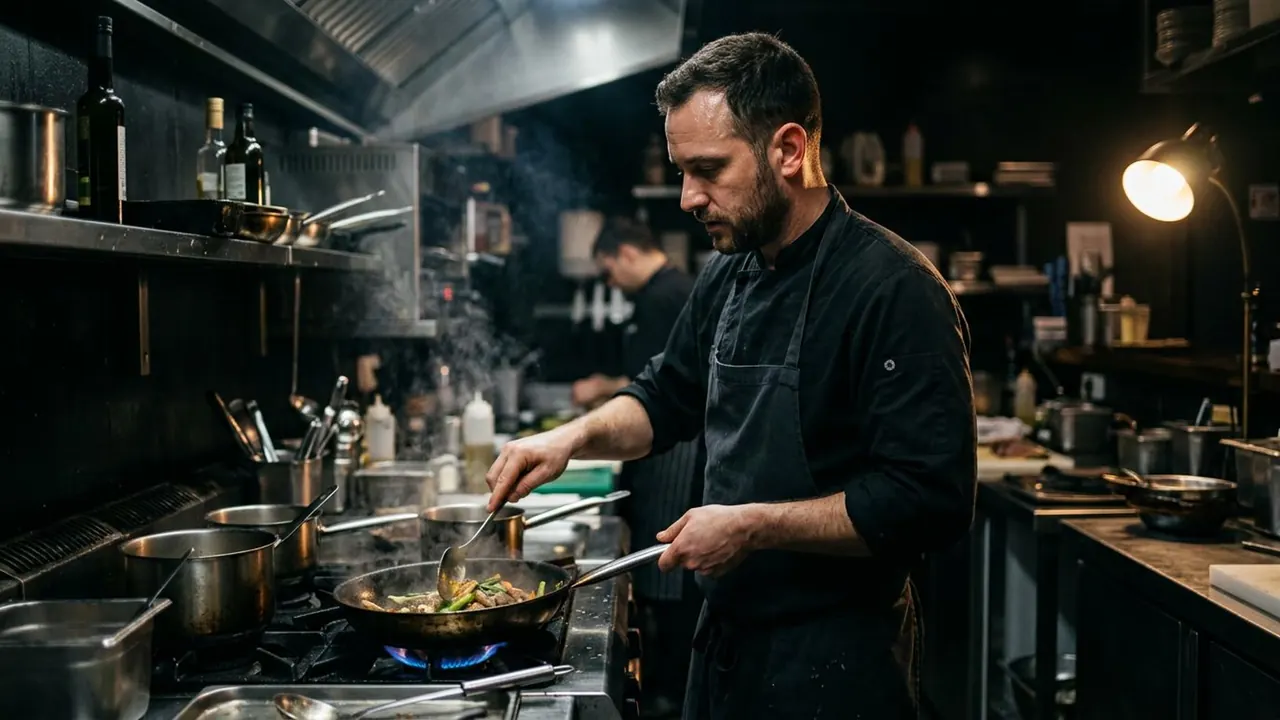
Light is thrown at a surface and reaches the subject soft and indirect.
Opens a video model with the prompt in it. The price is on the page before you sign in.
What it is for
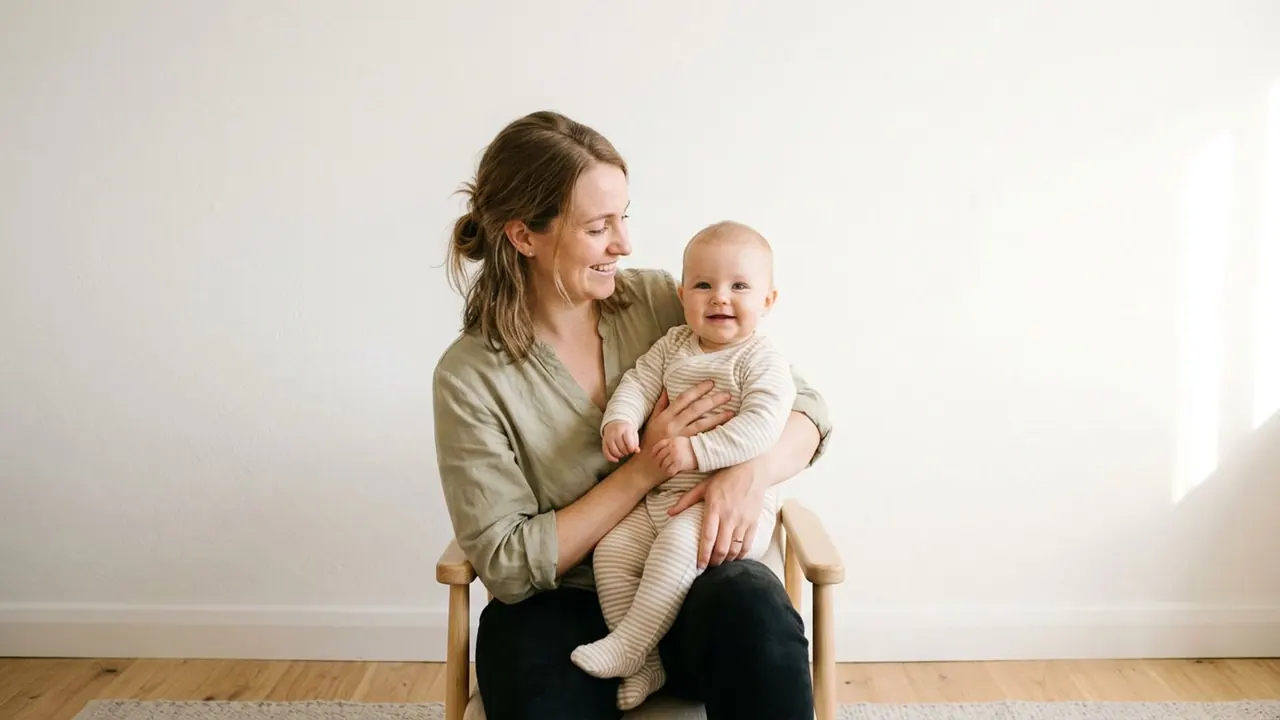
Light thrown at a surface first arrives spread out and indirect, so shadows have soft edges and fall off gently. It is the quickest way to make a lit room look like a room rather than a set.
It also lets a big source exist where no big source fits. A ceiling, a wall or a white card turns a small hard unit into something the size of the surface it hit.
How it works
Aim the unit away from the subject, at a ceiling, a wall, a bounce board or a piece of polystyrene. What reaches the subject is the reflection, which is broad, dim and soft.
The surface is part of the light. A white card stays neutral, a wooden wall warms everything up, and a green wall puts green on the face. Name the surface and you have named the colour.
Expect to lose a lot of output. Bounce costs several stops compared with pointing the same lamp at the subject, which is why bounced keys need bigger units than direct ones.
When to use it
Use it for interiors that should look naturally lit, for skin that should look kind, and for any scene where hard shadow edges would look staged.
Skip it when the shot depends on a beam, a hard shadow or a visible source direction. Bounce softens all three away.
Told apart from its neighbours
Soft light describes the result, which is a gradual shadow edge. Bounce describes the method, which is reflecting the light off something first. Most bounce is soft, and soft light can also be made directly by shooting a hard source through diffusion.
The distinction matters for colour. A bounced source picks up the tint of whatever it hit, and a diffused direct source does not.
The prompt
Replace the blanks, keep the rest. Then run it on a video model.
<subject> lit by light bounced off <surface>, soft indirect illumination, gentle shadow edges, wrapping falloff
What goes wrong
Models return hard direct light with a soft label attached, and the shadow edges give it away. Ask for indirect light, gentle shadow edges and wrapping falloff.
The second failure is neutral white light when the bounce surface should have coloured it. Name the surface, and say the light carries its colour.
Leave out
direct light, hard shadow
Watch for
Name the bounce surface. Its colour ends up in the light.
Questions
Shoot it
Pay for the one run. No subscription, and the price is on the model page before you sign in.
Next to it in the standard setup