Epiphany
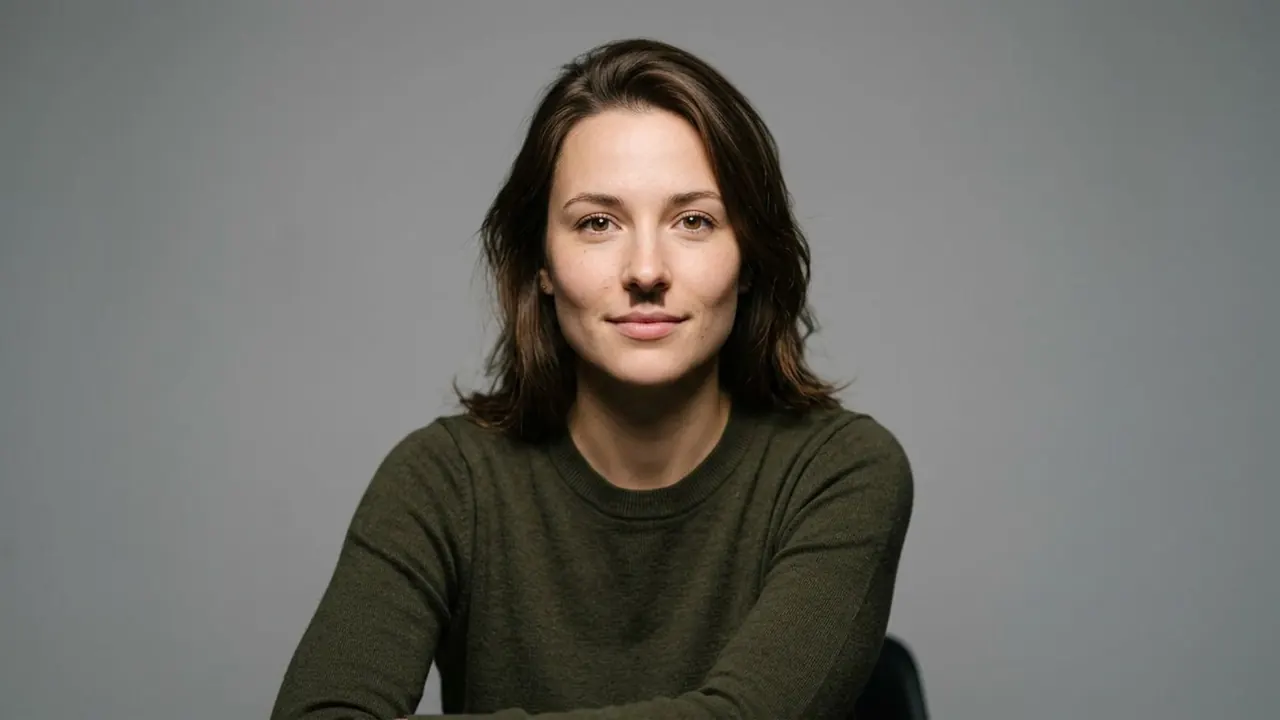
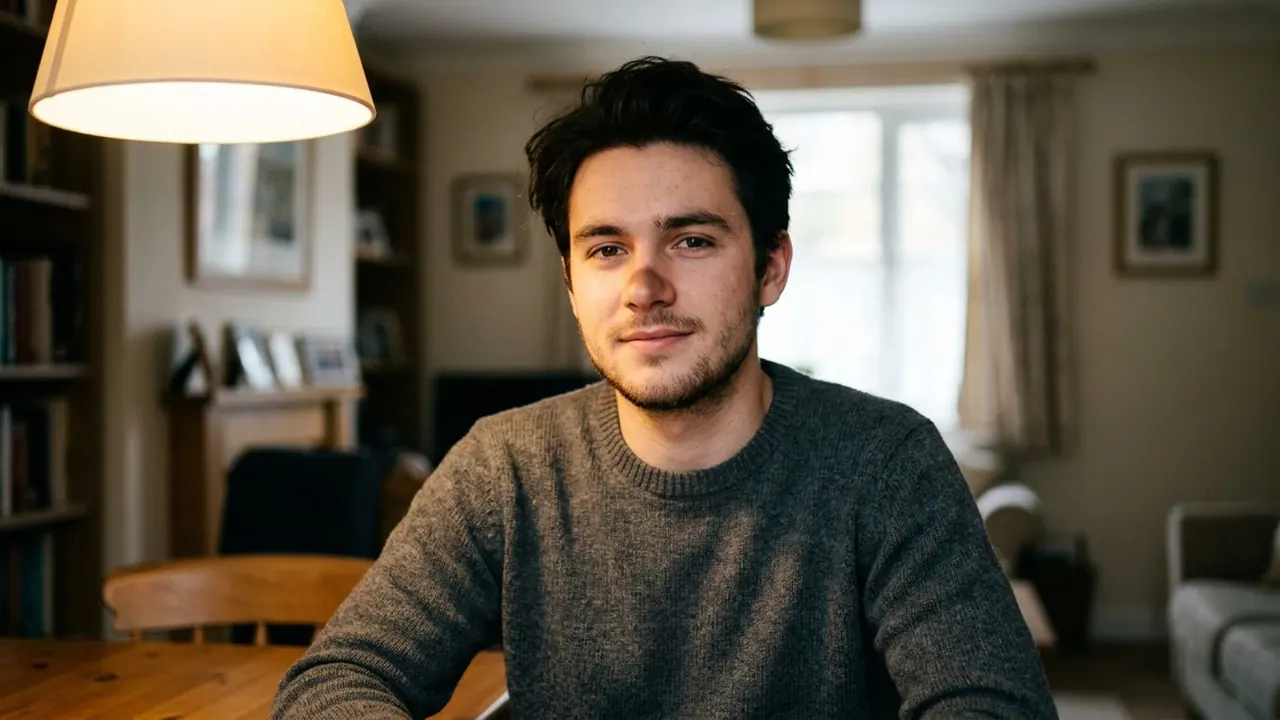
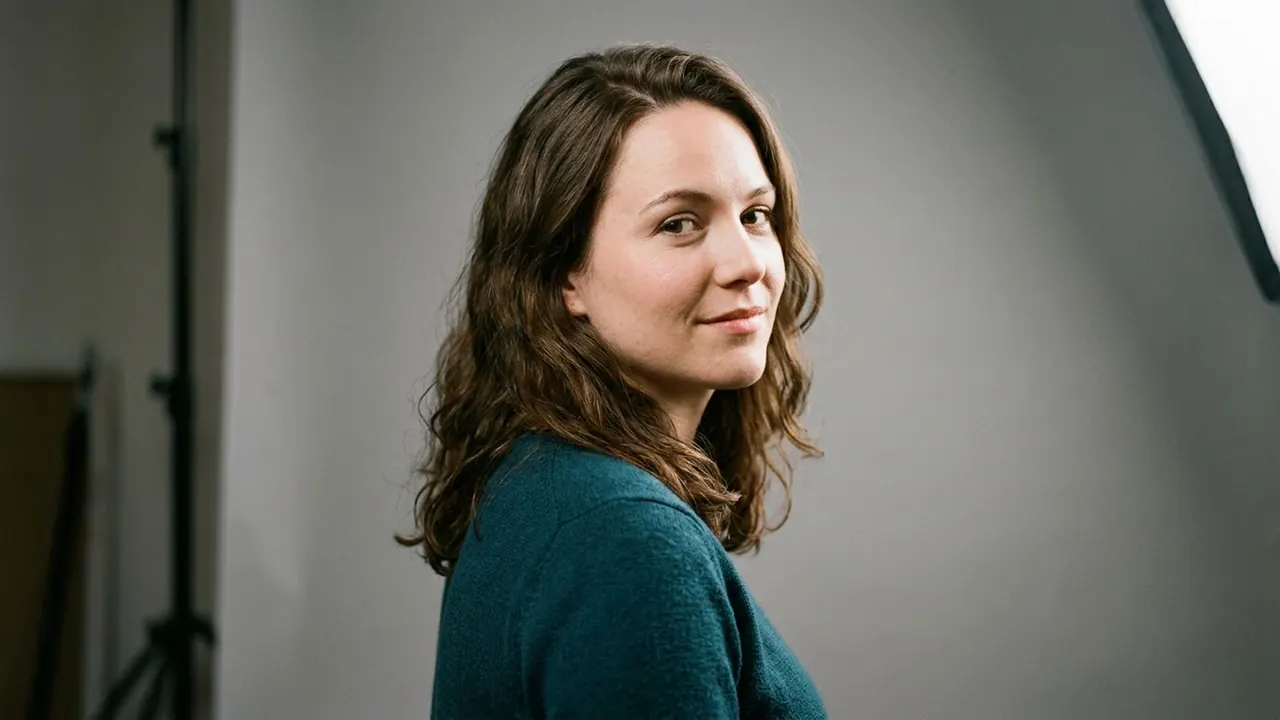
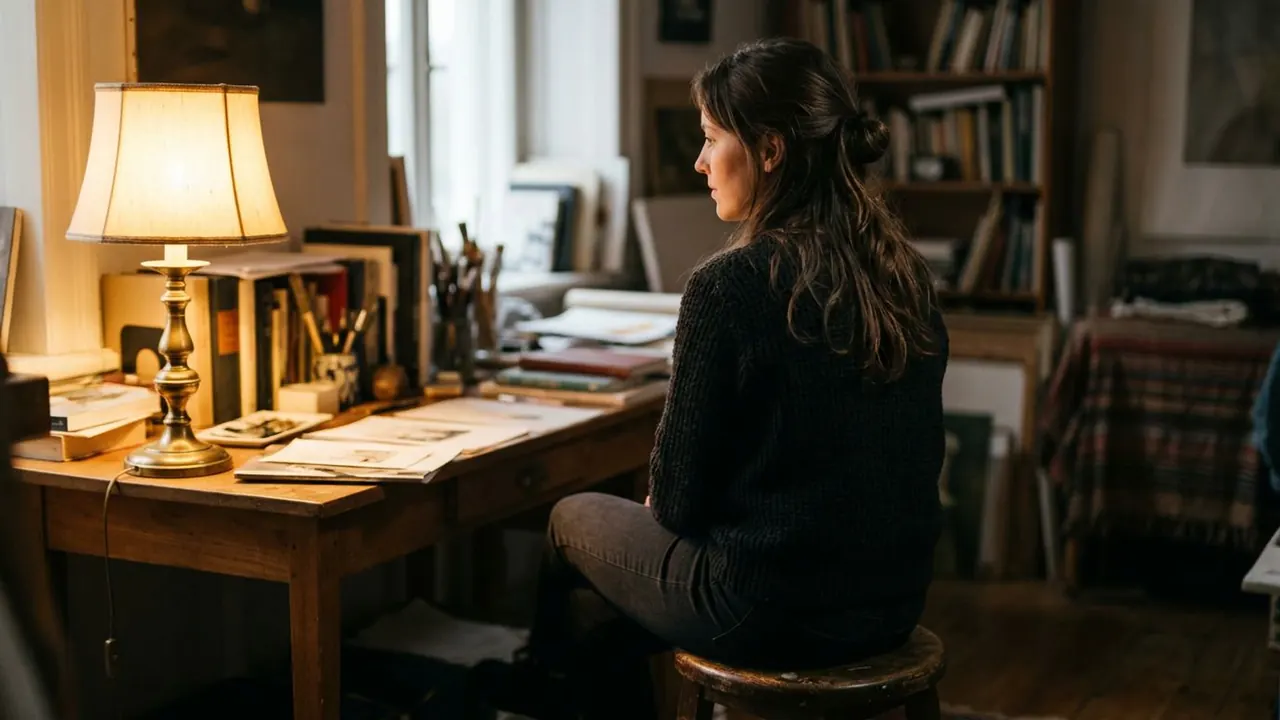
Light arrives on the face at the moment something is understood.
Opens a video model with the prompt in it. The price is on the page before you sign in.

What it is for
Light arriving on a face at the moment a character understands something lets the audience see the thought land. The change in brightness happens at the same time as the change in the performance, and the two read as one event.
It works because the audience does not analyse it. A face getting brighter feels like a realisation, and nobody in the cinema asks where the lamp is.
How it works
The shot starts with the face in shadow or at a low level, then the light rises onto it. In production this is a dimmer, a lamp swinging round, a door opening, or the subject moving into an existing pool of light.
Timing is the entire technique. The light has to arrive with the beat, and half a second early gives the moment away before the actor plays it.
A motivated source makes it survive a second viewing. A passing car, a match, a screen coming on, a cloud clearing. Unmotivated light works once, and on the rewatch it reads as a lighting cue.
When to use it
Use it on a single decisive beat: a realisation, a decision, a confession, the moment a plan arrives.
Do not use it more than once in a sequence. The device is obvious by design, and repeating it turns a dramatic moment into a habit the audience can predict.
Told apart from its neighbours
Cameo lighting is a staging: a subject lit against a completely black background with nothing else visible, held that way for the whole shot. Epiphany is a change over time, and it can happen in any setting.
Ask whether the light moves. A fixed pool on a figure in the dark is cameo. A level that rises during the take is epiphany.
The prompt
Replace the blanks, keep the rest. Then run it on a video model.
light rising on the face of <subject> as they realise <thing>, illumination arriving with the understanding
What goes wrong
Models light the face evenly for the whole clip, because a constant exposure is what they are built to produce. Say the light rises during the shot and name the moment it arrives.
The second failure is light that comes up too early and flattens the beat. Tie it to the action in the prompt: the light reaches the face as the realisation lands, not before.
Leave out
constant light, flat exposure
Watch for
Tie the light change to the beat. Light that rises early gives the moment away.
Questions
Shoot it
Pay for the one run. No subscription, and the price is on the model page before you sign in.
Next to it in light on a face