Soft Light
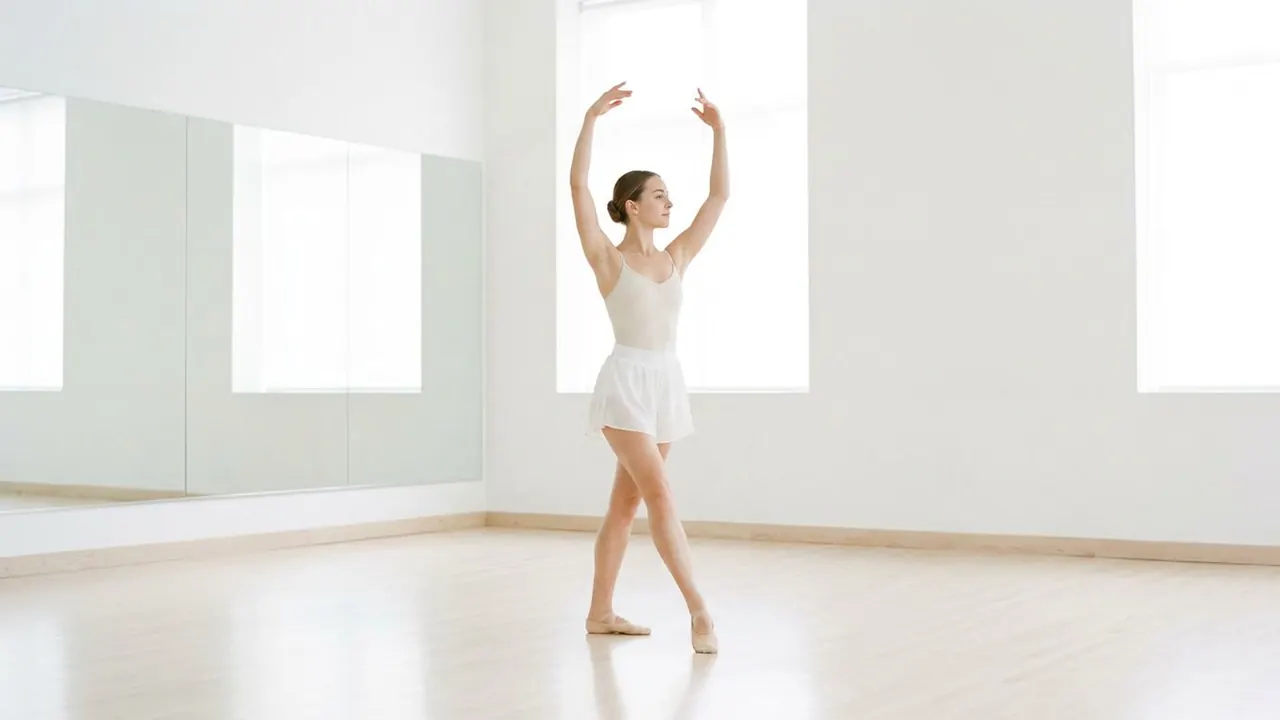
A large source wraps around the subject and the shadow edges go gentle.
Opens a video model with the prompt in it. The price is on the page before you sign in.

What it is for
A large source wraps around a face, so the change from lit to shadow happens over a long distance and nothing on the skin is exaggerated. It is the most forgiving light there is.
It also feels ordinary in the best sense. An overcast sky and a north window are both soft, so the look reads as daylight rather than as lighting.
How it works
Size is what makes light soft, measured as how much of the subject's view the source fills. A one metre panel at one metre away is soft. The same panel at five metres is not.
Getting there means a big source close in, or a small source bounced off something big. A lamp pointed into a white wall turns that whole wall into the source.
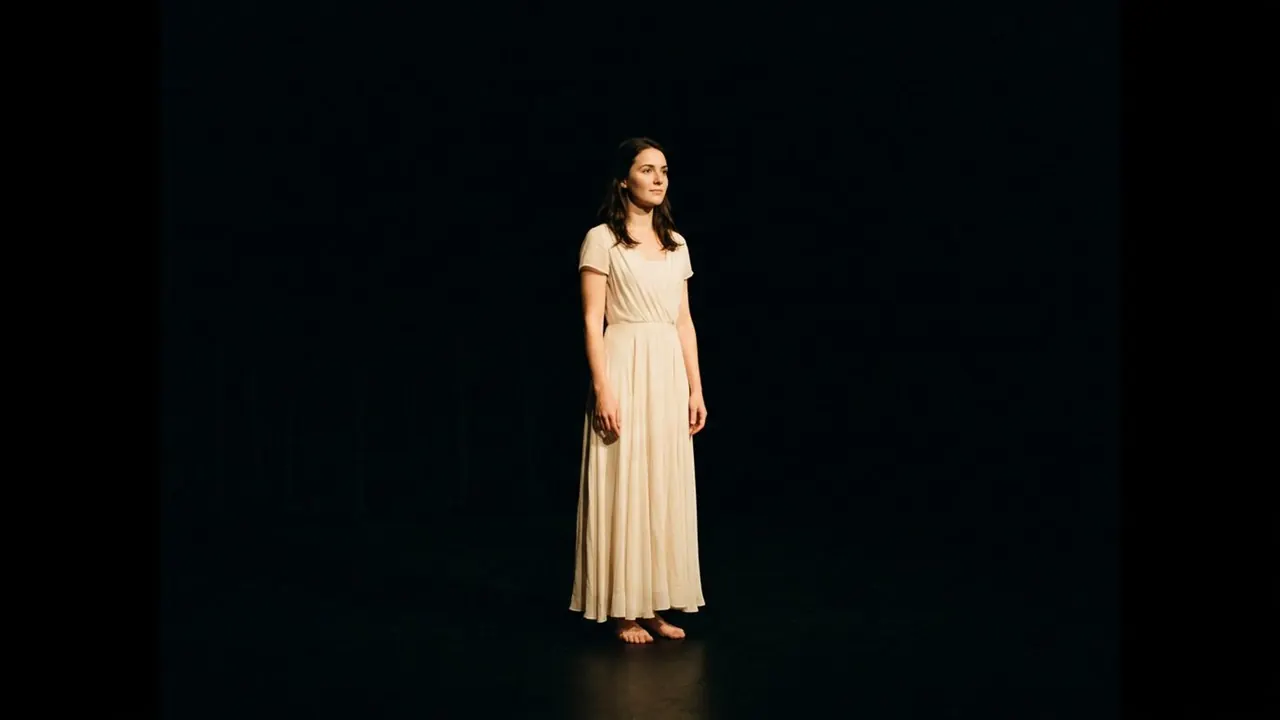
Falloff is still steep at close range, since the inverse square law does not care how soft the light is. Doubling the distance costs two stops, which is why a soft key close to a face leaves the background dark.
When to use it
Use it for interviews, beauty, product, and any scene where the lighting should go unnoticed. It is also the safe choice when a performance rather than a look is carrying the shot.
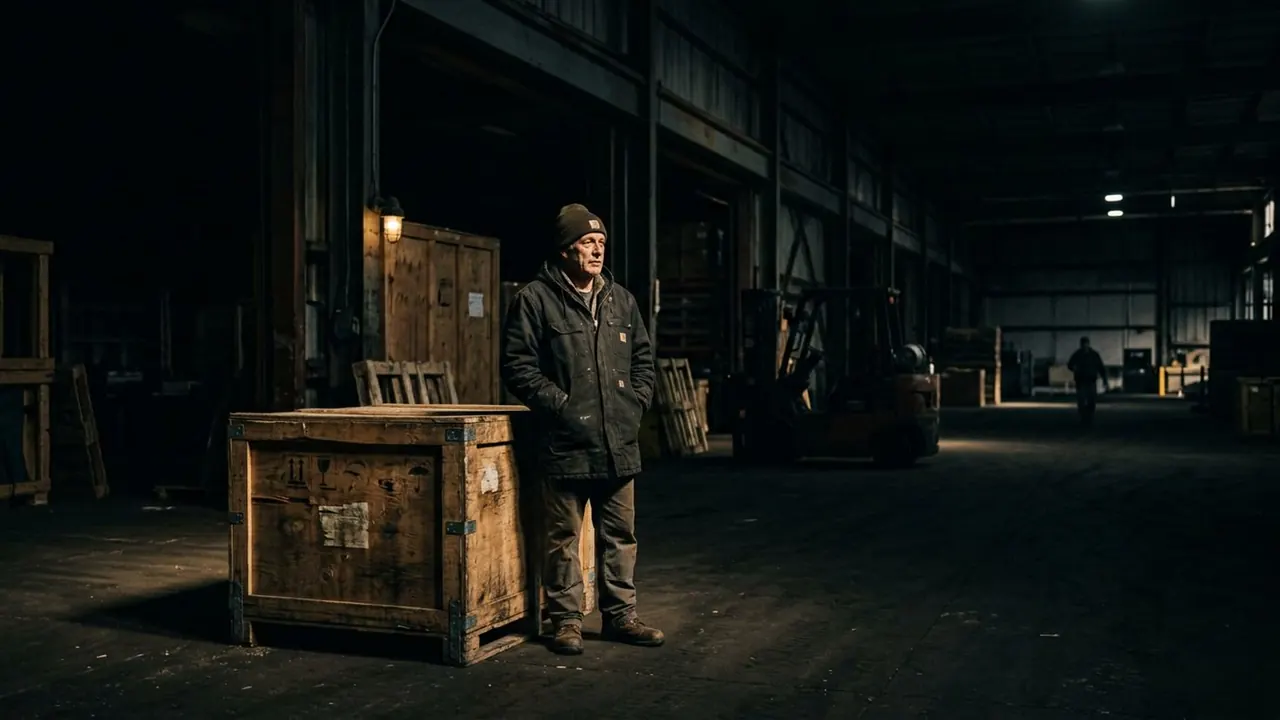
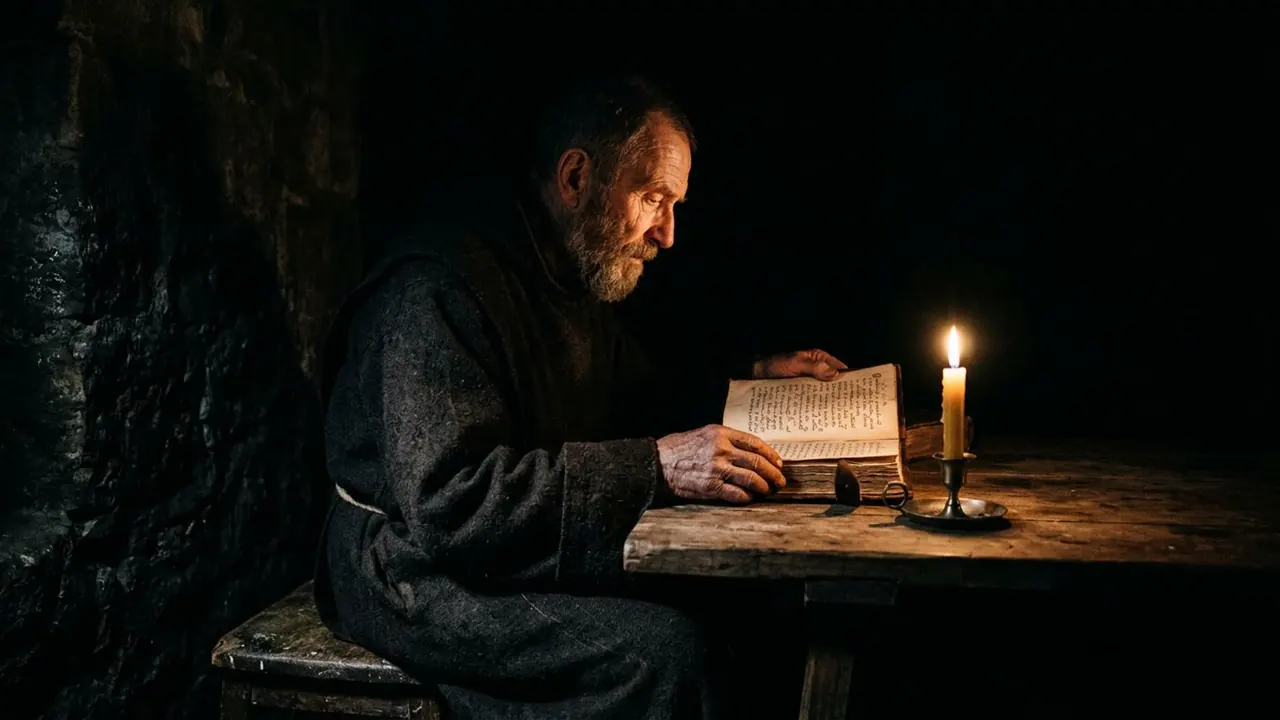
Move off it when the scene needs edge. Soft light on a threat removes the threat.
Told apart from its neighbours
Bounce light is one way of making soft light, by aiming a source at a ceiling, a wall or a card and using the reflection. Soft light is the result, and a large diffused source arrives at the same place.
So every bounce is soft, and not every soft source is a bounce. Naming the bounce surface matters when you want its colour, because a wood ceiling warms the light and a blue wall cools it.
The prompt
Replace the blanks, keep the rest. Then run it on a video model.
soft light on <subject>, large diffused source, gentle shadow edges, light wrapping around the face, skin texture smoothed
What goes wrong
The model reads soft as dim and underexposes the shot. Say the source is large and diffused, and ask for correct exposure on the face.
The second failure is flat light with no direction at all. Soft light still comes from somewhere, so name the side it comes from and ask for a gentle shadow on the far cheek.
Leave out
hard shadow, small source
Watch for
Say the source is large. Size is what makes light soft, not brightness.
Questions
Shoot it
Pay for the one run. No subscription, and the price is on the model page before you sign in.
Next to it in how much light, and how hard