Broken Mirror
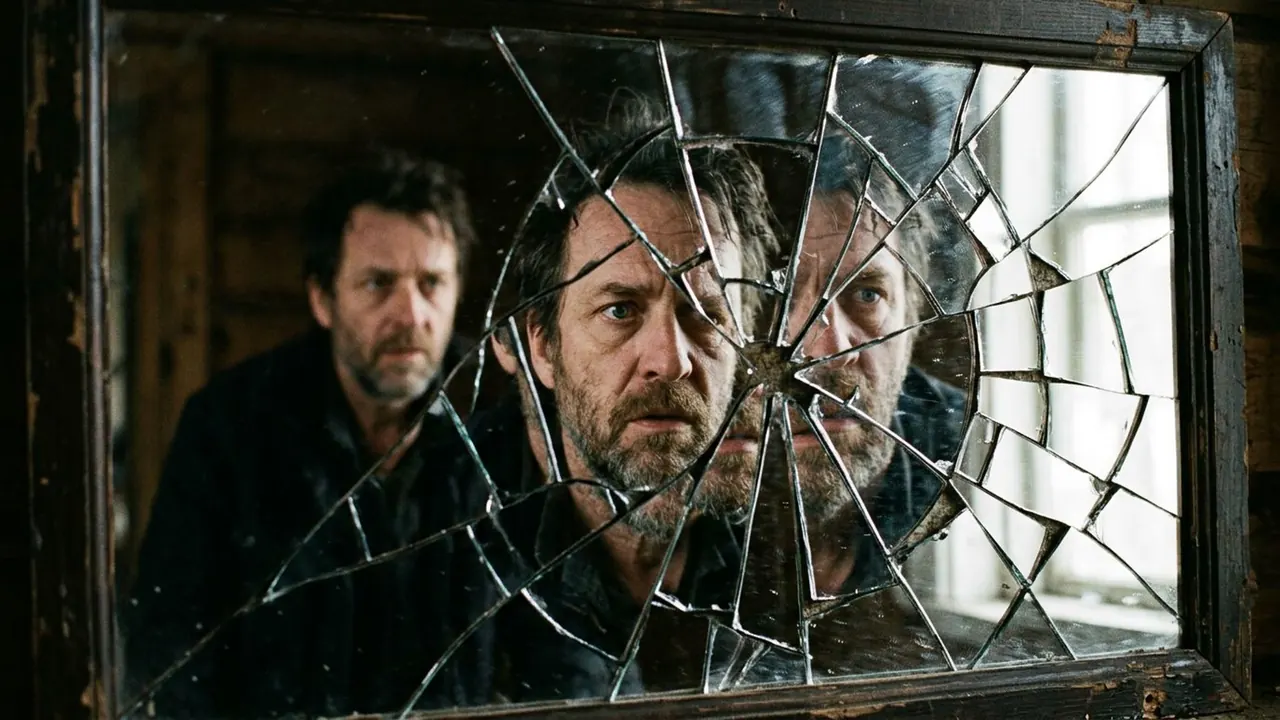
Shattered glass multiplies the subject into misaligned fragments.
Opens a video model with the prompt in it. The price is on the page before you sign in.
What it is for
Shattered glass gives you several versions of one face, and none of them line up. The misalignment is the content of the shot.
It is a picture of somebody who has come apart, made without changing anything about the person.
How it works
Every shard sits at its own angle, so every reflection shows the subject from a slightly different position and at a slightly different size. That offset is what separates the shot from a cracked overlay.
The crack lines catch light along their edges and read as bright seams between the fragments.
Some shards can be missing, black, or turned away entirely, which gives the frame somewhere to breathe.
When to use it
Use it for a break, a decision, a confrontation with a self image, or a title frame for a piece about identity.
Skip it as decoration. The look makes a claim about the subject, and it is hard to use casually.
Told apart from its neighbours
Reflections gives you a second version of the subject in a surface that is still intact, and both versions read as one continuous image.
Check the alignment. One coherent reflection is Reflections. Fragments that disagree with each other is Broken Mirror.
The prompt
Replace the blanks, keep the rest. Then run it on a video model.
<subject> reflected in shattered glass, face broken into misaligned fragments across the cracks, each shard slightly offset
What goes wrong
The model draws a crack pattern over an otherwise normal reflection, which is a texture and not an effect. Say every shard is offset and shows the face from a different angle.
The second failure is an intact mirror with a filter on it. Ask for shattered glass with the face broken across the cracks.
Leave out
intact mirror, single reflection
Watch for
Offset each fragment. Identical pieces just look like a cracked overlay.
Questions
Shoot it
Pay for the one run. No subscription, and the price is on the model page before you sign in.
Next to it in worlds that bend