Monet Muse
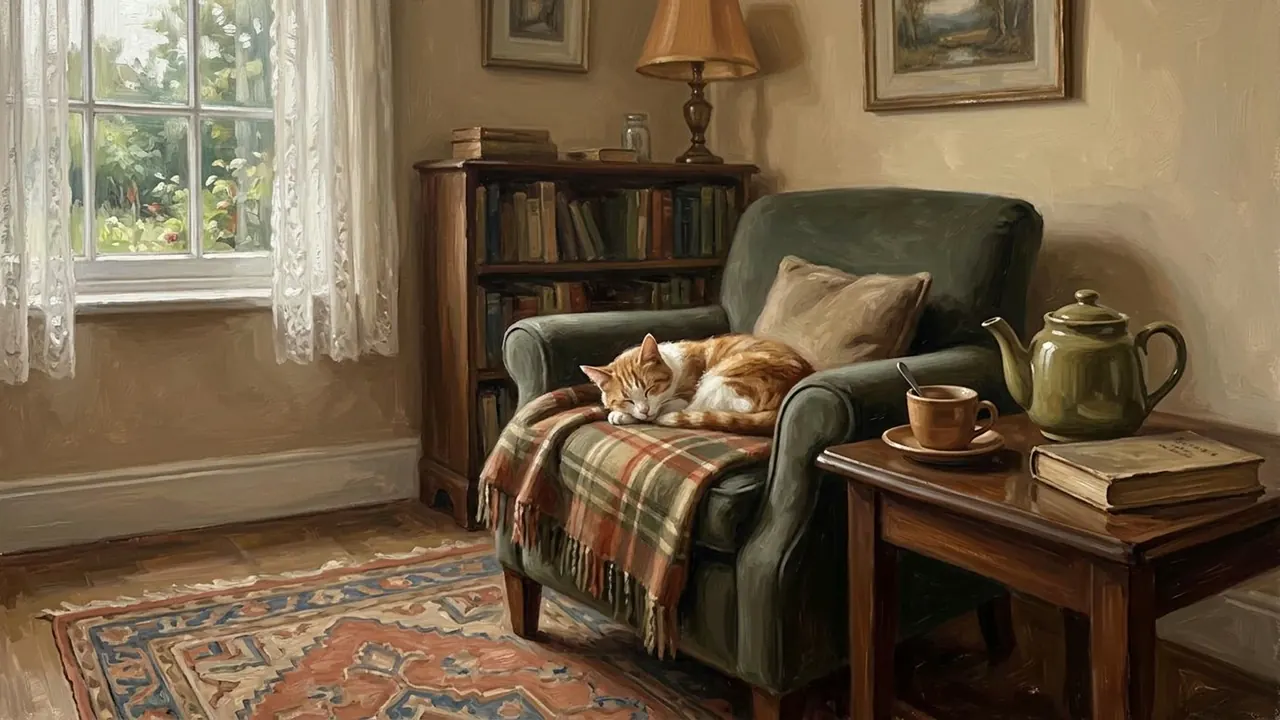
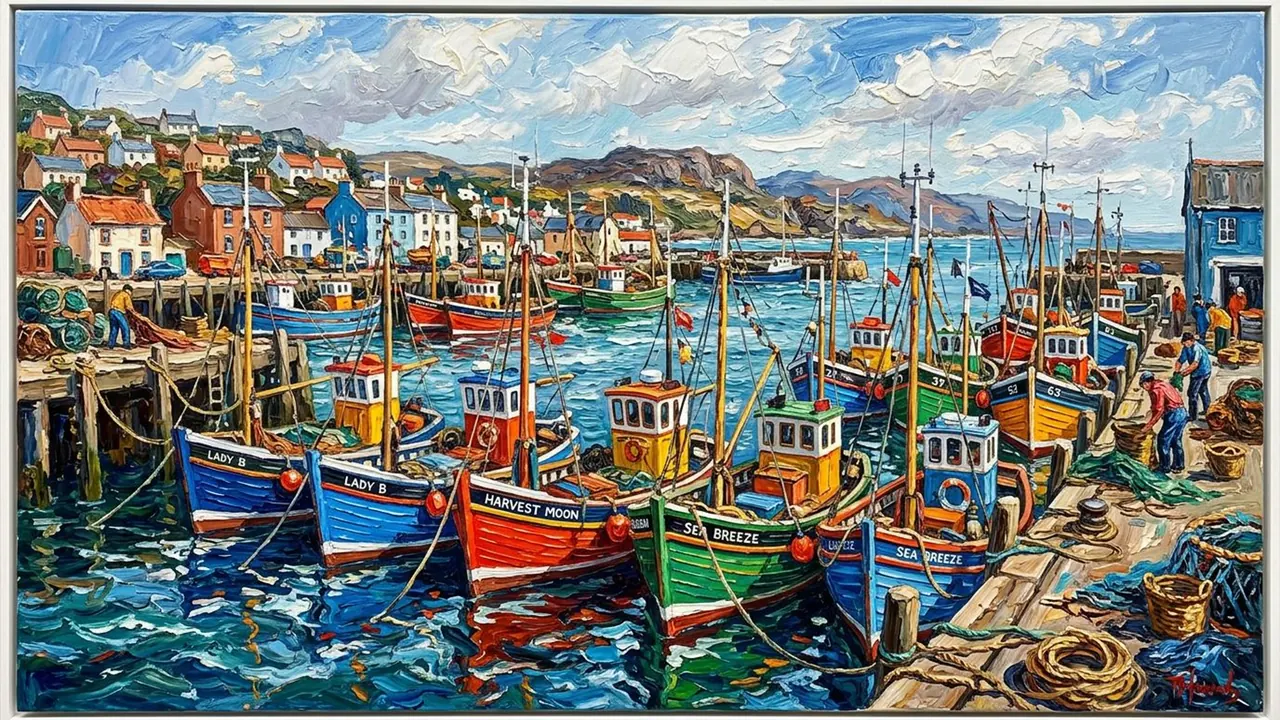
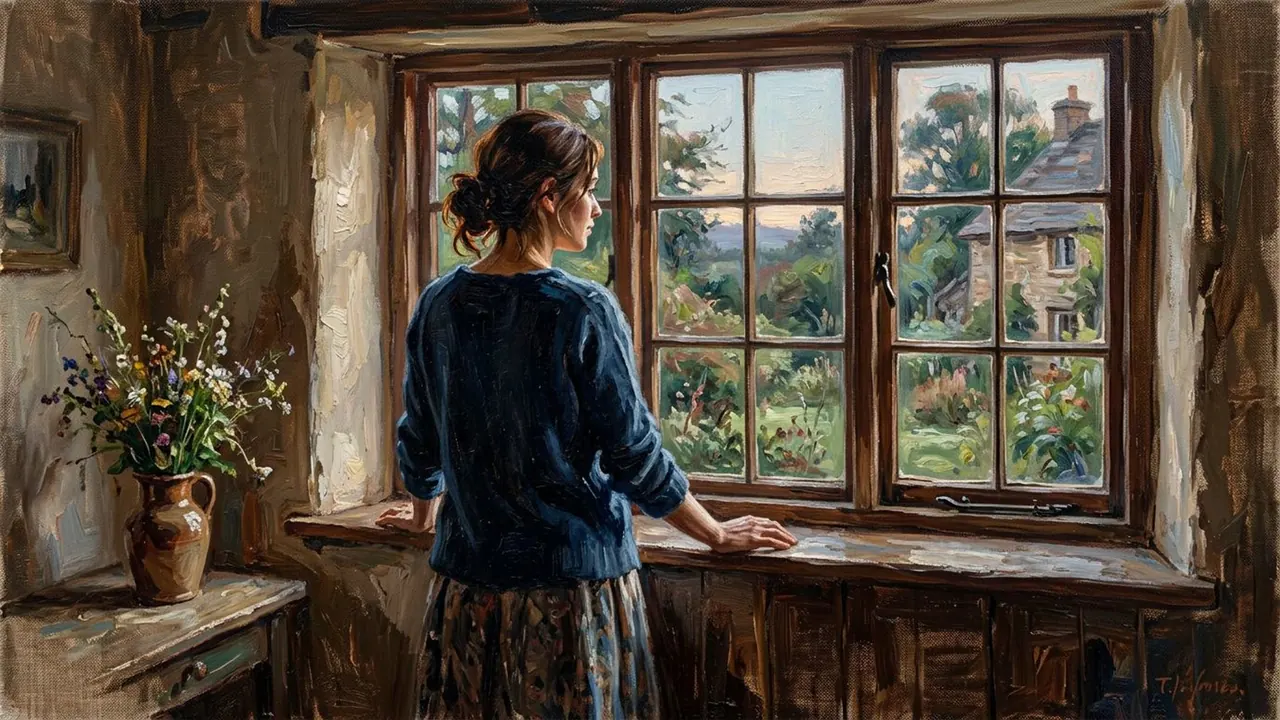
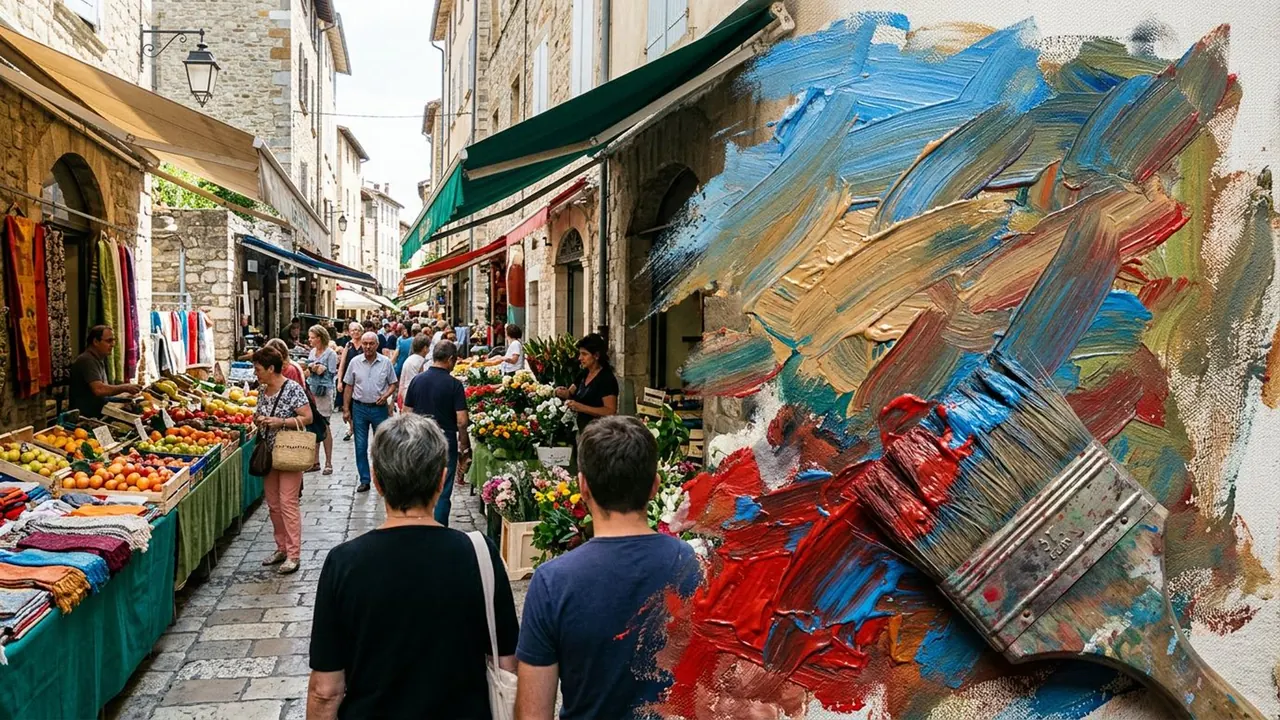
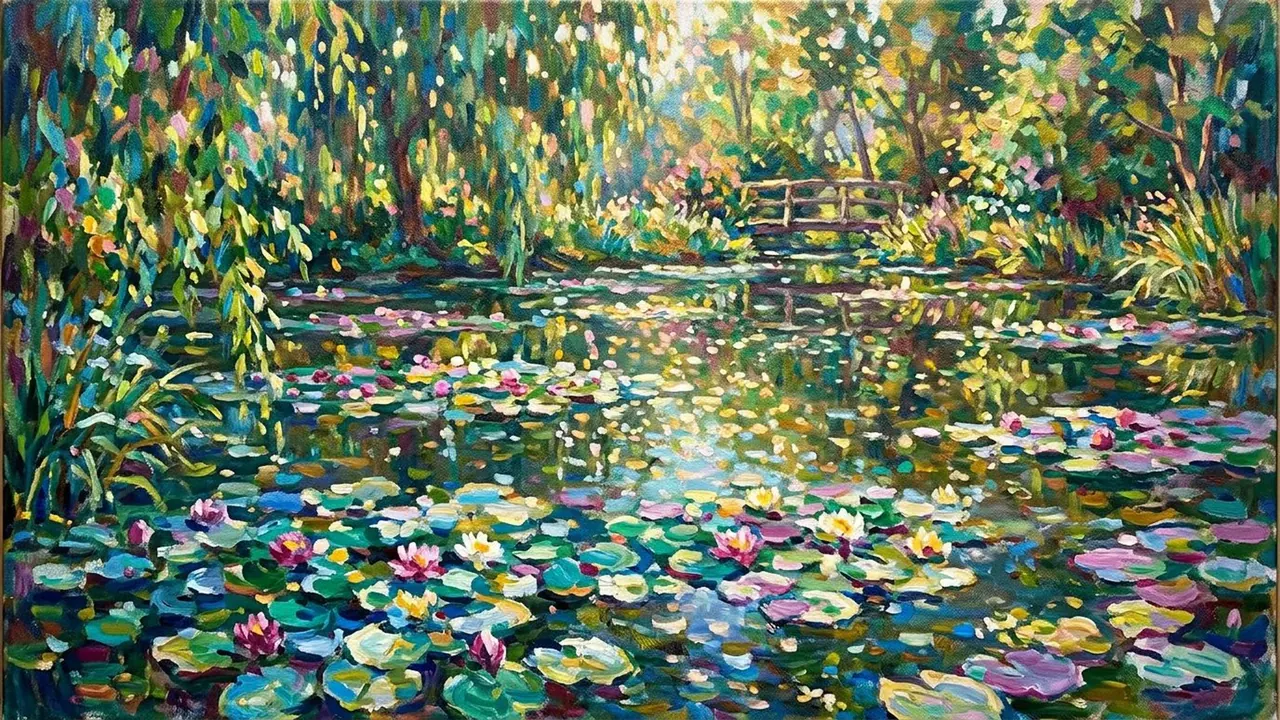
Impressionist dappled brushwork breaks the light into colour patches.
Opens a video model with the prompt in it. The price is on the page before you sign in.
What it is for
The picture describes light instead of objects. Colour arrives in small separate patches and the eye assembles them, which is why the frame feels like a moment of weather rather than a record of a thing.
Edges go first. Impressionist painting gave up the outline in order to keep the light, and a frame built this way reads as atmosphere before it reads as a subject.
How it works
Small dabs of unmixed colour sit side by side rather than blended. A shadow is built from blues and violets placed next to each other, so it stays luminous instead of going grey.
Nothing carries a hard boundary. A figure meets the air through a zone of broken strokes, and the exact line where one ends and the other starts is never drawn.
The light is usually daylight outdoors, dappled through leaves or coming off water. That is the condition the style was built to describe, and it gives the broken colour something to be about.
When to use it
Use it on gardens, water, weather and crowds seen from a distance. Anything where the light is the subject and the detail is not.
Skip it on faces you need to recognise and on any shot carrying information. The style dissolves exactly the edges that make a face identifiable.
Told apart from its neighbours
Canvas is the surface. Weave and brushwork, under any style at all. Monet Muse is a rule about how colour and light get described, and it can sit on any surface.
The check is the outline. If forms still have drawn edges and the texture is woven cloth, you have Canvas. If the edges have dissolved into patches of colour, you have Monet Muse.
The prompt
Replace the blanks, keep the rest. Then run it on a video model.
<subject> rendered in impressionist brushwork, light broken into small dappled colour patches, soft edges, atmosphere over detail
What goes wrong
Hard outlines survive around the main subject, because the model wants to keep it legible. Ban hard outlines by name and say the edges dissolve into the surrounding colour.
The other failure is a smooth blur standing in for broken colour. Ask for small dappled colour patches rather than softness, or you get a photograph with the focus pulled.
Leave out
hard outlines, photographic detail
Watch for
Lose the outlines. Impressionism describes light, not edges.
Questions
Shoot it
Pay for the one run. No subscription, and the price is on the model page before you sign in.
Next to it in painted, drawn and printed