3D Render
- Motion capture
- Digitally embodied performance
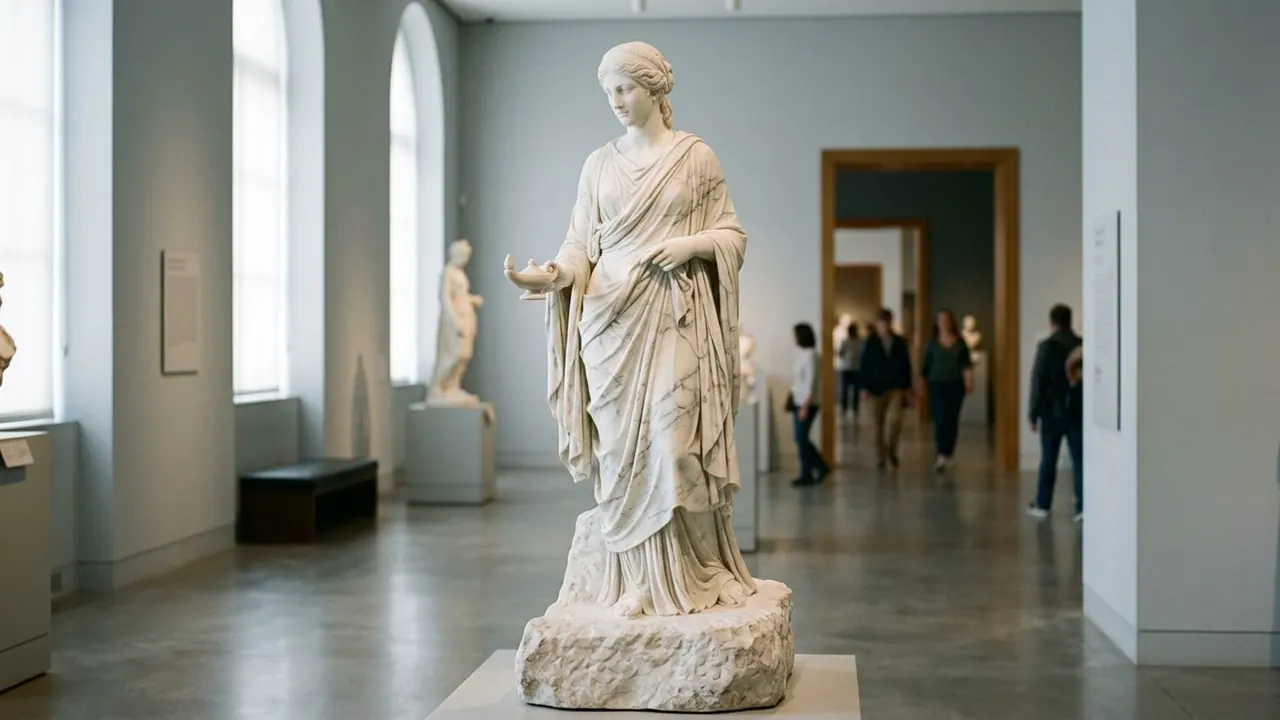
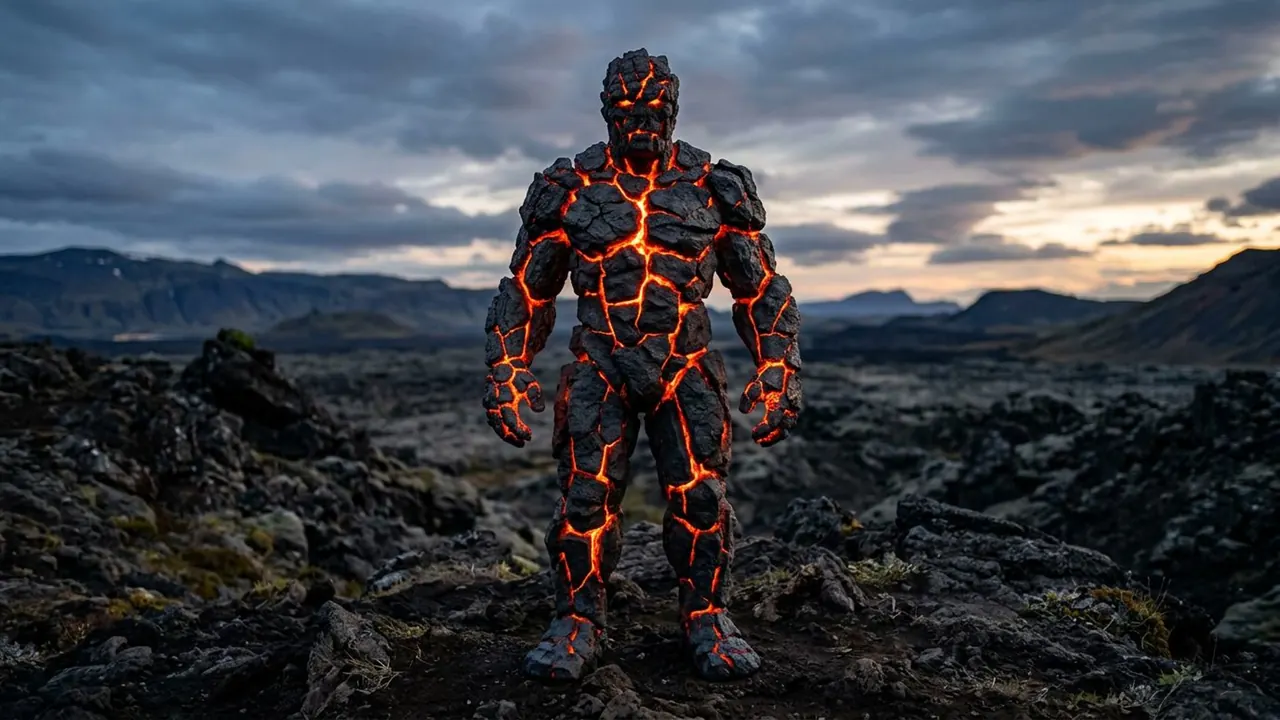
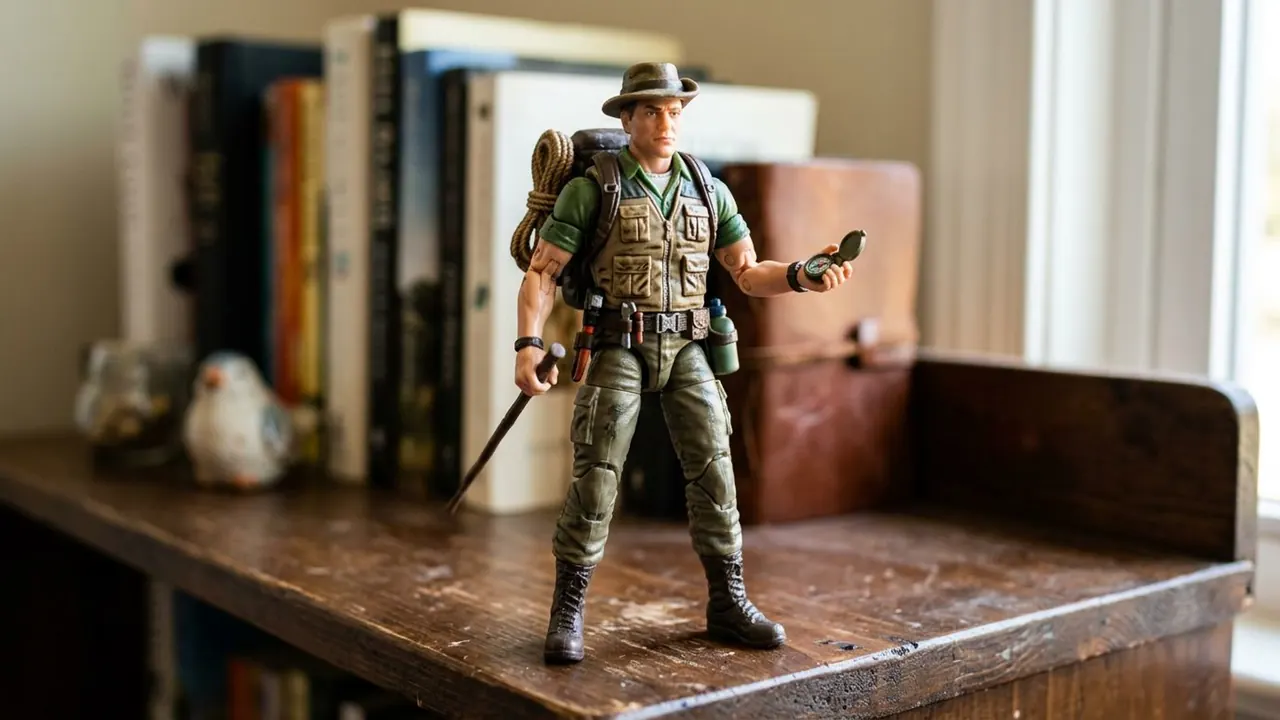
The scene reads as a computer render rather than a photograph.
Opens a video model with the prompt in it. The price is on the page before you sign in.

What it is for
The image admits it was computed. Surfaces are a little too clean, reflections are a little too correct, and nothing in the frame carries the accidents a lens would have introduced.
That cleanness is useful. It says the object in front of you is a model rather than a record, which is the right claim for a product, a concept or a character who was never in the room.
How it works
Ray tracing follows light paths through the scene, so reflections and shadows resolve precisely. A reflection in a curved surface shows the right part of the room at the right scale.
The tell is what is missing. No grain, no chromatic fringing at the edges, no dust on the front element, no small focus error. A photograph carries all of those without being asked.
Surfaces read as materials with parameters rather than as things that have been used. Even wear looks placed, because it was, and the scratch pattern repeats in a way real wear does not.
When to use it
Use it for products, for a character who has to be built rather than filmed, and for anything the audience should read as a design rather than a photograph.
Skip it when the shot has to be believed as footage. Every cue in the look says this was made.
Told apart from its neighbours
Photogrammetry rebuilds a real place from photographs, so the result carries holes. Stretched texture over gaps, missing patches, geometry that floats free where the cameras never saw.
The check is whether the failures are present. Clean and complete means 3D Render. Complete in the middle and broken at the edges means Photogrammetry.
On film
The Lord of the Rings: The Two Towers (2002) put a fully computed character on screen driven by a recorded performance, and Rise of the Planet of the Apes (2011) and Avatar (2009) extended the same approach to whole casts. All three were built to hide the render. Asking for this look is asking for the opposite.
- The Lord of the Rings: The Two Towers (2002)
- Rise of the Planet of the Apes (2011)
- Avatar (2009)
The prompt
Replace the blanks, keep the rest. Then run it on a video model.
3D render of <subject>, clean ray traced lighting, slightly too perfect surfaces, precise reflections, no lens grain
What goes wrong
Film grain and lens artefacts creep in, and the frame starts reading as a photograph, which is the trap the entry warns about. Ban film grain and photographic imperfection by name.
The other failure is a render that has been dirtied up to look real. Ask for slightly too perfect surfaces, precise reflections and clean ray traced lighting, so the computed quality stays visible.
Leave out
film grain, photographic imperfection
Watch for
Perfection is the tell. Add grain and it starts reading as a photograph.
Questions
Shoot it
Pay for the one run. No subscription, and the price is on the model page before you sign in.