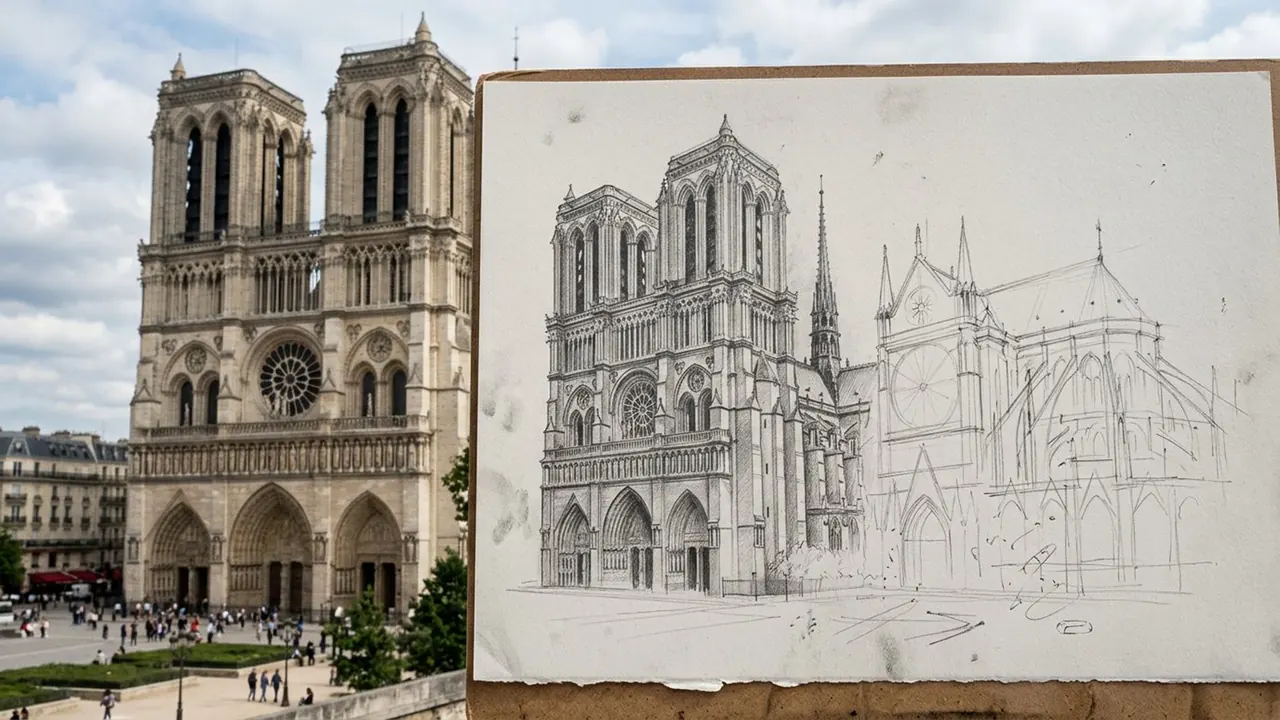
Hand Paint
A brush paints over the scene while you watch.
Opens a video model with the prompt in it. The price is on the page before you sign in.
What it is for
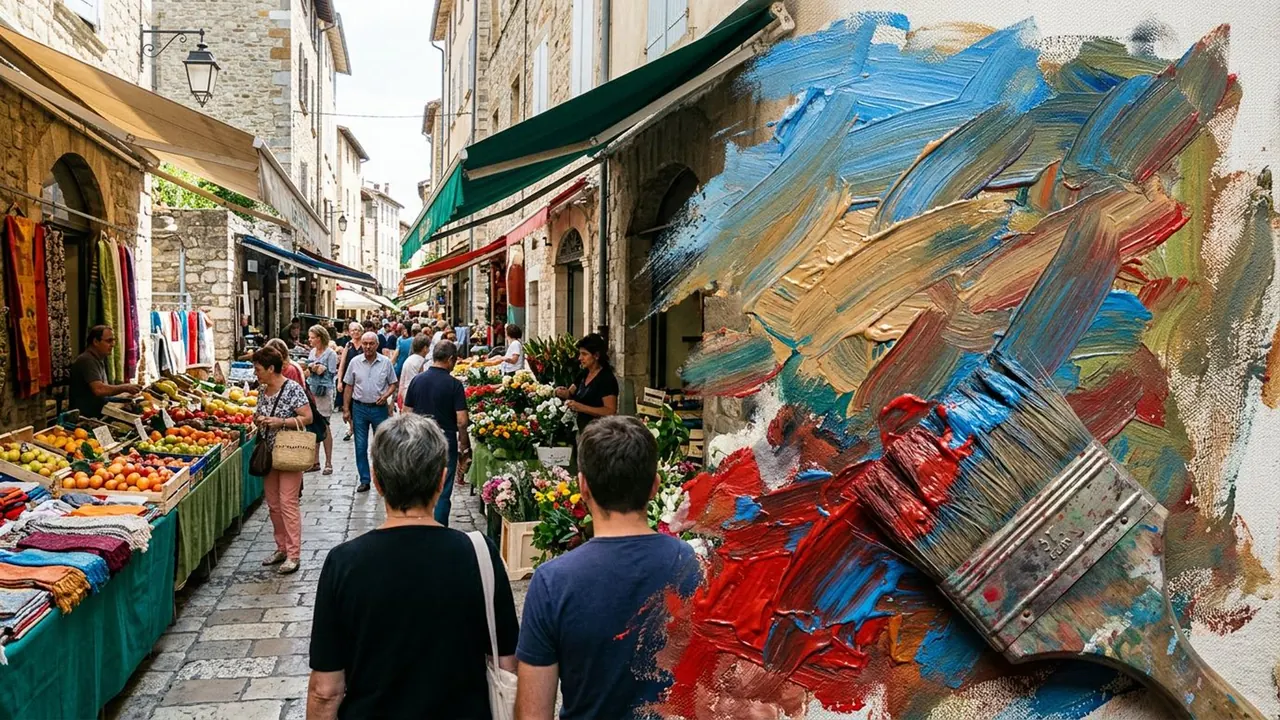
You watch the frame being made. A brush moves across a photograph and leaves paint behind it, so the shot holds two states of the same image at once.
The interest lives on the boundary. Painted on one side, photographic on the other, and a wet edge between them that moves while you look at it.
How it works
One region is finished paint and the neighbouring region is untouched footage. The line between them is ragged and wet rather than clean, because a brush does not cut a straight edge.
Strokes arrive in a direction. They start somewhere and travel, which is what makes the shot read as an action rather than a wipe between two versions of a picture.
Keep the two halves clearly different. If the photographic side is already soft and painterly, there is no boundary left to see and the effect collapses into an ordinary painted frame.
When to use it
Use it on a reveal, on a title card, or on any shot where the point is that something is changing rather than that it has changed.
Skip it for a long held frame. Once the brush has crossed the whole picture there is nothing left to watch, and you are left with a painting you could have asked for directly.
Told apart from its neighbours
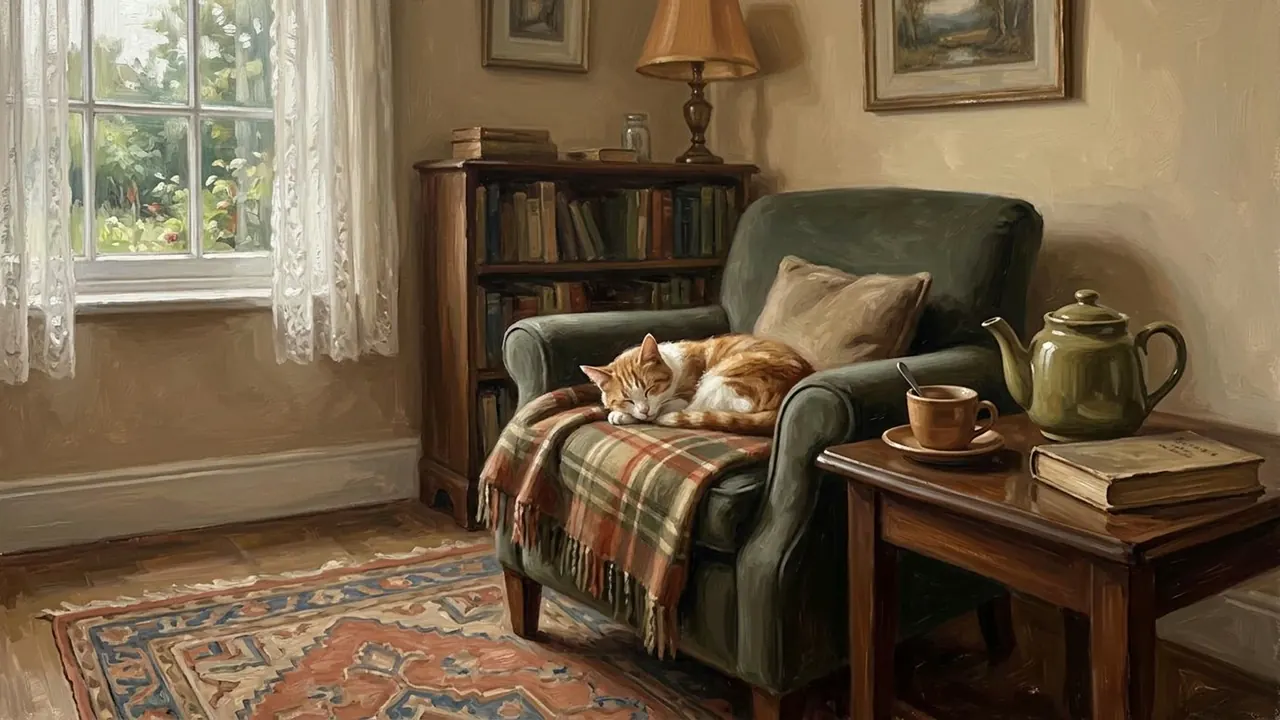
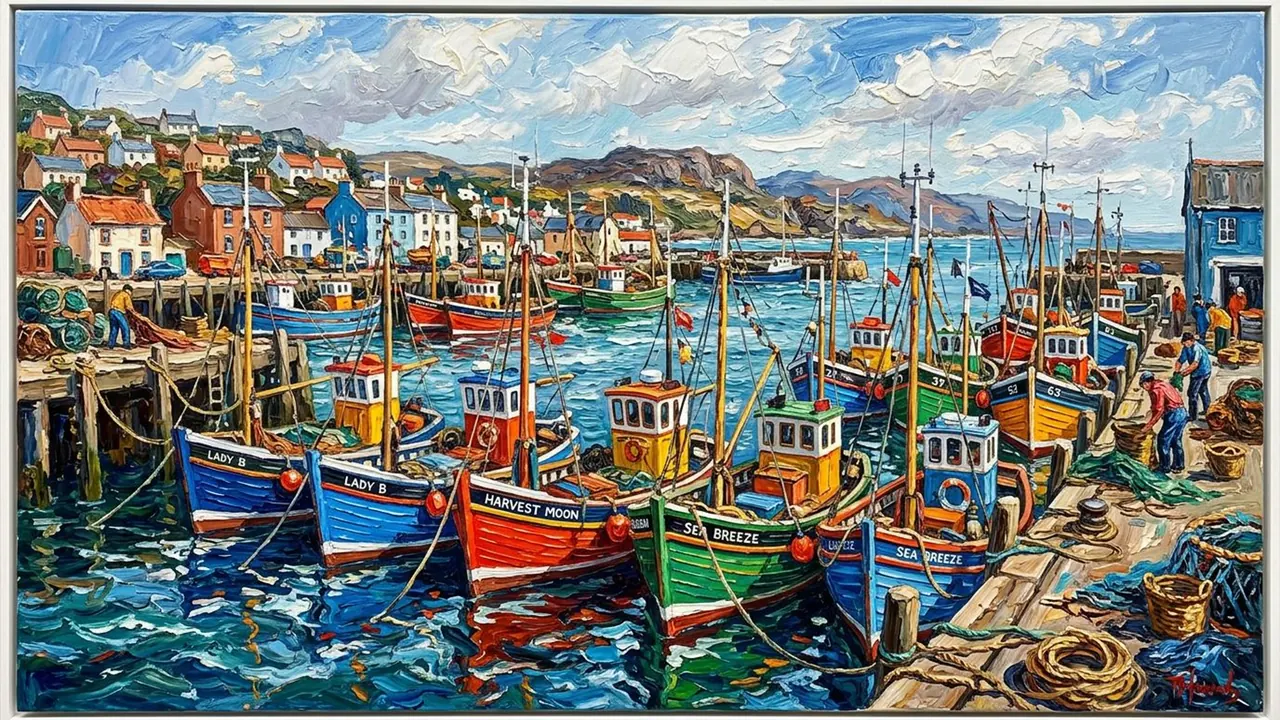
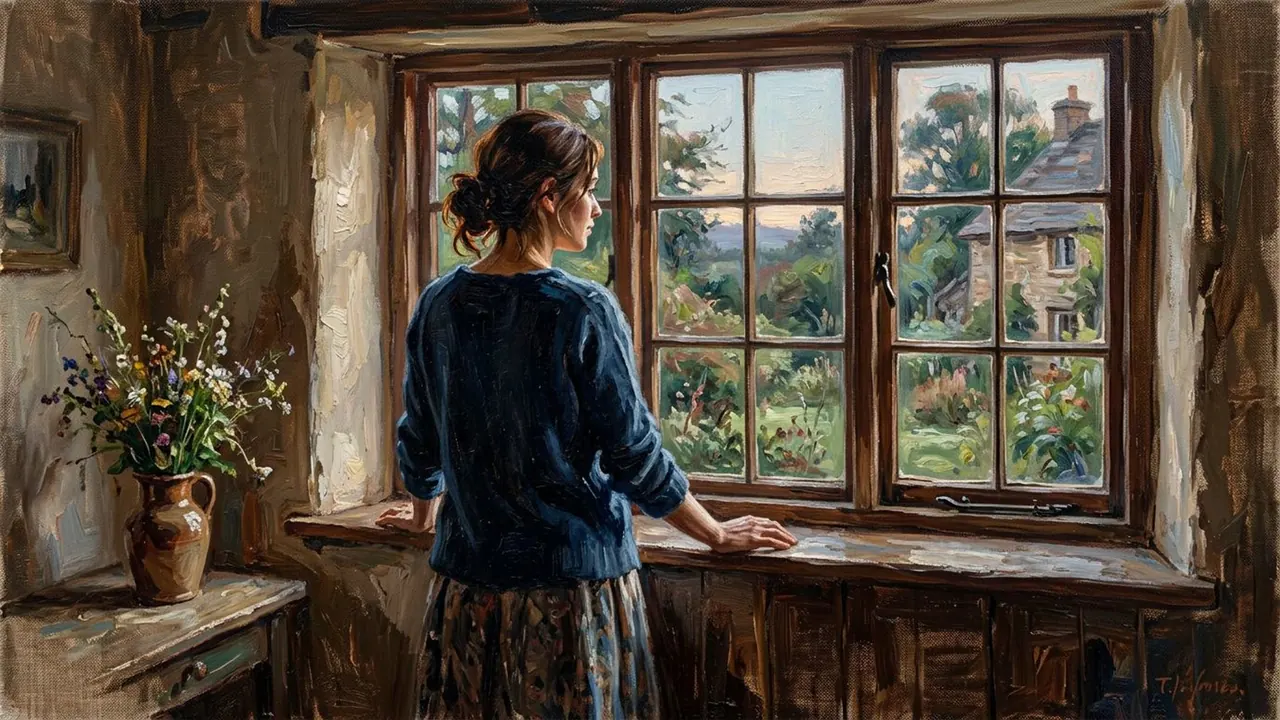
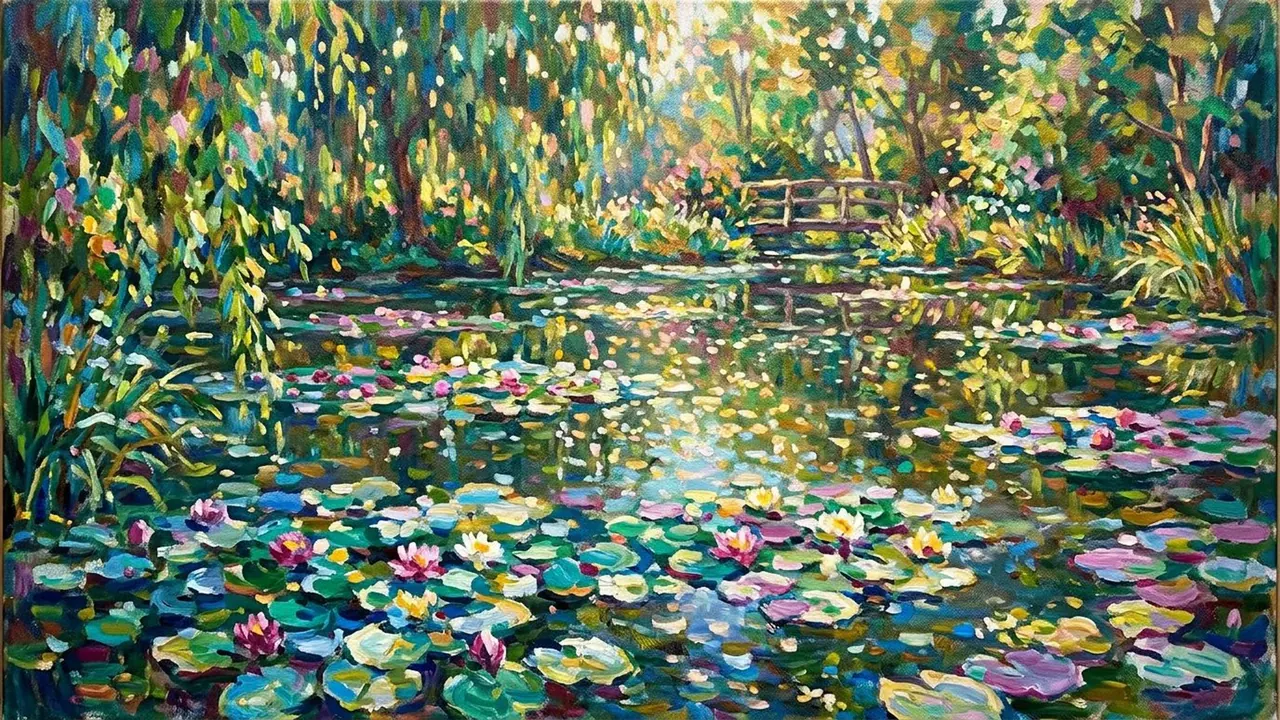
Canvas is finished. The whole frame is paint, evenly, from the first moment to the last. Hand Paint is caught partway, with photographic material still visible.
The check is whether an unpainted area survives. If every part of the frame is paint, you have Canvas. If a boundary runs across the picture, you have Hand Paint.
The prompt
Replace the blanks, keep the rest. Then run it on a video model.
<subject> being painted over by a visible brush, painted area meeting photographic area at a wet edge, strokes appearing across the frame
What goes wrong
The model delivers a finished painting, because a finished painting is the easier and more common thing. Say the painted area meets the photographic area at a wet edge, and describe both sides.
The other failure is one uniform style across the whole frame. Name what the unpainted half looks like as well as the painted half, so the model has two things to hold apart.
Leave out
finished painting, uniform style
Watch for
Show the boundary between painted and unpainted. That edge is the whole idea.
Questions
Shoot it
Pay for the one run. No subscription, and the price is on the model page before you sign in.
Next to it in painted, drawn and printed