Superstar
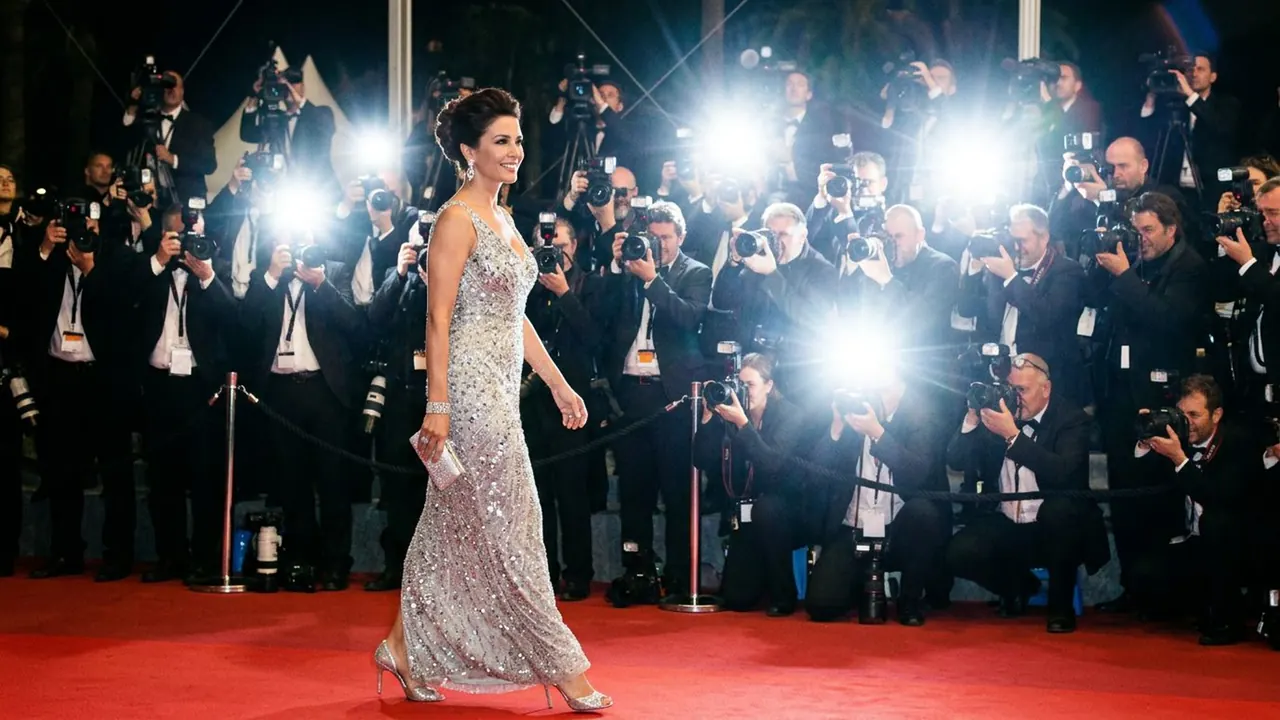
A wall of press flashes fires at a poised subject.
Opens a video model with the prompt in it. The price is on the page before you sign in.
What it is for
A wall of flashes says the subject is being looked at by a great many people at once. The light is the crowd, and the pose is the answer to it.
It is a fantasy of arrival. The frame gives somebody the treatment reserved for people who are already famous, which is why it works as a single image with no story around it.
How it works
Several hard sources fire from the front at slightly different moments. Highlights blow out on the nearest surfaces, shadows fall hard onto whatever is behind the subject, and the colour runs cool, because a flash tube is daylight balanced against the warm light already in the room.
The crowd does half the work. Lenses, raised phones and bodies pressed against a barrier fill the background and give every point of light a source. Depth of field stays shallow enough that the crowd reads as shapes and never as individual faces.
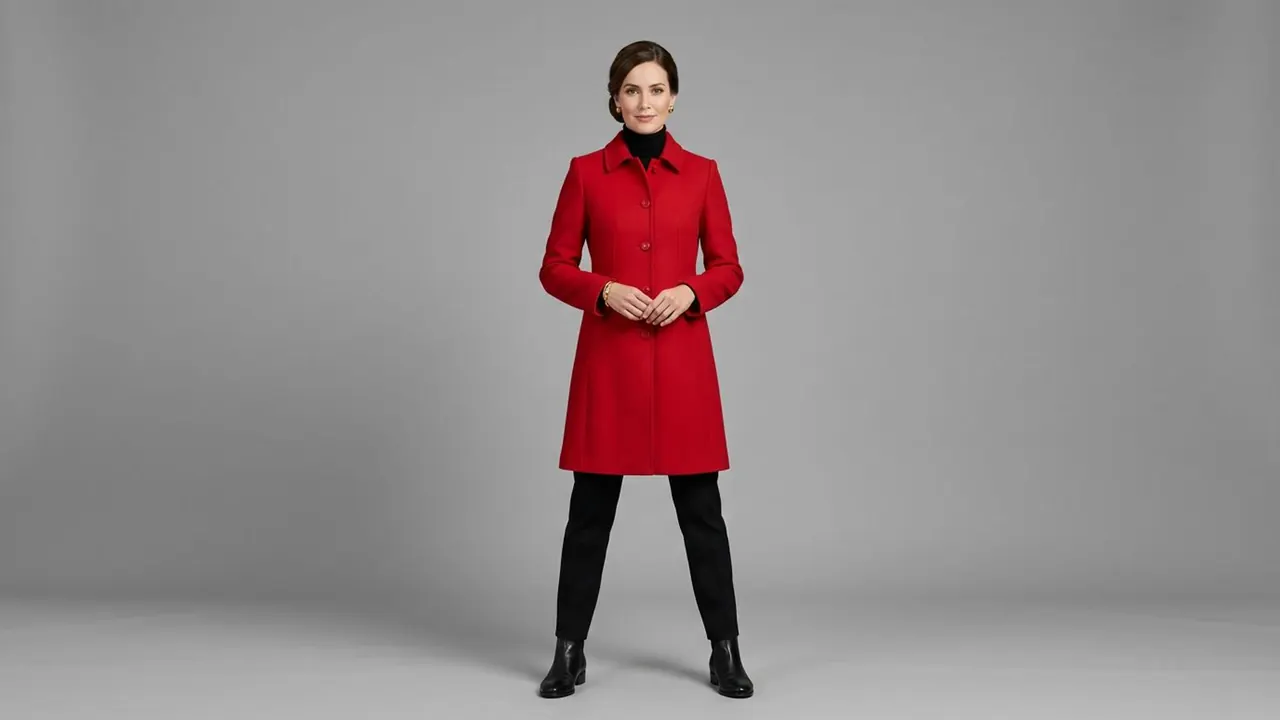
The pose is held and aware. Shoulders squared or angled on purpose, chin up, eyes toward the cameras.
When to use it
Use it for an arrival, a red carpet, a reveal, and any piece where the point is that everybody is watching.
Skip it for anything candid or private. The look is built on being photographed, so it fights a scene about somebody alone.
Told apart from its neighbours
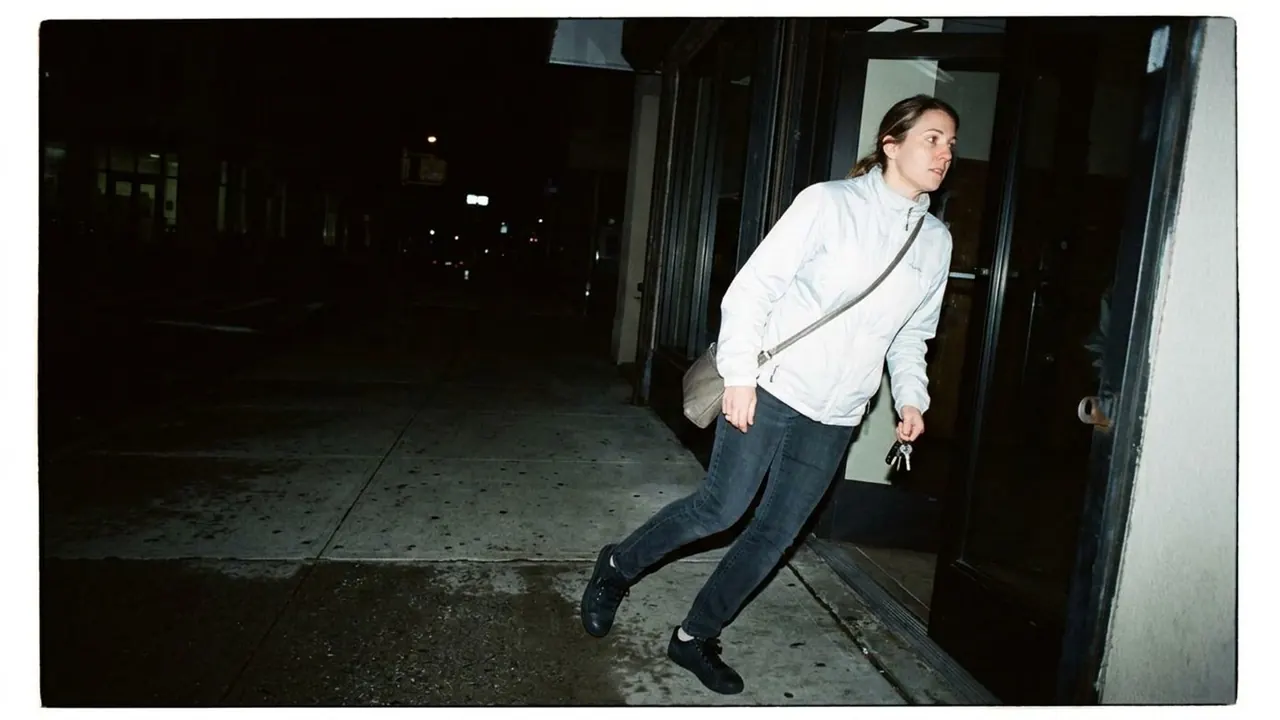
2000s Paparazzi shares the hard flash and little else. Paparazzi is caught: one flash, an off balance frame, a dark street, and a subject halfway through a step. Superstar is composed, with many flashes and somebody who has arranged themselves for them.
Look at the pose and count the lights. A held pose facing a wall of flashes is Superstar. A body turning away from a single flash is paparazzi.
The prompt
Replace the blanks, keep the rest. Then run it on a video model.
<subject> facing a wall of press flashes, many hard flashes firing at once, glamorous poise, crowd of cameras behind
What goes wrong
A model reads flash as a lighting condition and returns one soft key with an empty background, which looks like a mistake instead of a look. Say many hard flashes firing at once, and fill the background with cameras.
The second failure is a polite background. Ask for a crowd of lenses and raised phones close behind the light, close enough to crop, or the flashes have nothing to come from.
Leave out
soft light, empty background
Watch for
Fill the background with cameras. Flashes with no crowd read as a lighting error.
Questions
Shoot it
Pay for the one run. No subscription, and the price is on the model page before you sign in.