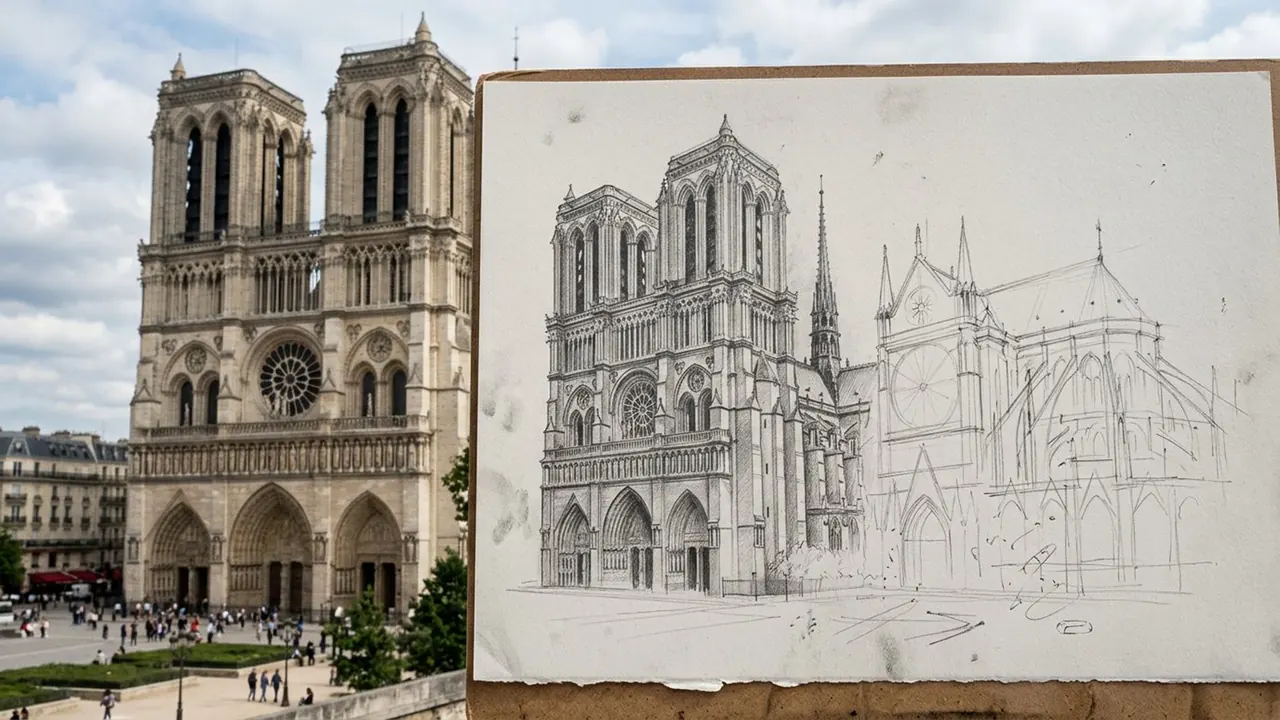
Canvas
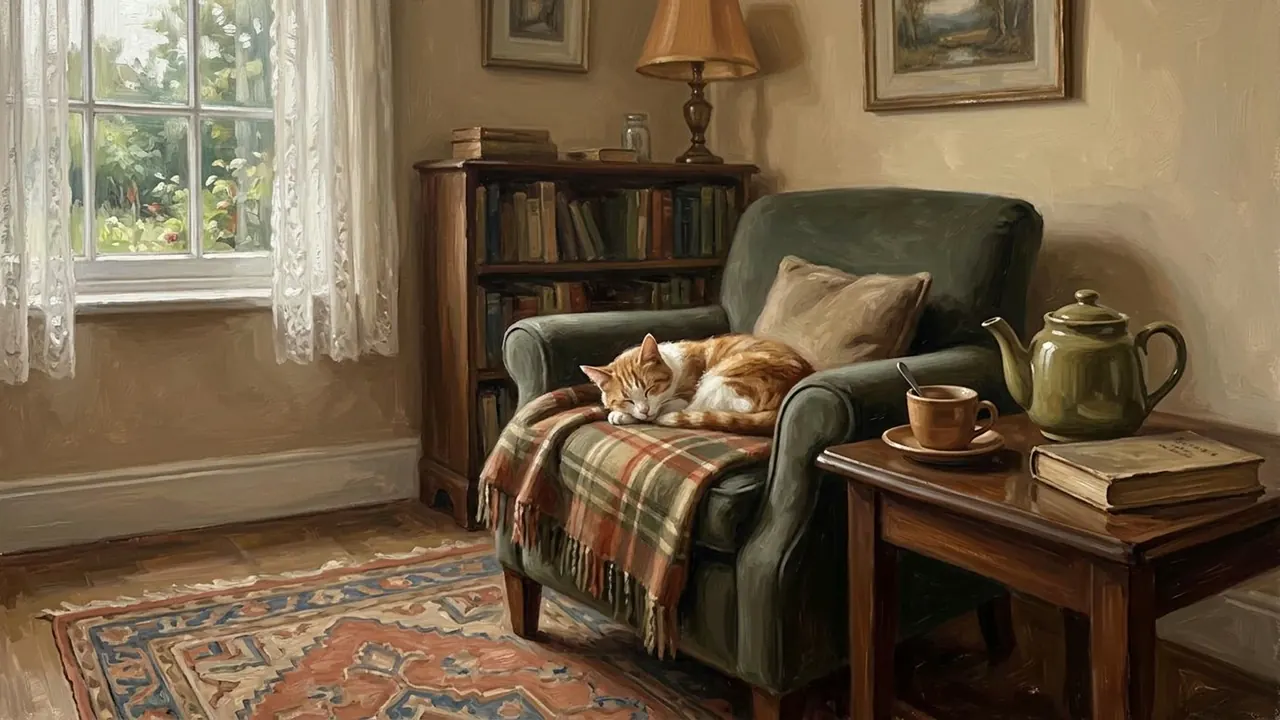
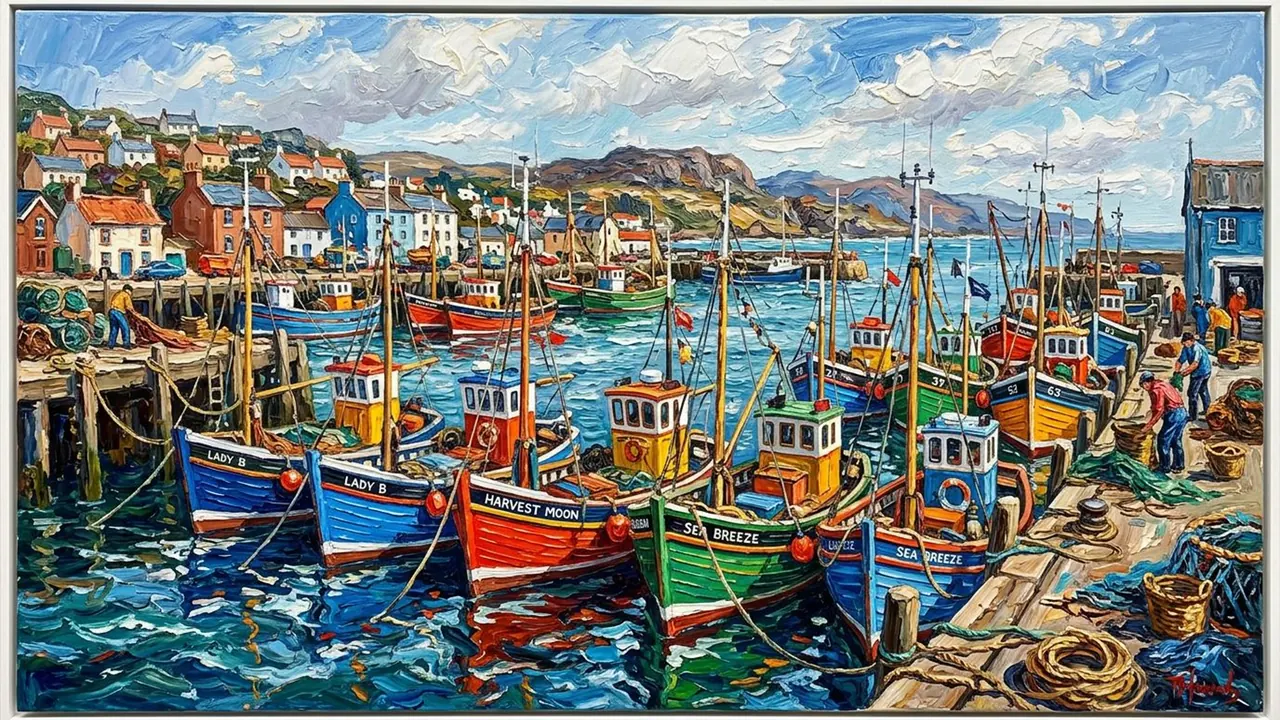
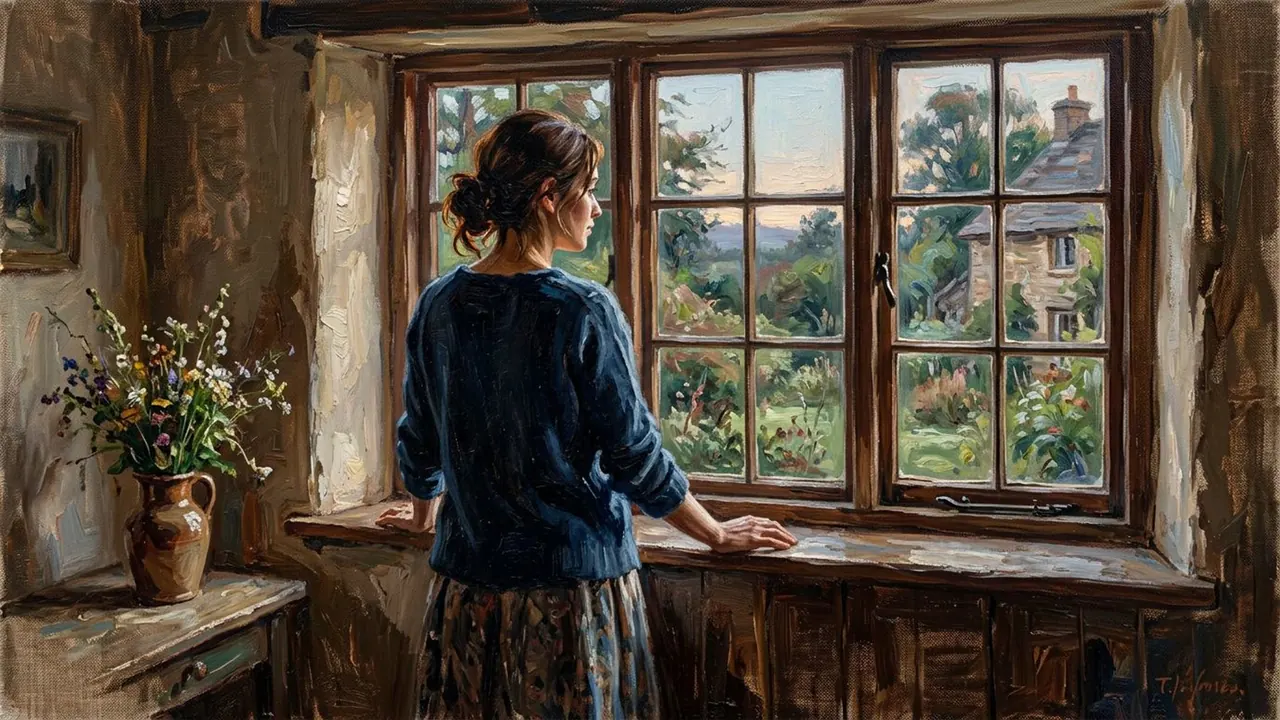
The whole frame carries the weave and brushwork of a painting.
Opens a video model with the prompt in it. The price is on the page before you sign in.
What it is for
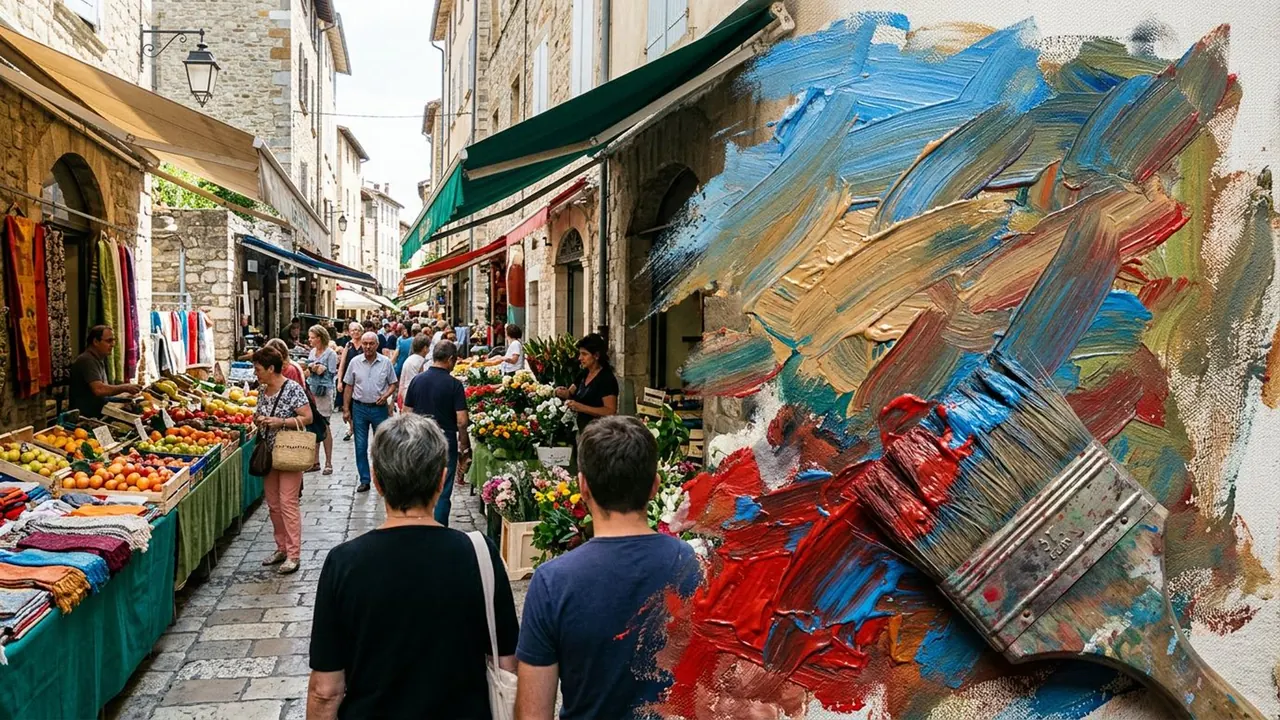
The frame stops being a photograph and becomes an object with a surface. Cloth, paint and the small irregularities of both.
It carries any subject. That is why it outlasts most of the looks around it: the weave and the brushwork sit over a wedding, a car park or a face without needing the subject to cooperate.
How it works
Canvas is woven cloth, so the texture is a regular grid of raised threads. Thin paint lets that grid show. Thick paint fills it. The result is a surface that changes character across the frame.
The weave reads loudest in the flat areas. A plain wall, a sky, a shadow with nothing in it. Those are the places where nothing else competes, so they are the places to ask for texture.
Edges go soft where a brush laid them down, and the paint keeps its direction. A stroke that follows the line of an arm tells the eye the arm was painted rather than photographed and then treated.
When to use it
Use it when you want the whole frame to read as a made thing. Portraits, landscapes, and any shot you want to feel older than the camera it came from.
Skip it when the subject needs to be trusted as a record. The surface says somebody made this, which is the opposite of what documentary footage claims.
Told apart from its neighbours
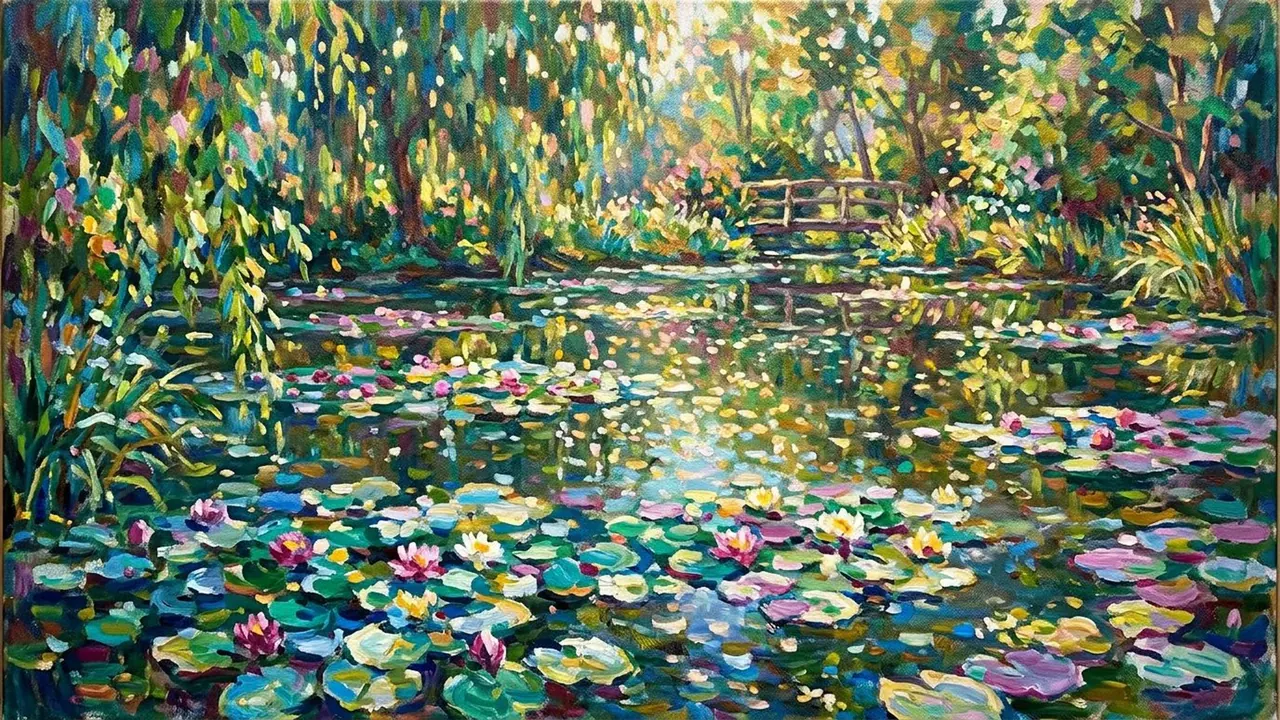
Monet Muse is a style of painting. Broken light, dappled colour patches, no hard outlines. Canvas is the material under any style at all, including a tight realist one.
The check is whether the paint follows a rule about light. Dappled patches describing sunlight mean Monet Muse. A woven texture with brushwork over it, in whatever style, means Canvas.
On film
Loving Vincent (2017) is the extreme case. Every frame is an oil painting on canvas, made by a team of painters, so the weave and the brushwork move and shift from one frame to the next.
- Loving Vincent (2017)
The prompt
Replace the blanks, keep the rest. Then run it on a video model.
<subject> rendered as a painting on canvas, visible weave through the paint, brush texture across every surface, soft painted edges
What goes wrong
The weave vanishes because the model fills every area with detail. Say the weave shows through the paint in the flat areas, and keep the subject description simple so there are flat areas left.
The other failure is photographic sharpness surviving at the edges. Ask for soft painted edges and ban photographic sharpness, or the result is a texture overlay on a photo.
Leave out
photographic sharpness, flat colour
Watch for
Let the weave show in the flat areas. That is where a canvas reads.
Questions
Shoot it
Pay for the one run. No subscription, and the price is on the model page before you sign in.
Next to it in painted, drawn and printed