Found Footage
- Recovered recording
- Camera as a story object
The footage looks recovered rather than shot.
Opens a video model with the prompt in it. The price is on the page before you sign in.
What it is for
The camera belongs to somebody in the story. That single move changes who is holding it, why it is running, and what happens to it later, and the audience does that arithmetic without help.
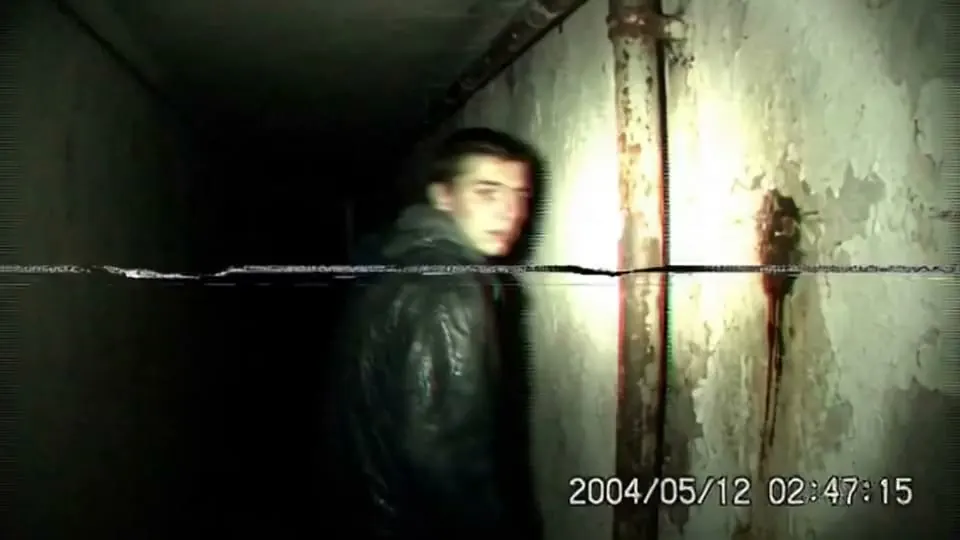
The flaws are the evidence. Dropouts, bad exposure and a timestamp all say this recording was made by equipment rather than by a production, and a clean image undoes the whole premise.
How it works
Consumer camera characteristics. Small sensor depth of field, automatic exposure hunting when the light changes, aggressive compression in the shadows.
Heavy handheld motion with real weight, including moments where the operator stops looking through the viewfinder and the frame points at the ground.
Artefacts on top. A burned-in timestamp, tape dropouts, blocky macroblocking, an interlaced comb on fast motion. Pick the era and stay consistent with it, because a tape artefact on a phone recording reads as a mistake.
When to use it
Use it for horror, for a story where the recording itself is a plot object, and for anything that gains from the audience wondering how the footage survived.
Skip it when the image needs to be read clearly. The style destroys detail on purpose, so an important visual reveal will be lost in the noise.
Told apart from its neighbours
Handheld is a camera technique and can appear inside any polished film. Found footage is a premise about who owns the camera, and it brings the artefacts with it.
A documentary look has an acknowledged crew making a film. Found footage has a character who happened to be recording.
On film
The Blair Witch Project (1999) built the form around footage recovered after the fact. REC (2007) tied it to a live television crew, and Cloverfield (2008) put it on a consumer camcorder during a city-scale event, which showed the premise could carry a large production.
- The Blair Witch Project (1999)
- REC (2007)
- Cloverfield (2008)
The prompt
Replace the blanks, keep the rest. Then run it on a video model.
found footage of <subject>, consumer camera, timestamp burned in, heavy handheld, dropouts and compression artefacts
What goes wrong
The model delivers a clean cinematic grade with a shaky camera. Ask for the flaws by name: compression artefacts, dropouts, a burned-in timestamp, automatic exposure hunting.
The second failure is a tripod-steady frame. Say heavy handheld, including moments where the camera stops watching the action.
Leave out
cinematic grade, tripod
Watch for
Add the flaws. Clean footage never reads as found.
Questions
Shoot it
Pay for the one run. No subscription, and the price is on the model page before you sign in.
Next to it in looks that pretend nothing is staged