Documentary
- Fictional documentary
- Documentary parody
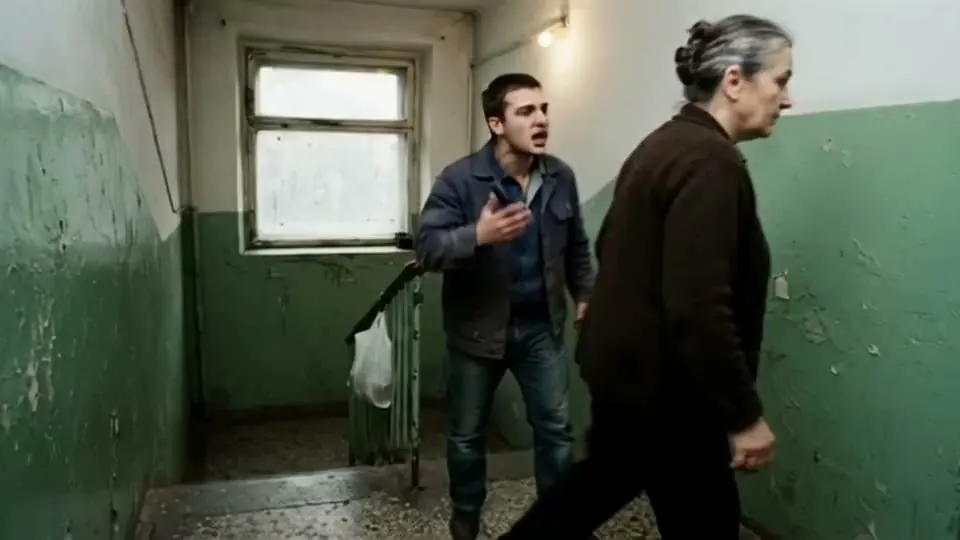
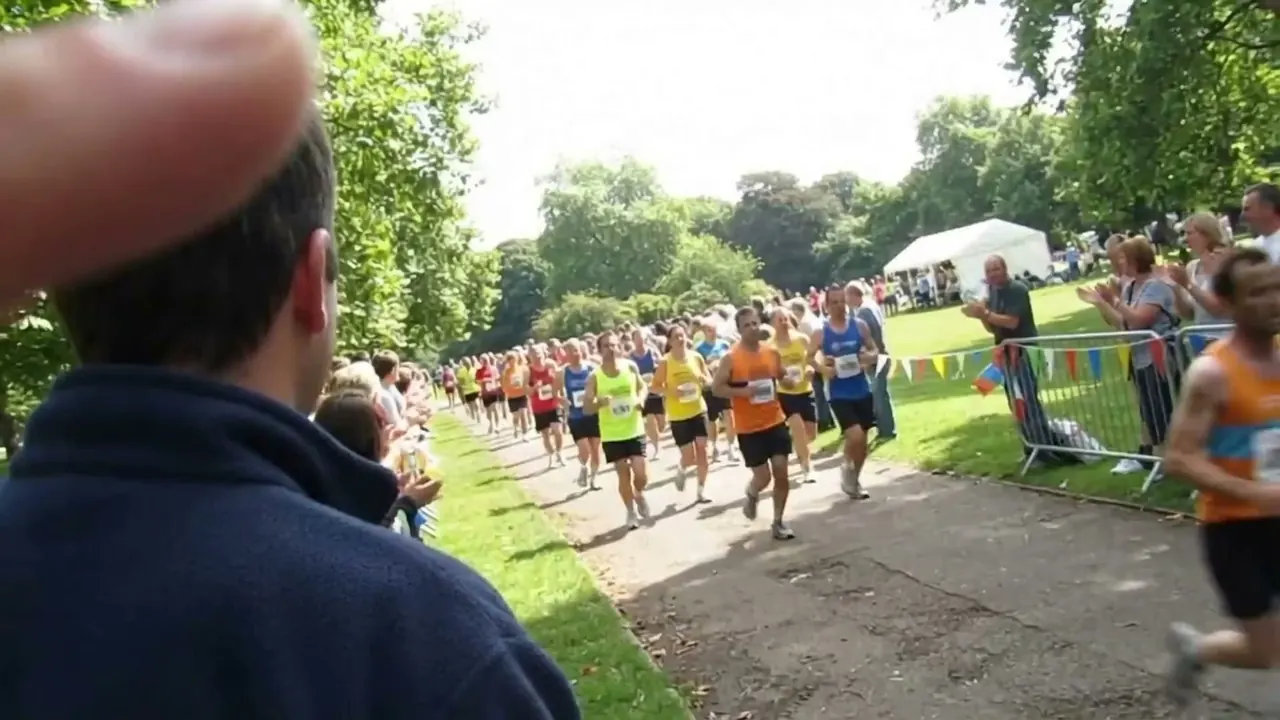
The camera records rather than composes, with real light and real spaces.
Opens a video model with the prompt in it. The price is on the page before you sign in.
What it is for
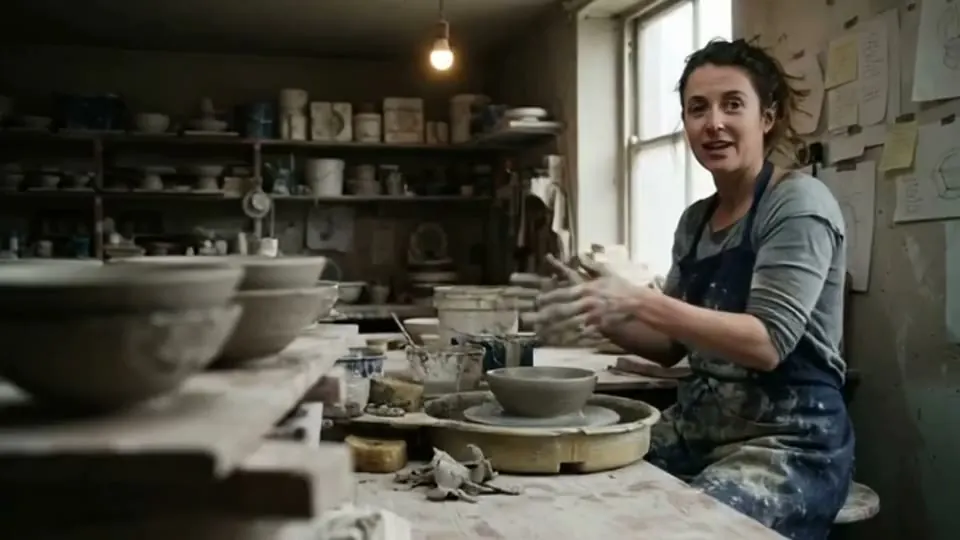
The camera looks like it arrived rather than like it was placed. Available light, a real room, and a frame that corrects itself after the action instead of before it.
That reading is worth a lot in fiction, which is why comedy borrows it. An audience that believes the camera is neutral believes the people in front of it, and a mockumentary spends that belief on a joke.
How it works
Handheld, with small constant correction. The operator follows rather than predicts, so the subject drifts off centre and the frame catches up a beat late.
Available light only. Windows, overheads, whatever the room has. Practical sources blow out and faces fall into shadow, and both are left alone.
Imperfection is the signature. A soft focus pull, a reframe mid-sentence, an eyeline to somebody off camera. A perfectly composed frame reads as fiction immediately.
When to use it
Use it for testimony, for comedy built on people explaining themselves, and for any scene that gains from feeling unplanned.
Skip it when the image has to be beautiful. The style spends its budget on credibility, and polish is what it trades away.
Told apart from its neighbours
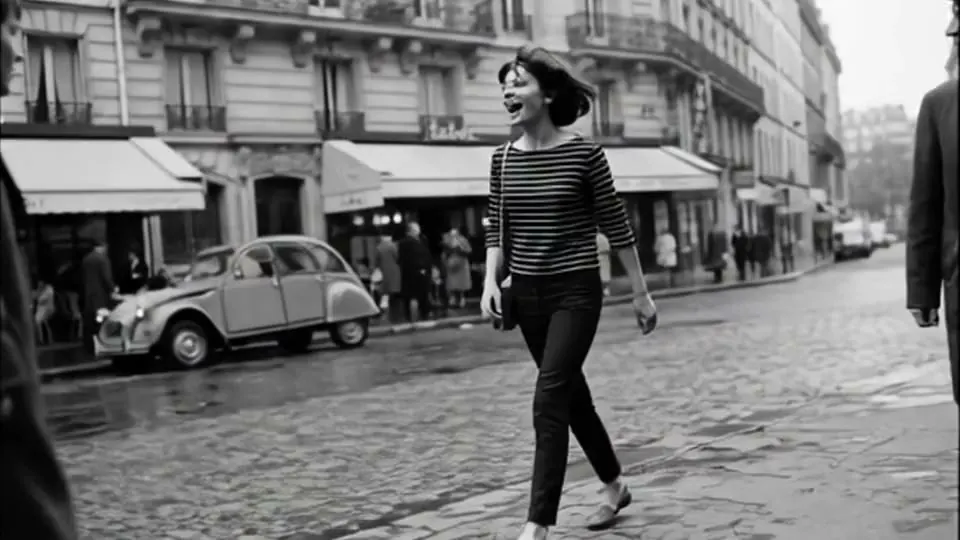
Cinéma vérité is the stricter form. It observes and never arranges, and it has no interviews and no address to camera. A documentary look can stage a talking head and still read as documentary.
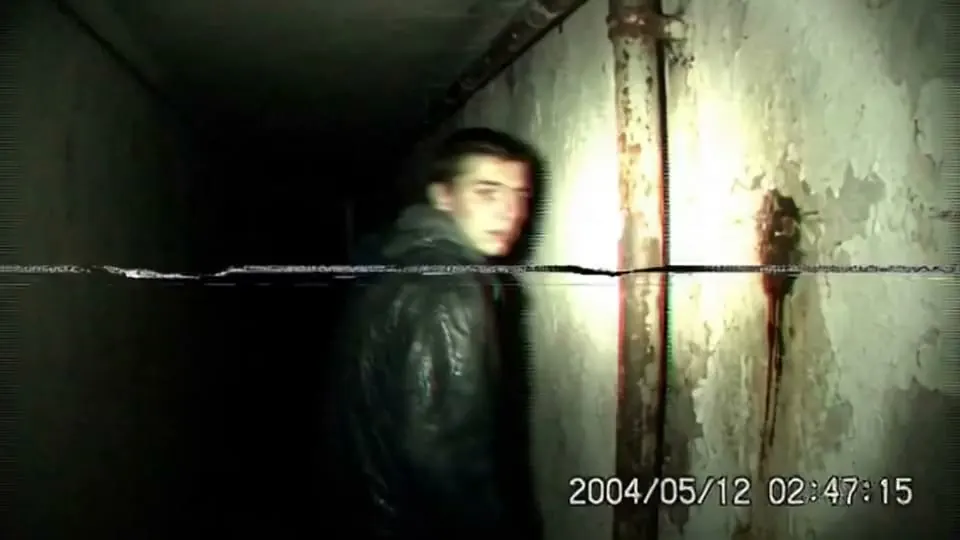
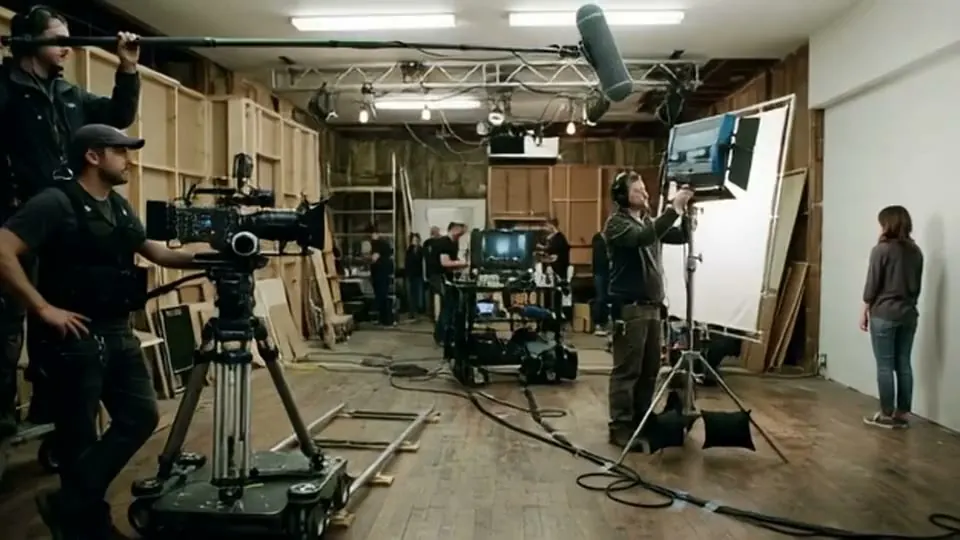
Found footage claims the camera belongs to somebody in the story. A documentary look has a crew who are outside the story and acknowledged as such.
On film
Rob Reiner shot This Is Spinal Tap (1984) as a fake band documentary, complete with an on-screen filmmaker asking the questions, and the form has been the standard for comedy of this kind since. Christopher Guest carried it into Best in Show (2000), where the joke depends on the camera behaving like a patient observer while the people perform for it.
- This Is Spinal Tap (1984)
- Best in Show (2000)
The prompt
Replace the blanks, keep the rest. Then run it on a video model.
documentary look on <subject>, handheld, available light, real location, unstaged, slight reframing to follow the action
What goes wrong
The model returns a polished frame with studio light. Say available light, real location and unstaged, and ask for the framing to be imperfect.
The second failure is a locked camera. Ask for slight handheld drift and a reframe that arrives after the movement, because anticipating the action is what gives a staged shot away.
Leave out
studio light, staged blocking
Watch for
Let the framing be imperfect. A perfect frame reads as fiction.
Questions
Shoot it
Pay for the one run. No subscription, and the price is on the model page before you sign in.
Next to it in looks that pretend nothing is staged