Neo-Noir
Noir structure in colour, with neon standing in for the old hard key.
Opens a video model with the prompt in it. The price is on the page before you sign in.
What it is for
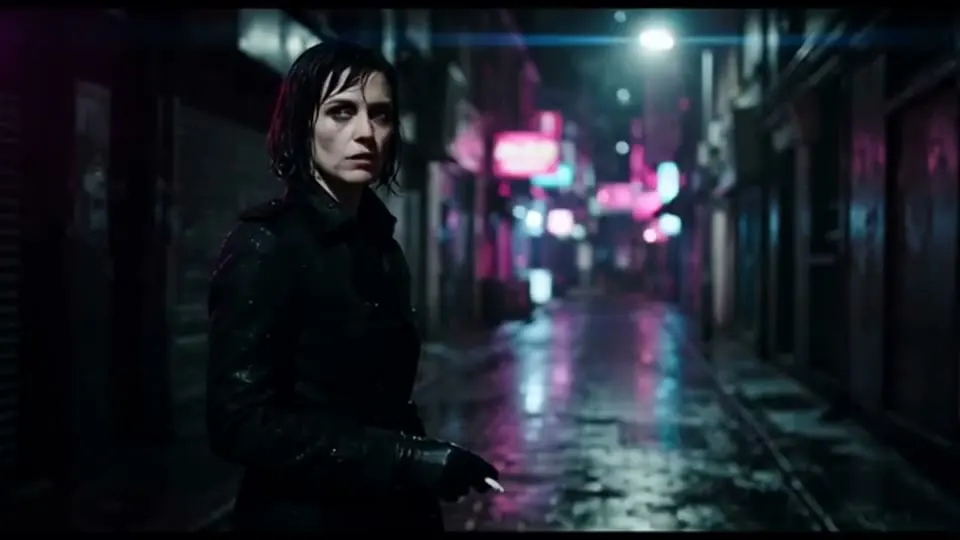
Neo-noir takes the shadow scheme of noir into colour, and the colour carries a second meaning. Neon is a light that somebody paid for, so a face lit by it is a face lit by commerce.
It also loosens the period. Noir belongs to the nineteen forties, and neo-noir can be any decade, which is why it keeps being made.
How it works
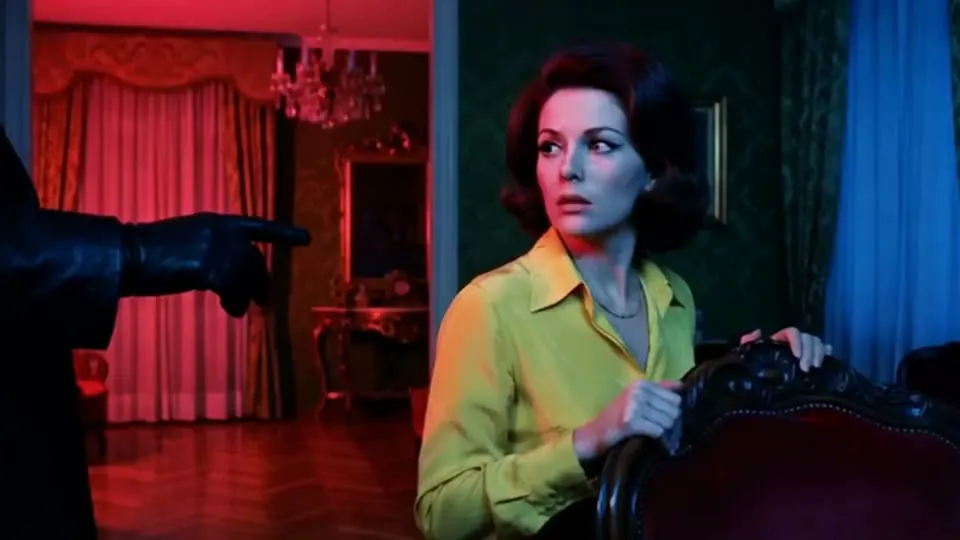
Keep the noir contrast and change only the palette. One hard source, heavy shadow, and saturated colour arriving from signs, screens or practical lamps inside the frame.
Wet streets are doing the same job they did in black and white. A reflective ground doubles every sign and gives the lower half of the frame something to be.
Colour separation is what makes it read. A cyan or magenta key against a warm practical is the usual scheme, and holding two colours apart matters more than which two you choose.
When to use it
Use it for modern crime, for a city at night, and for a character whose choices have gone bad in an interesting way.
Skip it for daylight and for anything wholesome. The palette signals moral trouble, so it undercuts a scene that has none.
Told apart from its neighbours
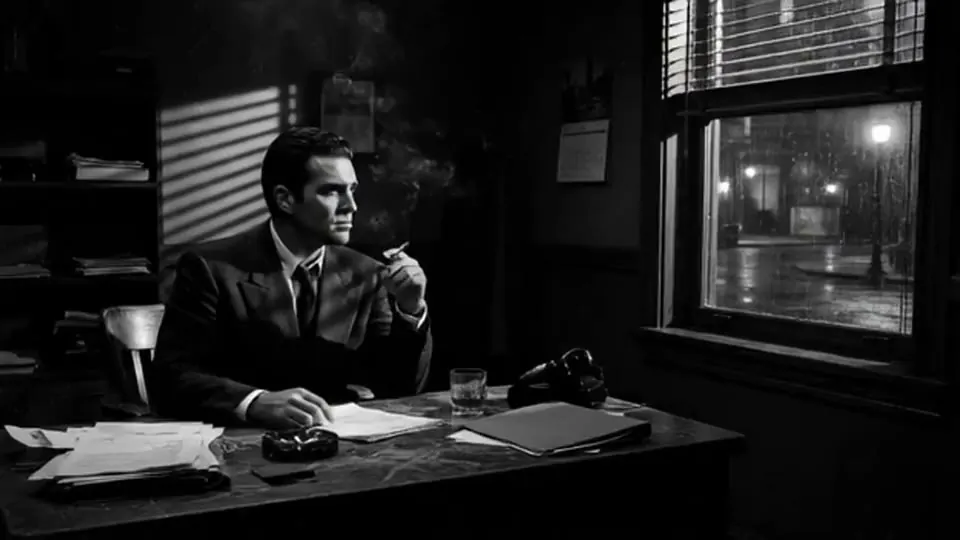
Film noir is black and white and lit by a lamp. Neo-noir is colour and usually lit by a sign. If the image is monochrome, the name is noir.
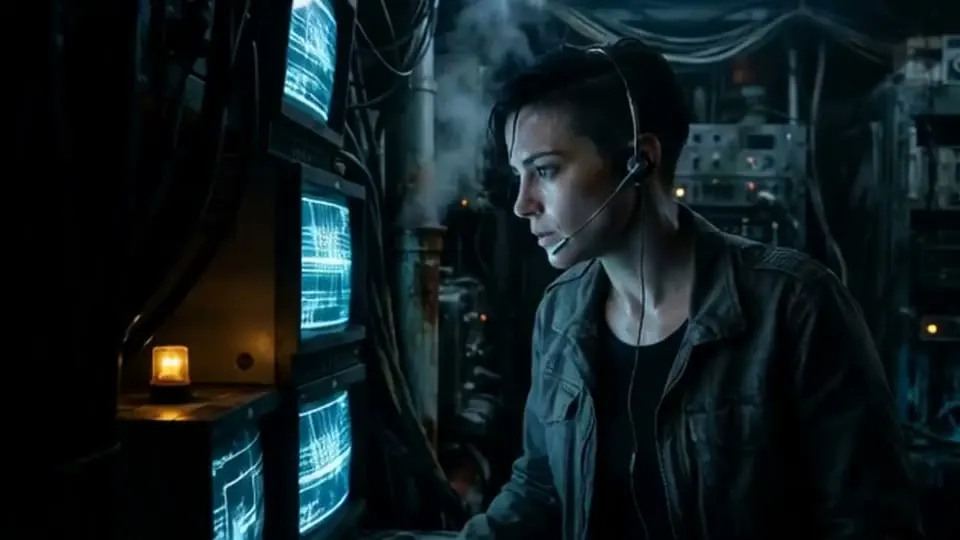
Tech noir is the narrower case where the light comes from machines and screens in a near future. Neo-noir can be set now, with no technology in the frame at all.
On film
Roman Polanski shot Chinatown (1974) largely in Los Angeles daylight and kept the noir structure underneath, which showed that the genre could survive the loss of the shadows. Ridley Scott went the other way in Blade Runner (1982), where rain, neon and searchlight beams rebuild the noir key out of coloured sources.
- Chinatown (1974)
- Blade Runner (1982)
The prompt
Replace the blanks, keep the rest. Then run it on a video model.
neo noir on <subject>, night city, neon in saturated colour, wet reflective streets, hard shadow, moral ambiguity in the framing
What goes wrong
The model gives you a colourful night city with even light. Neon on its own is not the look. Ask for hard shadow alongside the neon, and say most of the frame stays dark.
The second failure is black and white. If the prompt leans hard on noir, models reach for monochrome. Say the image is in colour and name the two colours you want separated.
Leave out
black and white, daylight
Watch for
It is noir in colour. Keep the shadow scheme and change only the palette.
Questions
Shoot it
Pay for the one run. No subscription, and the price is on the model page before you sign in.
Next to it in noir and the dark genres