Video Game
The frame renders like a game engine rather than a camera.
Opens a video model with the prompt in it. The price is on the page before you sign in.
What it is for
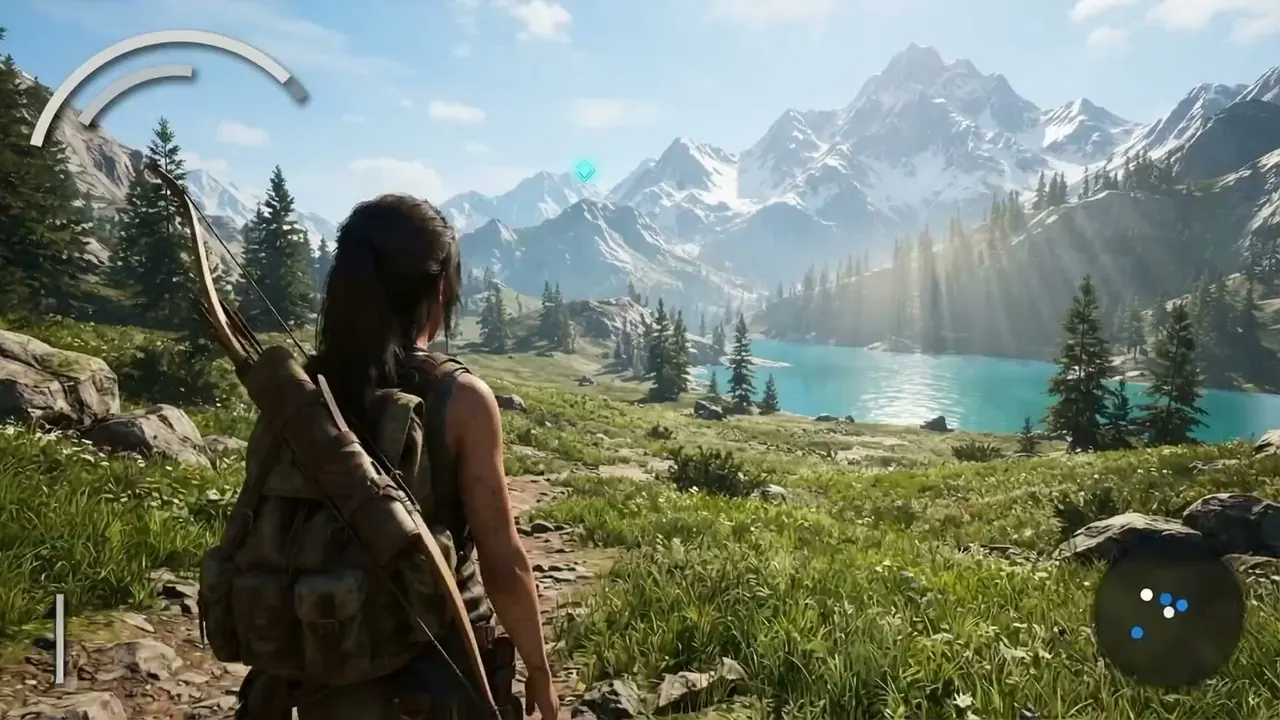
The frame reads as rendered in real time rather than captured. Lighting recalculates as things move, surfaces have the particular cleanliness of shader work, and the camera sits where a player would put it.
A trace of interface finishes the reading faster than anything else. A health bar, a crosshair or a prompt in the corner tells the audience what they are looking at before they have looked at the image.
How it works
Third person camera behind and slightly above the shoulder, or first person with the hands and a weapon at the lower edge. Both positions are immediately recognisable.
Real-time lighting characteristics. Even ambient fill, screen space reflections, and shadows that are slightly soft and slightly wrong at the contact point.
Interface at the frame edge. Keep it sparse. One or two elements read as a game, and a full heads-up display reads as a screenshot of a specific title.
When to use it
Use it for game capture, for a story about playing something, and for a stylised world where the rendering itself is part of the point.
Skip it when the image needs to feel photographed. Shader cleanliness is hard to unsee once the audience has read it as a render.
Told apart from its neighbours
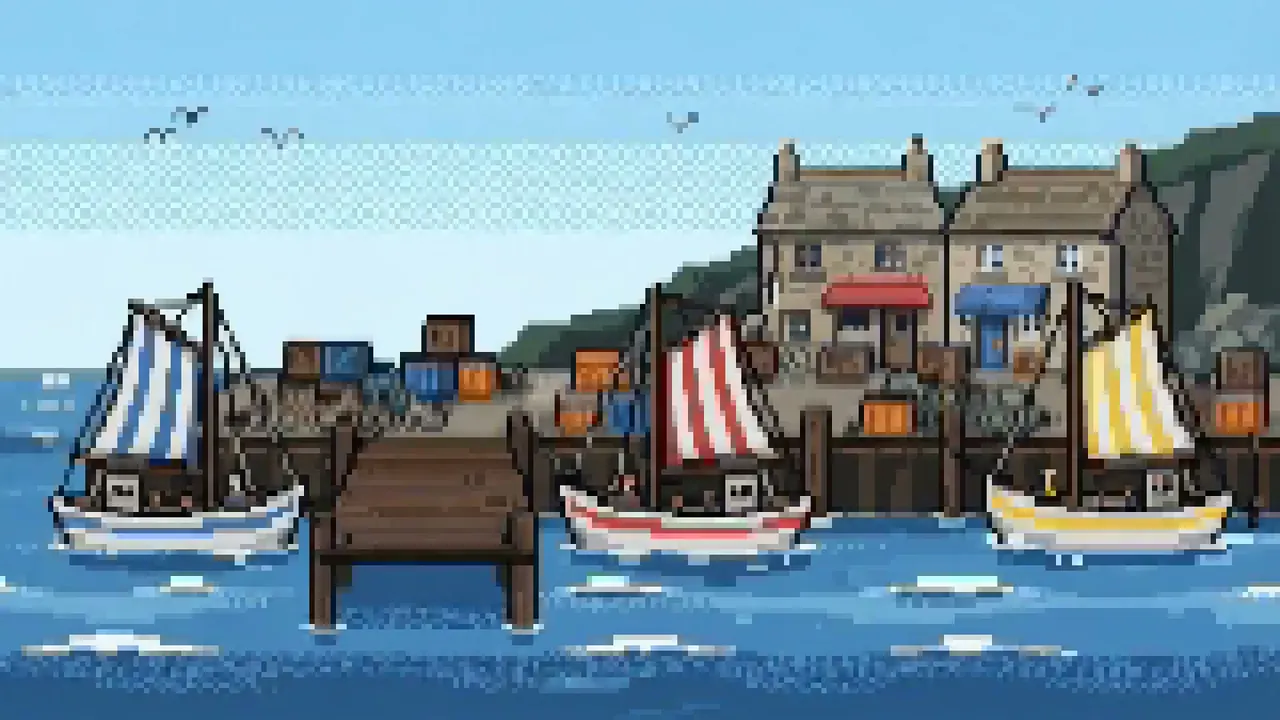
Pixel art works from a coarse grid with a small palette and no rendered lighting. A game engine render is smooth, lit in real time, and usually high resolution.
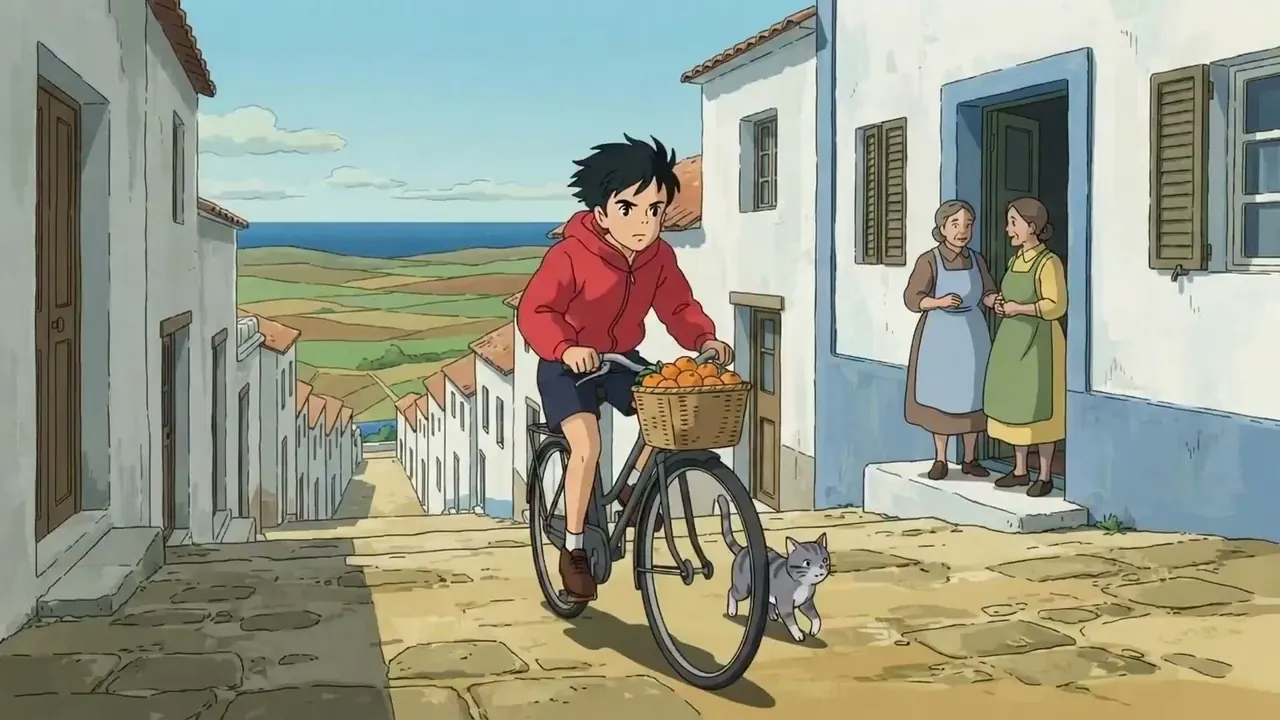
Animation has no interface, no player camera and no real-time lighting. If there is a crosshair or a health bar in frame, the name is video game.
The prompt
Replace the blanks, keep the rest. Then run it on a video model.
game engine render of <subject>, real time lighting, interface elements at the frame edge, third person camera behind the shoulder
What goes wrong
The second failure is a frame with no interface at all. Add one small element at the edge, because it is the fastest cue the style has.
The model returns a cinematic render with film grain and bokeh, which reads as a pre-rendered cutscene. Ban photographic grain and cinematic bokeh, and ask for real-time lighting.
Leave out
photographic grain, cinematic bokeh
Watch for
Put a trace of interface in frame. It is the fastest way to read as a game.
Questions
Shoot it
Pay for the one run. No subscription, and the price is on the model page before you sign in.