French New Wave
Loose shooting, natural light and jump cuts that refuse to hide.
Opens a video model with the prompt in it. The price is on the page before you sign in.
What it is for
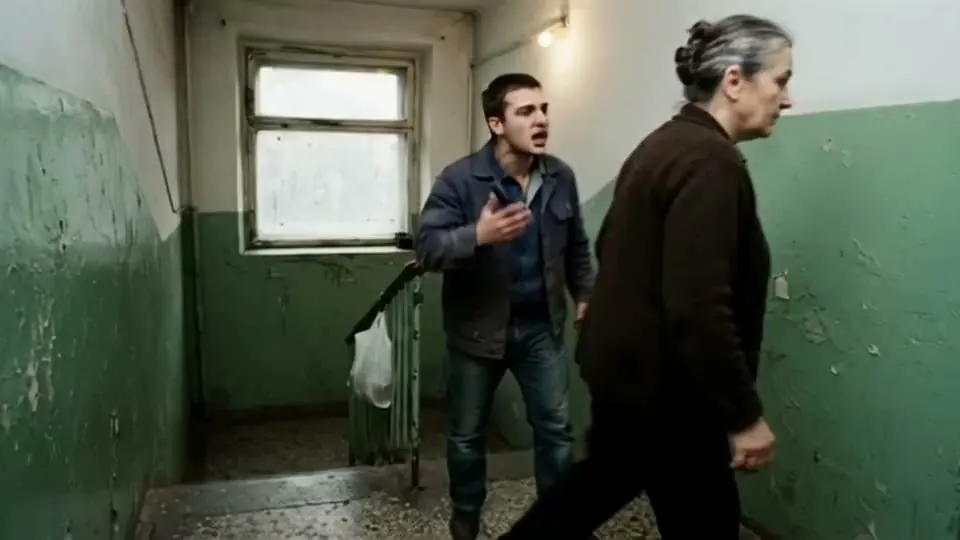
The film admits it is a film. A jump cut is left in, a character glances at the lens, and the camera is plainly being carried by a person on a real street.
It came out of a budget as much as a manifesto. Fast stock, small crews and portable cameras made it possible to shoot in daylight on a pavement, and the style is what that freedom looks like.
How it works
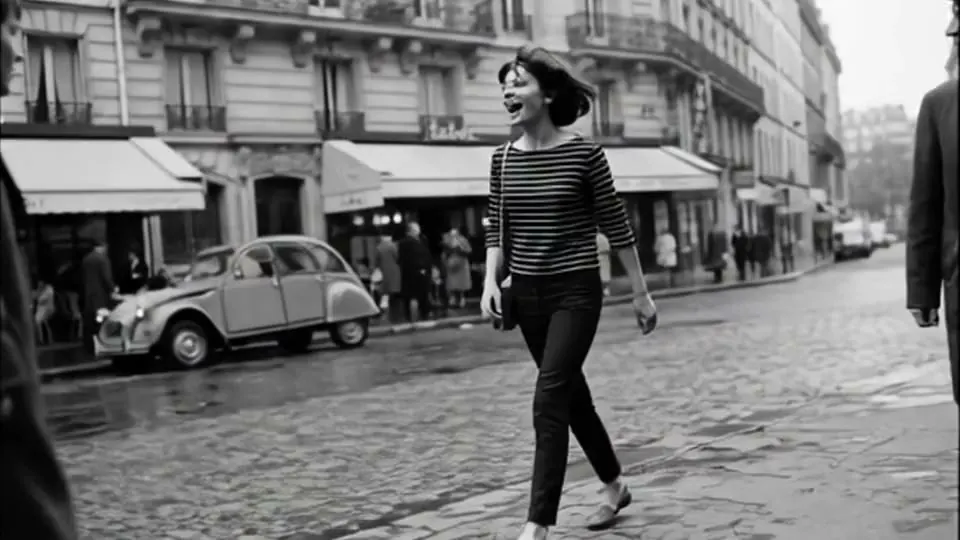
Handheld on location, in natural light. Real streets, real cafes, and passers-by who were not hired.
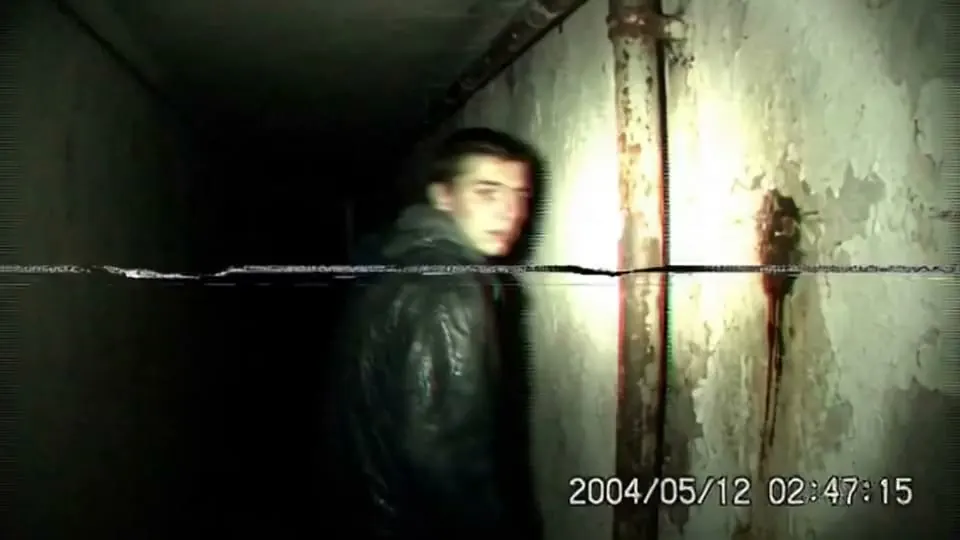
Jump cuts within a single shot. Time is removed from the middle of a take and the join is left visible, which breaks continuity on purpose.
Casual framing. Heads near the top of frame, subjects off centre for no reason, and a reframe that does not quite settle. Black and white was the common stock, though the approach survives in colour.
When to use it
Use it for youth, for city life, and for any piece that wants to feel improvised rather than planned.
Skip it for polished narrative coverage. The seams are the style, and smoothing them out leaves you with ordinary handheld footage.
Told apart from its neighbours
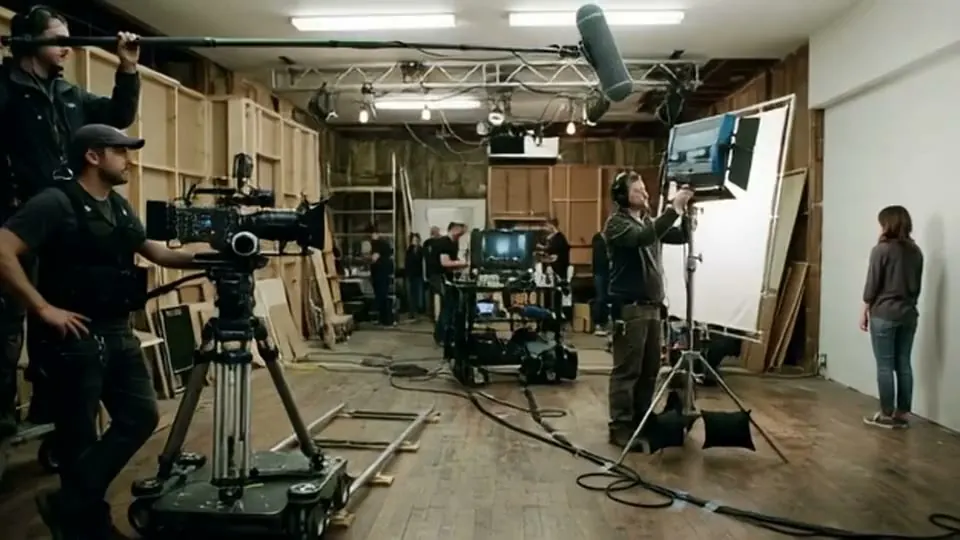
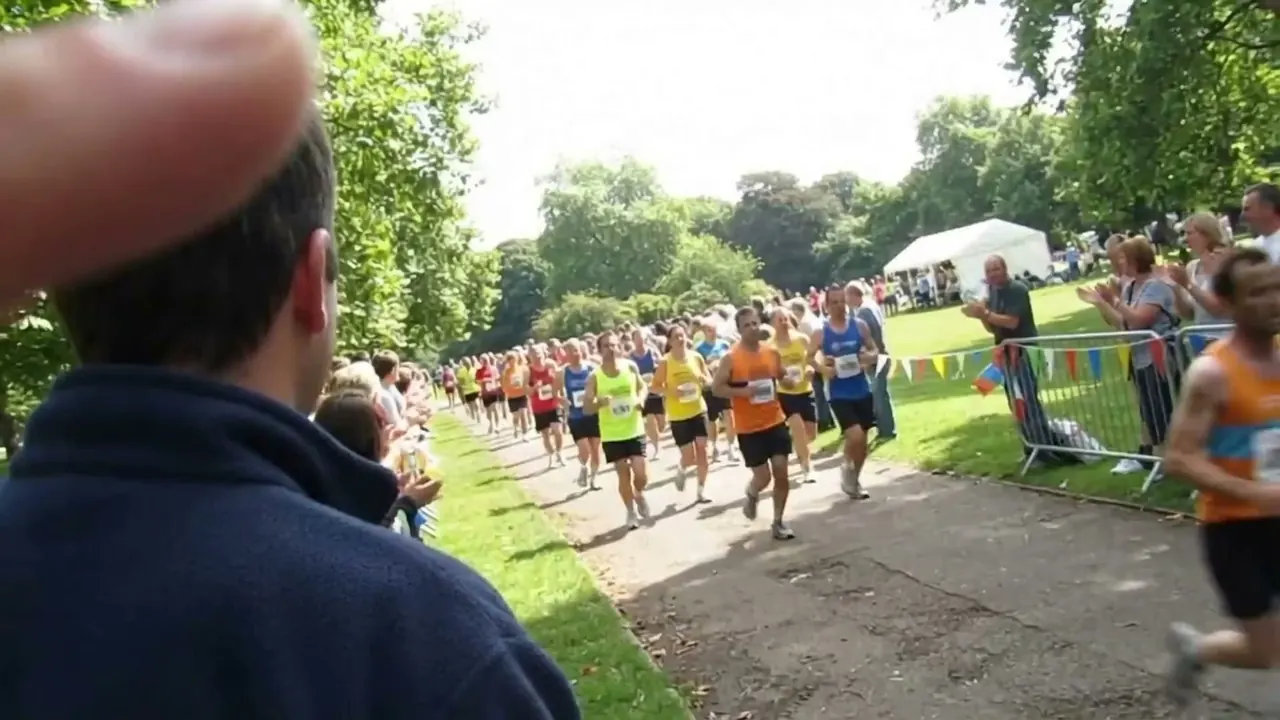
Cinéma vérité is trying to disappear so the event reads as real. French New Wave is doing the opposite, making the filmmaking visible on purpose.
The test is the cut. A vérité film hides its joins. A New Wave film points at them.
On film
Jean-Luc Godard cut Breathless (1960) with jump cuts inside single shots and had Raoul Coutard shoot it handheld on Paris streets in natural light. Francois Truffaut had made The 400 Blows (1959) the year before, on location with a young non-professional lead, and the two films set the pattern.
- Breathless (1960)
- The 400 Blows (1959)
The prompt
Replace the blanks, keep the rest. Then run it on a video model.
French New Wave look on <subject>, handheld on a real street, natural light, jump cuts left visible, casual framing, black and white
What goes wrong
The model smooths the edit and hands back clean handheld footage. Ask for jump cuts left visible, and say the continuity breaks on purpose.
The second failure is studio light. Say natural light on a real street, and let the exposure be imperfect.
Leave out
polished coverage, studio light
Watch for
Leave the seams showing. Smoothing them out removes the whole point.
Questions
Shoot it
Pay for the one run. No subscription, and the price is on the model page before you sign in.
Next to it in looks that pretend nothing is staged