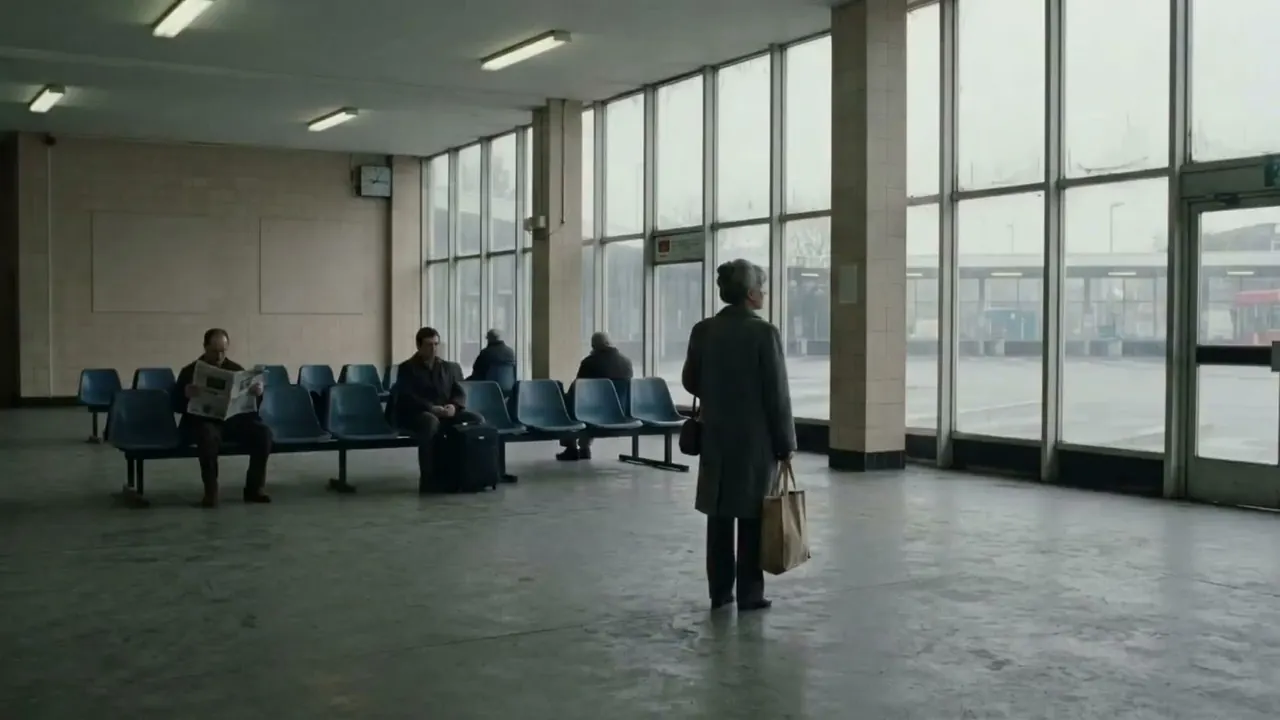
Spaghetti Western
Extreme close-ups, wide empty land and sun with nowhere to hide.
Opens a video model with the prompt in it. The price is on the page before you sign in.
What it is for
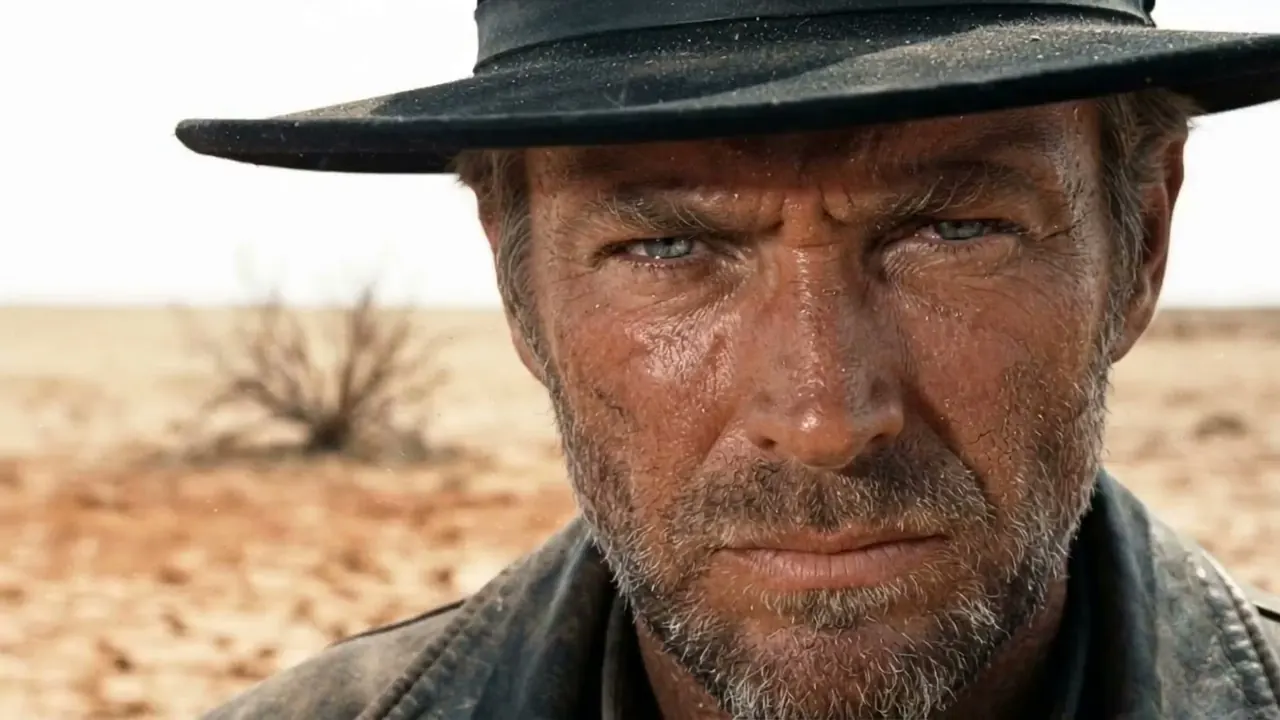
The grammar is the gap between two frame sizes. A landscape so wide the figures are specks, cut directly against an eye filling the screen, with nothing in between.
That jump does the waiting. A standoff has no action in it, so the escalation has to come from the framing, and running out of places to go is what ends the scene.
How it works
Extreme close-ups on eyes, a mouth, a hand near a holster. Then an extreme long shot of dry ground with two or three small figures on it. Cut between the two and skip the middle sizes.
Harsh overhead sun with no diffusion. Shadows are short, hard and directly under things, and the sky blows out. Sweat, dust and squinting come with it.
Wide anamorphic framing suits it, because the format leaves room either side of a face and makes the tight shots feel tighter.
When to use it
Use it for standoffs, for arrival in an empty place, and for scenes built on waiting rather than movement.
Skip it in soft light and green landscape. The style needs sun with nowhere to hide and ground that offers nothing.
Told apart from its neighbours
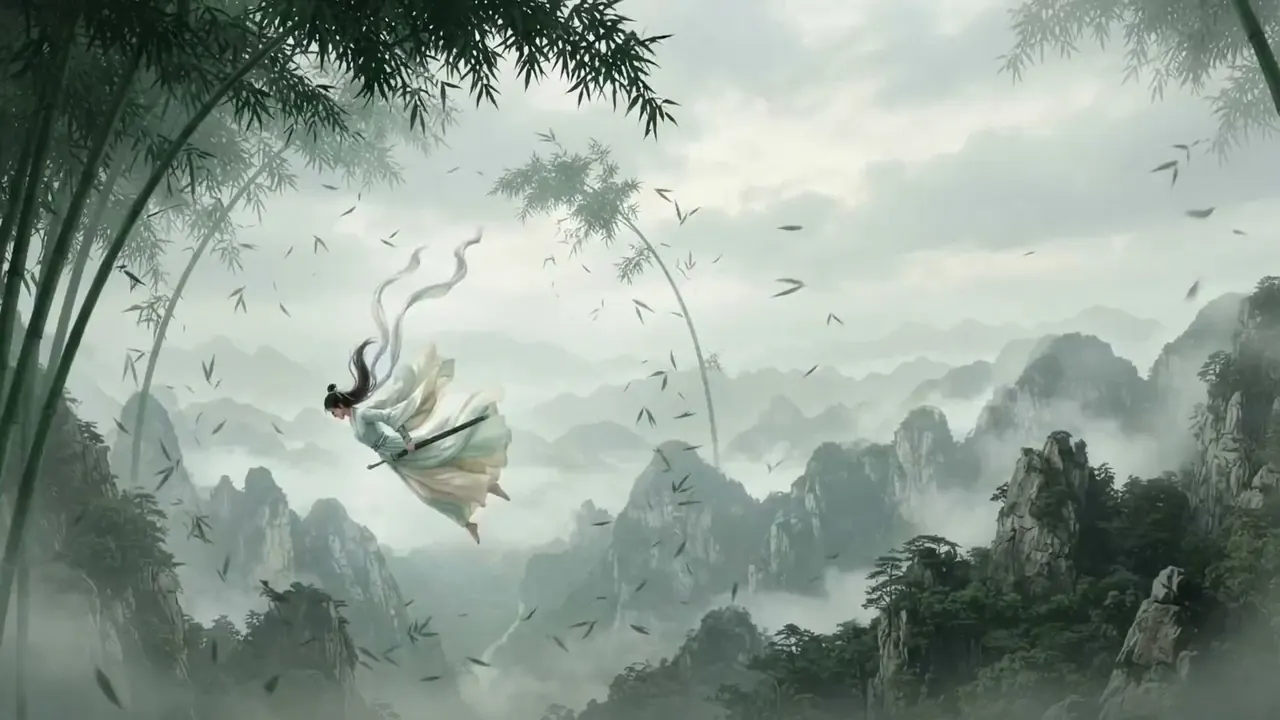
Wuxia is also built on wide landscape, and the movement inside it is weightless and choreographed. Spaghetti western movement is heavy, slow and mostly stillness.
The test is gravity. If bodies leap and float, the look is wuxia. If they stand in the dust and sweat, it is the western.
On film
Sergio Leone opens Once Upon a Time in the West (1968) on men waiting at a railway station, cutting between vast empty framings and strips of face, and the sequence runs for minutes with almost nothing happening. The three-way standoff at the end of The Good, the Bad and the Ugly (1966) is the same grammar compressed.
- Once Upon a Time in the West (1968)
- The Good, the Bad and the Ugly (1966)
The prompt
Replace the blanks, keep the rest. Then run it on a video model.
spaghetti western on <subject>, extreme close-up on the eyes cut against a vast empty landscape, harsh overhead sun, dust, hard shadow
What goes wrong
The model gives you a medium shot of a cowboy, which is the one size the style avoids. Ask for the extreme close-up and the vast landscape in the same prompt, and say to cut between them.
The second failure is pretty light. Say harsh overhead sun, hard short shadows and a blown sky, or the frame reads as a modern western instead.
Leave out
soft light, lush landscape
Watch for
The contrast between the widest and the tightest frame is the grammar.
Questions
Shoot it
Pay for the one run. No subscription, and the price is on the model page before you sign in.
Next to it in big screen looks