Animation
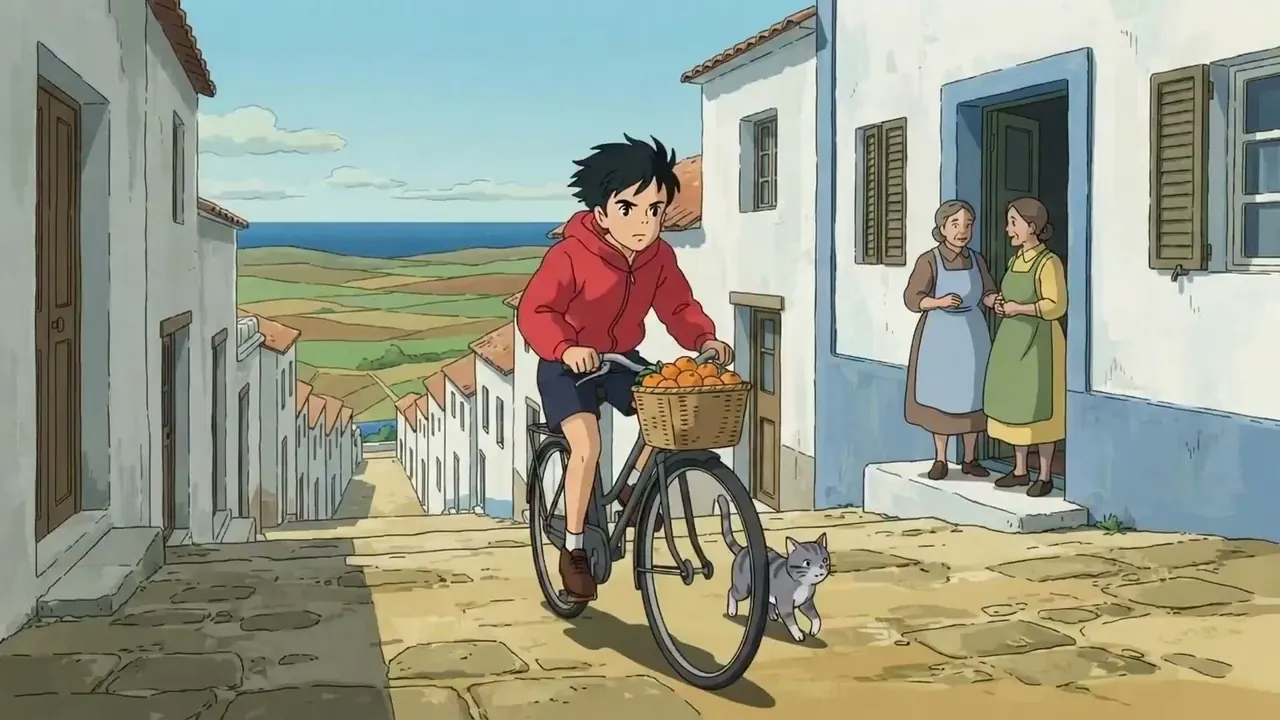
The frame is drawn rather than photographed.
Opens a video model with the prompt in it. The price is on the page before you sign in.
What it is for
Nothing in the frame was photographed, so nothing is bound by what a camera can do. Shapes hold their outline, colour sits flat inside it, and physics applies only where somebody decided it should.
The tradition carries as much meaning as the subject. Hand-drawn cel, cut-out, stop motion and rendered 3D each come with a history, and naming which one you want decides most of the image.
How it works
Flat shaded colour with outlines on the forms. Light is painted into the colour rather than cast onto a surface, so a shadow is a second flat shape rather than a gradient.
No photographic depth of field. Backgrounds are separated by detail and colour instead of by blur, and a rack focus has no meaning unless the style deliberately borrows one.
Frame rate is part of the look. Hand-drawn animation often holds a drawing for two or three frames, which gives the movement a stepped quality that a smoothly interpolated render does not have.
When to use it
Use it when the subject is impossible to photograph, when you want a stylised world, and when the audience should read the image as made rather than recorded.
Skip it for anything that depends on being believed as real. The moment the frame reads as drawn, it stops carrying evidence.
Told apart from its neighbours
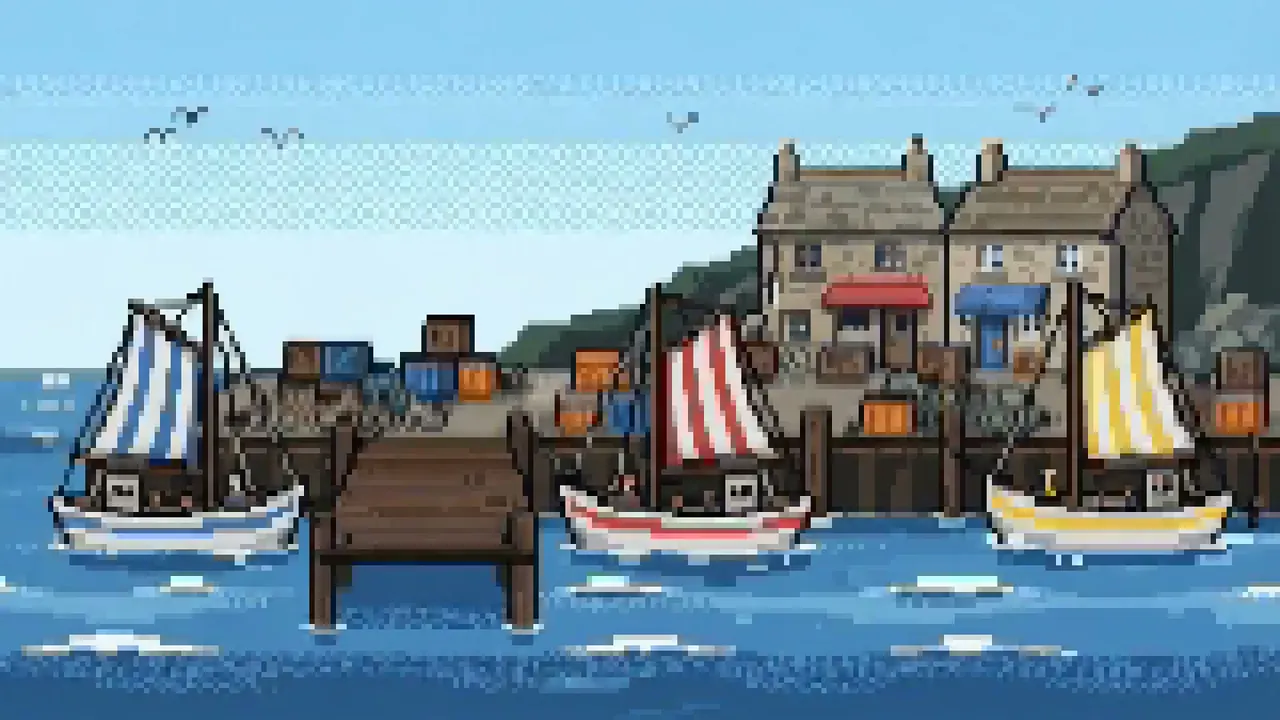
Pixel art is built from a coarse grid of visible square pixels with a limited palette. Animation can be drawn at any resolution, and its edges are lines rather than steps.
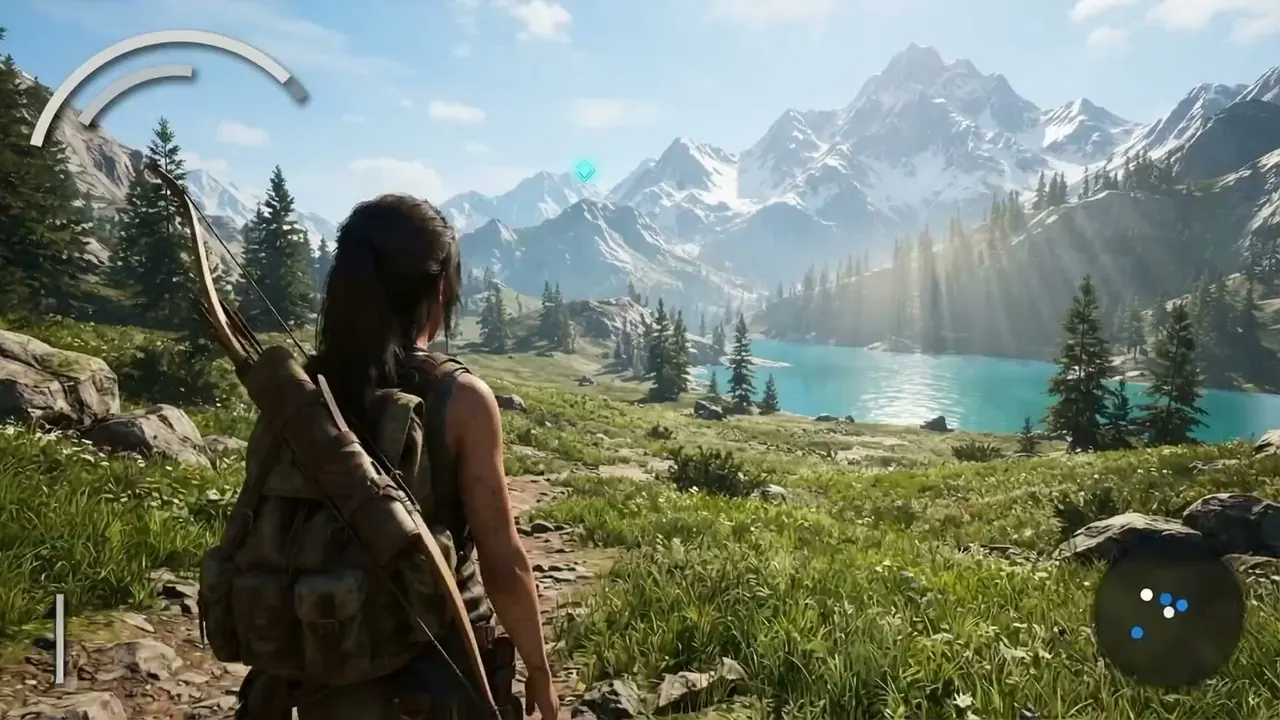
A game engine render includes interface elements and real-time lighting, and its camera sits behind a character. Animation has no interface and its camera is wherever the shot needs it.
On film
Katsuhiro Otomo's Akira (1988) is hand-drawn cel animation with very high frame counts, which is why its movement reads as fluid where most cel work reads as stepped. Spider-Man: Into the Spider-Verse (2018) mixed rendering with comic-book devices such as halftone dots and printed registration offsets, and it deliberately holds drawings for more frames in some sequences than others.
- Akira (1988)
- Spider-Man: Into the Spider-Verse (2018)
The prompt
Replace the blanks, keep the rest. Then run it on a video model.
animated <subject>, drawn frames, flat shaded colour, outlines on the forms, no photographic depth of field
What goes wrong
The model returns a photoreal image with a slight stylisation. Say drawn frames, flat shaded colour and outlines on the forms, and ban photographic depth of field.
The second failure is a generic cartoon. Name the tradition you want: cel, cut-out, stop motion or rendered 3D. Each one reads as a different world.
Leave out
photoreal, camera bokeh
Watch for
Name the animation tradition. Cel, cut-out and 3D read as different worlds.
Questions
Shoot it
Pay for the one run. No subscription, and the price is on the model page before you sign in.