Arthouse
Long held frames, restrained colour, and meaning left for the viewer to find.
Opens a video model with the prompt in it. The price is on the page before you sign in.
What it is for
The frame is held past the point where a conventional edit would cut, and the audience is left to decide what matters inside it. Nothing is pointed at.
Withholding explanation is the method. A scene that refuses to tell you how to feel asks you to notice, and noticing is what the style is built to produce.
How it works
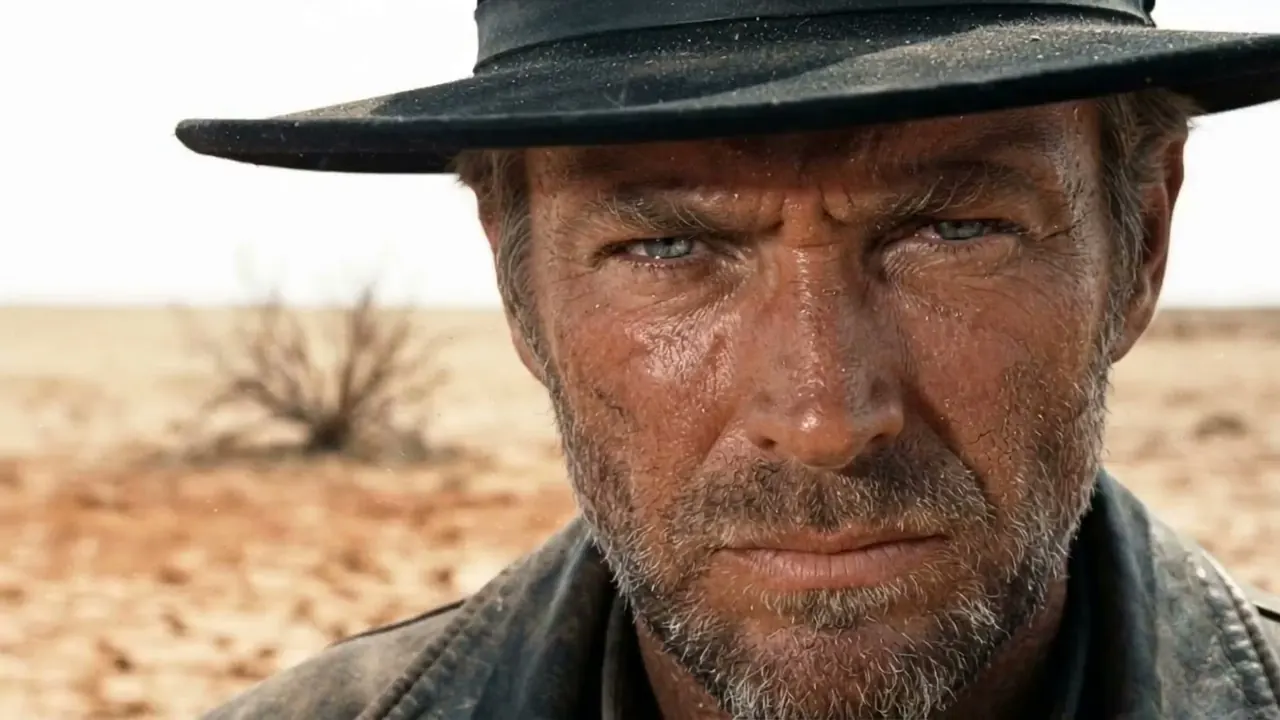
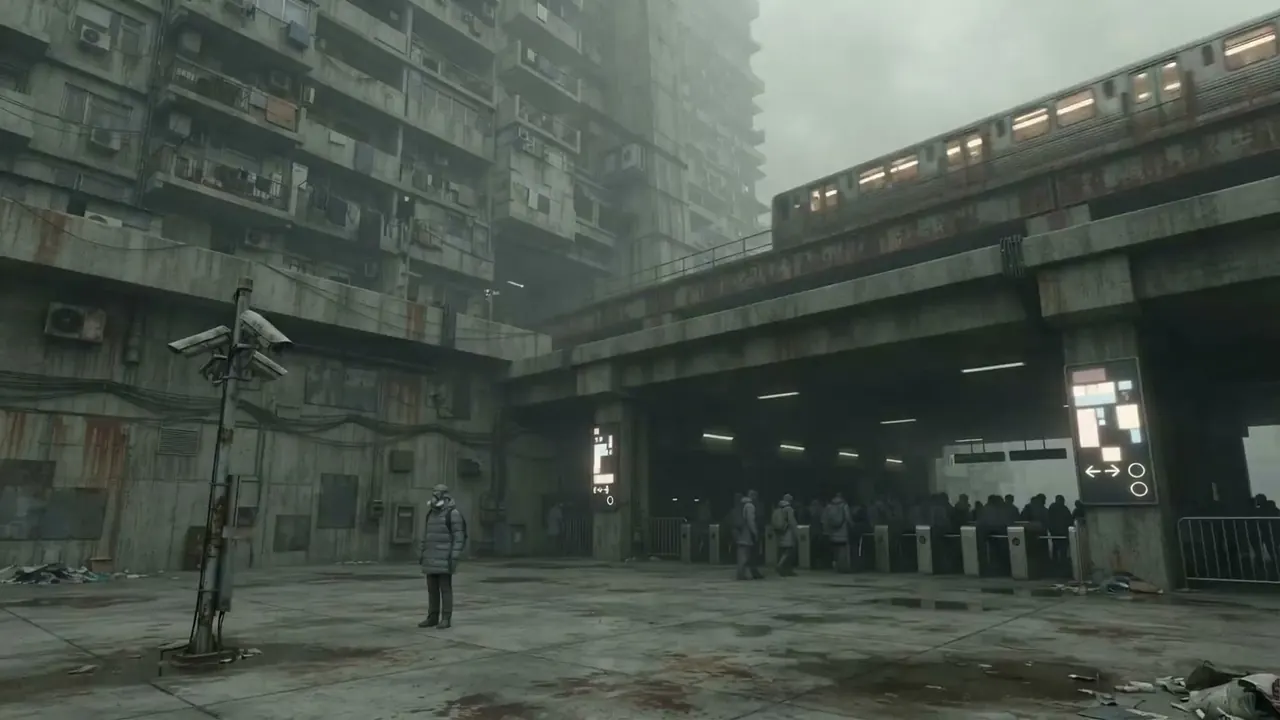
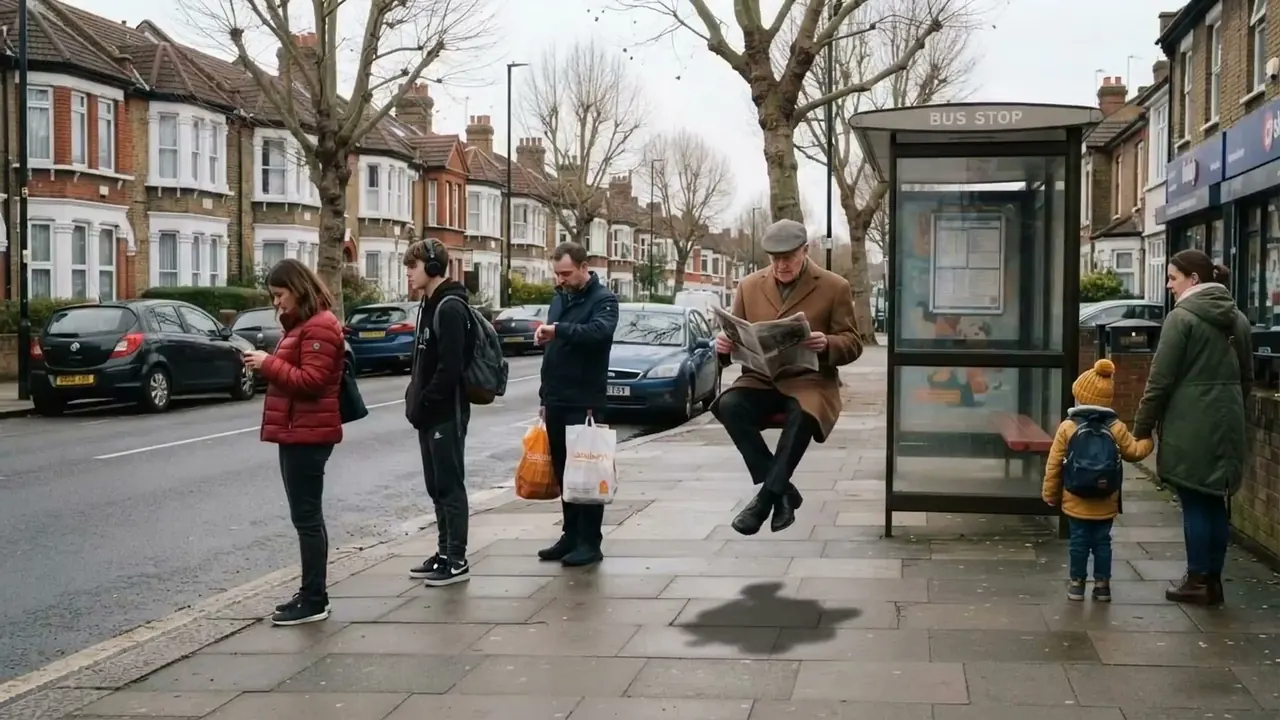
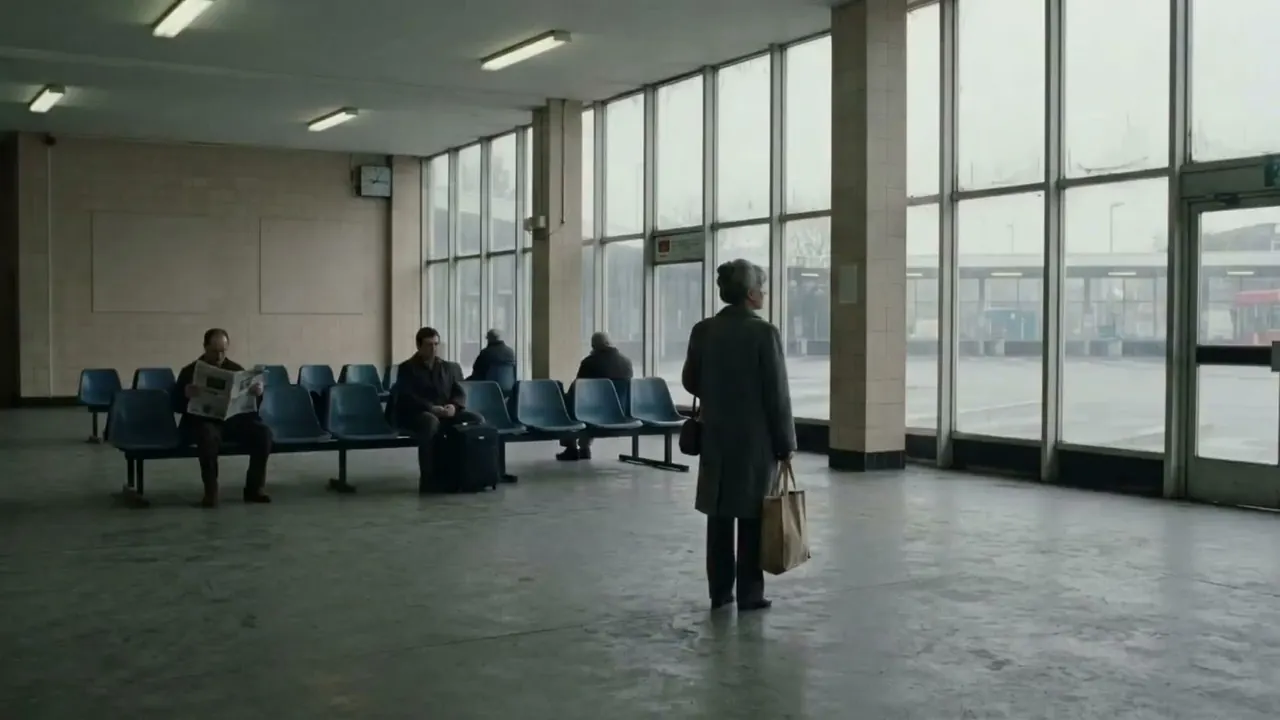
Long static takes. The camera is placed and left, often at a distance, and the action enters and leaves the frame rather than being followed.
Muted palette and natural light. Colour is drained toward the neutral, and the light is whatever the location has, so nothing in the image reads as designed for effect.
Sound stays literal. Room tone, footsteps and traffic instead of score. Removing the music removes the instruction about how to feel.
When to use it
Use it for observation, for duration as a subject, and for any scene whose meaning would be damaged by being explained.
Skip it when the audience needs to be carried. The style asks for patience, and it fails completely if the viewer is not given a reason to give it.
Told apart from its neighbours
Blockbuster gloss cuts quickly, saturates the grade and makes every beat legible. Arthouse does the opposite on all three counts.
A still photograph look also holds the frame, and it holds it as a composition with a decisive moment. Arthouse holds it as duration, and the shot usually runs long enough for something to change inside it.
On film
Chantal Akerman shot Jeanne Dielman (1975) in long static takes of domestic routine, holding on ordinary tasks for their full length, and the film is the standard reference for what duration can do to an audience.
- Jeanne Dielman, 23 quai du Commerce, 1080 Bruxelles (1975)
The prompt
Replace the blanks, keep the rest. Then run it on a video model.
arthouse framing of <subject>, long held static shot, muted palette, natural light, action left unexplained
What goes wrong
The model cuts or moves the camera. Ask for a single long static shot and say the camera does not move, because movement is read as the default.
The second failure is a graded image. Say muted palette and natural light, and avoid anything that sounds cinematic, which models translate into contrast and saturation.
Leave out
fast cuts, glossy grade
Watch for
Hold the frame longer than feels comfortable. The patience is the style.
Questions
Shoot it
Pay for the one run. No subscription, and the price is on the model page before you sign in.
Next to it in big screen looks