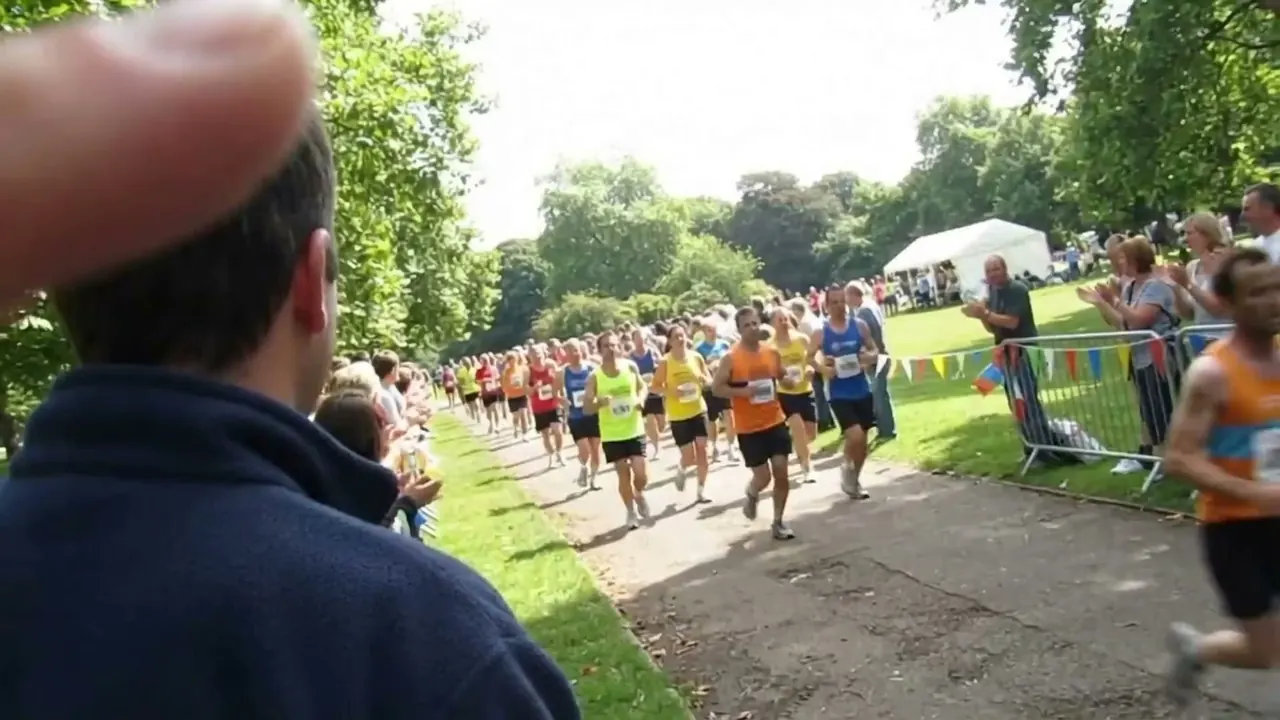
Cinéma Vérité
The camera observes and never arranges what it sees.
Opens a video model with the prompt in it. The price is on the page before you sign in.
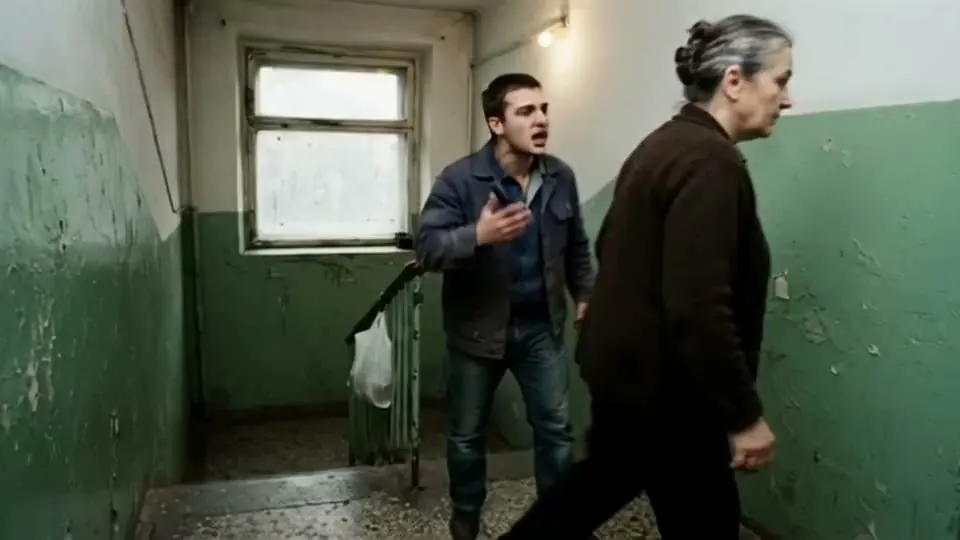
What it is for
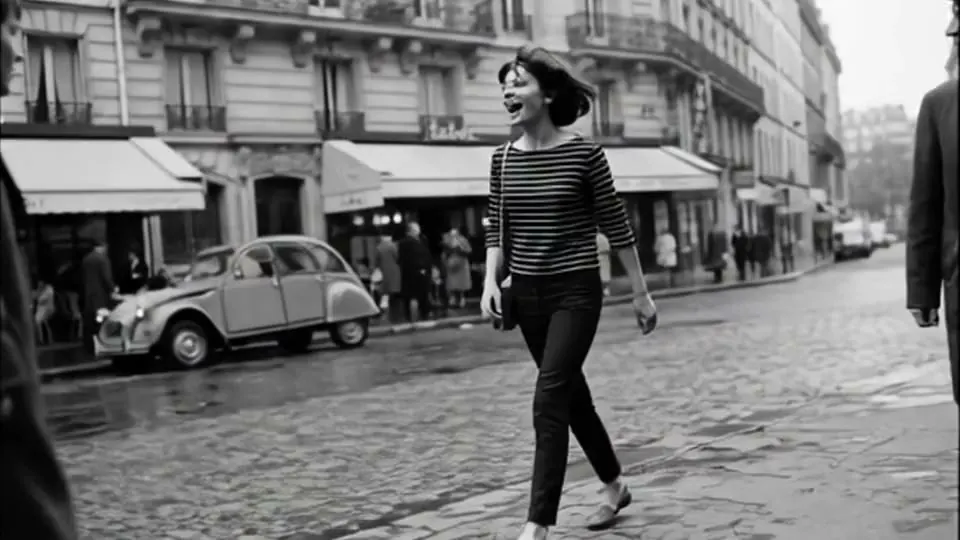
The camera watches and never arranges. Nothing is blocked, nothing is lit, and nobody is asked to do anything again. What the lens catches is what happened.
The discipline shows up as timing. An observing camera is always slightly behind, and that lateness is the most convincing thing in the image.
How it works
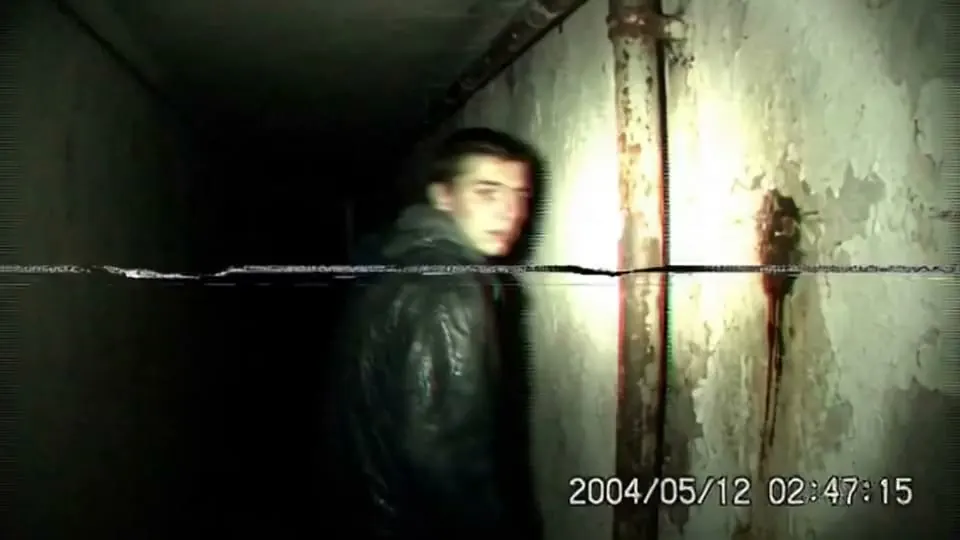
Handheld, light rig, one operator. The camera reacts to movement instead of leading it, which means the subject leaves frame briefly and gets recovered.
Available light with no correction. If a face goes dark when somebody turns, it stays dark.
No coverage. There is one camera and one take, so the cut has to live with what was captured rather than choosing between angles.
When to use it
Use it for observation, for a scene that should feel caught rather than made, and for moments where a staged frame would flatten the performance.
Skip it for anything that needs a specific image. The method gives up control of the frame, which is the price of the credibility.
Told apart from its neighbours
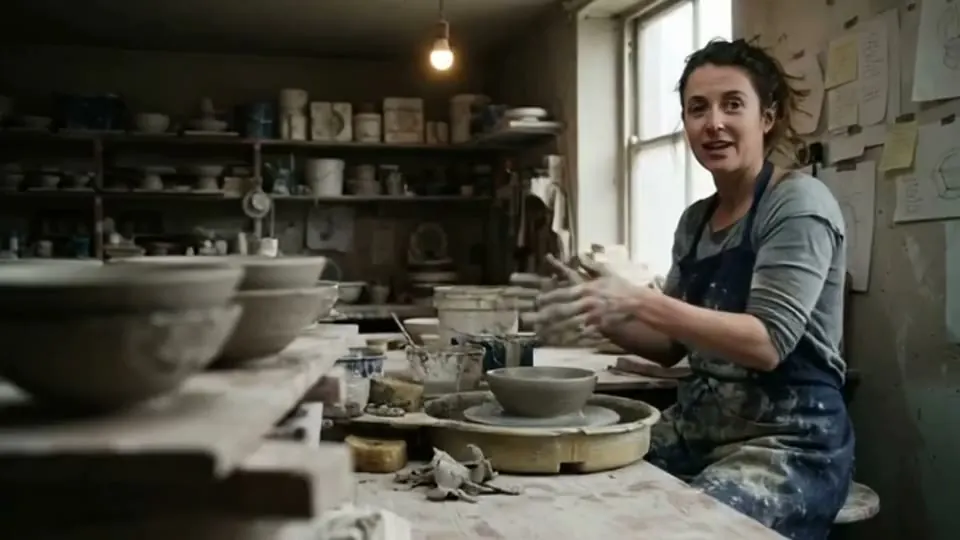
A documentary look is the broader family and can include interviews, staged talking heads and a crew who interact with the subject. Cinéma vérité stays out of it.
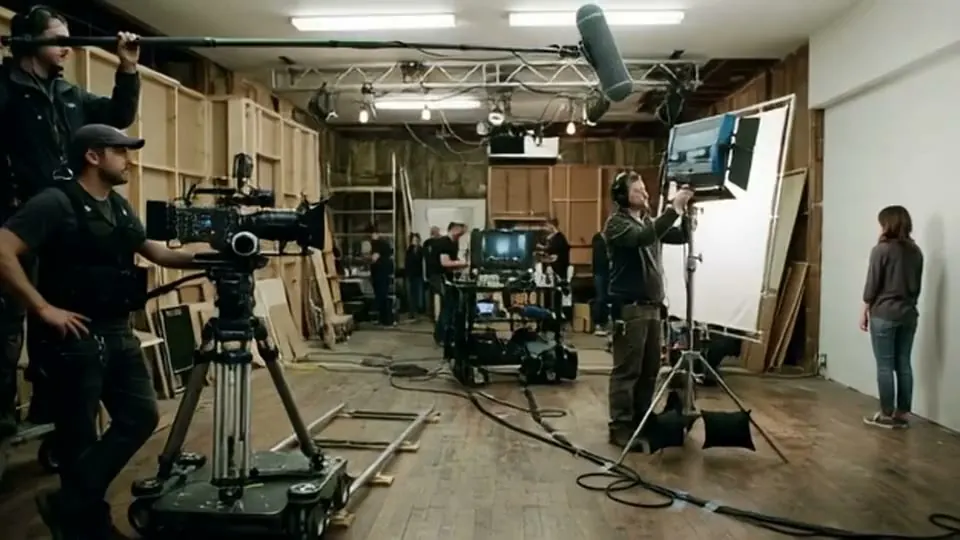
Behind the scenes footage points the camera at the making of something and puts the equipment in shot. Cinéma vérité points at the event and keeps the apparatus out.
On film
Jean Rouch and Edgar Morin made Chronicle of a Summer (1961) with portable synchronised sound equipment, and the term cinéma vérité comes from that film. The method spread because the gear had finally become light enough to follow people with.
- Chronicle of a Summer (1961)
The prompt
Replace the blanks, keep the rest. Then run it on a video model.
cinema verite of <subject>, handheld observational camera, available light, unstaged action, camera reacting rather than leading
What goes wrong
The model anticipates the action, framing the movement before it happens. Say the camera reacts late and recovers the subject, because a camera that knows what is coming reads as staged.
The second failure is studio light. Ask for available light only, and accept faces that fall into shadow when somebody turns away from the window.
Leave out
staged blocking, studio light
Watch for
The camera reacts late. Anticipating the action is what gives a staged shot away.
Questions
Shoot it
Pay for the one run. No subscription, and the price is on the model page before you sign in.
Next to it in looks that pretend nothing is staged