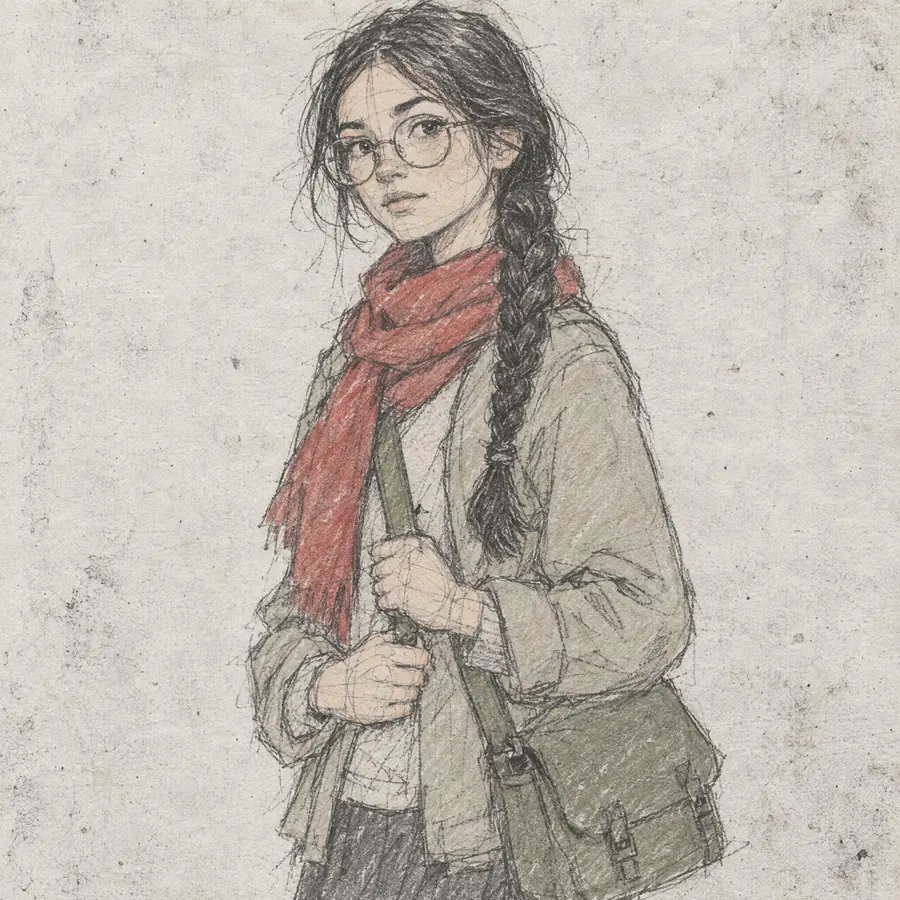
Rotoscope
- rotoscoped
- traced animation
Live action traced by hand, so real proportion and real weight sit under a drawn line.
Opens an image model with the prompt in it. The price is on the page before you sign in.
What it is for
Tracing a real person keeps every accident of a real body: the slight slump, the way cloth actually hangs, the unglamorous distribution of weight. Drawn characters never have those, so the result sits in an uncomfortable place between a photograph and a cartoon.
How it works
Film is shot first, then each frame is traced by hand. The tracing is never exact, so the line has a slight waver that a mechanical outline does not. The colour inside is usually flat, which increases the mismatch between the real shape and the drawn surface.
When to use it
Use it when a figure should feel real but not photographic, and for anything that wants an uneasy, dreamlike quality. Avoid it for comedy, because real proportions kill a joke that depends on exaggeration.
Told apart from its neighbours
Cel Animation invents its proportions, and they are always cleaner than a real body. Concept Painting keeps the real anatomy but paints it rather than outlining it. Ligne Claire has the flat colour but none of the real weight.
Where it is used
It suits a music video frame, a book cover and any portrait that should feel like a memory rather than a photograph.
- Early feature animation
- Music videos and title sequences that want an uncanny figure
The prompt
Replace the blanks with your own character, keep the rest. Then run it on an image model.
<character>, rotoscoped style, the figure traced from live action photography so the proportions and the pose are anatomically real, a hand drawn ink line over them that wavers slightly and does not perfectly repeat, flat colour filled inside the traced shapes, real cloth folds and real weight in the stance, a slight mismatch between the confident line and the ordinary pose
What goes wrong
A model usually returns a well drawn illustration with heroic proportions. Ask for an ordinary pose, real cloth folds and a line that wavers, which are the three things tracing produces and drawing does not.
Leave out
cartoon proportions, exaggerated poses, a perfectly smooth line, stylised anatomy, a heroic stance
Watch for
The unease is the point. A real body under a drawn line looks slightly wrong, so ask for an ordinary pose rather than a dramatic one, or the effect disappears into normal illustration.
Questions
Draw it
Pay for the one run. No subscription, and the price is on the model page before you sign in.